Banos Termales de Lares, Peru
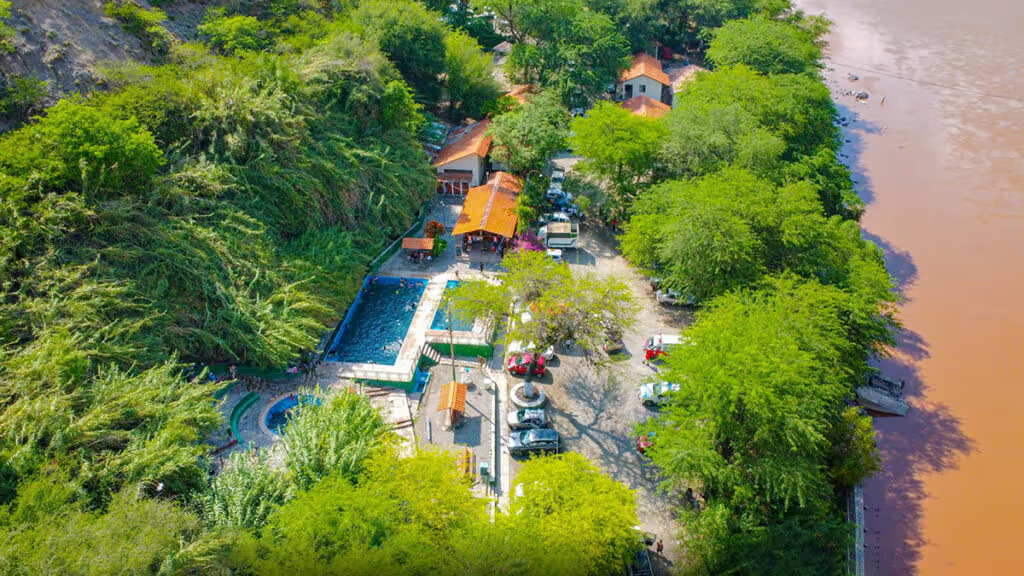
Thermal pools at 3,150 m in the Lares Valley, Calca, Cusco region. Mineral-rich water from 36-44C, endpoint of the Lares Trek. 10 soles for foreign adults.
Lares, Distrito de Lares, Provincia de Calca, Cusco, Peru
Cusco
PE
-13.086
-72.026
Public Pools & Parks
Paid
Easy to reach (no hike)
Be mindful
Swimsuit required
true
false
South America
banos-termales-de-lares-peru
What is the Lares Trek and does it end at the thermal baths?
The Lares Trek is a multi-day trekking route in the Calca province of the Cusco region that leads ultimately to Machu Picchu via the Lares Valley. The trek typically takes 3 to 4 days and passes through high mountain passes above 4,400 metres, remote Andean communities known for their traditional weaving, and dramatic alpine landscapes with lakes and glaciers. The thermal baths of Lares are the traditional final destination before trekkers board transport to Calca, then Cusco or Ollantaytambo, and onward by train to Aguas Calientes. Soaking in the thermal baths at the end of a strenuous multi-day trek is considered one of the highlights of the Lares route by most visitors who complete it.
Why is the water at Lares brown or yellow?
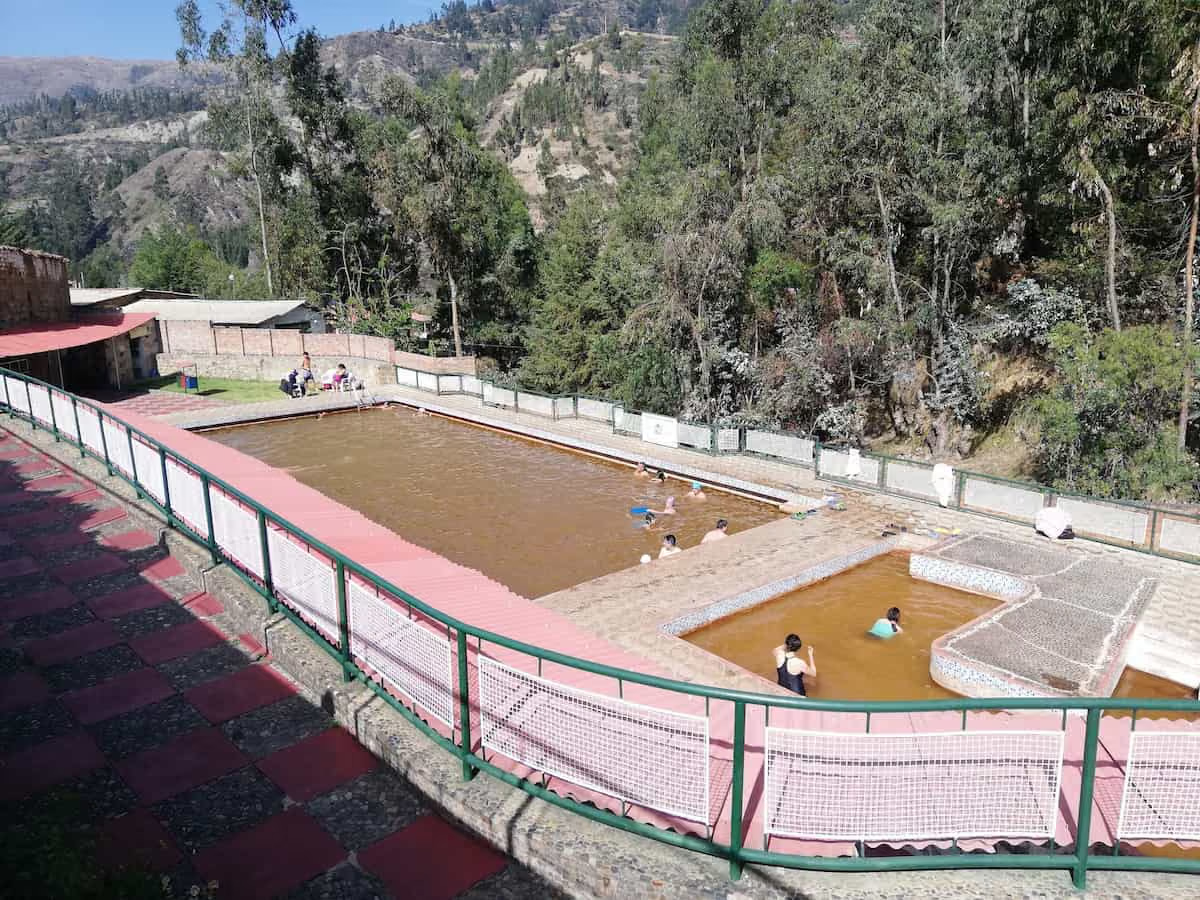
The yellowish-brown colour of the water at Banos Termales de Lares is a natural characteristic of its mineral composition, not a sign of contamination or poor hygiene. The water is rich in iron, manganese, sulfates, sodium, chlorides, magnesium, potassium, bicarbonates, zinc, and copper. These dissolved minerals are what give geothermal water its therapeutic reputation and its colour. Similar mineral-coloured water is found at many high-altitude Andean thermal springs where the water passes through volcanic and mineral-rich rock formations before reaching the surface. The pools are generally maintained and cleaned regularly despite the natural colouring.
Can I stay overnight near the Lares thermal baths?
Yes. Basic accommodation is available at or near the thermal baths complex. Visitor accounts mention simple rooms for approximately 50 soles per night at or just below the thermal complex. A camping area is also available at the site for approximately 7 soles per night. The town of Lares has additional accommodation options below the baths. Overnight visitors can enjoy the pools in the evening and morning, when the site is typically quieter and the pool area is less crowded than during the midday peak. The thermal baths are open daily throughout the year, and morning soaks before the sun moves behind the surrounding hills are particularly recommended.
How does Lares compare to other hot springs near Cusco?
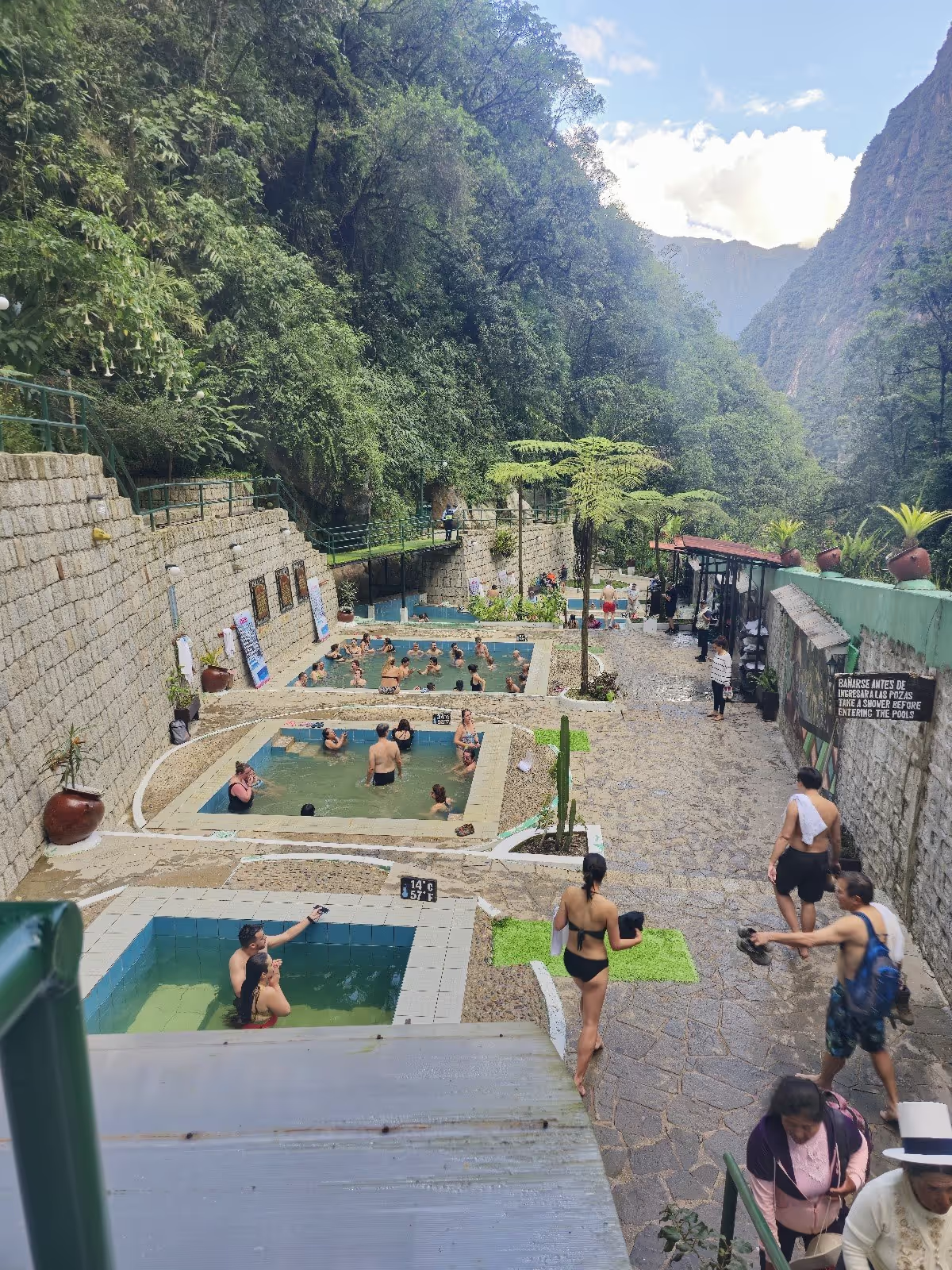
Banos Termales de Lares is one of several thermal spring sites in the Cusco region. Compared to the Aguas Calientes hot springs in Machu Picchu town, Lares is significantly less crowded and more affordable, though much further from Cusco (150 km versus the train route to Aguas Calientes). Compared to Cocalmayo in Santa Teresa, Lares is at higher altitude with hotter and more mineral-rich water but Cocalmayo has clearer water and a lush subtropical jungle setting. Compared to Machacancha near Calca, Lares is further away but more integrated into a trekking itinerary. Lares is generally considered the best choice for travellers already planning the Lares Trek, and a good independent destination for those who want an off-the-beaten-path Andean soak without the crowds of Aguas Calientes.
What is the best time of year to visit Banos Termales de Lares?
2026-09-21
Updated September 21, 2026
Banos Termales de Lares, Peru
Thermal pools at 3,150 m in the Lares Valley, Calca, Cusco region. Mineral-rich water from 36-44C, endpoint of the Lares Trek. 10 soles for foreign adults.
Experience
Public Pools & Parks
Access Level
Easy to reach (no hike)
What to Wear
Swimsuit required
Address
Lares, Distrito de Lares, Provincia de Calca, Cusco, Peru
Find a place to stay
Compare prices near this exact spot across Booking.com, Expedia and more.
See nearby stays →
Overview
About Banos Termales de Lares
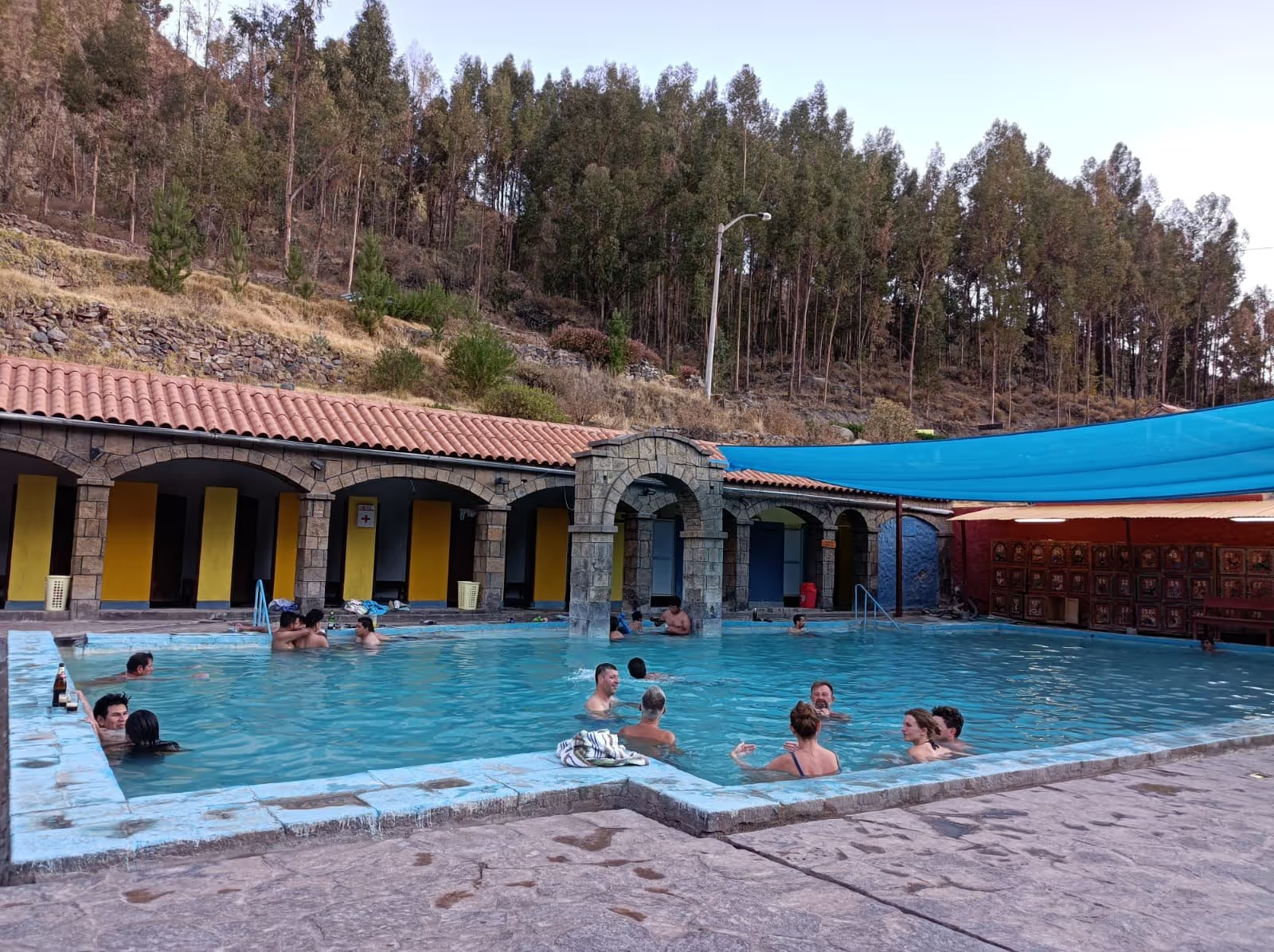
Banos Termales de Lares, Peru is a paid thermal spring complex in the town of Lares, Calca province, Cusco region, at approximately 3,150 metres elevation in the Lares Valley, about 150 km by road from Cusco. The complex has multiple outdoor pools of mineral-rich water with temperatures ranging from 36 to 44 degrees Celsius. The water has a characteristic yellowish-brown colour from high concentrations of sodium, chlorides, magnesium, potassium, sulfates, bicarbonates, manganese, iron, zinc, and copper. Entry is 10 soles for foreign adults.
The Lares thermal baths are the principal endpoint of the Lares Trek, a multi-day trekking route to Machu Picchu that passes through the Lares Valley via high mountain passes, remote Andean communities, and alpine lakes. Many trekkers finish their walk at the thermal baths for a soak before continuing onward by transport to Aguas Calientes and Machu Picchu. The Lares Valley is known for its traditional weaving communities and sees significantly fewer tourists than the nearby Sacred Valley, making the thermal baths a less crowded alternative to those at Aguas Calientes.
Among the hot springs near Cusco, Banos Termales de Lares is the most frequently visited as part of a multi-day trekking itinerary, and is one of the hottest open-air thermal complexes in the Cusco region.
Location & Access
Getting to Banos Termales de Lares
Banos Termales de Lares is in the town of Lares, Calca province, Cusco region, approximately 150 km by road from Cusco. The route goes from Cusco toward Calca (51 km, approximately 1.5 hours by public minivan) and then from Calca to Lares (98 km, approximately 1.5 hours by bus or shared transport). From Lares town the thermal baths are approximately 1 km on foot or a short taxi ride. Total travel time from Cusco to the baths is approximately 3 hours each way.
From Cusco, minivans to Calca depart from the Puputi bus stop near the historic centre and cost approximately 5-10 soles. From Calca, shared transport to Lares costs approximately 10 soles and operates on an informal schedule, departing when full. It is also possible to hire a private taxi from Cusco directly to Lares; this is more expensive but more convenient, particularly for groups or visitors combining Lares with other stops in the Calca area. The road between Calca and Lares passes through the visually dramatic Lares Valley with Inca ruins, weaving communities, and mountain scenery along the route.
For visitors joining a Lares Trek package, transport is included as part of the guided tour. Independent visitors are strongly advised to confirm onward transport from Lares back to Calca or Cusco before arriving, as departure times can be limited in the afternoon. Those looking for hot springs near Cusco as part of a trekking itinerary will find the Lares approach one of the most scenic routes available.
Suitability & Accessibility
Who Should Visit Banos Termales de Lares
Banos Termales de Lares suits trekkers completing the Lares Trek, independent travellers seeking an alternative to the crowded Aguas Calientes pools, and visitors who want a high-altitude Andean hot spring experience with mountain scenery and a genuine local atmosphere. The pools are popular with both local Peruvian visitors and international trekkers, and the valley setting above 3,100 metres is among the most scenic of any thermal site near Cusco.
Multiple pools at different temperatures allow visitors to choose their comfort level. The hottest pool at 41 degrees Celsius is intense, while the cooler pools at 35-36 degrees Celsius suit extended soaking. The yellowish mineral water is a result of high iron and sulfate content, not a hygiene concern. Private indoor pools are available for those who prefer a more secluded experience.
Wheelchair accessibility is not documented for this site. The mountain setting and access road have not been confirmed as step-free in sources used for this listing. Visitors with mobility requirements should contact local tour operators for current conditions. Altitude acclimatisation before visiting is recommended; soaking at 3,150 metres in hot water increases dehydration risk. For families and independent visitors seeking hot springs near Cusco with fewer crowds and an authentic community atmosphere, Lares is a strong choice.
Safety & Etiquette
Banos Termales de Lares Safety Tips
Banos Termales de Lares is generally safe but requires awareness of both temperature and altitude. The pools range from 36 to 44 degrees Celsius; the hottest pool can be intense for extended soaking, particularly at 3,150 metres above sea level where the body is already under mild physiological stress from altitude. Test the temperature of each pool before entering. Limit time in the hottest pools to short sessions, cool down between soaks, and drink water consistently throughout your visit.
The altitude of 3,150 metres increases the risk of dehydration and mild altitude-related symptoms, especially when combined with the warming effects of hot water immersion. If you feel dizzy, nauseous, or short of breath, exit the pools immediately, rest in a shaded area, and drink water. Visitors who have arrived in Cusco recently and are still acclimatising should take extra care and spend more time in the cooler pools rather than the hottest ones. Pregnant visitors and those with cardiovascular conditions should consult a doctor before using high-temperature pools at altitude.
The sun disappears behind the surrounding hills between 2 and 3 pm according to visitor accounts, making morning visits preferable for both comfort and pool quality on busier days. The site is more crowded on weekends; weekday visits are recommended for a more peaceful experience. Bring drinking water, as the shop near the baths is reported to be closed at irregular times. Pool surrounds can be wet and slippery; wear sandals or footwear with grip when moving between pools. There are no ATMs at the baths; bring sufficient cash from Cusco or Calca.
Frequently Asked Questions
1
What is the Lares Trek and does it end at the thermal baths?
The Lares Trek is a multi-day trekking route in the Calca province of the Cusco region that leads ultimately to Machu Picchu via the Lares Valley. The trek typically takes 3 to 4 days and passes through high mountain passes above 4,400 metres, remote Andean communities known for their traditional weaving, and dramatic alpine landscapes with lakes and glaciers. The thermal baths of Lares are the traditional final destination before trekkers board transport to Calca, then Cusco or Ollantaytambo, and onward by train to Aguas Calientes. Soaking in the thermal baths at the end of a strenuous multi-day trek is considered one of the highlights of the Lares route by most visitors who complete it.
2
Why is the water at Lares brown or yellow?
The yellowish-brown colour of the water at Banos Termales de Lares is a natural characteristic of its mineral composition, not a sign of contamination or poor hygiene. The water is rich in iron, manganese, sulfates, sodium, chlorides, magnesium, potassium, bicarbonates, zinc, and copper. These dissolved minerals are what give geothermal water its therapeutic reputation and its colour. Similar mineral-coloured water is found at many high-altitude Andean thermal springs where the water passes through volcanic and mineral-rich rock formations before reaching the surface. The pools are generally maintained and cleaned regularly despite the natural colouring.
3
Can I stay overnight near the Lares thermal baths?
Yes. Basic accommodation is available at or near the thermal baths complex. Visitor accounts mention simple rooms for approximately 50 soles per night at or just below the thermal complex. A camping area is also available at the site for approximately 7 soles per night. The town of Lares has additional accommodation options below the baths. Overnight visitors can enjoy the pools in the evening and morning, when the site is typically quieter and the pool area is less crowded than during the midday peak. The thermal baths are open daily throughout the year, and morning soaks before the sun moves behind the surrounding hills are particularly recommended.
4
How does Lares compare to other hot springs near Cusco?
Banos Termales de Lares is one of several thermal spring sites in the Cusco region. Compared to the Aguas Calientes hot springs in Machu Picchu town, Lares is significantly less crowded and more affordable, though much further from Cusco (150 km versus the train route to Aguas Calientes). Compared to Cocalmayo in Santa Teresa, Lares is at higher altitude with hotter and more mineral-rich water but Cocalmayo has clearer water and a lush subtropical jungle setting. Compared to Machacancha near Calca, Lares is further away but more integrated into a trekking itinerary. Lares is generally considered the best choice for travellers already planning the Lares Trek, and a good independent destination for those who want an off-the-beaten-path Andean soak without the crowds of Aguas Calientes.
5
What is the best time of year to visit Banos Termales de Lares?
The dry season from April to October is the recommended time to visit Banos Termales de Lares. During these months the rains are infrequent, the mountain roads are reliable, and the daytime conditions in the valley are ideal for combining hiking with a thermal soak. The hottest and sunniest months tend to be May through August. The wet season from November to March brings frequent afternoon and evening rains and can make the roads to Lares more difficult, particularly for independent travellers. January and February are the wettest months and are generally best avoided for this destination. If visiting during the wet season, start early in the day before afternoon rains arrive.
Gallery
No pictures available for this hot spring.
Location
Address:
Lares, Distrito de Lares, Provincia de Calca, Cusco, Peru
Find a place to stay
Compare prices near this exact spot across Booking.com, Expedia and more.
See nearby stays →
-13.086
-72.026
Banos Termales de Lares, Peru
Text LinkLares, Distrito de Lares, Provincia de Calca, Cusco, Peru
Some accommodation links on this site are affiliate links. If you book through them, we may earn a small commission at no additional cost to you. This helps keep hotspringsguides.com free to use.