
Quick FactsOverview
About Barker Spring
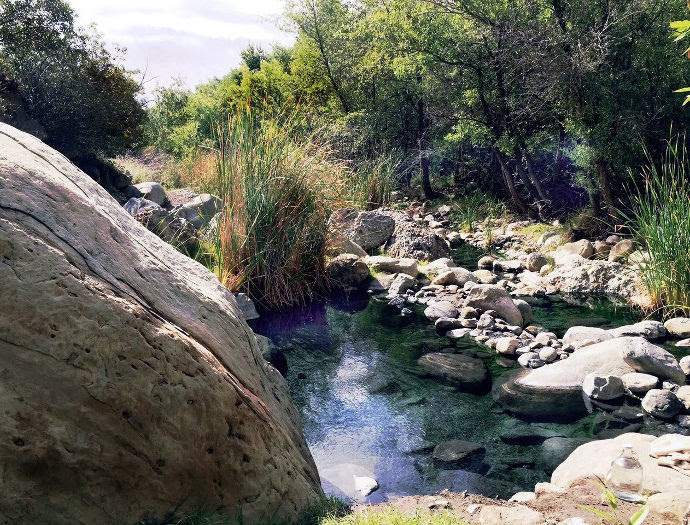
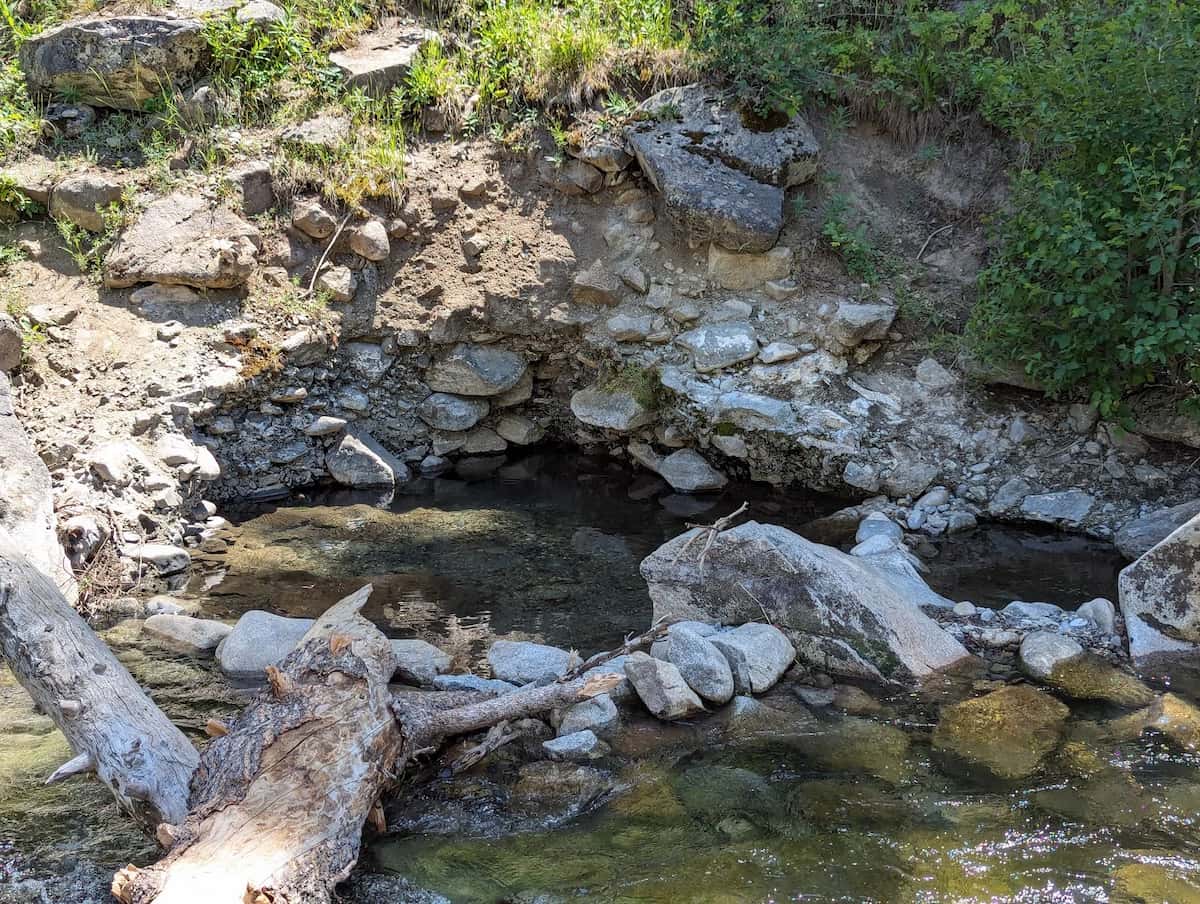
Barker Spring, Georgia is a free, undeveloped geothermal spring located in Upson County near the community of Hannahs Mill in the Piedmont region of central Georgia. The spring surfaces at approximately 73 degrees Fahrenheit, roughly 9 degrees above the regional ambient groundwater temperature. Thomaston, the Upson County seat, is the nearest town with full visitor services and sits approximately 10 miles to the southeast.
The spring gave its name to the small rural community that grew up around it. Georgia has only seven documented thermal springs statewide, making Barker Spring one of a limited number of geothermal features in the southeastern United States. The spring emerges in the Piedmont geological province, where thermal activity is modest compared to the volcanic and rift-driven systems of the western states. This is one of the few natural hot springs in Georgia accessible by road.
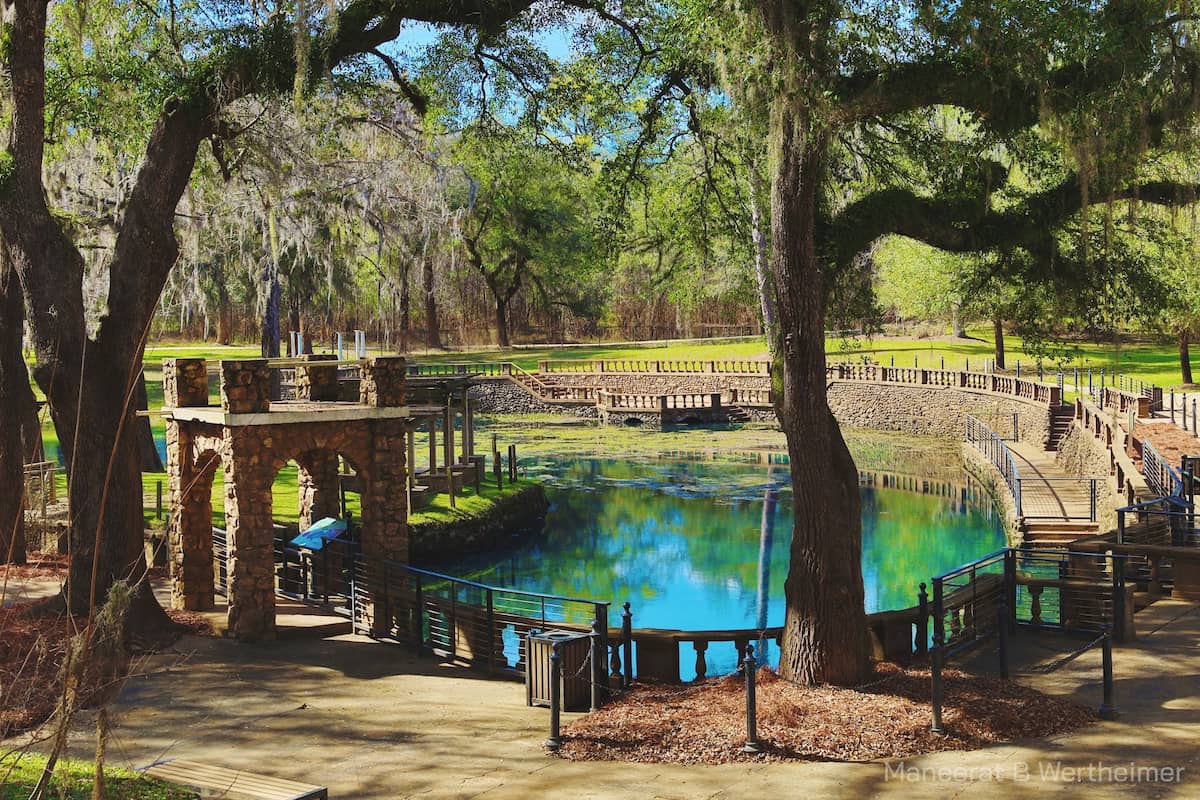
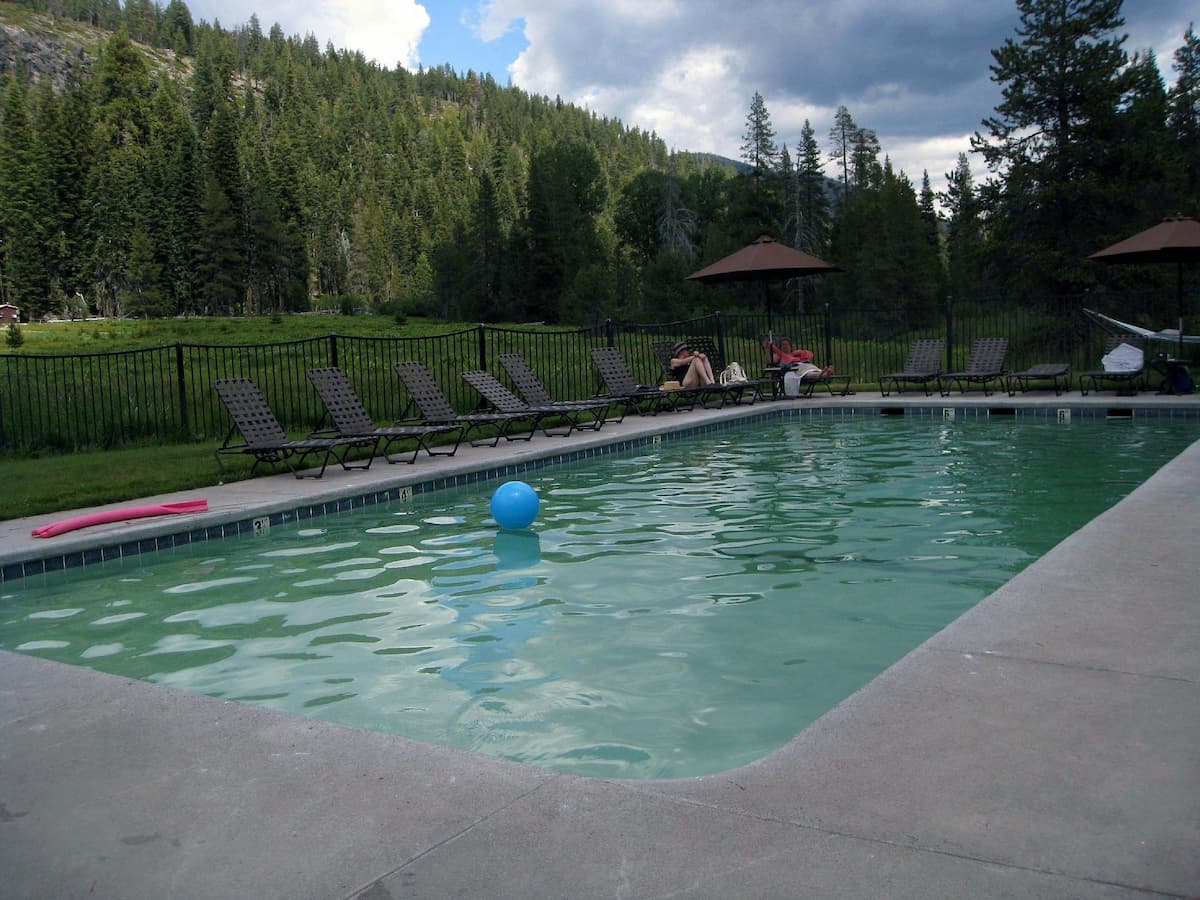
There are no constructed pools, changing facilities, or managed access at the spring. Visitors encounter a natural geothermal seep in a rural landscape, best understood as a geological curiosity rather than a recreational soaking destination.
Location & Access
Getting to Barker Spring
Barker Spring is located near the community of Hannahs Mill in Upson County, accessible by local roads in the rural Piedmont of central Georgia. The spring has roadside access and requires no hiking. The nearest town with full services is Thomaston, the Upson County seat, approximately 10 miles to the southeast.
From Thomaston, drive northwest on local county roads toward Hannahs Mill. The community of Barker Spring is a small, unincorporated rural area. Roads in this part of Upson County are paved and accessible year-round. There is no designated parking area for the spring, so visitors should park safely along the road shoulder without blocking traffic or private access.
Regional Context and Nearby Springs
Upson County sits in the Piedmont region of Georgia between Atlanta to the north and Macon to the southeast. For visitors exploring hot springs near Thomaston, Barker Spring and the nearby Thundering Spring (also in Upson County near Hannahs Mill) are the two closest thermal features. The more well-known Warm Springs, associated with President Franklin D. Roosevelt, is located in neighboring Meriwether County roughly 20 miles to the west and offers a warmer, more developed experience at 88 degrees Fahrenheit. The broader region has a small cluster of thermal springs spread across Upson, Pike, and Meriwether counties, all within driving distance of each other.
Suitability & Accessibility
Who Should Visit Barker Spring
Barker Spring suits travelers interested in the modest but genuinely rare geothermal features of Georgia rather than visitors seeking a soaking experience, as the water temperature of 73 degrees Fahrenheit is well below body temperature and too cool for comfortable bathing in most conditions. The spring is best appreciated as a brief roadside stop to observe one of only seven documented thermal springs in the state.
The easy roadside access means visitors of all fitness levels can reach the spring without difficulty. However, the complete absence of facilities means there are no restrooms, changing areas, benches, or signage at the site. The surrounding terrain is rural Georgia Piedmont landscape with gentle rolling hills, farmland, and mixed forest. Visitors should wear appropriate footwear for walking on unpaved ground near the spring.
Accessibility at Barker Spring
The spring is not wheelchair accessible. There are no paved paths or improved surfaces at the site. Families with children can reach the area easily by car but should supervise near the water. Those exploring natural hot springs Georgia offers in the Piedmont region will find a small cluster of thermal springs in Upson, Pike, and Meriwether counties, all with easy road access but none with developed soaking facilities except the historic Warm Springs in Meriwether County.
Safety & Etiquette
Barker Spring Safety Tips
Barker Spring is generally safe to approach, though visitors should be mindful of the undeveloped nature of the site and the uncertainty around land ownership before stopping. The water temperature of 73 degrees Fahrenheit poses no scalding risk, but the spring water has not been tested for recreational safety on any regular basis.
The primary consideration at this location is land access. The spring is in a rural area where property boundaries may not be clearly marked. Visitors should respect any posted signs, fences, or barriers. If the area appears to be on private property, do not enter without the landowner permission. The road is a local county road with limited traffic, but watch for vehicles when parking and walking to the spring.
Environmental Awareness
The Piedmont region of Georgia supports a variety of wildlife including white-tailed deer, wild turkey, and various snake species. Be aware of your surroundings when walking through vegetation near the spring. Ticks are common in rural Georgia, particularly from spring through fall. Check clothing and skin after visiting.
Leave No Trace at Barker Spring
Pack out all trash and waste. There are no receptacles at the site. Do not alter the spring source or dig around it. The spring is a minor but genuine geothermal feature and should be left in its natural state for future visitors and researchers who may study the Piedmont thermal system. undisturbed. Keep noise levels respectful of the quiet rural setting and nearby residents. If visiting multiple springs in the area, plan your route in advance as the county roads connecting them can be winding and poorly signed.