Quick FactsOverview
About Blue Spring
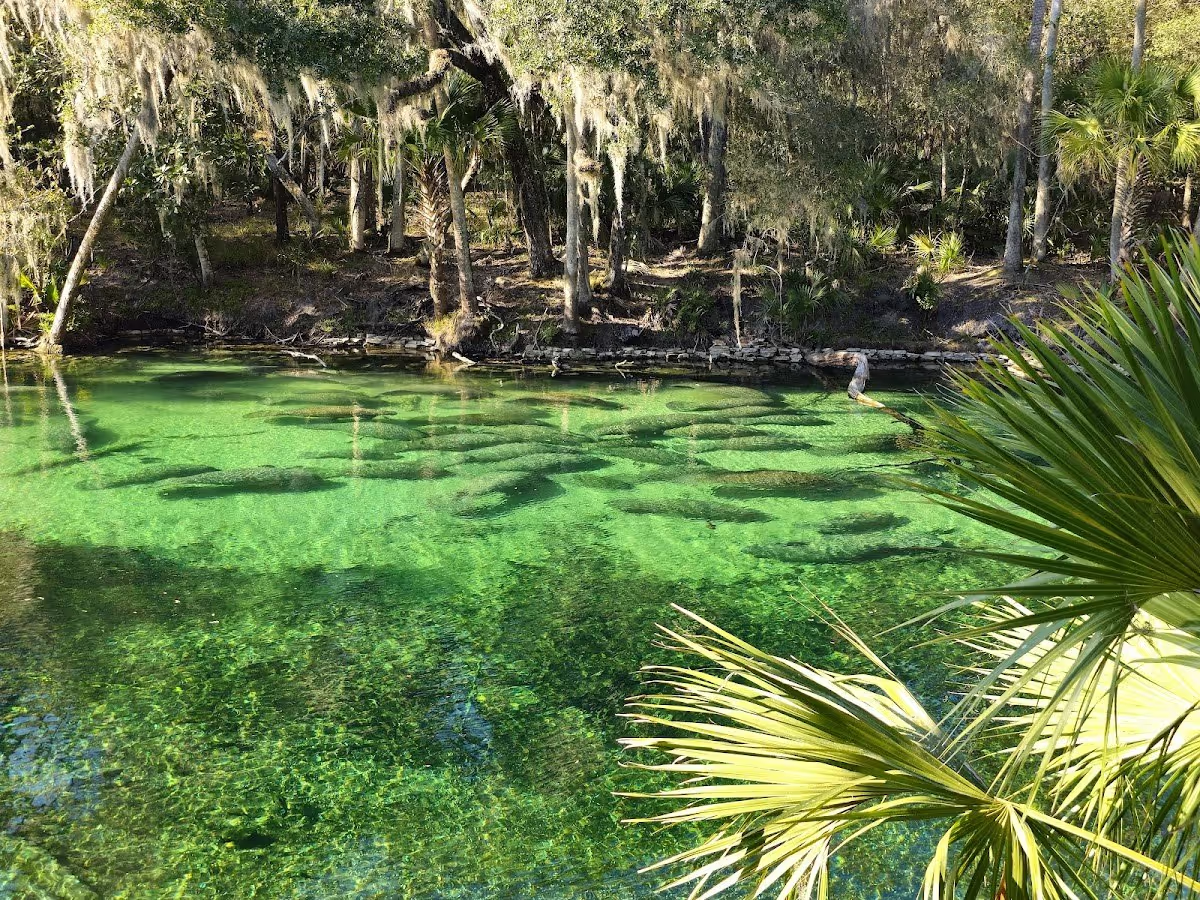
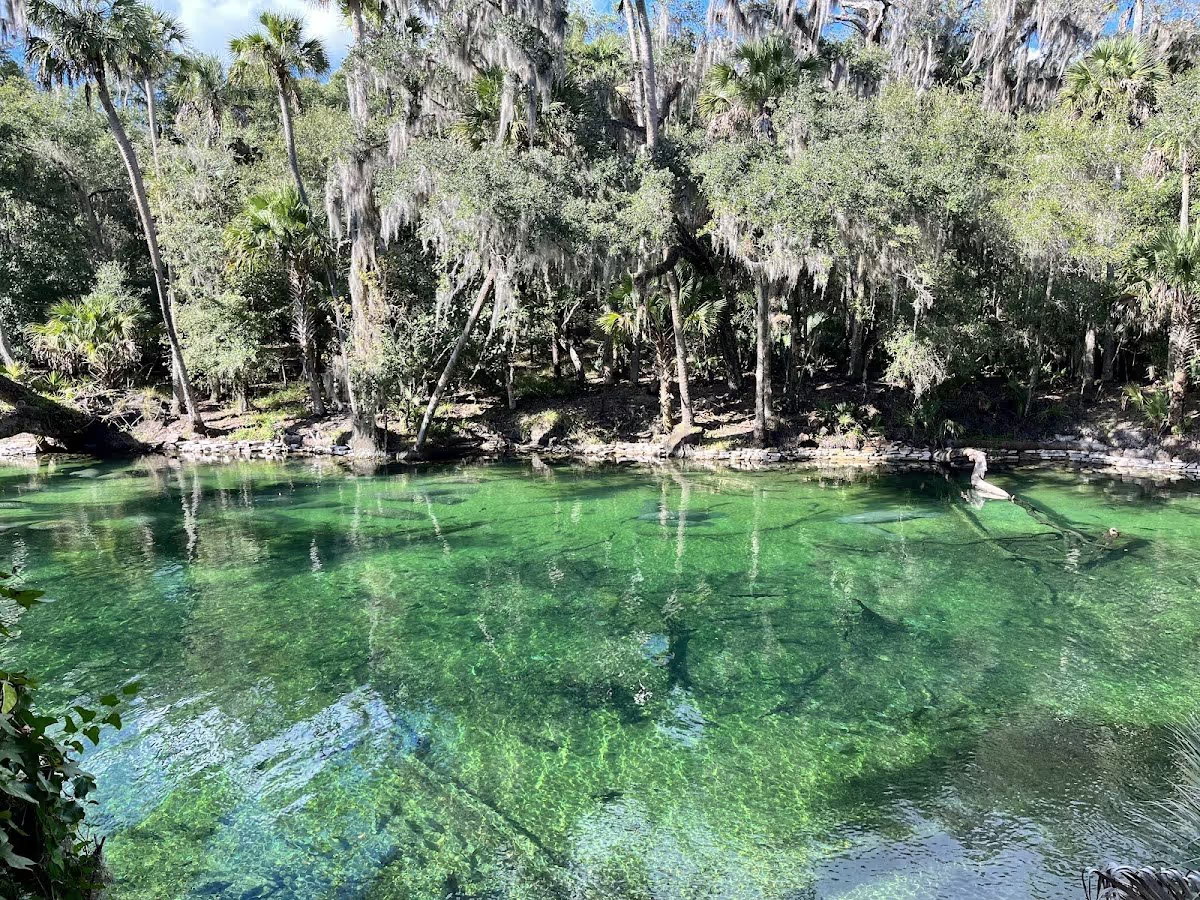
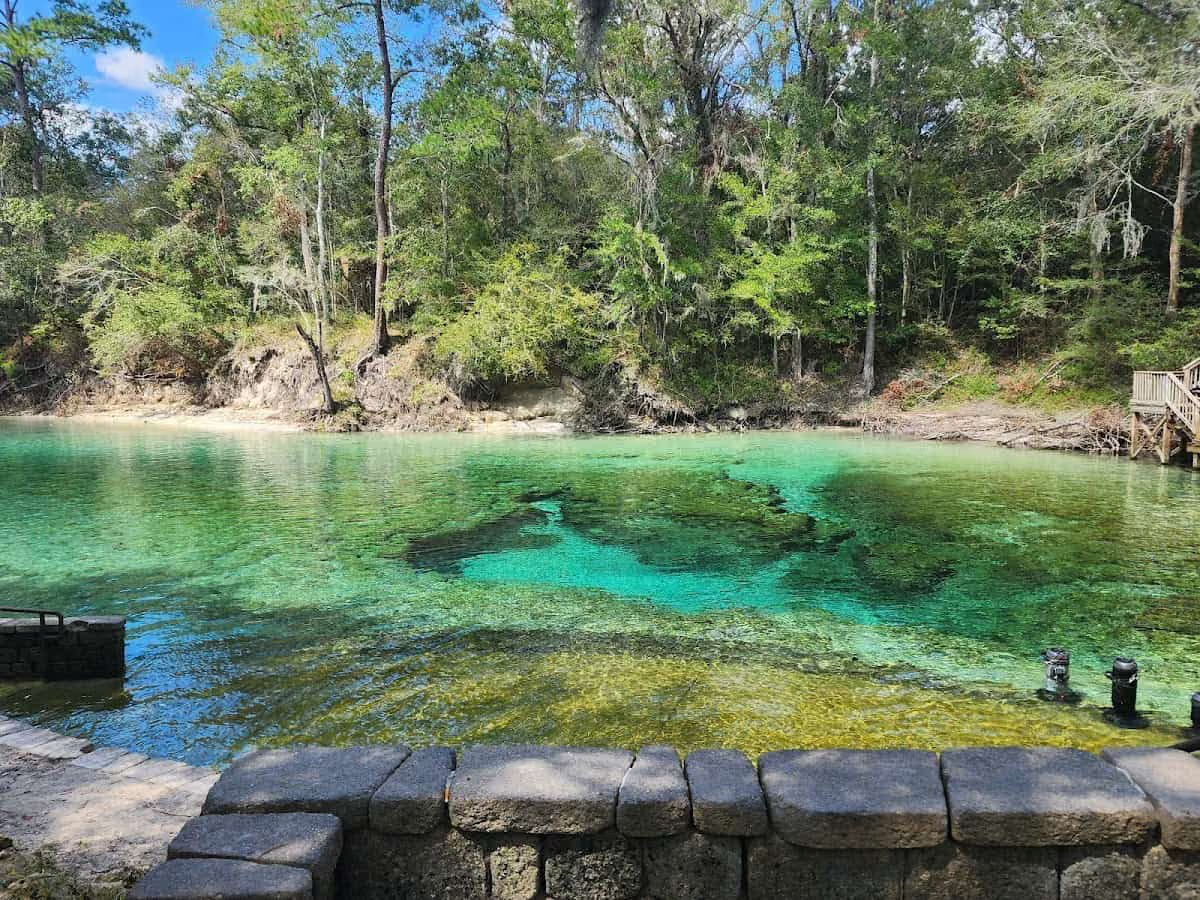
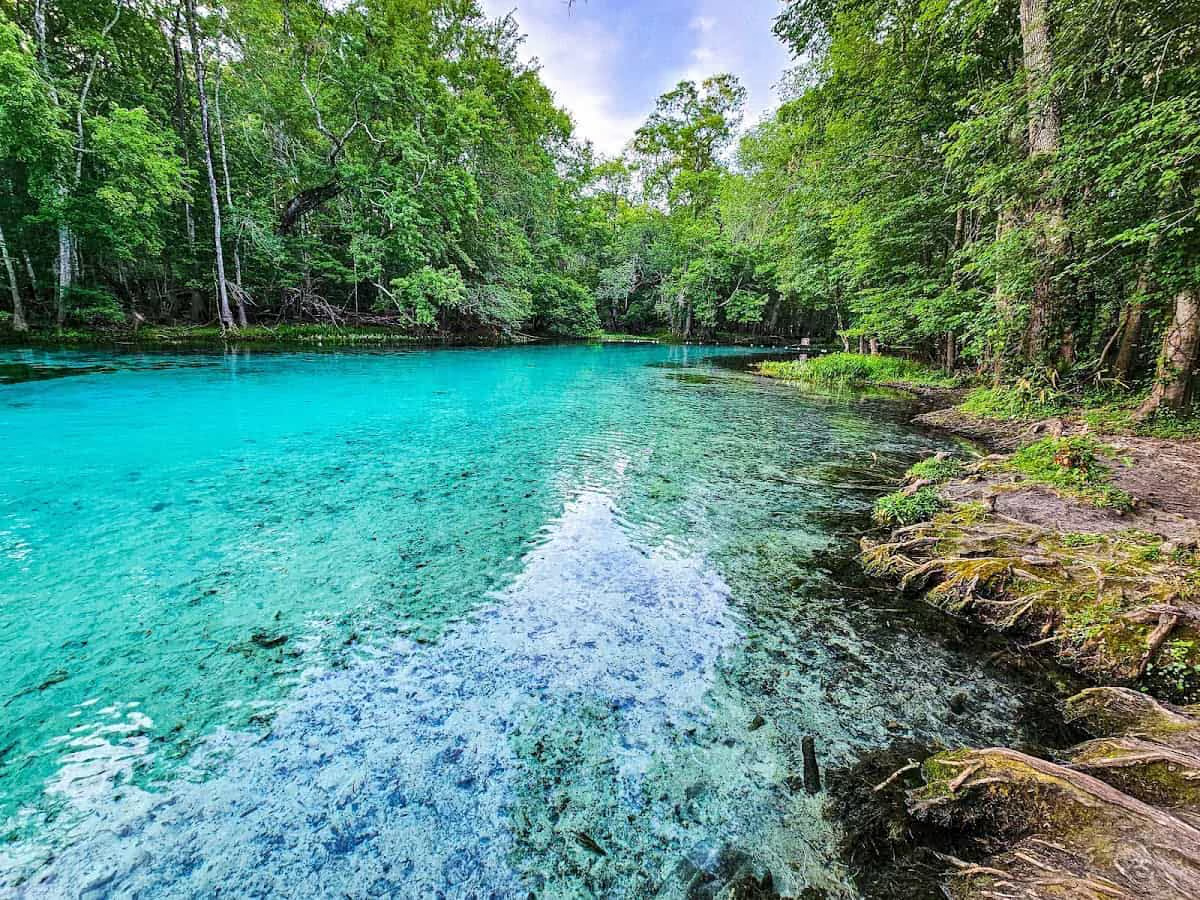
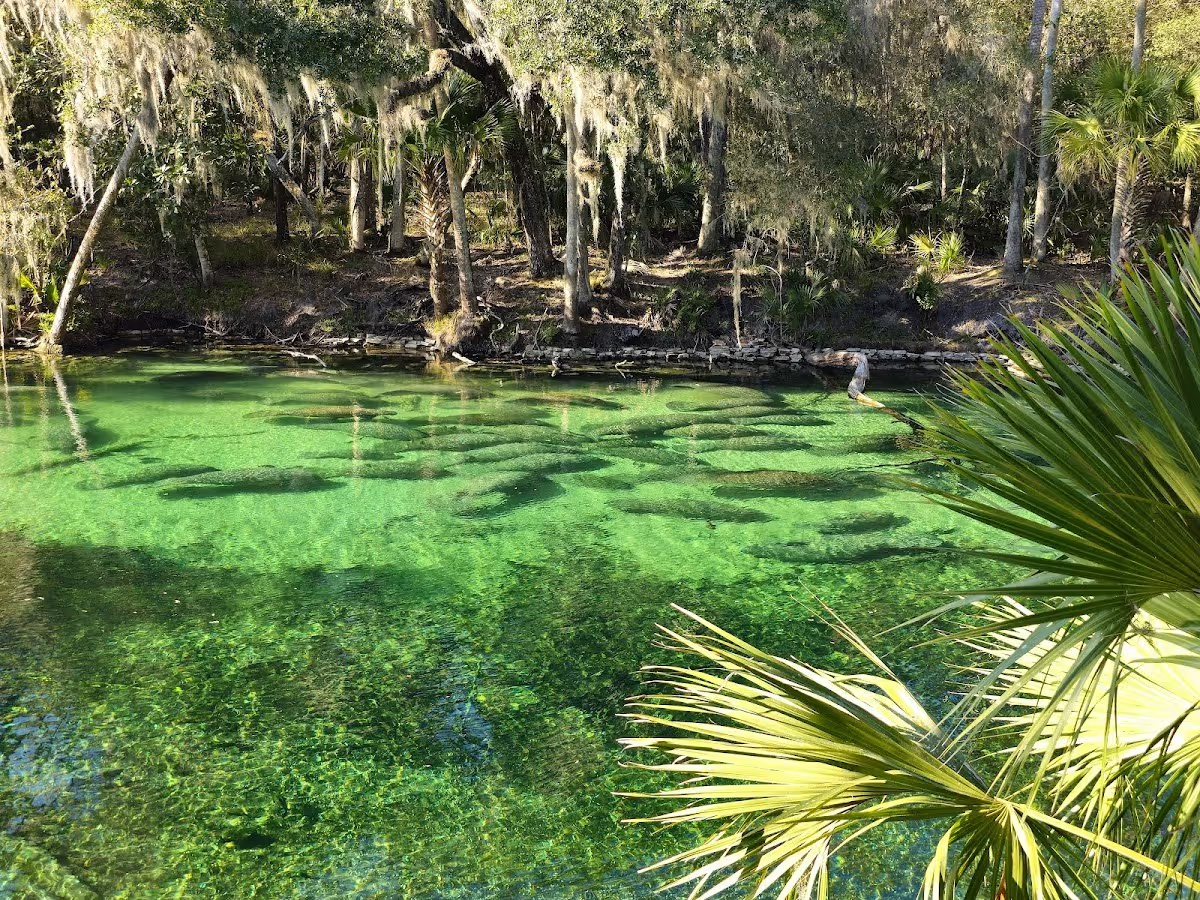
Blue Spring, Florida is a freshwater spring and Florida State Park located in Orange City, west of the St. Johns River, approximately 30 miles southwest of Orlando. The spring, also known as Volusia Blue Spring, is the largest spring on the St. Johns River, producing approximately 102 million gallons of water daily at a constant temperature of 73 degrees Fahrenheit. The spring is a designated Manatee Refuge and is widely considered the best site in Florida, and possibly the world, for viewing wild West Indian manatees in their natural habitat. A record 729 individual manatees wintered at Blue Spring in 2023, up from just 14 when researchers first counted them in 1970 before the park was established.
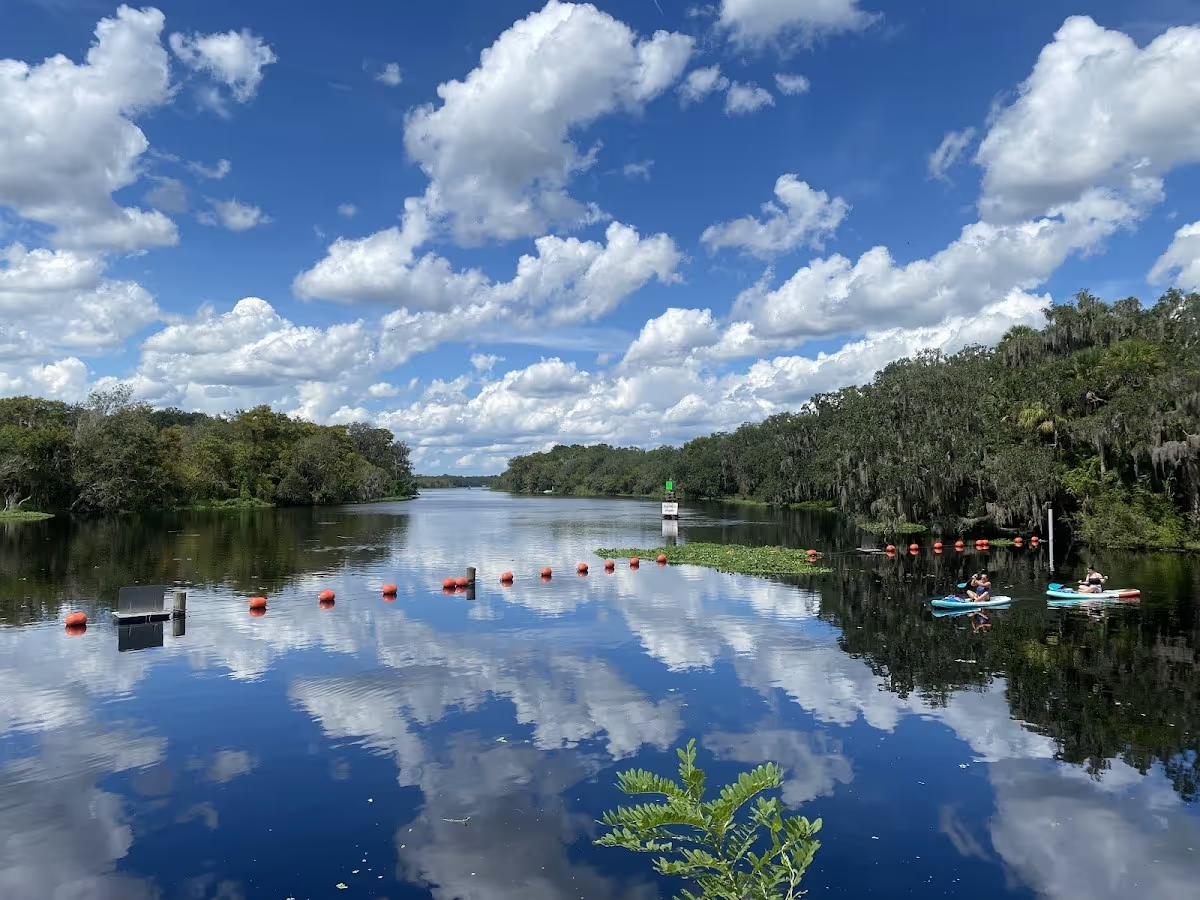
The spring run is several miles long and flows from the headspring to the St. Johns River. A wooden boardwalk stretches approximately one-third of a mile from the river to the headspring, providing a raised viewing platform over the clear water of the run. From mid-November through March, the spring run is closed to all water activities including swimming, snorkeling, diving, tubing, canoeing, kayaking, and paddleboarding. During this period the spring functions exclusively as a wildlife sanctuary, and the boardwalk is used for manatee viewing. Hundreds of manatees aggregate in the run during cold weather, seeking the consistently warm 73-degree spring water. The park has conducted individual manatee identification research since 1978, maintaining one of the world's longest-running manatee databases.
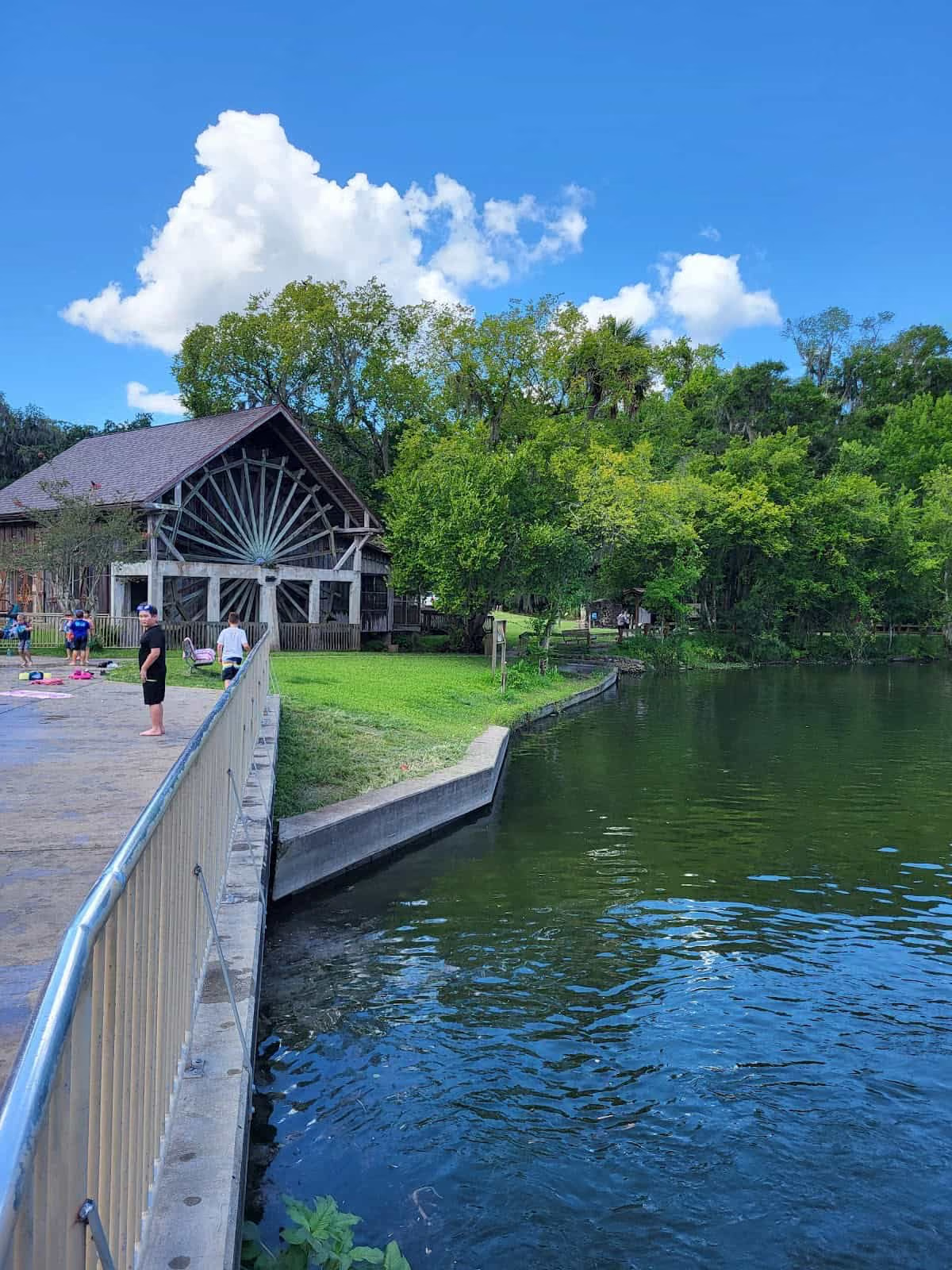
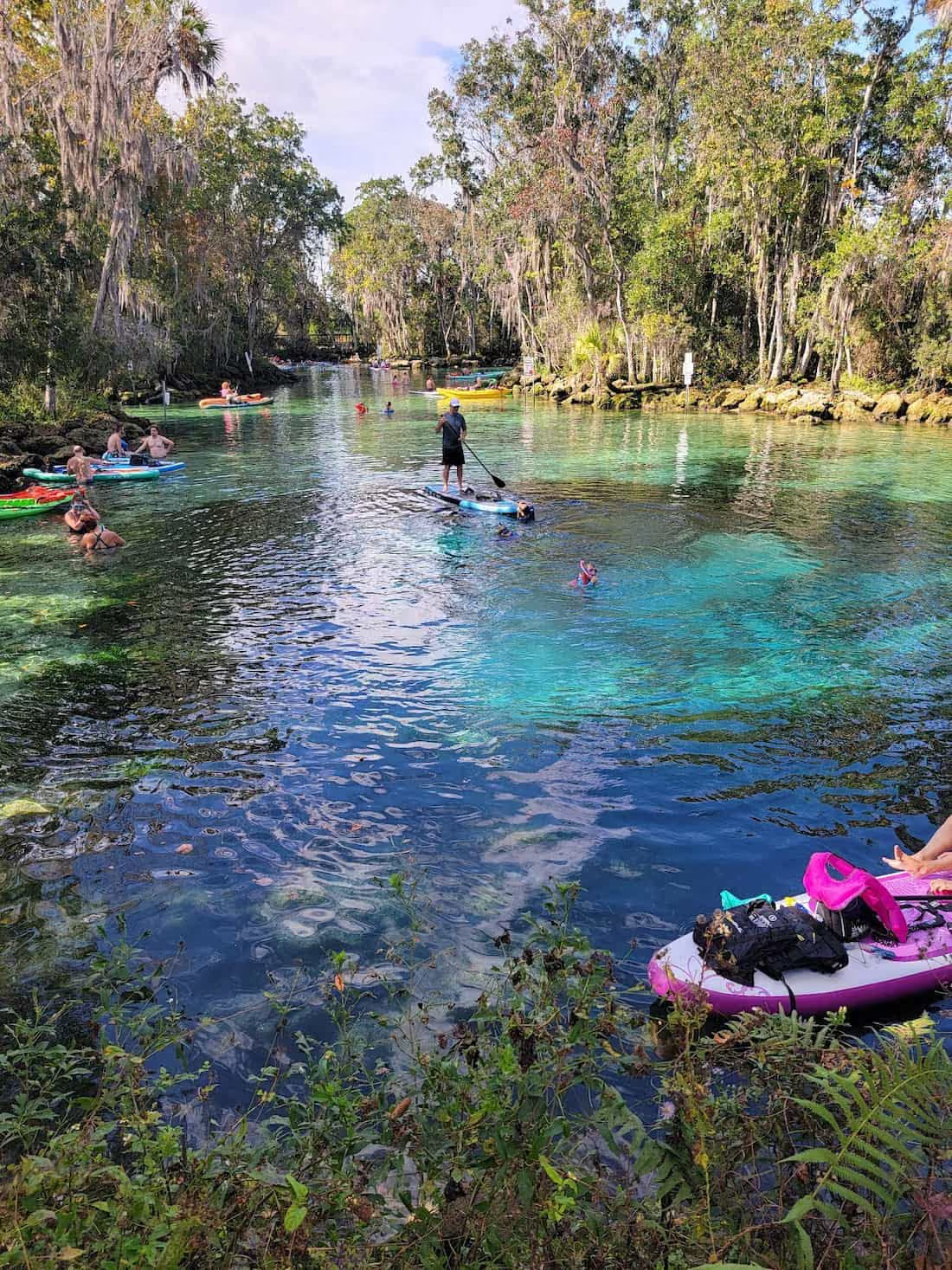
From April through mid-November, when manatees are not in residence, the spring run opens for swimming, snorkeling, kayaking, canoeing, and paddleboarding. Scuba diving is permitted in the spring cave for qualified divers in season. The park also features the historic Thursby House, a three-story plantation-style home built in 1872 on a shell mound near the St. Johns River, which is open for self-guided tours. For visitors looking for accessible soaking pools in Florida near Orlando with outstanding wildlife viewing and full state park facilities, Blue Spring is the most ecologically significant spring destination in the greater Orlando area.
Location & Access
Getting to Blue Spring
Blue Spring State Park is located at 2100 W French Avenue, Orange City, FL 32763. From Interstate 4, take exit 114 onto SR 472 connector toward US 17/92. Head south on US 17/92 for approximately 1.25 miles to the traffic light at French Avenue. Turn west onto W French Avenue and follow it for approximately 3 miles to the park entrance near where the road ends. The GPS coordinates are 28.9481 degrees North, 81.3400 degrees West. The park is open 8am to sunset, 365 days a year. A per-vehicle entry fee of six dollars applies; pedestrians and cyclists pay two dollars.
The park frequently reaches capacity during both the summer swimming season and the winter manatee season and may temporarily close to new arrivals. During winter months, manatee viewing draws large crowds, particularly on cold mornings when manatees are most concentrated in the run. Arriving before 9am during the winter season is strongly recommended to avoid capacity closures. During summer, the park fills on hot weekends by late morning. Visitors with camping or river cruise reservations will be admitted even during a capacity closure; day visitors and pedestrians will not. For visitors looking for accessible hot springs in Florida near Orlando, Blue Spring is approximately 30 miles southwest of the city.
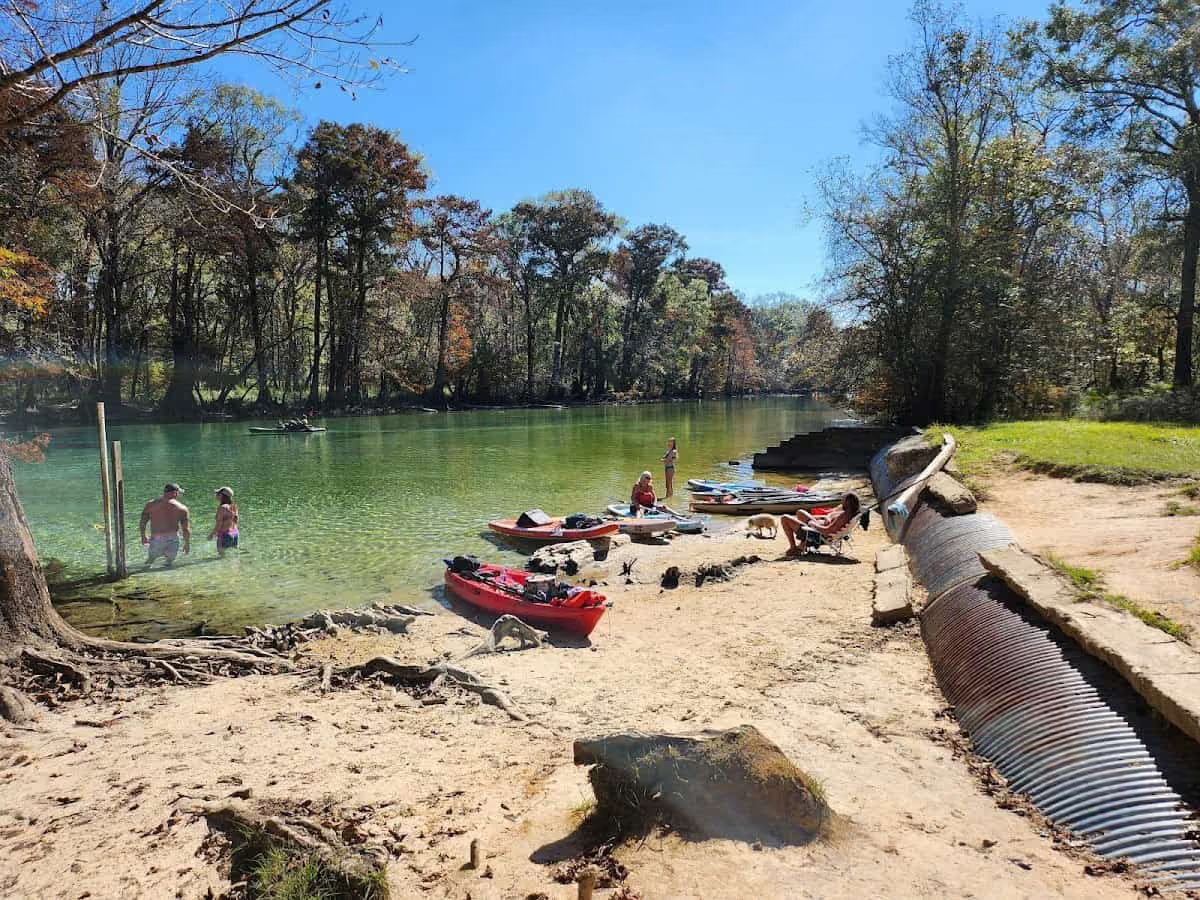
Canoe and kayak rentals are available from the park's concessionaire, Blue Spring Adventures, near the upper swimming area. A two-hour narrated Nature and Ecological Cruise on the St. Johns River is available for booking; contact the park for current availability and pricing. A Guided Wilderness Escape Segway tour is also offered. Overnight accommodation includes 51 campsites and six cabins, one of which is ADA accessible. Cabin reservations can be made through the Florida State Parks reservations system or by calling (386) 775-3663.
Suitability & Accessibility
Who Can Visit Blue Spring
Blue Spring suits a very wide range of visitors, with different primary draws in different seasons. From mid-November through March, the park is the premier destination in Florida for observing wild manatees at close range from a boardwalk. No water entry is permitted during this period, so the experience is entirely land-based, making it accessible to all visitors regardless of swimming ability or mobility. The boardwalk to the headspring is wide with rails and is the primary manatee viewing route; it is navigable by wheelchair and well suited to visitors of all mobility levels.
From April through mid-November, the spring run opens for swimming, snorkeling, kayaking, canoeing, and paddleboarding. The spring temperature of 73 degrees Fahrenheit is consistent year-round and is slightly warmer than most Florida springs, though still noticeably cool on entry. Children are welcome and the park has a playground, volleyball courts, three covered picnic pavilions, and a large campground, making it well suited to multi-day family visits. Scuba diving is available for qualified open-water certified divers in the spring cave during the summer season.
Wheelchair access at Blue Spring is well documented. Handicap parking is available near the park entrance. The boardwalk to the headspring is wide with railings and navigable by wheelchair according to multiple visitor accounts; a five-minute walk or roll through natural Florida forest leads to the spring. One of the six park cabins is ADA accessible and reservable through the Florida State Parks system. Dogs are welcome throughout most of the park on a 6-foot leash but are not permitted on the wooden boardwalk trail to the springhead. A new dog park is also available within the park. For accessible soaking pools in Florida near Orlando combined with world-class wildlife viewing, Blue Spring is the most comprehensively accessible option in the region.
Safety & Etiquette
Safety and Etiquette at Blue Spring
Blue Spring requires strict observance of its seasonal closure rules above all else. From mid-November through March, the spring run is closed to all water activities without exception. This includes swimming, snorkeling, diving, tubing, canoeing, kayaking, and paddleboarding in the spring run. The closure is enforced to protect wintering manatees and violations can result in significant federal fines. Check the park's current closure status at the Florida State Parks website before visiting, particularly in autumn and late spring when the closure dates may shift slightly based on water temperature and manatee presence.
Manatees are a federally protected species. During manatee season, and any time manatees are present in or near the spring, do not enter the water near them, do not touch them, do not pursue them, and do not impede their movement. Observe from the boardwalk only. If manatees are present during the summer swimming season and have wandered into the swim area, follow instructions from park staff regarding any temporary swim closure. Feeding manatees is prohibited and carries federal penalties.
Alligators, bears, and raccoons are all present in the 2,600-acre park. Do not approach, feed, or attempt to photograph wildlife at close range. Alligators have been documented in the St. Johns River and adjacent waterways throughout the park. Do not swim in the St. Johns River itself; swimming is permitted only in the designated spring run area when it is open. Qualified scuba divers must register with park staff before entering the spring cave and must hold appropriate open-water certification; cave diving is not permitted.
The park reaches capacity frequently during both the summer swimming season and the winter manatee season. Visitors with advance reservations for camping or river cruises will be admitted during a closure; day visitors will not. Arriving before 9am during peak periods is the most reliable way to guarantee entry. Dogs are permitted in most of the park but are prohibited from the wooden boardwalk trail to the springhead. Alcohol is not permitted in Florida State Parks. Sunscreen that is not reef-safe or spring-safe washes off in the spring water; apply before arrival and allow it to absorb fully to minimise impact on the spring ecosystem.