Quick FactsOverview
About the Hot Springs
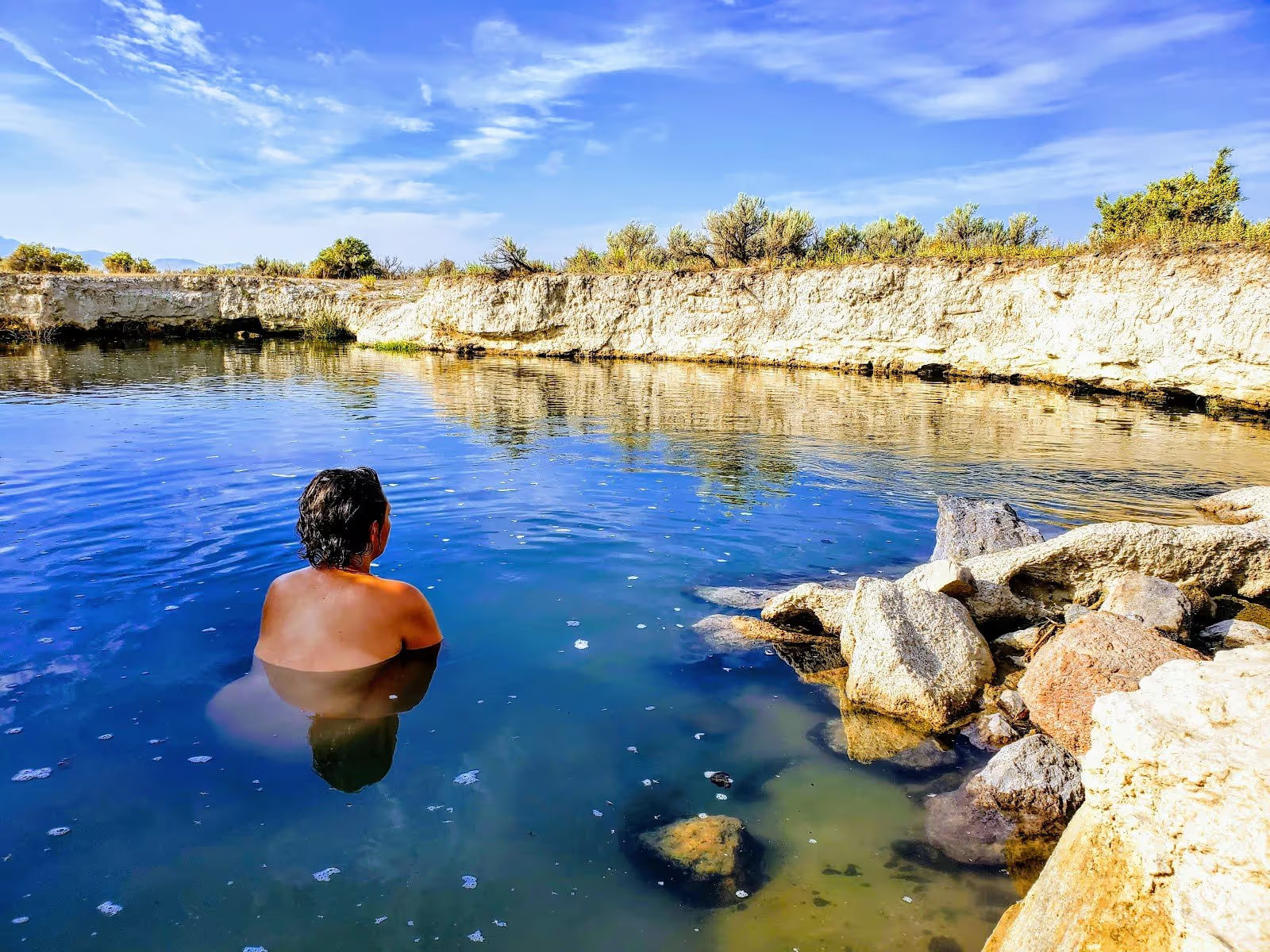
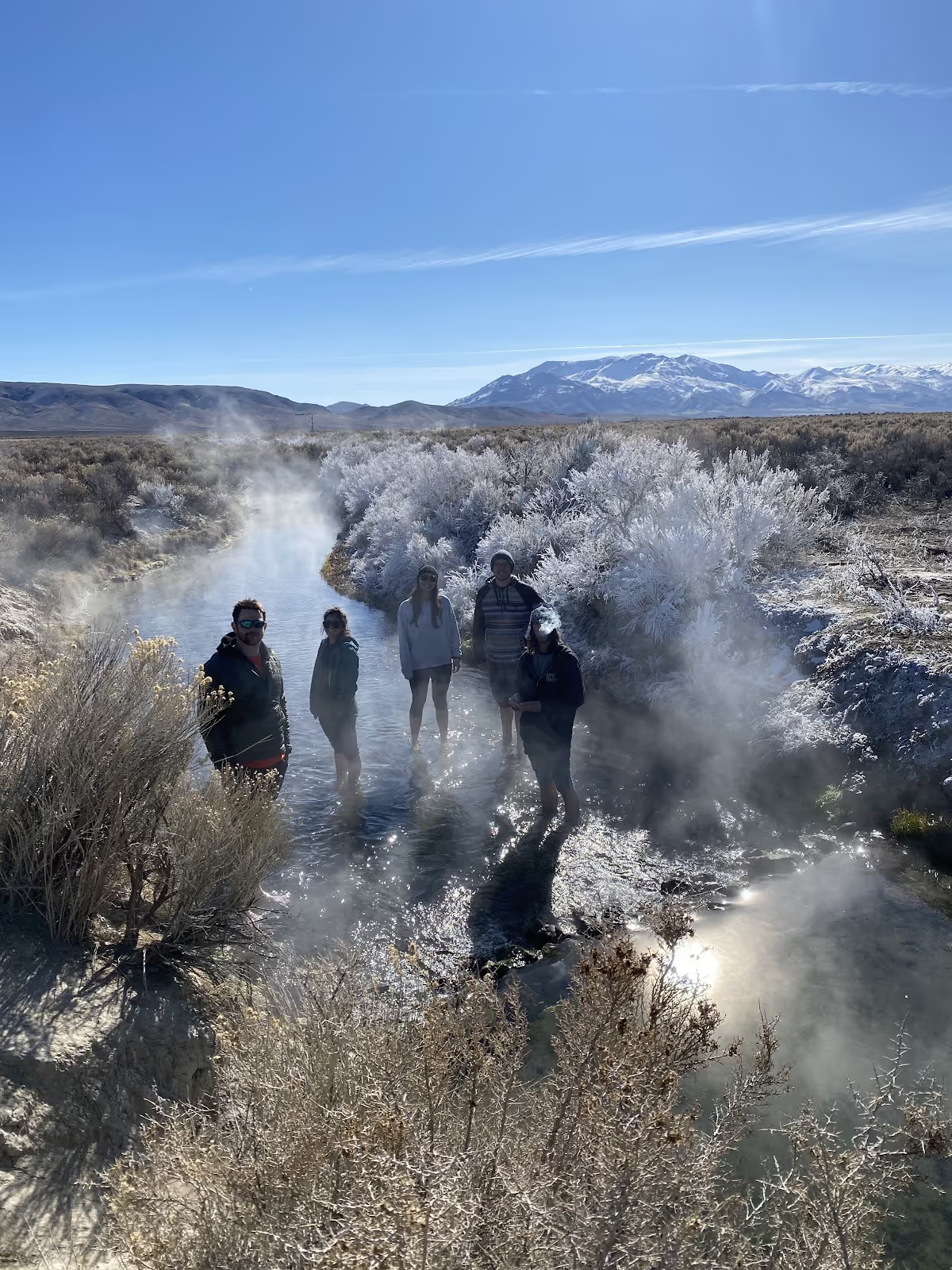
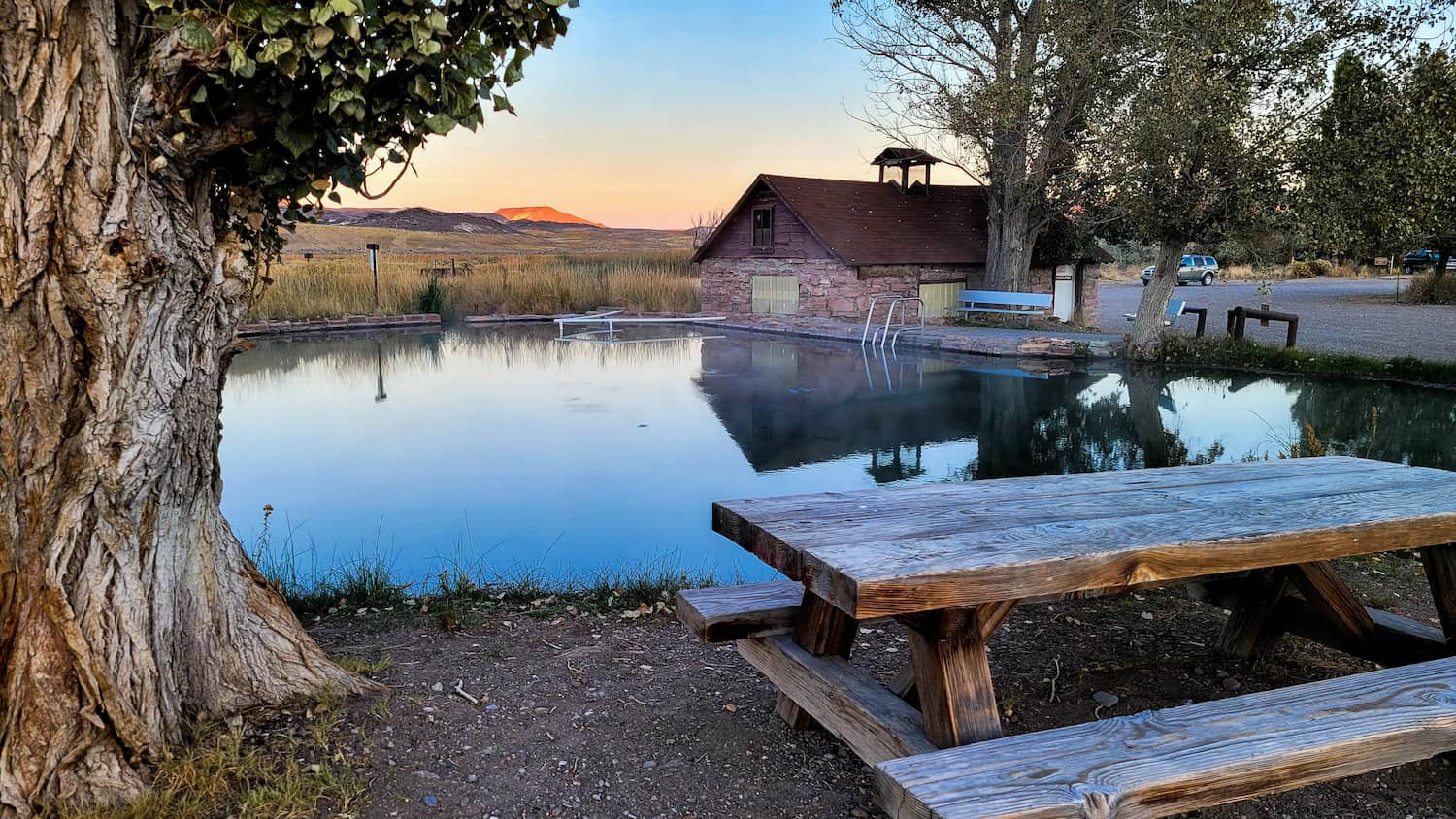
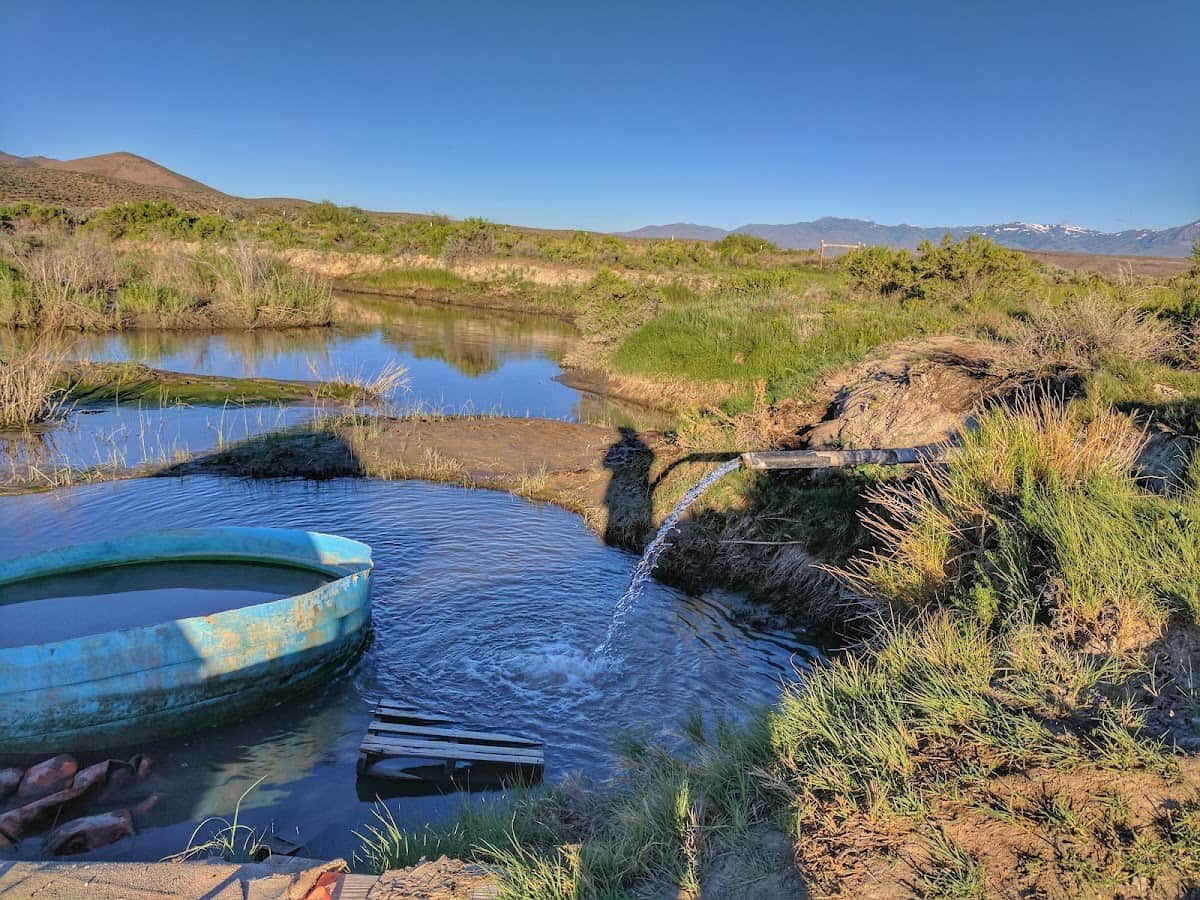
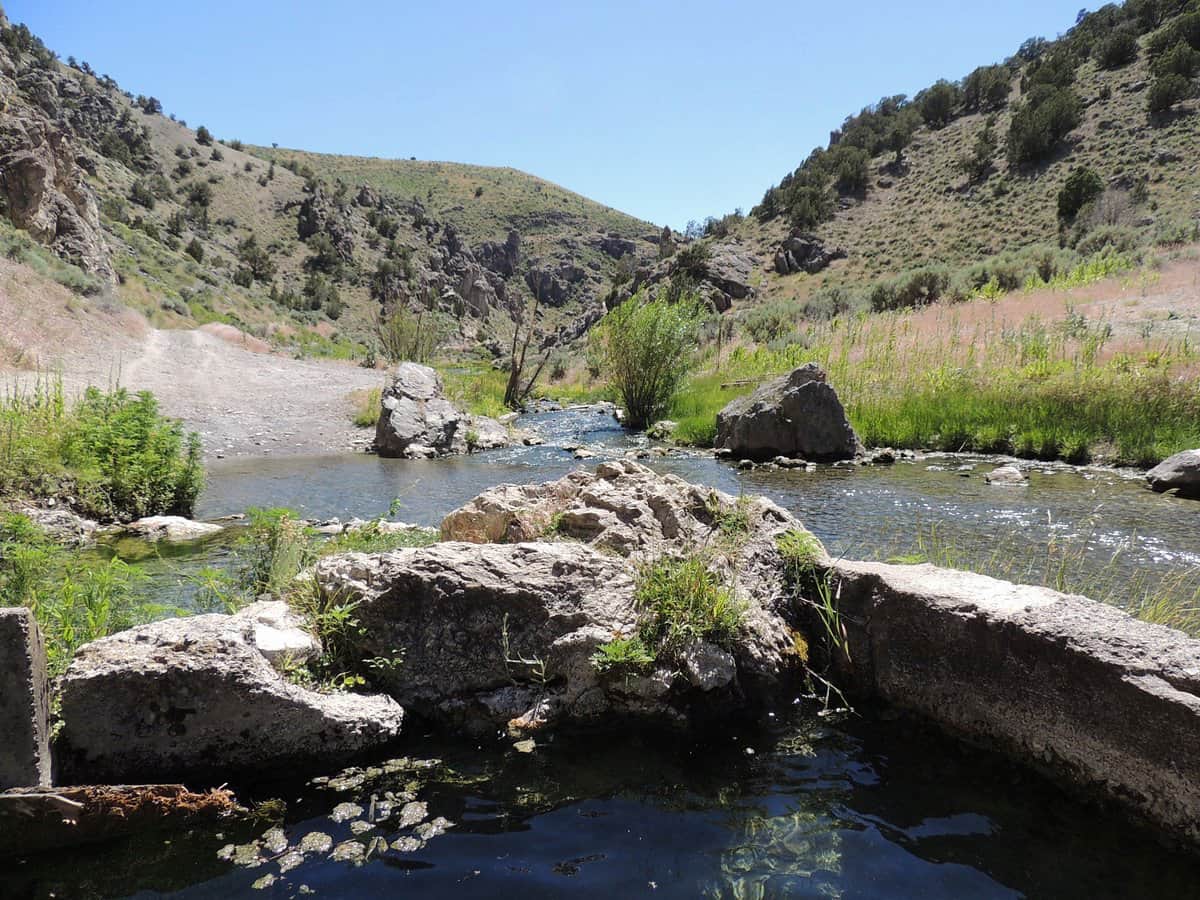
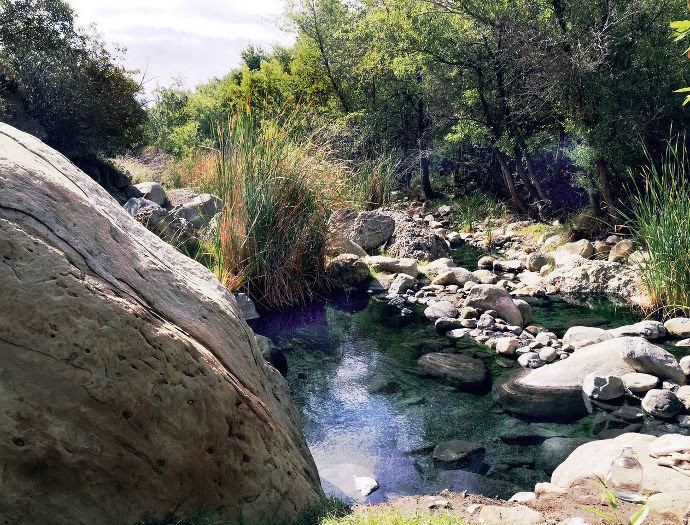
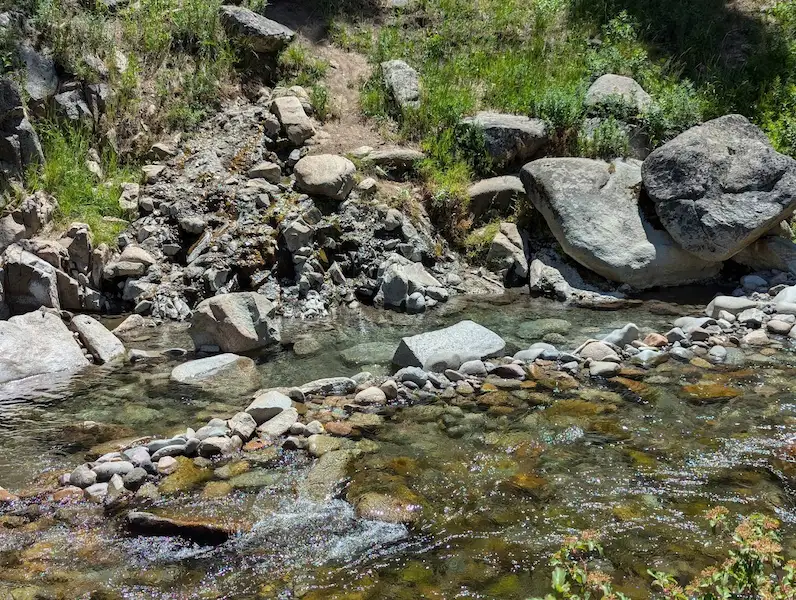
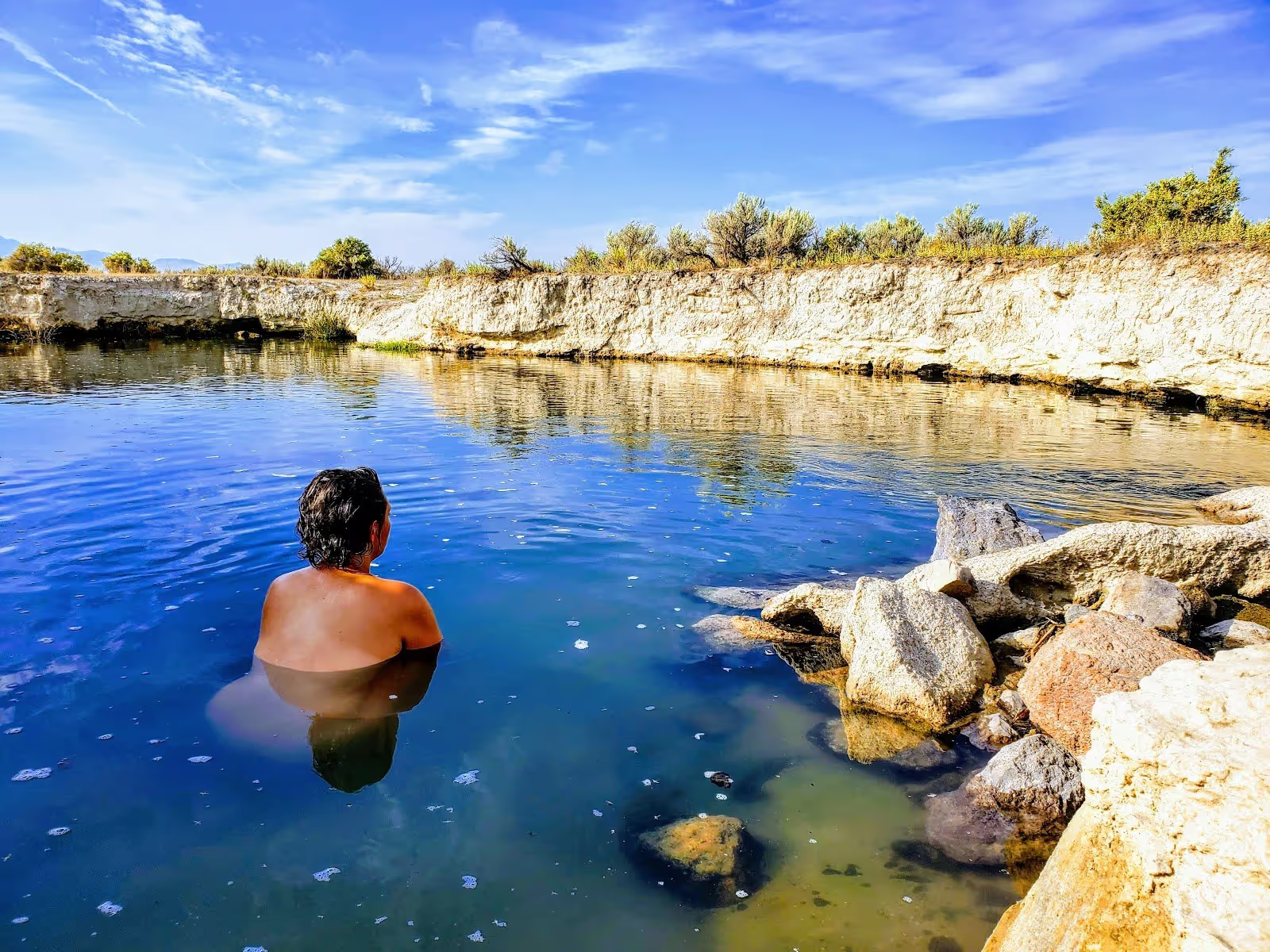
Bog Hot Springs, Nevada is a free, undeveloped geothermal spring on private ranch land in Bog Hot Valley, Humboldt County, approximately 110 miles northwest of Winnemucca near the Oregon border. The spring emerges at around 130 degrees Fahrenheit and flows into a man-made irrigation ditch about one mile long, cooling gradually as it travels downstream. Multiple small pools and dammed sections along the ditch provide soaking spots at varying temperatures, from scalding near the source to comfortable further downstream. The largest pool is formed by a small dam at the lower end.
The springs sit on a working cattle ranch, which has historically allowed free public access. The ranch uses the geothermal water as a domestic water source and for irrigating hay, so visitors are guests on a working property. There are no facilities, no signage, and no staff on site. The ground around the ditch is marshy and soft underfoot in places. Biting red mites have been reported in the water at certain times of year and are a known nuisance at this site.
The surrounding landscape is remote high desert near the Pueblo Mountains. Natural hot springs in Nevada of this character, flowing as a warm creek rather than pooling as a fixed tub, are rare and give the site a feel distinct from most soaking spots in the state.
Location & Access
Directions to the Springs
The springs are reached from Winnemucca by driving northwest on Highway 95, then turning west onto Highway 140 toward Denio. From Denio Junction, continue on Highway 140 for about 9 miles to Bog Hot Road between mileposts 74 and 75. Turn right onto the unpaved Bog Hot Spring Road and drive approximately 3.5 miles past Bog Ranch and the reservoir, then continue 0.7 miles and keep left for the final 0.2 miles to the parking area. The total drive from Winnemucca is about 111 miles and takes approximately 2 hours.
The access road is passable by most vehicles in dry conditions as it is a wide flat dirt road. After rain or snow it can become muddy, particularly near the springs where the ground is more saturated. High-clearance vehicles are recommended outside summer. There is no cell service along the route. Download offline maps before leaving Winnemucca or Denio. Denio Junction, about 16 miles from the springs, has basic supplies and fuel.
For visitors searching for natural hot springs near Winnemucca Nevada, this is one of the most accessible undeveloped options in the region despite the long drive. The springs are open year-round, dispersed camping near the site is permitted, and no permit or entry fee is required.
Suitability & Accessibility
Who Can Visit
The springs suit self-sufficient visitors comfortable with a remote and undeveloped site. They are best suited to experienced outdoor visitors and road trippers who enjoy the unusual experience of a flowing hot creek rather than a fixed soaking tub. The flat terrain and short walk from the parking area make the site physically accessible to most adults in reasonable health, and the wide dirt road means no hiking gear is required to reach it.
Families can visit, though the variable water temperatures along the ditch require careful testing before entering. The source end is scalding and must not be approached for soaking. Young children should be kept well away from the upper portion of the creek. The ground around the ditch is marshy and uneven in places, making footing unpredictable. Water shoes or boots are more practical than bare feet.
For those seeking natural hot springs in Nevada with a remote and distinctive character, this site is consistently noted as one of the more unusual experiences in the state. The site is clothing optional. There is no wheelchair-accessible infrastructure. The approach from the parking area involves uneven ground and marsh terrain. The site is best visited in spring or fall when temperatures are moderate, as summer days in this part of the high desert can be very hot and horse flies are more active during warm months.
Safety & Etiquette
Bog Hot Springs Safety Tips
The site requires careful temperature awareness before entering any section of the ditch. The source water emerges at around 130 degrees Fahrenheit, which is hot enough to cause severe scalding within seconds. Do not enter or approach the upper portion of the ditch near the source. Move downstream and test the water by hand before wading in, working further down until you find a comfortable temperature. In April 2016, two people were found dead at this site and high water temperature was identified as a possible contributing factor. Always test before entering and never assume any section is safe based on appearance.
Biting red mites, sometimes called harvest bugs or duck mites, have been reported in the water, particularly near pools with natural grass edges. These mites can cause itchy bites that persist for days. If mites are visible as a fine red film at the pool edges, soaking in that section is not advisable. Insect repellent does not reliably prevent bites in the water.
The remote location means emergency response would take a very long time. There is no cell service at the site. Rattlesnakes are present in this part of Nevada, particularly in warmer months - watch where you step and where you place your hands. Bring more water than you think you need, as the drive is long and the closest services are in Denio Junction about 16 miles away. Dispersed camping is permitted near the site. Fire restrictions vary by season; check current BLM conditions before an overnight visit. Horse flies can be aggressive during summer afternoons, and the site is best visited early in the morning during warm months.