
Quick FactsOverview
About Boy Scout Hot Springs
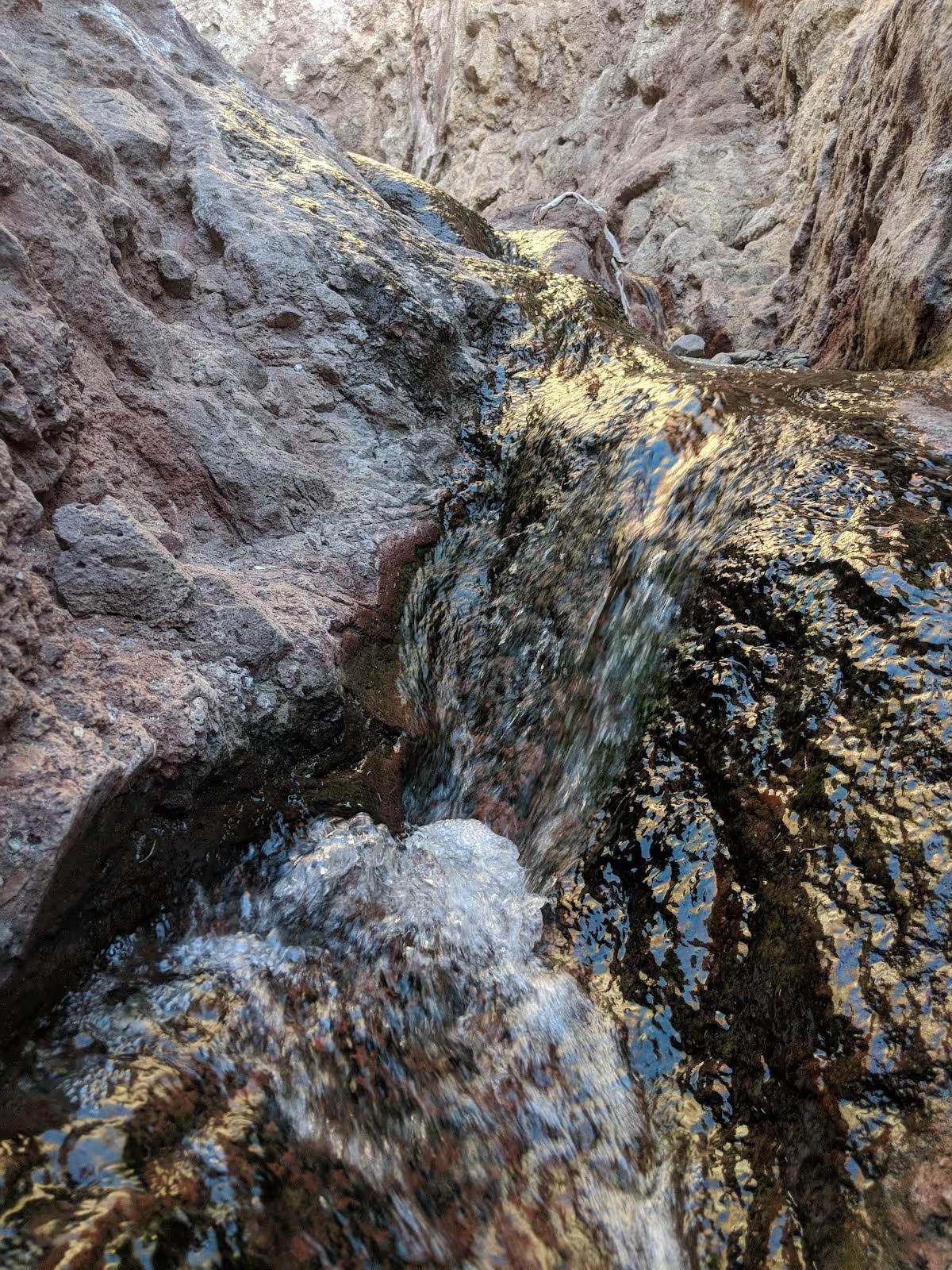
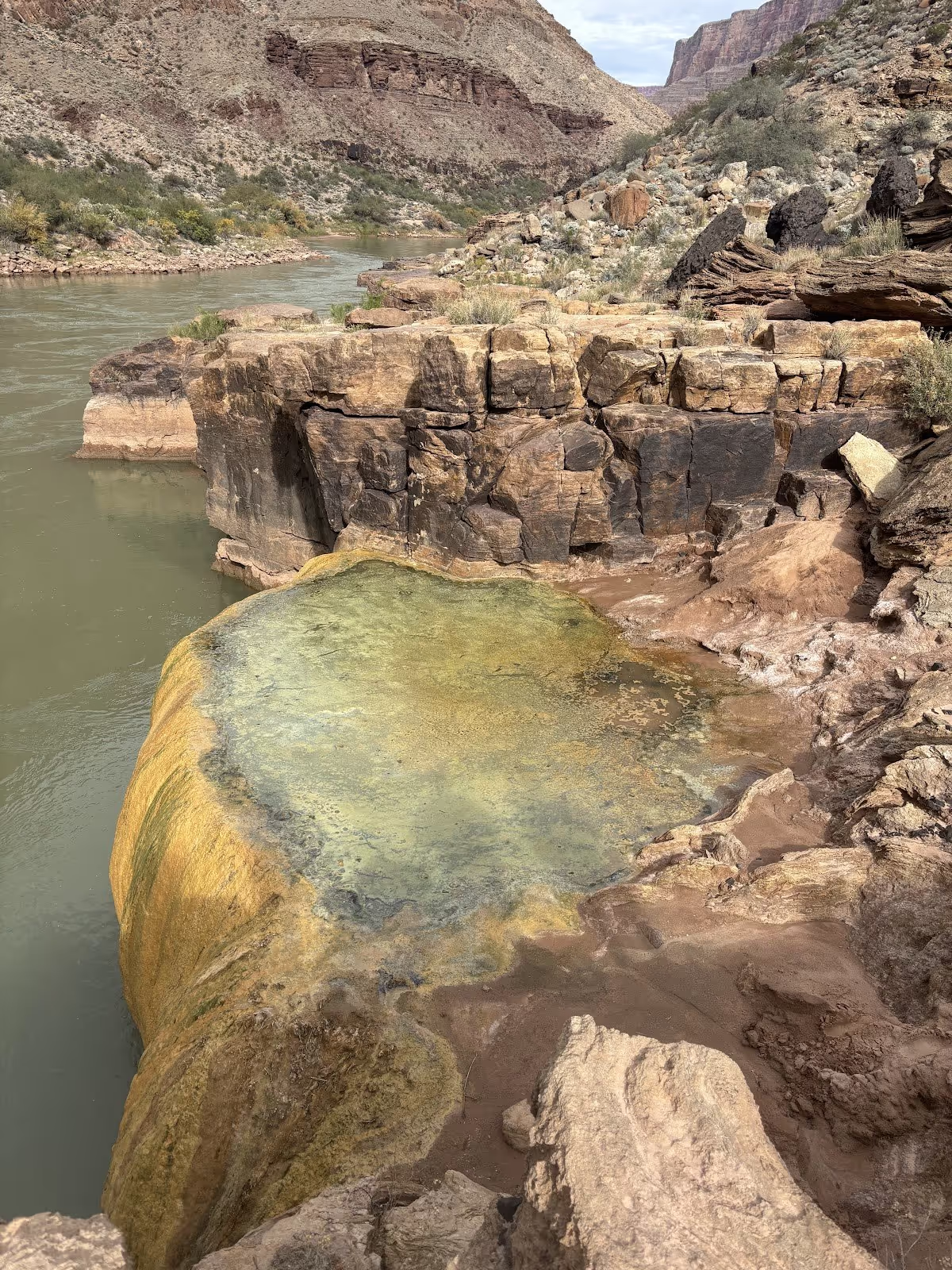
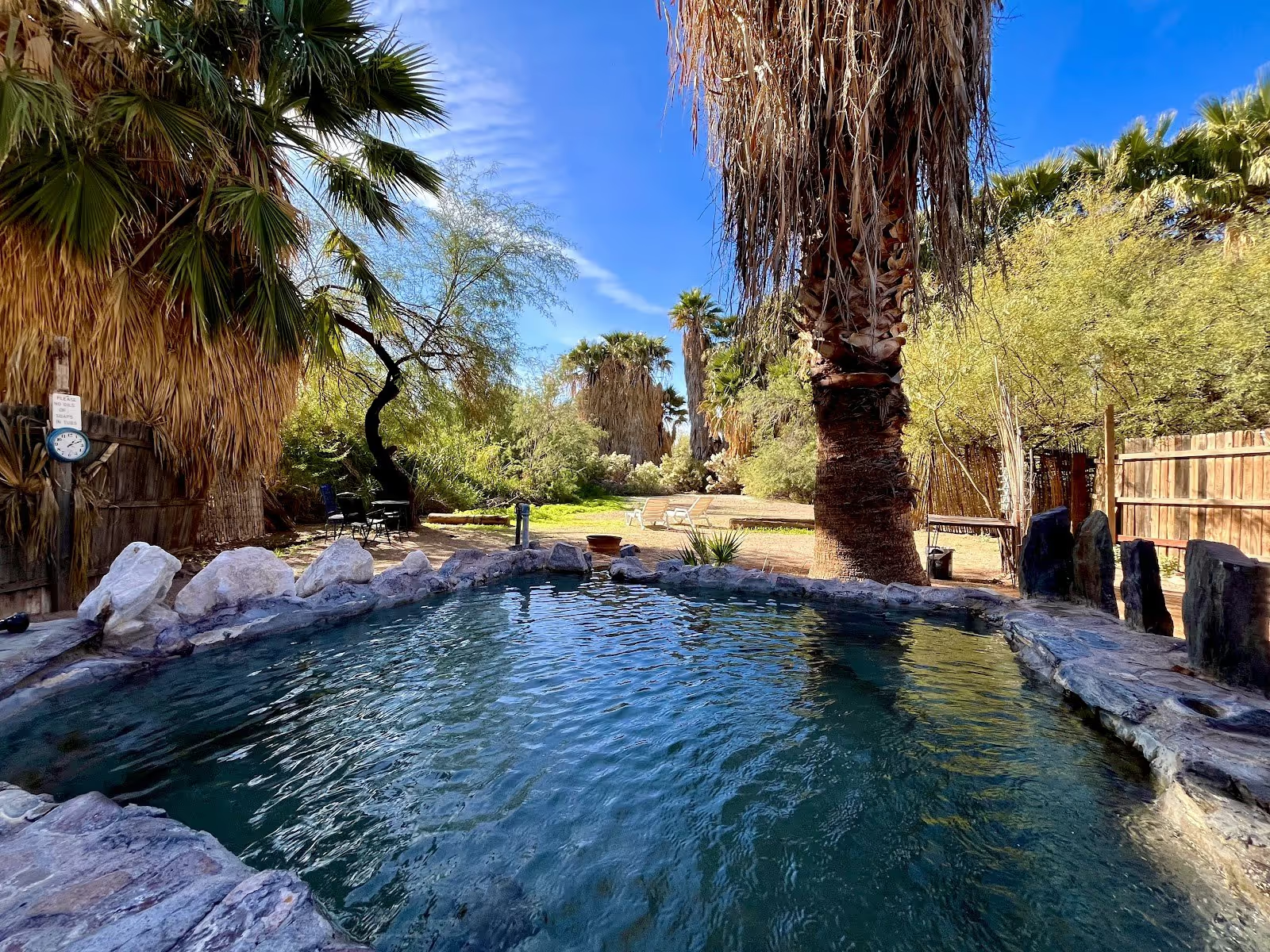
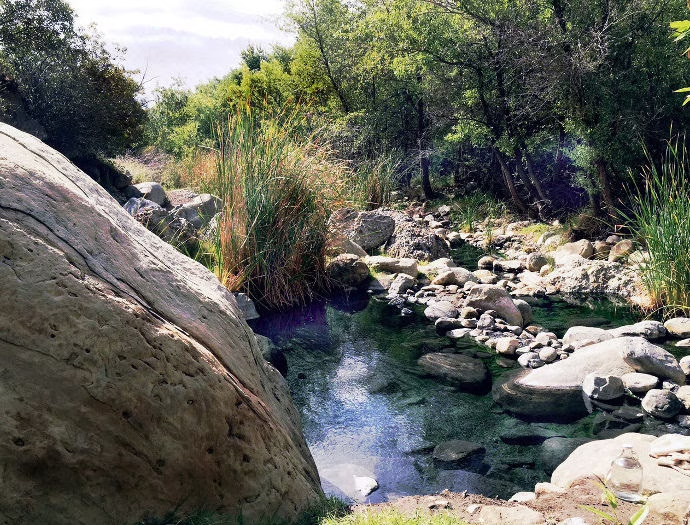
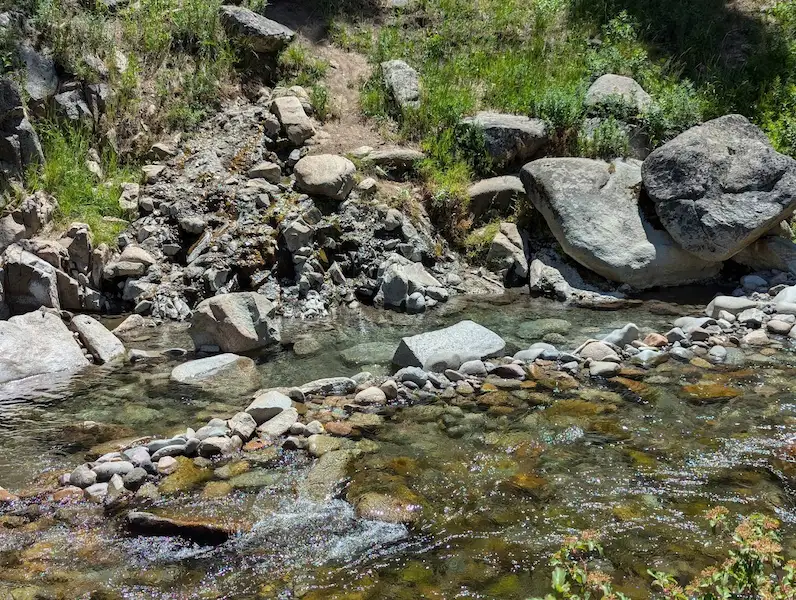
Boy Scout Hot Springs, Arizona is a free, undeveloped geothermal spring located inside Black Canyon along the Colorado River, near the Arizona-Nevada border within Lake Mead National Recreation Area. The pools form where geothermal water seeps through the canyon walls into a series of shallow rock basins set against the vertical dark volcanic rock of the canyon floor. The source water is very hot, and the pools are moderated by mixing with ambient air and cooler seeps before soaking temperatures are reached.
The spring sits on the Arizona side of the Colorado River, which is the reason it carries an Arizona designation despite being accessed most commonly from the Nevada side of Hoover Dam. It is one of several natural hot springs that line this stretch of the Black Canyon water corridor, a region known among paddlers and hikers as one of the most concentrated geothermal soaking areas in the American Southwest. Unlike the better-known Arizona Hot Springs (Ringbolt) a short distance away, Boy Scout tends to draw fewer visitors, making it a quieter option for those seeking natural hot springs in Arizona without the crowd levels common at its neighbors.
The canyon walls rise steeply on both sides, creating a sheltered, dramatic landscape. There is no developed infrastructure at the spring itself: no changing rooms, no toilets at the spring, no signage, and no staff. The experience is entirely self-guided and wild in character. Visitors who arrive by water will beach their craft on a small shore before scrambling up the canyon to reach the pools.
Location & Access
Getting to Boy Scout Hot Springs
Boy Scout Hot Springs is reached either by paddling downstream along the Colorado River from the Hoover Dam put-in on the Nevada side, or by a demanding backcountry hike from a trailhead off Highway 93 near Boulder City, Nevada. The water-based approach is generally considered the more practical route: paddlers launch from the put-in below Hoover Dam and travel downstream along the Arizona shoreline, watching for the canyon entrance on the eastern bank at approximately GPS coordinates 35.9603, -114.7200.
The overland hike to the spring is strenuous and technical. From the trailhead, the route descends into the canyon wash and involves scrambling over slick, algae-covered rock surfaces, navigating dry falls, and using fixed ropes at multiple points to descend steep sections. Trail conditions are highly variable. The total out-and-back distance by land is approximately 5 miles, but the technical nature of the terrain means this hike takes considerably longer than the mileage alone suggests. This route is not suitable for casual hikers or those without scrambling experience.
The spring sits within Lake Mead National Recreation Area. A recreation use pass is required for entry to the park. Passes can be purchased at entrance stations or online through the National Park Service. Visitors should confirm current trail and water conditions with the NPS before setting out, as water levels on the Colorado River and seasonal flood risk in the wash can affect both access routes. For those looking for hot springs near Boulder City accessible by water, the paddle approach is the more reliable option year-round, weather permitting.
Suitability & Accessibility
Who Should Visit Boy Scout Hot Springs
Boy Scout Hot Springs suits experienced outdoor visitors who are comfortable with either technical backcountry hiking or paddle-based river access, as neither route is straightforward for beginners. The land-based approach involves Class 4 scrambling, fixed ropes, and wet, slippery rock, which makes it unsuitable for children, visitors with limited mobility, or anyone without prior scrambling experience. The water access route is more approachable for competent paddlers, though open-water conditions on the Colorado River below Hoover Dam require basic river and current awareness.
The site is not wheelchair accessible. There are no paved or even graded paths leading to the pools, and the canyon approach over wet rock would be impassable for anyone with significant mobility limitations. Families with young children are not well served here: the technical access, the remoteness of the location, the heat risk in warmer months, and the absence of any facilities make this a poor choice for those travelling with young or inexperienced companions.
For experienced scramblers and paddlers seeking natural hot springs in Arizona in a genuinely remote desert canyon setting, Boy Scout offers a rewarding experience that differs significantly from any developed spa or resort. Clothing is optional at the site, which is consistent with the clothing-optional tradition common to wild hot springs in Arizona and the wider Southwest. Soaking is not recommended in summer due to extreme ambient temperatures that can reach or exceed 115 degrees Fahrenheit in the canyon.
Safety & Etiquette
Safety at Boy Scout Hot Springs
Boy Scout Hot Springs is a remote area with natural hazards, and visitors should treat it accordingly with careful preparation before setting out. The primary safety considerations are the technical terrain on the overland route, flash flood risk inside the canyon wash, extreme summer heat in the surrounding desert, and a documented risk of Naegleria fowleri, a rare waterborne organism found in warm freshwater environments. The NPS and public health guidance consistently advise visitors not to submerge their heads in any geothermal hot spring, including this one, as nasal exposure is the route of infection for this organism. This guidance applies to all natural hot springs in the region.
Flash floods are a serious hazard in the canyon wash. The narrow canyon amplifies the speed and force of any water moving through it, and storms can occur far from the canyon without being visible to visitors inside it. Always check the National Weather Service forecast for the region before entering any slot canyon. Do not enter the canyon if rain is forecast anywhere upstream.
Heat exhaustion and heat stroke are significant risks from late spring through early fall. The NPS restricts hiking in the Black Canyon area during the hottest months. Carry more water than you expect to need. The recommended season for visiting is late fall through early spring. The source water at Boy Scout can be very hot and should be tested before entering. Allow pools to moderate to a comfortable temperature before soaking, and limit individual soak sessions to avoid overheating. Leave the site as you found it, pack out all waste, and do not disturb or alter the sandbag structures in or around the pools.