Quick FactsOverview
About Bumpass Hell Trail
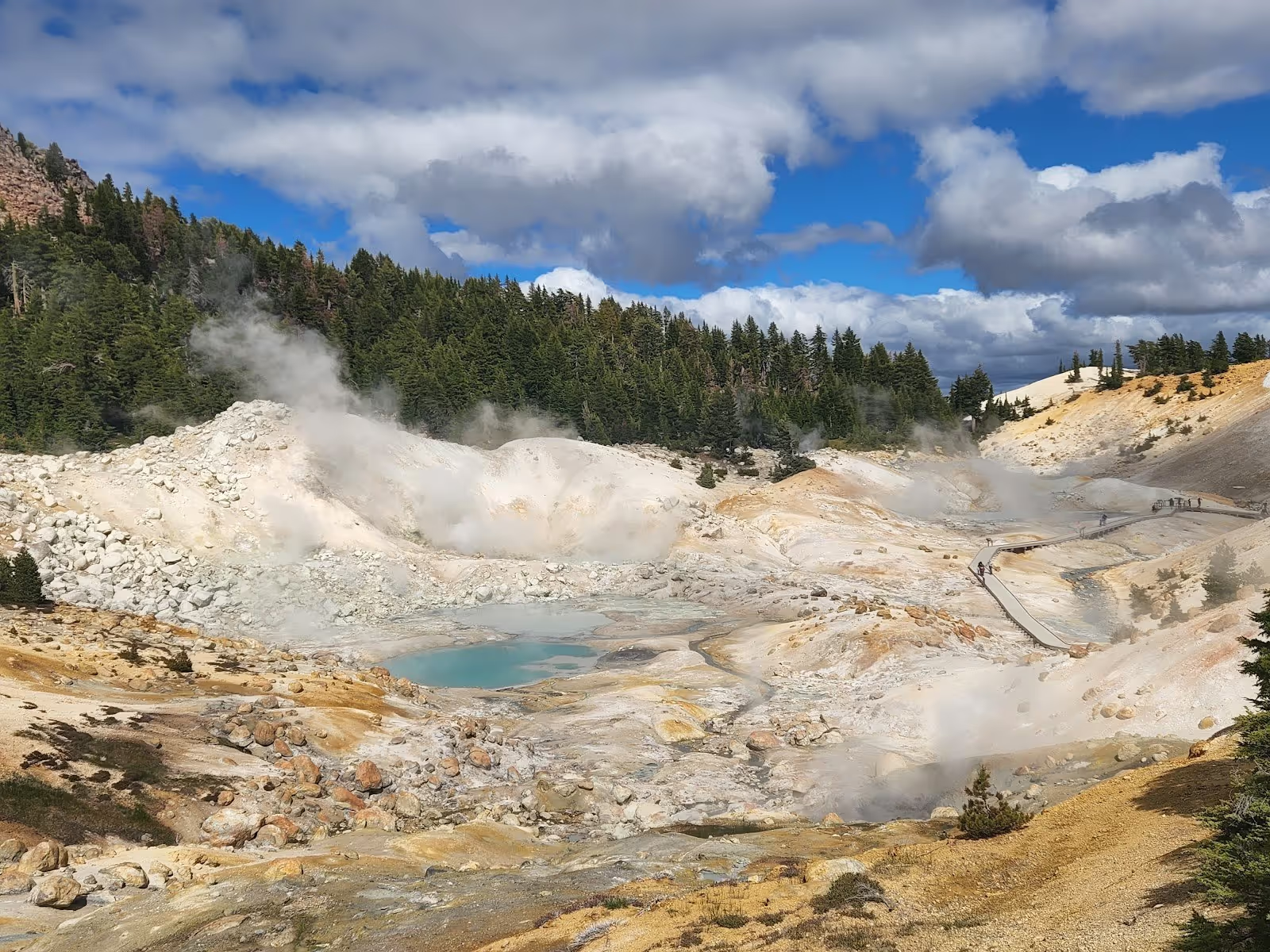
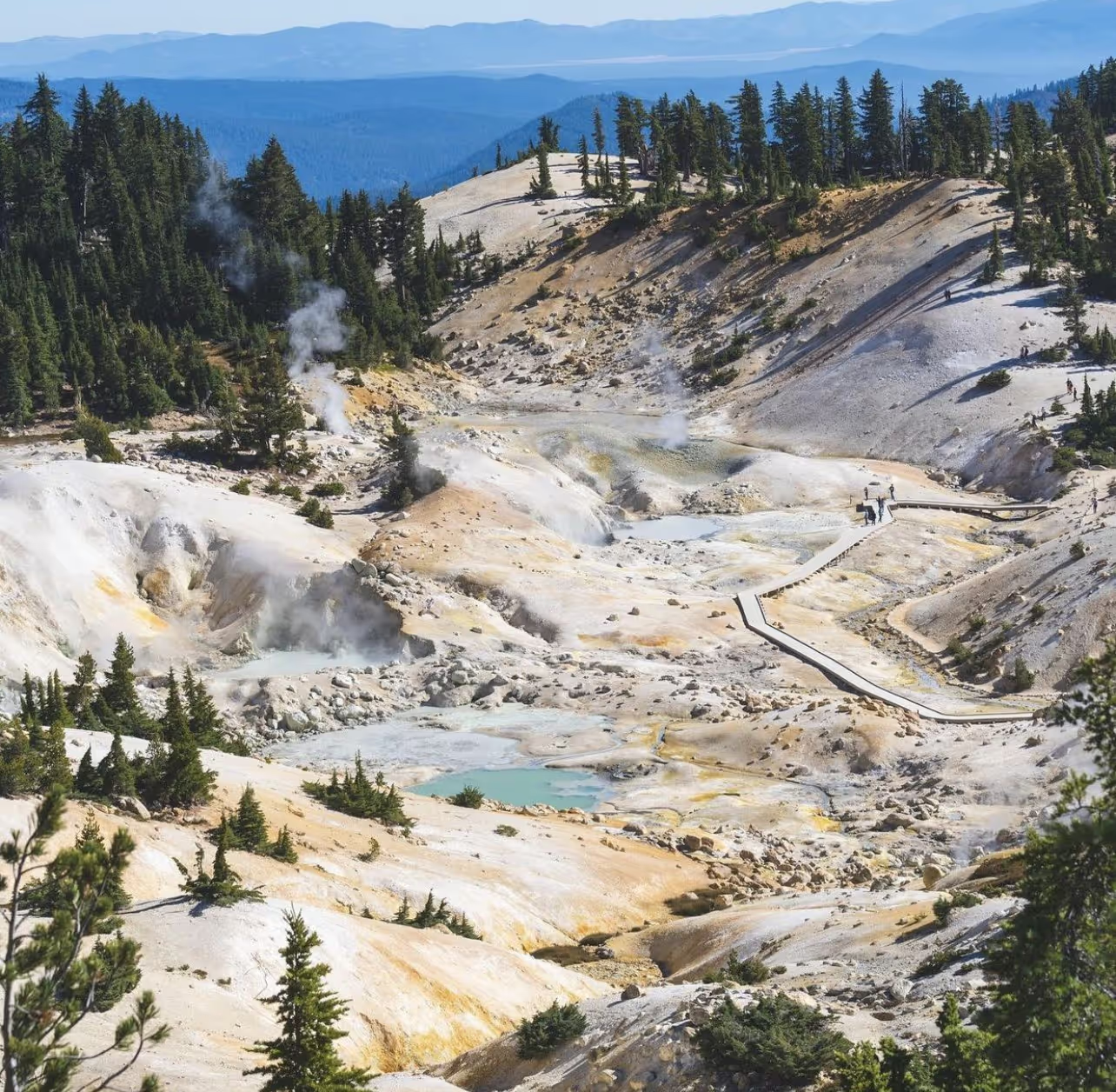
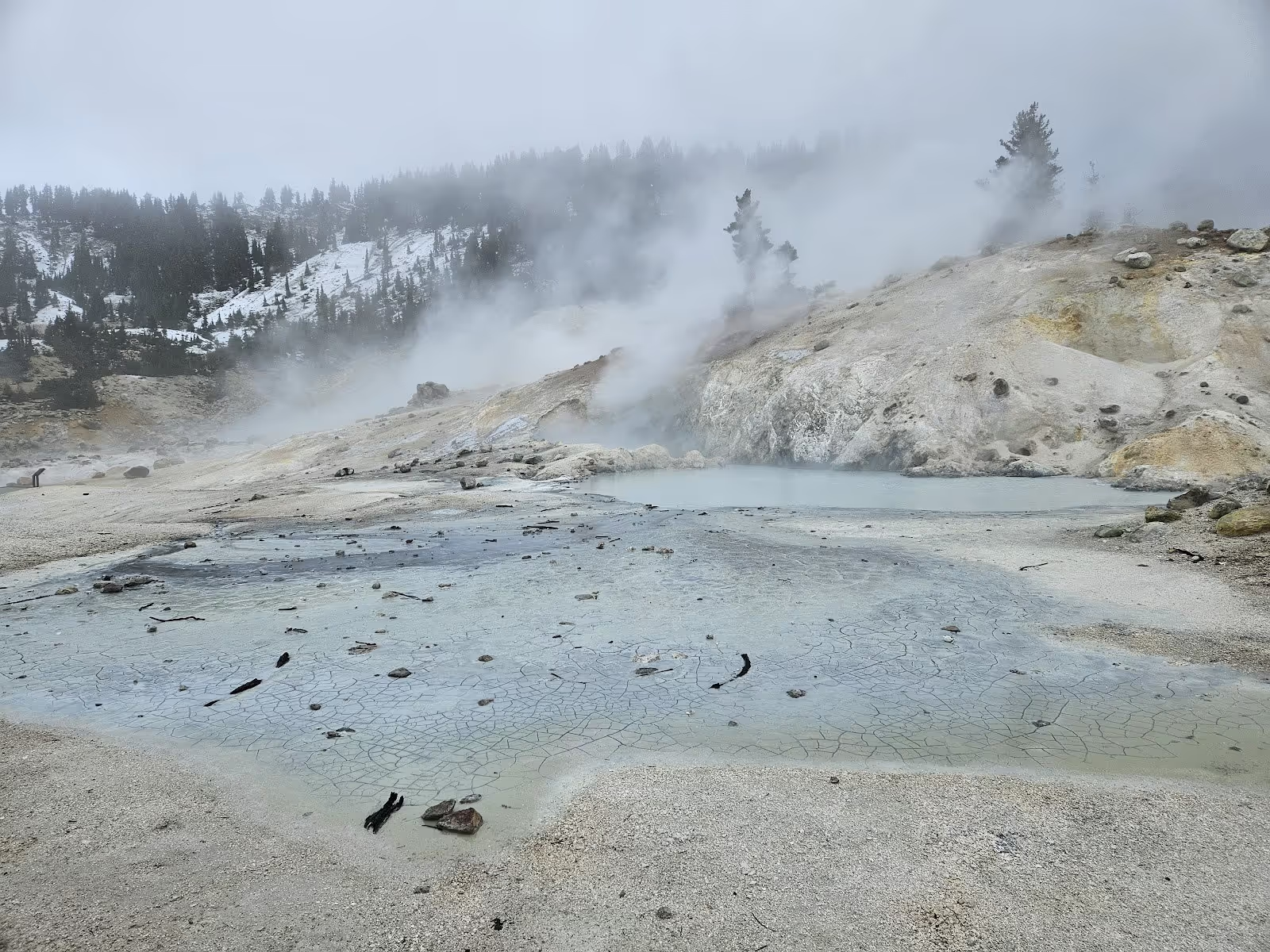
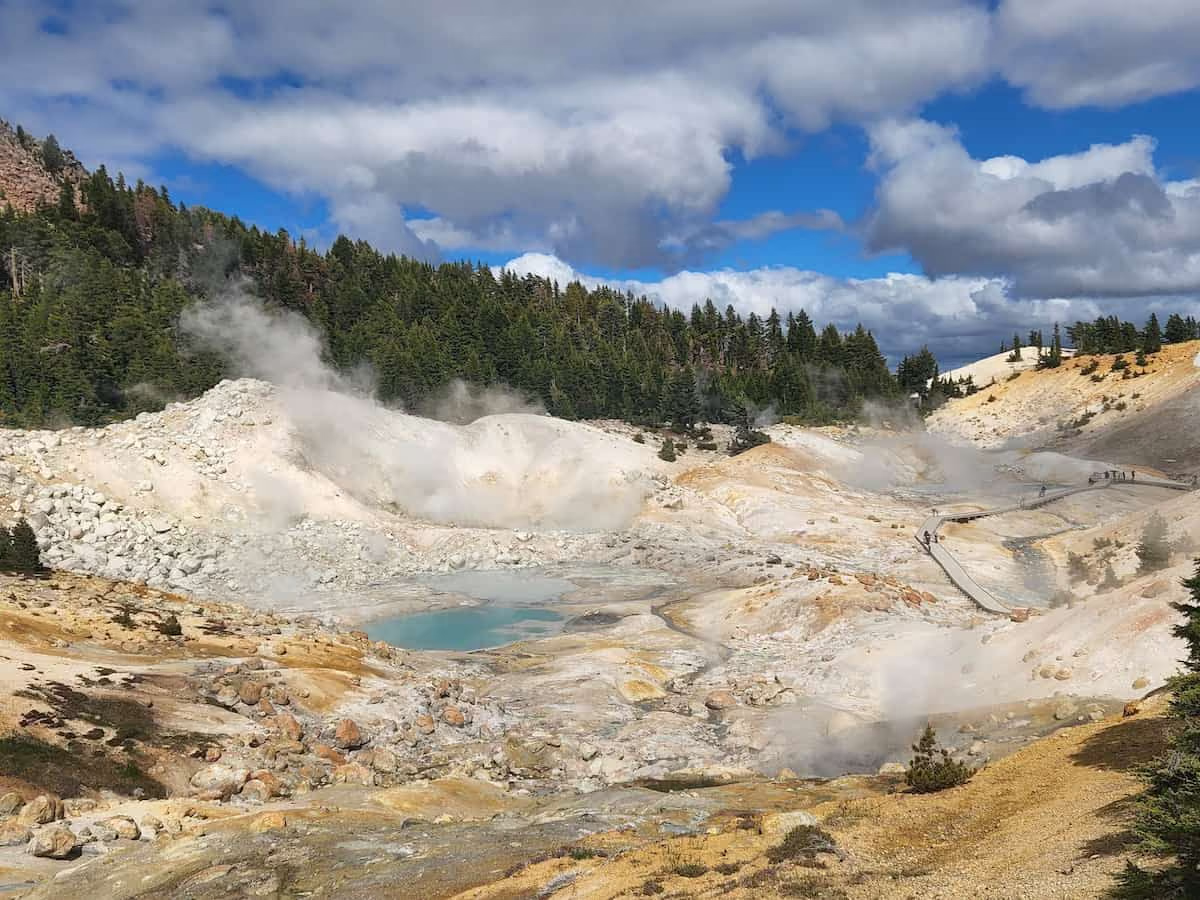
Bumpass Hell Trail, California is a paid seasonal hiking trail in Lassen Volcanic National Park leading to the largest hydrothermal area in the park. The three-mile round-trip trail begins at the Bumpass Hell parking area, 7 miles from the Southwest Entrance, and descends into a volcanic basin containing boiling pools, steaming fumaroles, and bubbling mud pots. A national park entrance fee is required; there is no separate charge for the trail itself.
The trail is open approximately from early July through October and is closed throughout spring due to heavy snowpack at the 8,200-foot elevation. The hydrothermal basin is accessible via a boardwalk with interpretive signs explaining the geology. The first mile of the trail is a gradual climb on packed gravel four feet wide; the final half mile descends 300 feet into the basin on narrower, steeper terrain. Vault toilets are available at the trailhead only.
Bumpass Hell is one of the most visited geothermal display areas in California and is frequently compared to features found in Yellowstone. Soaking in the pools is not permitted and is dangerous due to the acidic and scalding nature of the water. The boardwalk allows safe, close-up viewing of the natural hot springs in California's most active volcanic national park.
Location & Access
Getting to Bumpass Hell Trail
Bumpass Hell Trail begins at the Bumpass Hell parking area on Lassen Volcanic National Park Highway, approximately 7 miles north of the Southwest Entrance to Lassen Volcanic National Park. From the south, the park is reached via Highway 36 east from Red Bluff to Highway 89, or via Highway 44 west from Redding. The drive from Redding takes approximately one hour and 40 minutes to the Southwest Entrance.
The park highway closes to vehicle traffic between approximately November and May each year. When the road is open, the drive to the Bumpass Hell parking area from the Southwest Entrance takes about 15 minutes. The parking area fills quickly on summer weekends, often by mid-morning. Early arrival before 9am is strongly recommended on weekends. There are no reservations for park entrance or trail access.
For visitors looking for natural hot springs in California within a national park setting, Bumpass Hell is the primary destination at Lassen Volcanic. The drive from Sacramento is approximately 3 hours. The nearest town with full services is Chester, approximately 30 miles southeast on Highway 36. Overnight accommodations are available at campgrounds within the park and at lodges in the surrounding national forest.
Suitability & Accessibility
Who Should Visit Bumpass Hell Trail
Bumpass Hell Trail suits visitors of most fitness levels comfortable with a moderate 3-mile round-trip hike at high elevation. The NPS describes the hike as accessible to visitors of all ages, noting that hikers aged 5 and older can typically complete the first mile, though younger children may need assistance on the steeper 300-foot descent into the basin. The 8,200-foot elevation means visitors not acclimated to altitude should pace themselves on the uphill return.
The trail is not wheelchair accessible. The descent into the basin involves rocky, steep sections not suitable for wheelchairs or mobility aids. Visitors with significant mobility limitations may prefer Sulphur Works, a paved geothermal trail near the Southwest Entrance that is wheelchair accessible and much shorter. Pets are not permitted on any park trails, including Bumpass Hell.
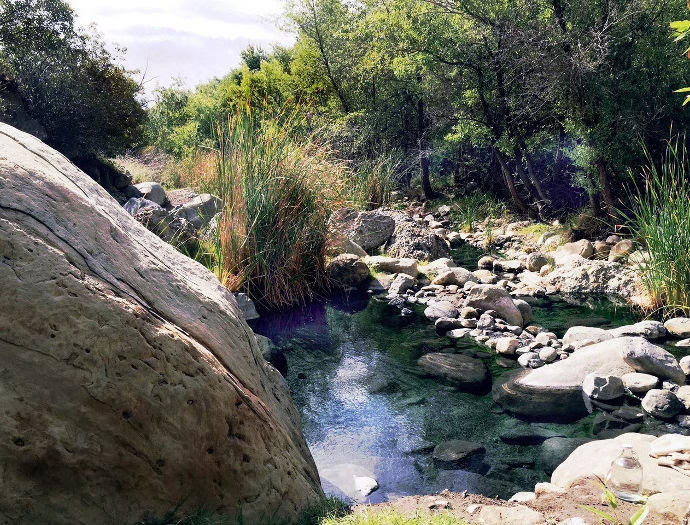
Families will find the hydrothermal basin dramatic and educational, with interpretive signs throughout the boardwalk. Those seeking natural hot springs in California in a protected wilderness setting will find Bumpass Hell one of the most visually striking geothermal areas accessible by trail in the state. This is a viewing experience, not a soaking one. The basin contains boiling, acidic water and soaking is not permitted under any circumstances.
Safety & Etiquette
Safety at Bumpass Hell Trail
Bumpass Hell Trail is a remote area with significant natural hazards. The hydrothermal features contain boiling, acidic water that can cause severe burns and chemical injury on contact. The ground in and around the basin can appear solid but may be a thin crust concealing scalding water or mud beneath the surface. Visitors must stay on the boardwalk and marked trails at all times. Off-trail travel in or around the hydrothermal area is extremely dangerous and has resulted in serious injuries.
The high elevation of 8,200 feet introduces additional hazards. Altitude-related symptoms are possible for visitors arriving from lower elevations. The trail has limited shade and sun exposure is significant in summer. Visitors should carry water, wear sun protection, and use footwear with good tread and ankle support. Trekking poles are recommended for the descent into and climb out of the basin, as knee and ankle injuries are the most common visitor injuries on this trail.
Winter conditions can persist on the trail even after it opens, with ice and snow in shaded sections through July in some years. The trail is closed when conditions are hazardous. The park highway closes in winter, making the trailhead unreachable between approximately November and May. Visitors should check current conditions on the NPS website before arriving.
There are vault toilets at the trailhead only. No facilities exist on the trail or in the basin. Cell phone reception is unreliable within the park. In case of emergency, report to park rangers at the visitor center near the Southwest Entrance. Visitors should carry a basic first aid kit and inform someone of their plans before setting out.