Quick FactsOverview
About Chena Hot Springs Resort
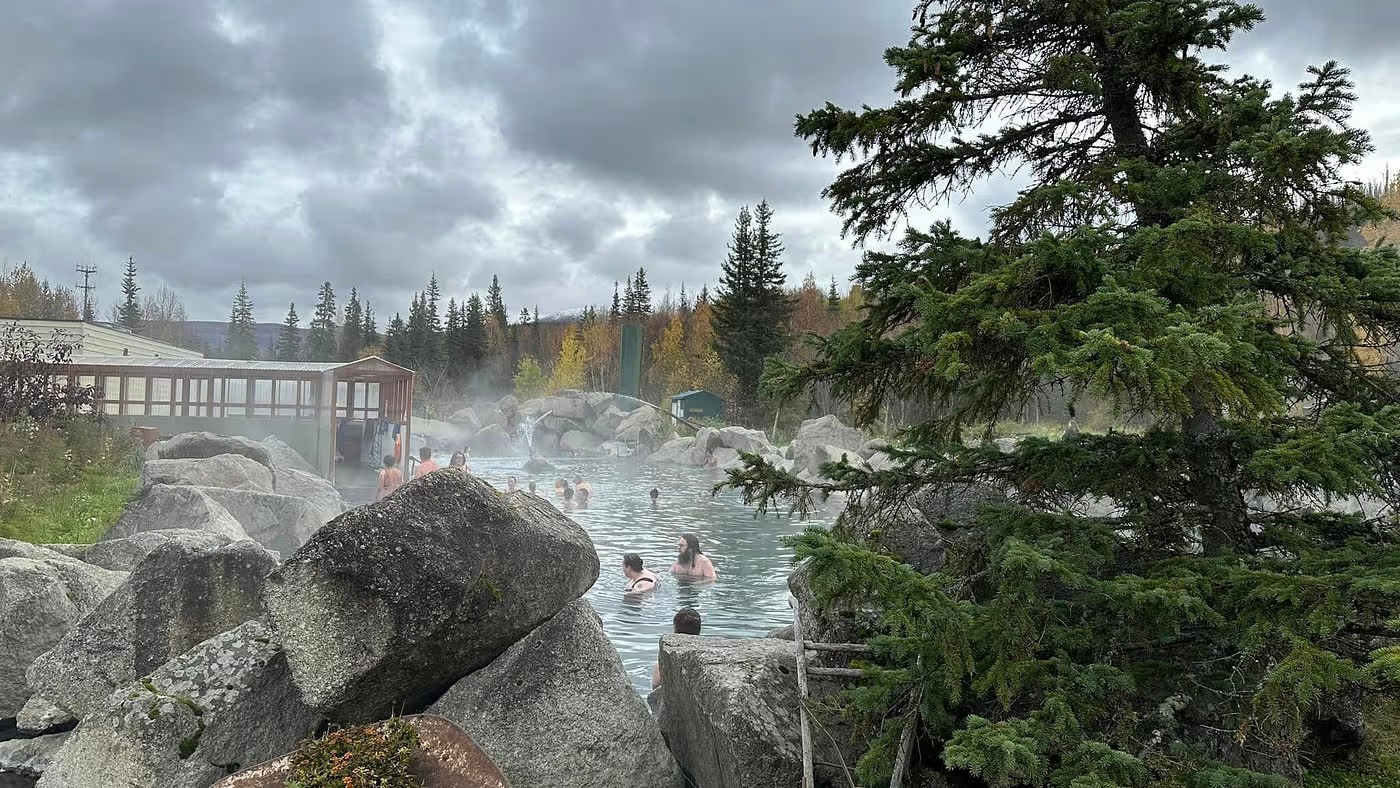
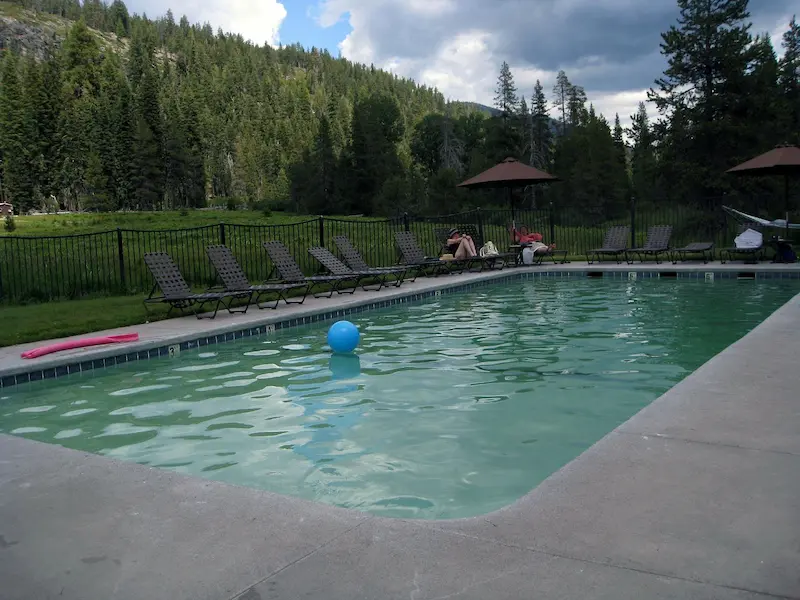
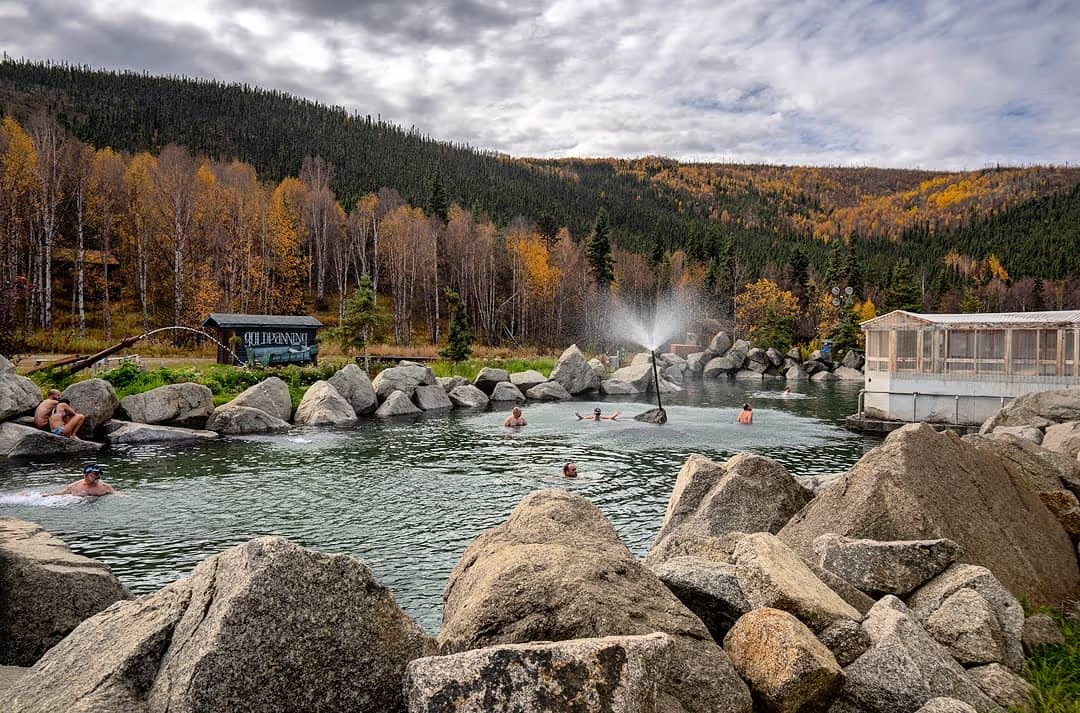
Chena hot springs resort alaska is a full-service geothermal resort located 56 miles northeast of Fairbanks along Chena Hot Springs Road in Alaska's interior. The resort draws mineral-rich geothermal water to the surface at high temperature, feeds it through a cooling process, and delivers it to an outdoor boulder-lined soaking lake, an indoor family swimming pool, and several hot tubs. It is the most developed and visited hot springs destination in the state, open to day visitors and overnight guests throughout the year.
The outdoor Rock Lake is the signature feature of the resort and is reserved for guests 18 and older. The lake is fed by natural geothermal water and sits in open air, making it particularly striking during winter when steam rises against snow-covered trees and, on clear nights, the aurora borealis moves overhead. The indoor heated family pool and hot tubs operate alongside it for younger visitors and those seeking a calmer environment.
Chena Hot Springs was first discovered by gold prospectors in 1905 and became a destination for Interior Alaska residents within a few years. The resort now includes lodging in rooms, cabins, and yurts, a restaurant, a spa, an aurora ice museum, renewable energy tours, dog sledding, and a variety of seasonal activities. It is a practical choice for visitors who want both the soaking experience and a full day or overnight trip without logistical complexity.
Location & Access
Getting to Chena Hot Springs Resort
Chena Hot Springs Resort is reached by road, which makes it one of the most straightforward hot springs destinations in Alaska to access. From Fairbanks, take the Steese Highway east for approximately five miles to the intersection with Chena Hot Springs Road. Follow Chena Hot Springs Road for 56 miles until it ends at the resort. The drive takes just over an hour from central Fairbanks under normal conditions. The road is paved for most of its length and passable year-round, though winter driving requires appropriate tires and preparation.
For visitors without a vehicle, the resort operates a shuttle service departing from Fairbanks. This service runs on scheduled times and includes the pool pass and, depending on the package selected, additional resort experiences. Booking is available through the resort website. The shuttle is a practical option for travelers staying in Fairbanks who prefer not to navigate the drive independently in winter conditions.
The resort address is 17600 Chena Hot Springs Road, Fairbanks, AK 99712. Once on-site, all facilities are within easy walking distance of the main parking area and lodge. Day visitors purchase their pass at the front desk and proceed to the changing facilities before accessing the pools. This is among the hot springs in alaska that requires no prior outdoor experience or special gear for the visit itself, beyond a swimsuit and footwear for walking between facilities.
Suitability & Accessibility
Who Chena Hot Springs Resort Suits Best
Chena Hot Springs Resort suits a wide range of visitors, from solo travelers and couples seeking a relaxing soak to families wanting a full day of activities. The indoor family pool and hot tubs are open to all ages, while the outdoor Rock Lake is restricted to adults 18 and older. Families with children will find the indoor facilities comfortable and well-maintained, and there are enough activities on the grounds to keep younger visitors engaged beyond the pools themselves.
The outdoor Rock Lake is documented as accessible hot springs alaska for guests with mobility needs, with a sloped entry point and assistance available on request. The indoor pool area is also largely flat and accessible. Drive-up access by paved road means that visitors who cannot navigate trails or remote terrain can still enjoy a complete hot springs experience here without compromise or special logistical planning.
Winter visitors in particular find the resort well-suited for an extended stay. Aurora viewing from the outdoor lake is one of the resort's most popular draws, typically running from September through March. Soaking in the outdoor geothermal water while aurora activity fills the sky is an experience that brings repeat visitors from across Alaska and beyond. Summer visits offer long daylight hours, hiking, and access to the full range of outdoor activities the Chena River State Recreation Area provides. Day passes include access to all pools and locker facilities.
Safety & Etiquette
Safety and Etiquette at Chena Hot Springs Resort
Chena Hot Springs Resort is a managed facility with staff on-site at all times, which makes it one of the more controlled hot springs environments in Alaska for visitors without prior outdoor experience. That said, there are still important practices to follow, particularly around the geothermal water itself.
The outdoor Rock Lake varies in temperature across different sections depending on proximity to the geothermal inflow. Move slowly when entering the lake and find a comfortable zone before settling in for an extended soak. Overheating is a real risk in any hot spring, particularly in cold outdoor temperatures when the contrast between warm water and cold air can mask how much heat you are absorbing. Exit the water regularly, stay hydrated, and avoid extended soaking without breaks.
The outdoor lake is restricted to guests 18 and older and swimsuits are required throughout the facility. The indoor family pool and hot tubs are chlorinated, while the outdoor Rock Lake remains natural geothermal water without chemical treatment. Guests with skin sensitivities may wish to rinse thoroughly after using the outdoor lake. Towels are not included in the day pass and must be brought or rented on-site for a small fee. Lockers are available for a nominal charge, and valuables should be secured before entering the pool area.
Noise levels in and around the pools are expected to stay reasonable, as many guests use the facility for quiet relaxation. During peak periods, particularly summer weekends and winter aurora-viewing season, the resort can be busy, and advance booking for day passes is recommended to ensure access. Follow directions from resort staff at all times, particularly regarding pool-specific age restrictions and any temporary closures.