Quick FactsOverview
About Deep Creek Hot Springs
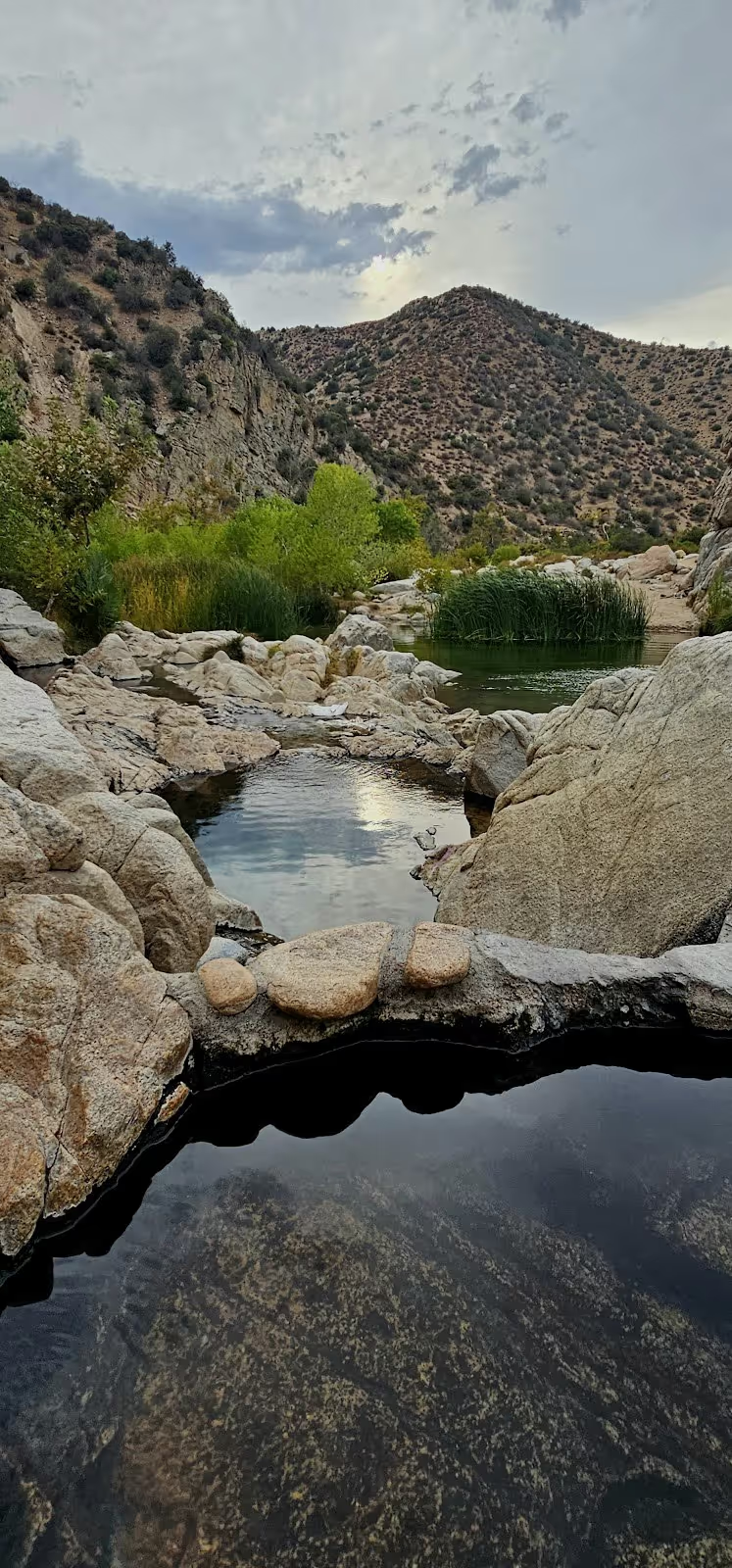
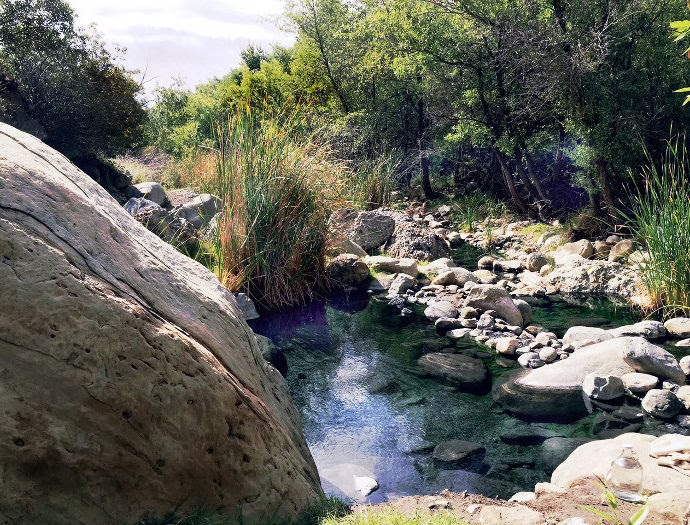
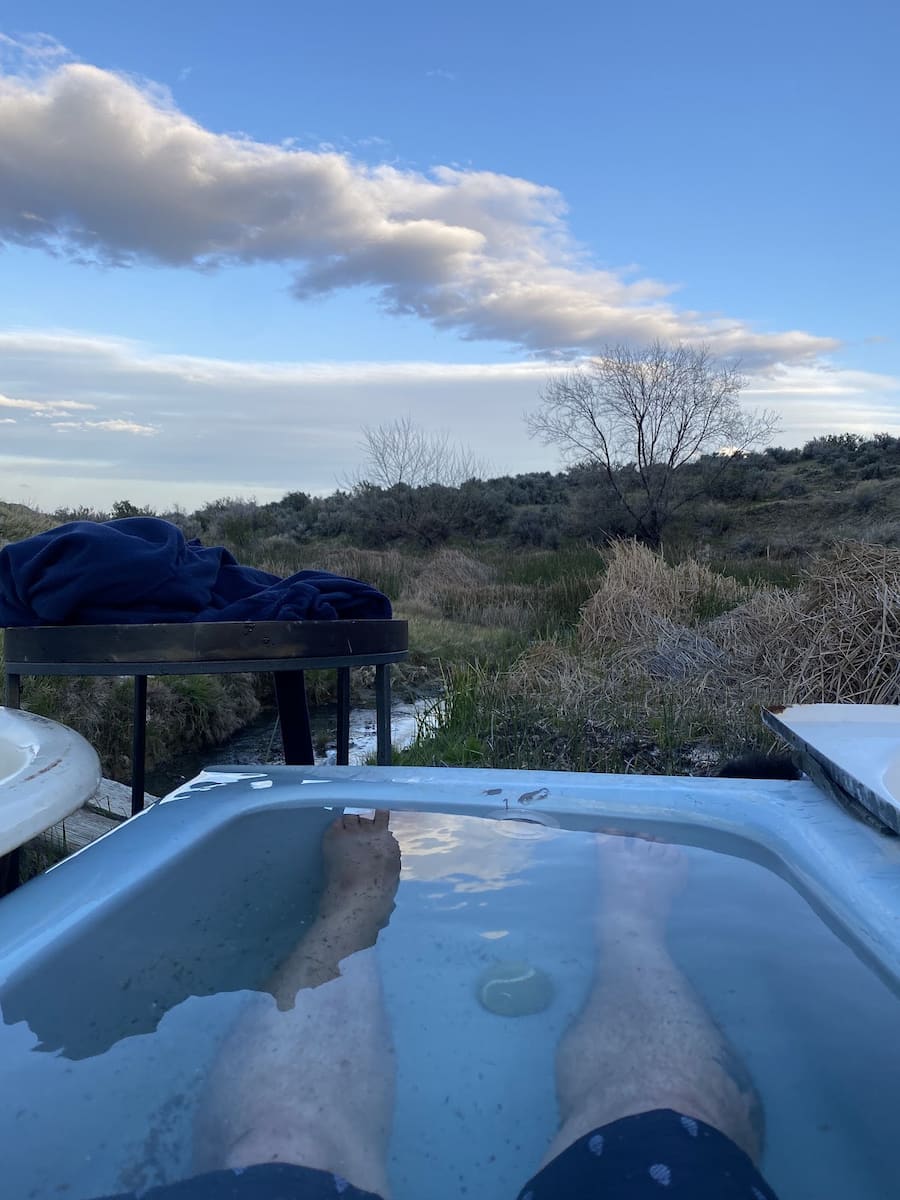
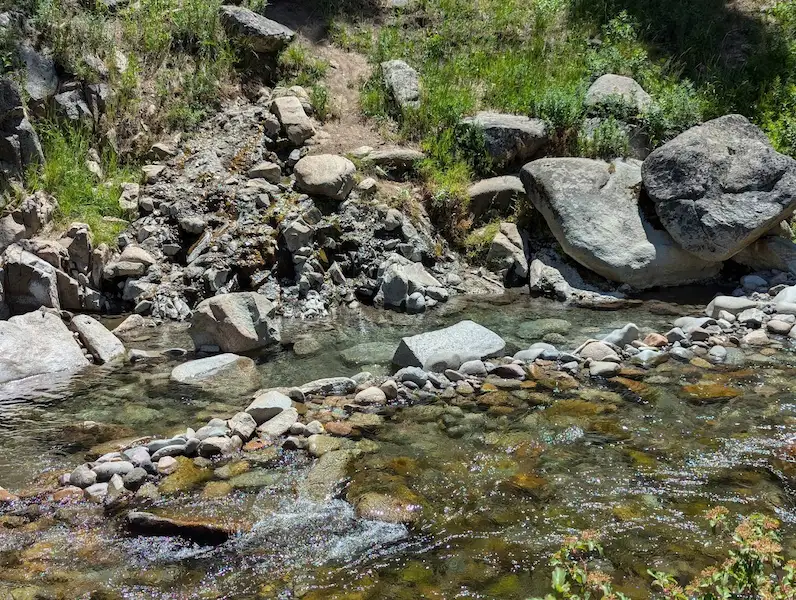
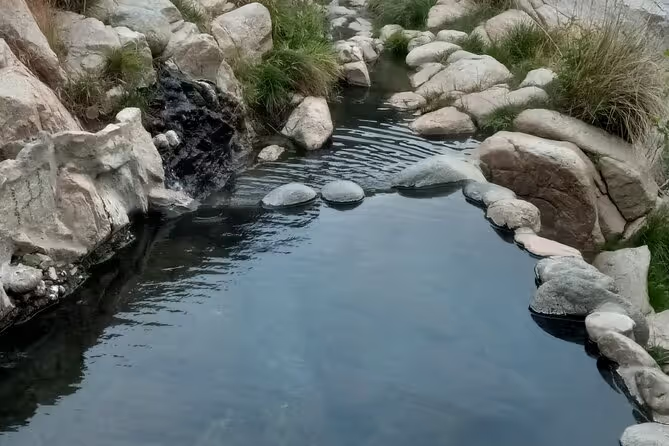
Deep Creek Hot Springs, California is a clothing-optional natural hot spring in San Bernardino National Forest, located in a remote canyon near Apple Valley. Five to six geothermal pools sit along Deep Creek at temperatures between 100 and 107 degrees Fahrenheit, with the creek providing a natural cold plunge alongside. The primary access route descends 2.5 miles and 1,000 feet from the Bowen Ranch trailhead. A $10 per person cash parking fee is required at the Bowen Ranch entrance gate.
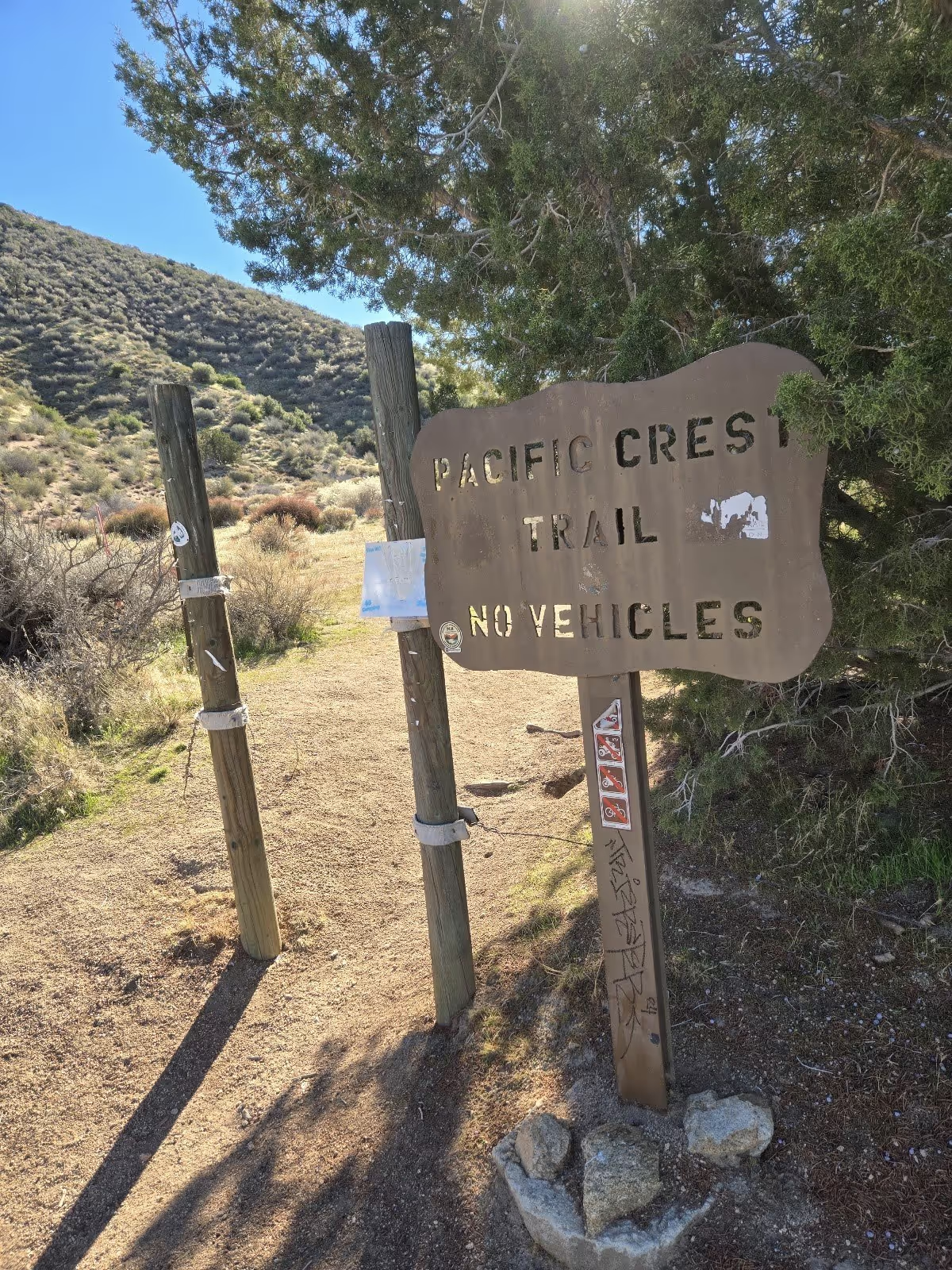
An alternative free route follows the Bradford Ridge section of the Pacific Crest Trail, approximately 6 miles one way. The springs are open year-round for day use, with the Bowen Ranch gate operating roughly from 7am to 5pm. No camping is permitted at the pools, though camping is available at Bowen Ranch and at designated Forest Service campgrounds along the route.
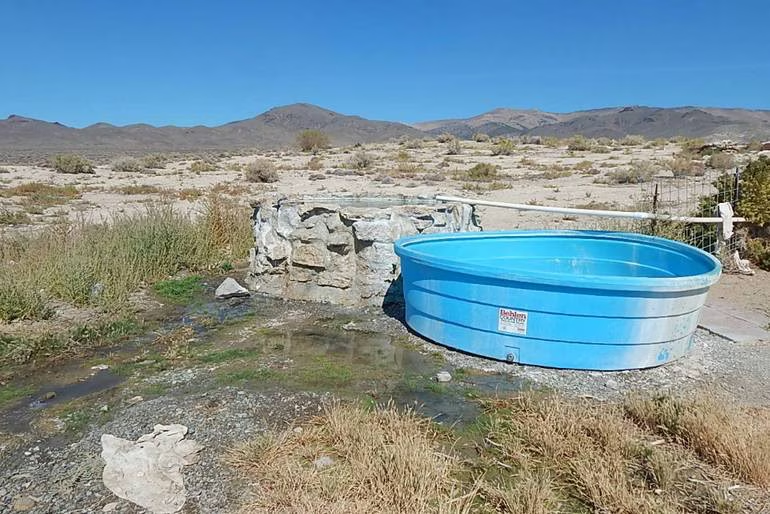
Deep Creek has been a known soaking destination since the 1970s and intersects the Pacific Crest Trail. The natural hot springs in California accessible via the PCT are few, and Deep Creek is among the most-visited due to its proximity to Los Angeles, roughly two hours from downtown. The site is entirely undeveloped with no facilities at the pools.
Location & Access
Getting to Deep Creek Hot Springs
Deep Creek Hot Springs is reached most directly via the Bowen Ranch trailhead on Bowen Ranch Road, accessible from Interstate 15 in Hesperia by taking the Ranchero Road exit and following Rock Springs Road north to Bowen Ranch Road. The last 6 to 8 miles to the ranch are unpaved dirt road. A standard car can manage in dry conditions, though high clearance helps on rougher sections. Bowen Ranch collects a cash-only parking fee of approximately $10 per person at the entrance gate.
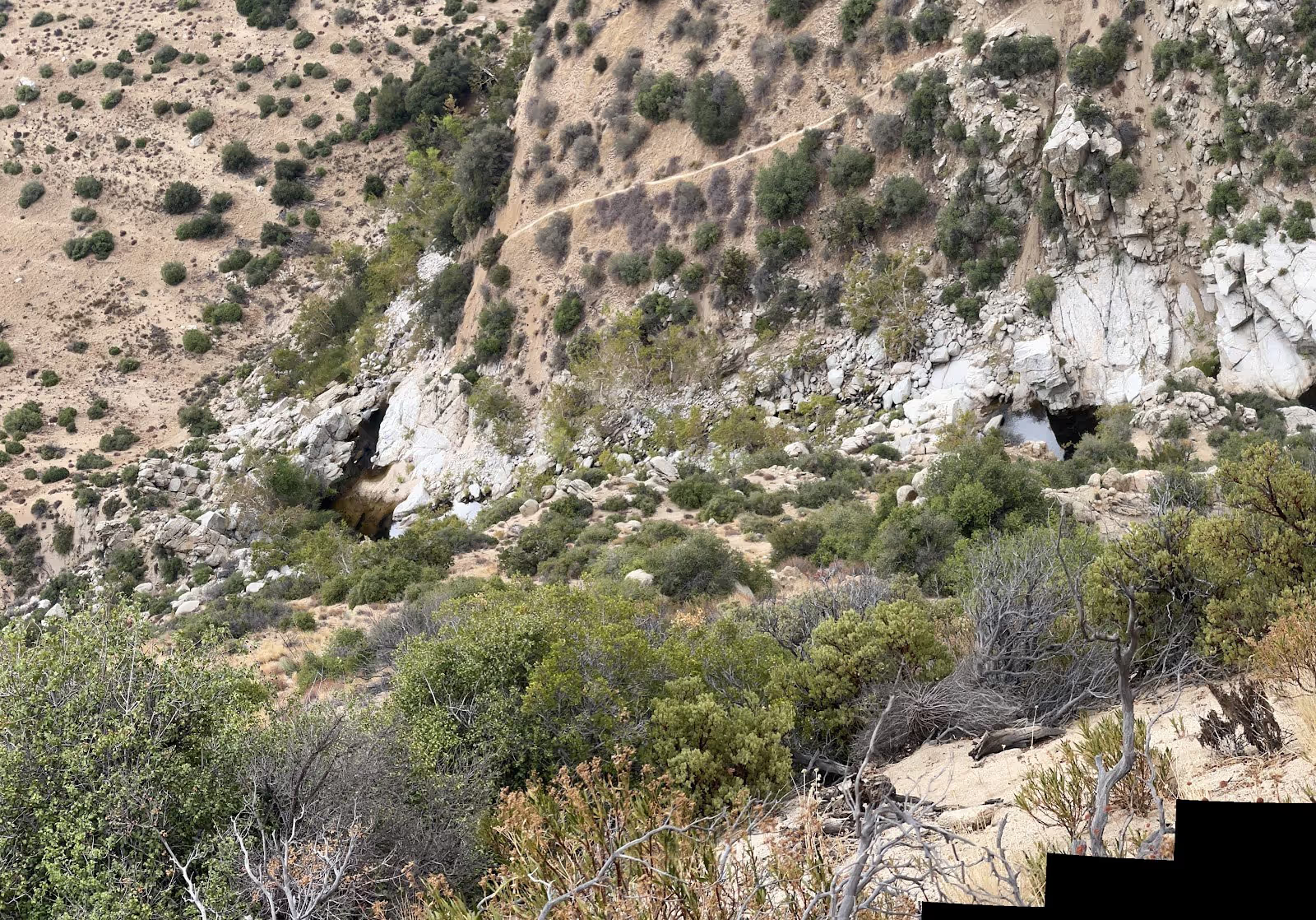
From the Bowen Ranch parking area, the trail descends approximately 2.5 miles and 1,000 feet into Deep Creek Canyon. The descent takes roughly 45 to 60 minutes; the return uphill climb takes considerably longer and is the most demanding part of the visit. Starting early is important both to beat the heat in summer and to allow adequate time to hike out before the ranch gate closes in the afternoon.
The alternative Bradford Ridge trailhead off Highway 173 near Lake Arrowhead connects to the Pacific Crest Trail and requires no parking fee, but is approximately 6 miles one way. For visitors looking for natural hot springs near Hesperia or the broader Inland Empire area, Deep Creek is the primary undeveloped geothermal option, approximately 90 miles from Los Angeles.
Suitability & Accessibility
Who Should Visit Deep Creek Hot Springs
Deep Creek Hot Springs suits experienced hikers and adults comfortable with a moderately strenuous out-and-back trail in an exposed desert canyon. The hike involves 1,000 feet of elevation change on loose decomposed granite with no shade and no water along the trail. Visitors must carry all their own water. The return climb out of the canyon is steep and takes considerably longer than the descent, and visitors underestimating this have run into difficulty in the past.
The site is clothing optional and nudity is common at the pools. The combination of a challenging hike, prevalent nudity, and remote desert conditions makes the site best suited to adults and older experienced teenage hikers. The creek crossing required to reach some pools can involve chest-deep water depending on seasonal flow, and river shoes or sandals with good grip are strongly recommended.
Visitors seeking free natural hot springs in California with a backcountry wilderness character will find Deep Creek one of the most distinctive options in Southern California. The rocky granite canyon setting, year-round creek, and PCT access make it unusually accessible for a genuinely remote hot spring. Weekday visits and early morning arrivals in all seasons significantly reduce crowds, which can be substantial on weekends from the nearby Los Angeles area.
Safety & Etiquette
Safety at Deep Creek Hot Springs
Deep Creek Hot Springs is a remote area with serious natural hazards. The most significant health risk is the documented presence of Naegleria fowleri, a rare but potentially fatal amoeba, in the hot spring water. Infection occurs when warm water enters the nose. Visitors should not submerge their heads in the hot spring pools or in the creek near the pool outflow, and should not allow water to enter their nasal passages. The risk of infection is low but the outcome is often fatal, so this precaution must be taken seriously.
Water quality in the pools has also shown elevated fecal coliform levels due to visitor volume and wildlife. Visitors with open wounds, compromised immune systems, or skin conditions should consider the risks before soaking. Dogs are prohibited in or near the pools. Drinking the spring water is not safe.
Summer canyon temperatures regularly exceed 100 degrees Fahrenheit, making midday visits in July and August genuinely dangerous. Visitors should carry a minimum of 3 to 4 liters of water per person, start before 8am in summer, and turn back if heat symptoms appear. The trail has no shade and no water. Winter visits can involve frost and ice on the trail and potential snow on the access road, with the Bowen Ranch road sometimes gated during bad weather.
Cell phone coverage is limited or absent in the canyon. Visitors should inform someone of their plans and expected return time before setting out. Emergency response in this remote part of San Bernardino National Forest takes significant time. Trekking poles help on the steep ascent on loose gravel, and footwear with ankle support and traction is essential.