%252C%2520Oregon%25203.avif)
Quick FactsOverview
About Easterday Hot Springs
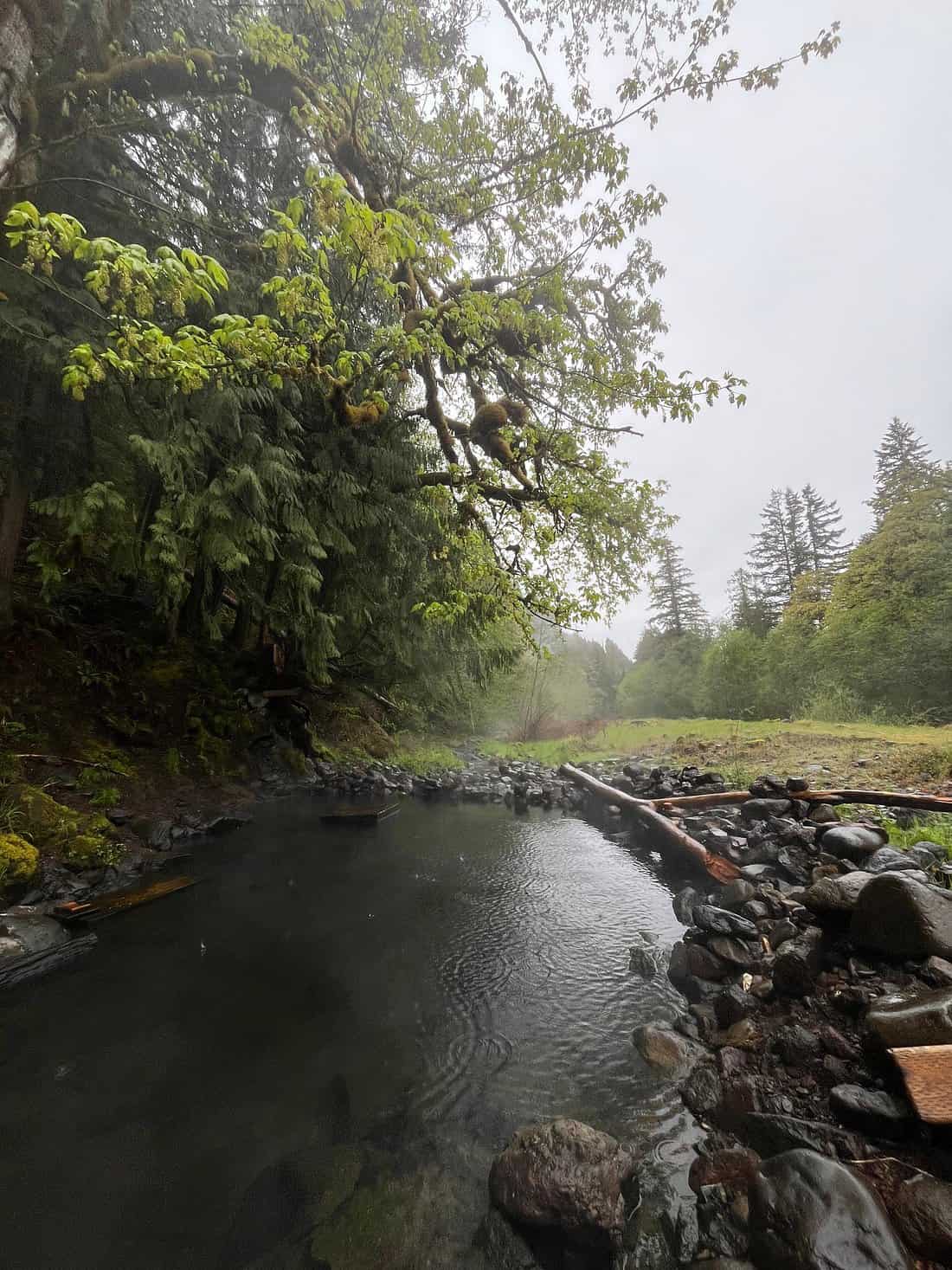
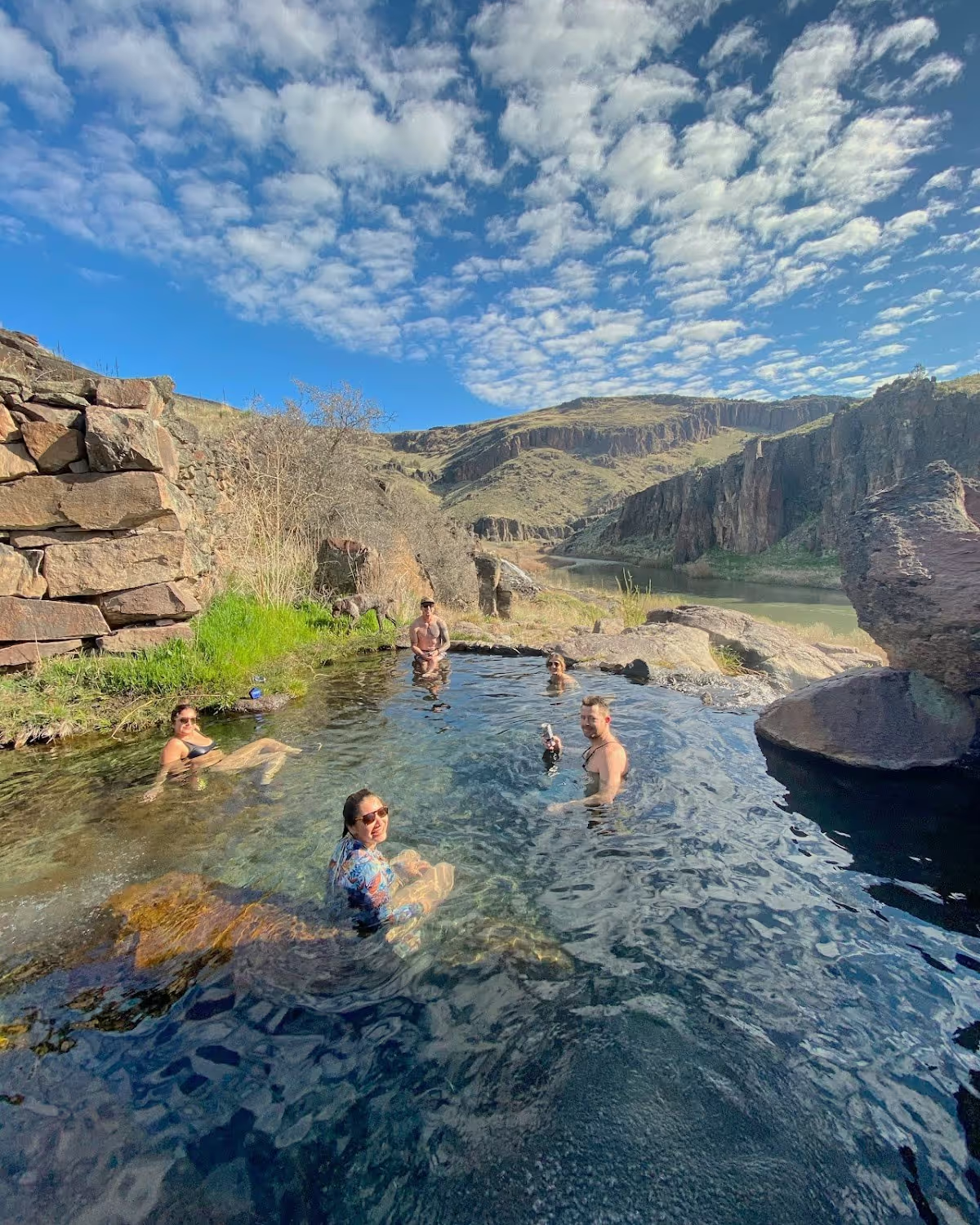
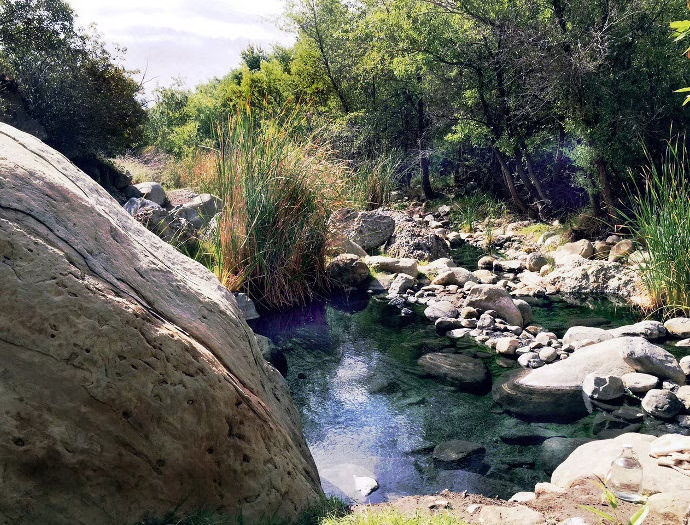
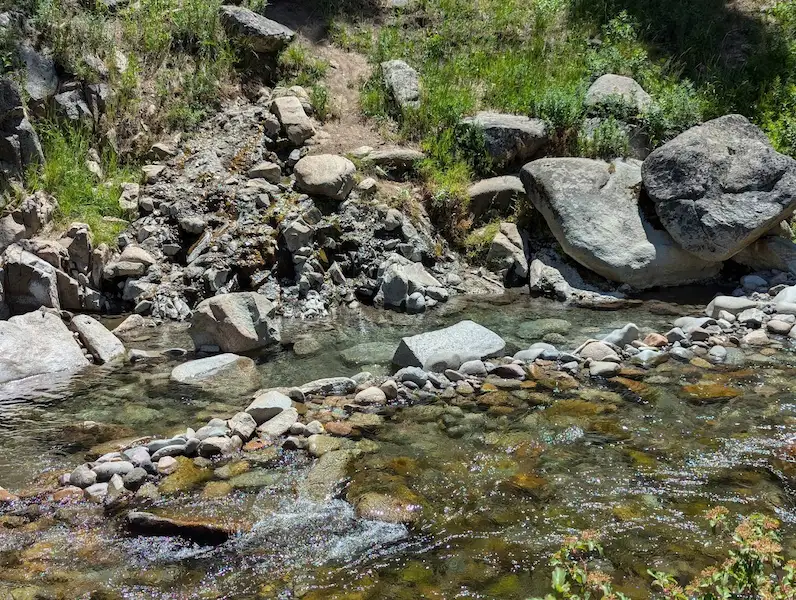
Easterday Hot Springs, Oregon, also known as Lucky Seven Hot Springs and McDermitt Hot Springs, is a free, undeveloped geothermal area on BLM land approximately 8 miles north of McDermitt in Malheur County, near the Oregon-Nevada border. Multiple thermal seeps emerge from the Hot Spring Hills at temperatures of 120 to 126 degrees Fahrenheit, forming a hot creek that winds through the sagebrush desert for over two miles before dissipating. As the water flows and cools, visitors can find sections of the creek at comfortable soaking temperatures. The source is too hot to enter directly.
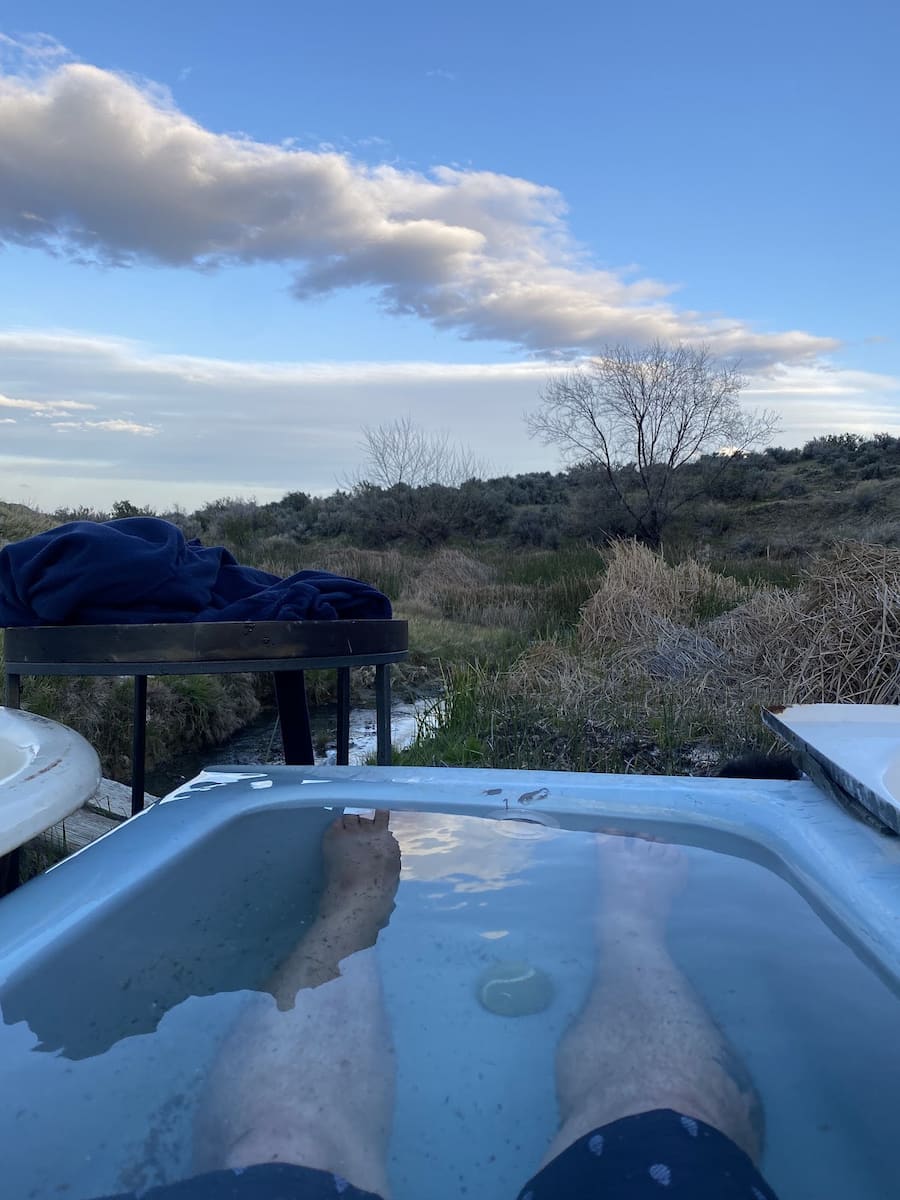
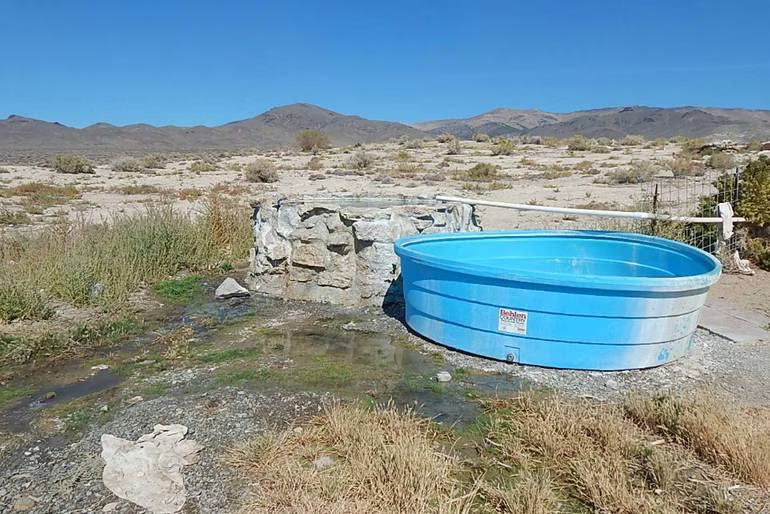
The site is named after the Easterday family and is locally known as Lucky Seven Hot Springs after the nearby Lucky Seven Ranch. Ruins of a historical hot springs resort that burned down long ago remain visible, including weathered masonry and a rusting soaking tub near the spring source. This makes Easterday one of the more historically layered natural hot springs in Oregon despite its remote location and very low visitor numbers.
The area is free to visit and dispersed camping is permitted on the surrounding BLM land. No facilities of any kind are present. The access road requires a high-clearance vehicle and is impassable in wet conditions. Clothing is optional.
Location & Access
Getting to Easterday Hot Springs
Easterday Hot Springs is reached from US-95 between mileposts 117 and 118, approximately 51 miles south of the US-95 and Highway 78 junction or 4.5 miles north of the town of McDermitt. Turn west onto Easterday Road, also called Hot Springs Road, and continue straight for approximately 1.2 miles on the dirt road to the springs. Do not bear right at any fork. The road is dirt throughout and requires a high-clearance vehicle. It becomes muddy and impassable after rain, so dry conditions are essential for safe access.
McDermitt straddles the Oregon-Nevada border and is the nearest community with any services, including fuel and food. For those looking for natural hot springs near McDermitt, Easterday is the closest free soaking option in the region. The broader area is known for rockhounding, with picture jasper, petrified wood, obsidian, and agate found along the surrounding roads.
No permit is required and there is no fee. Dispersed camping is permitted on the surrounding BLM land. Cell service is absent in this part of Malheur County. Visitors should carry adequate water, fuel, and supplies, and download offline maps before departing. The nearest emergency services are in McDermitt or farther north toward Burns.
Suitability & Accessibility
Who Easterday Hot Springs Is Suitable For
Easterday Hot Springs suits experienced off-road travelers and visitors seeking a genuinely remote, undeveloped soak in the high desert far from crowds. The site receives very low visitor numbers and offers a solitary experience with no infrastructure. Finding a comfortable soaking temperature requires walking along the creek to locate a section where the geothermal water has cooled sufficiently from its 120 to 126-degree Fahrenheit source. The process is exploratory rather than straightforward, and conditions vary by season and flow.
The site is not suitable for visitors without a high-clearance vehicle, or for anyone visiting during or after rain. The access road becomes deeply rutted and muddy in wet conditions. For those seeking natural hot springs near McDermitt that are accessible in a standard car, there are no confirmed alternatives in the immediate area. Willow Creek Hot Springs and Alvord Hot Springs are the nearest other verified soaking options, both requiring significant additional driving.
The site is not wheelchair accessible and offers no facilities. Children can visit but require close supervision near the hot source seeps, where temperatures are capable of causing burns. Dogs are permitted on BLM land but must be kept away from the hottest sections of the creek. Dispersed camping is available for those combining the visit with an overnight stay in the high desert, making this a practical base for rockhounding or exploring the McDermitt area.
Safety & Etiquette
Safety at Easterday Hot Springs
Easterday Hot Springs presents heat hazards at and near the source seeps, which reach 120 to 126 degrees Fahrenheit and are capable of causing serious burns on contact. The source itself should not be entered. Soaking is only possible in sections of the outflow creek where the water has cooled to comfortable temperatures, which varies by flow rate, season, and distance from the source. Visitors must test the water carefully before entering any section of the creek.
The surrounding terrain is open high desert with no shade, no potable water, and no emergency services within easy reach. The nearest services are in McDermitt, approximately 8 miles south. Cell service is absent in this part of Malheur County. Visitors should carry more drinking water than expected, as desert heat dehydrates quickly, and should inform someone of their itinerary before departing.
The access road is a significant practical hazard. Even a brief rain event can make the dirt road impassable, stranding vehicles in a remote area with no cell service. Checking weather forecasts before visiting is essential. A high-clearance vehicle is required and four-wheel drive is advisable in any uncertain conditions. Deep ruts from previous vehicles in wet weather can be hazardous even after the ground has dried.
The historical ruins at the site include rusting metal structures and deteriorating masonry that should not be climbed or entered. No camping is permitted within the immediate spring area, but dispersed camping on surrounding BLM land is allowed. Pack out all waste and leave no trace. No soap or shampoo should be used in the soaking creek.
%252C%2520Oregon%25203.avif)
%252C%2520Oregon%25208.avif)
%252C%2520Oregon%25209.avif)