
Quick FactsOverview
About Echo Rock Hot Springs
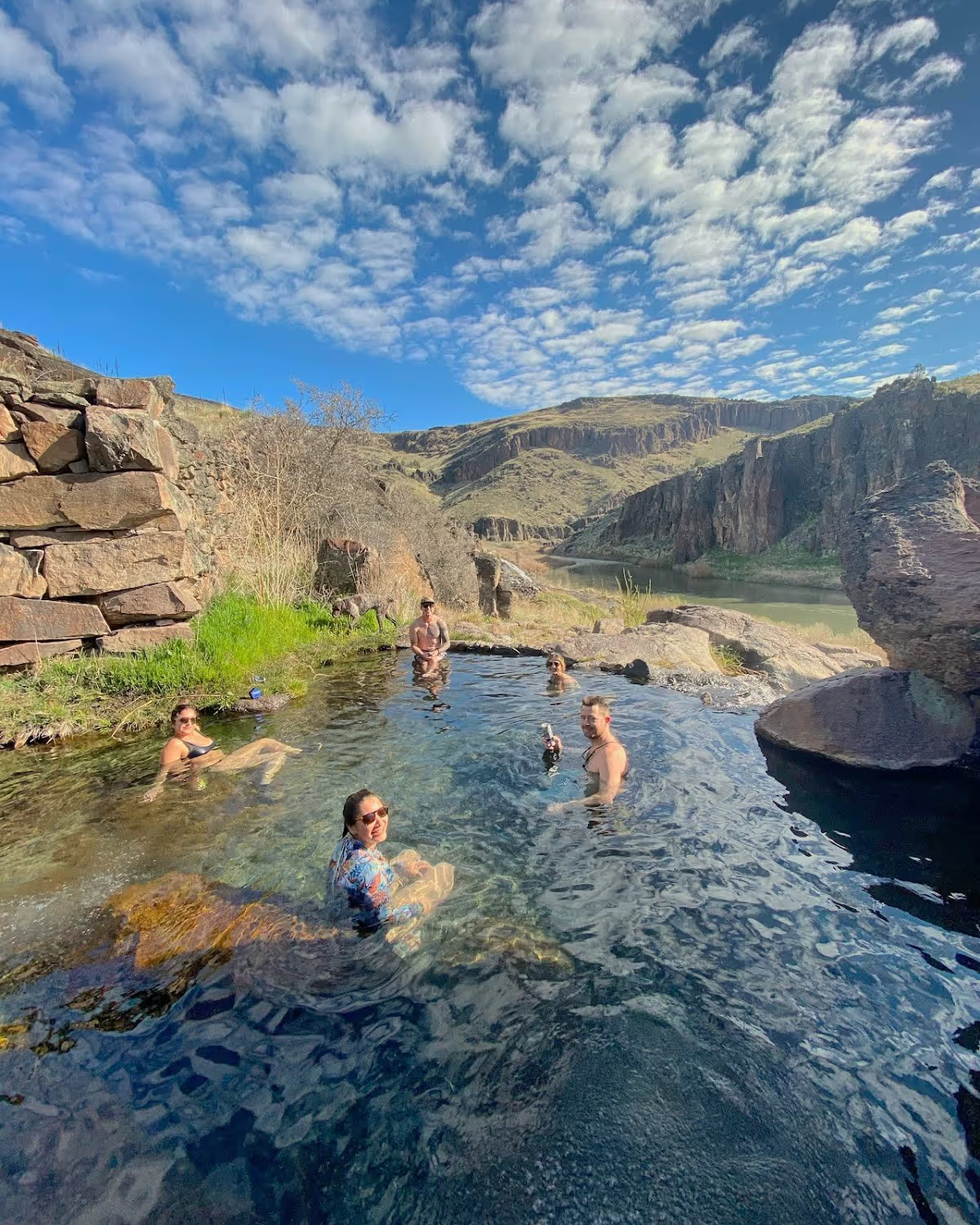
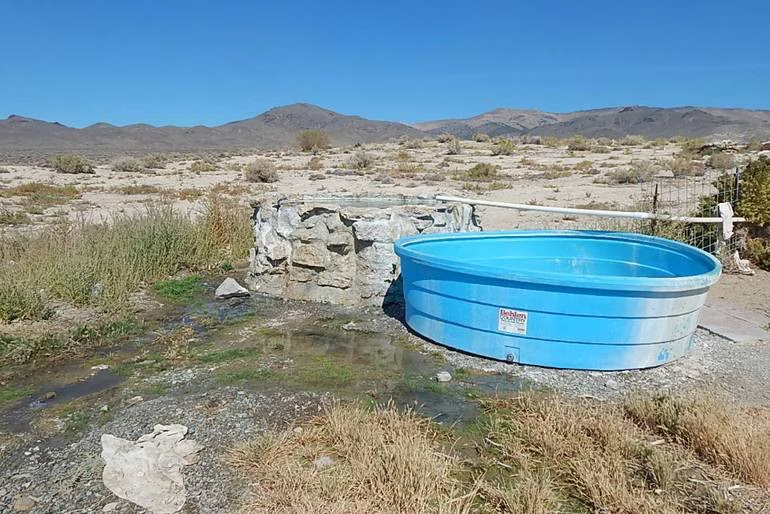
Echo Rock Hot Springs, Oregon, also known as Owyhee Hot Spring, is a free, primitive soaking pool on the southern bank of the Owyhee River in the Owyhee Canyonlands of Malheur County, approximately 3.5 miles upstream from Leslie Gulch. The pool is concrete-lined with fill and drain valves, making it more constructed than most primitive Oregon hot springs. Water temperature runs approximately 103 to 109 degrees Fahrenheit. The setting is a dramatic river canyon with colorful rhyolite and tuff formations, and the tower-like Echo Rock formation rises above the surrounding landscape.
The site has a significant access constraint: in summer, the lower portion of the Owyhee River canyon is submerged by the Owyhee Reservoir, covering the access road and rendering the hike route impassable. The best visiting window is late fall through early spring when the reservoir is drawn down and the canyon floor is exposed. During spring runoff, the route can also be blocked by high water, requiring a 4-mile paddle upstream from Leslie Gulch to reach the springs.
The site is free to visit and dispersed camping is permitted on surrounding BLM land. No facilities are present. Clothing is optional. The ruins of old soaking infrastructure are visible near the lower pools.
Location & Access
Getting to Echo Rock Hot Springs
Echo Rock Hot Springs is reached by driving to Leslie Gulch, accessed from US-95 via McBride Road approximately 8 miles north of Jordan Valley. McBride Road may be closed by Owyhee County in spring to prevent rutting; the alternate route follows Succor Creek Road south into Leslie Gulch Road. The road into Leslie Gulch is unpaved and rough, requiring a high-clearance vehicle, and can be affected by snow above 4,700 feet. From the Leslie Gulch boat ramp, hike 3.5 miles upstream along the Owyhee River to the springs. The lower portion of the hike follows the canyon floor when the reservoir is drawn down, making it relatively straightforward walking after the first mile and a half.
For those looking for natural hot springs near Jordan Valley, this is the most remote option in the region and requires a dedicated half-day minimum plus the drive to Leslie Gulch. During summer when the reservoir is full, the canyon floor is underwater and the springs are inaccessible by foot. At those times, some visitors paddle upstream by kayak or raft, approximately 4 miles from the boat ramp.
Checking reservoir levels before any visit is essential regardless of season. Dispersed camping is available near the springs on BLM land, and Slocum Creek Campground at Leslie Gulch offers a designated free site up to 14 days. Cell service is absent throughout the canyon. The nearest services are in Jordan Valley.
Suitability & Accessibility
Who Echo Rock Hot Springs Is Suitable For
Echo Rock Hot Springs suits experienced hikers and backcountry visitors comfortable with remote terrain and prepared for a 7-mile round-trip hike with no facilities or shade. The concrete pools with fill and drain valves make the soaking experience more controllable than most primitive springs, but the remoteness and seasonal access variability require careful planning. The site is not suitable for young children or casual visitors expecting a simple roadside soak.
The best season window is narrow. Visiting outside of late fall through early spring risks finding the access route flooded by the reservoir or muddy beyond passability. For those seeking natural hot springs near Jordan Valley that are easier to access, Snively Hot Springs is close to Jordan Valley with direct roadside access and no hike required.
The site is not wheelchair accessible and offers no facilities. Clothing is optional. The upper pools reportedly receive cattle use and may require emptying and refilling before soaking. Dispersed overnight camping near the springs makes it a practical backpacking destination for those combining the soak with a wider Owyhee Canyonlands trip. Dogs are permitted on BLM land but the long hike requires thoughtful planning for animals. The Owyhee Canyonlands offer exceptional scenery year-round for those making the effort to reach the springs.
Safety & Etiquette
Safety at Echo Rock Hot Springs
Echo Rock Hot Springs is generally safe for soaking when water temperature is in the comfortable range, but the fill valve delivers hot water and the pools can reach temperatures above 109 degrees Fahrenheit depending on conditions. Visitors should test the water before entering and use the drain valve to reduce temperature if needed. The source water is hot enough to cause burns if the tub has not adequately cooled before entry.
The Owyhee River presents the most significant hazard at the site. During spring runoff, the river runs fast, cold, and high. The canyon floor access route can be submerged without warning, and visitors should not attempt the route during high-water events. For those paddling in, the upstream paddle is strenuous in any current and requires adequate watercraft and experience. A reliable exit plan is essential for any visit.
The access road and canyon can be snowy and icy in winter above the canyon rim. Checking weather and road conditions before departure is important. Cell service is absent throughout the Leslie Gulch area and the canyon. The nearest services are in Jordan Valley, approximately 15 to 20 miles from Leslie Gulch depending on route.
The site has no facilities and all waste must be packed out. Water from the Owyhee River should not be consumed without treatment. Visitors should carry all food, water, and supplies needed for the full trip including the return hike. No camping is permitted within the immediate pool area, but dispersed camping is available on surrounding BLM land.