Quick FactsOverview
About Fanning Springs
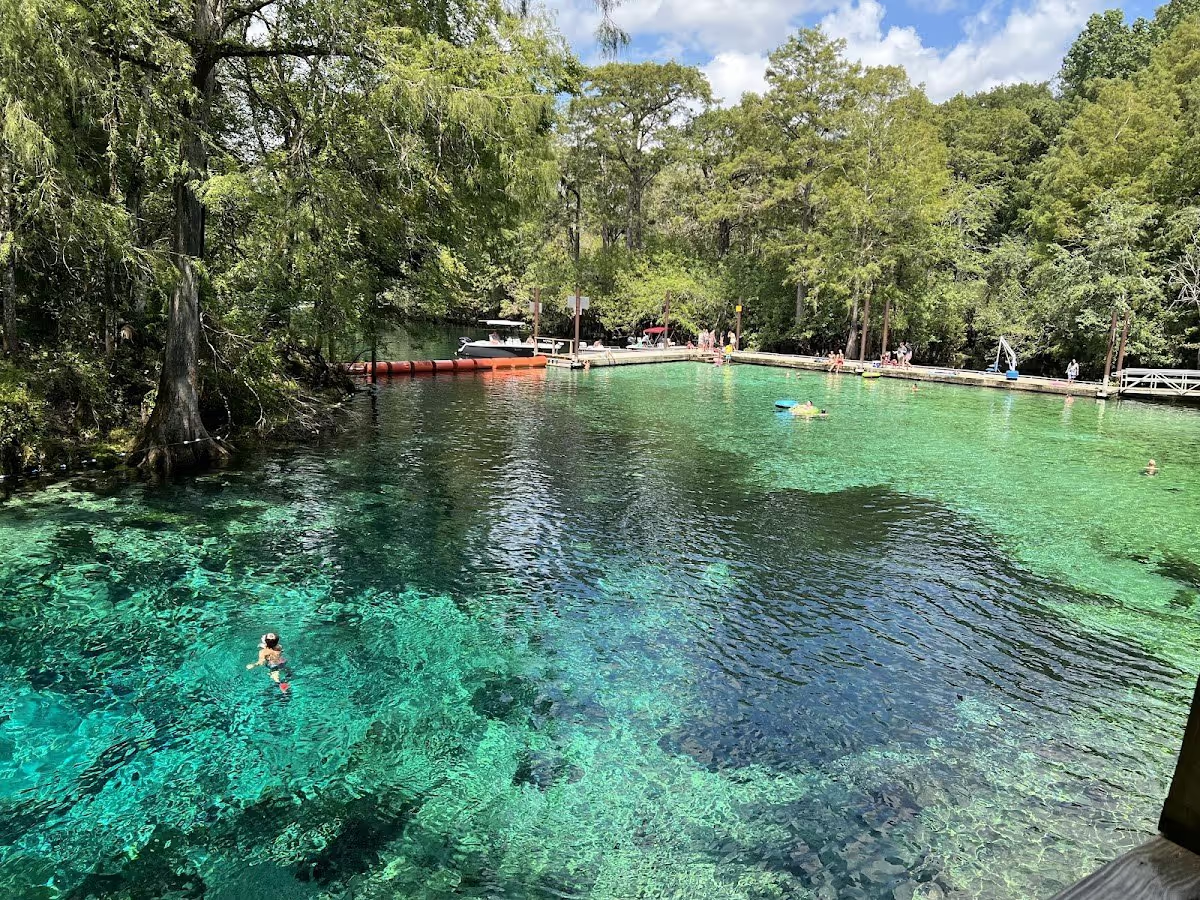
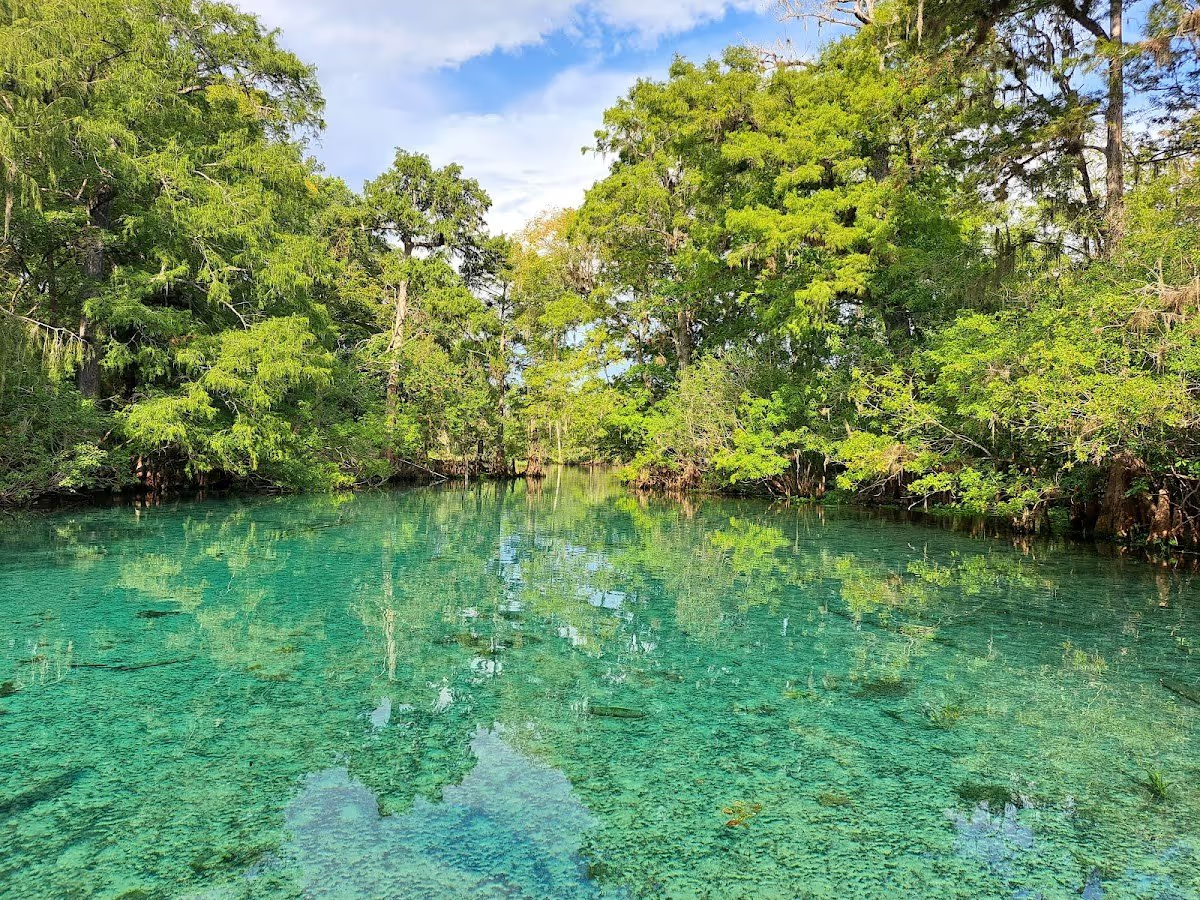
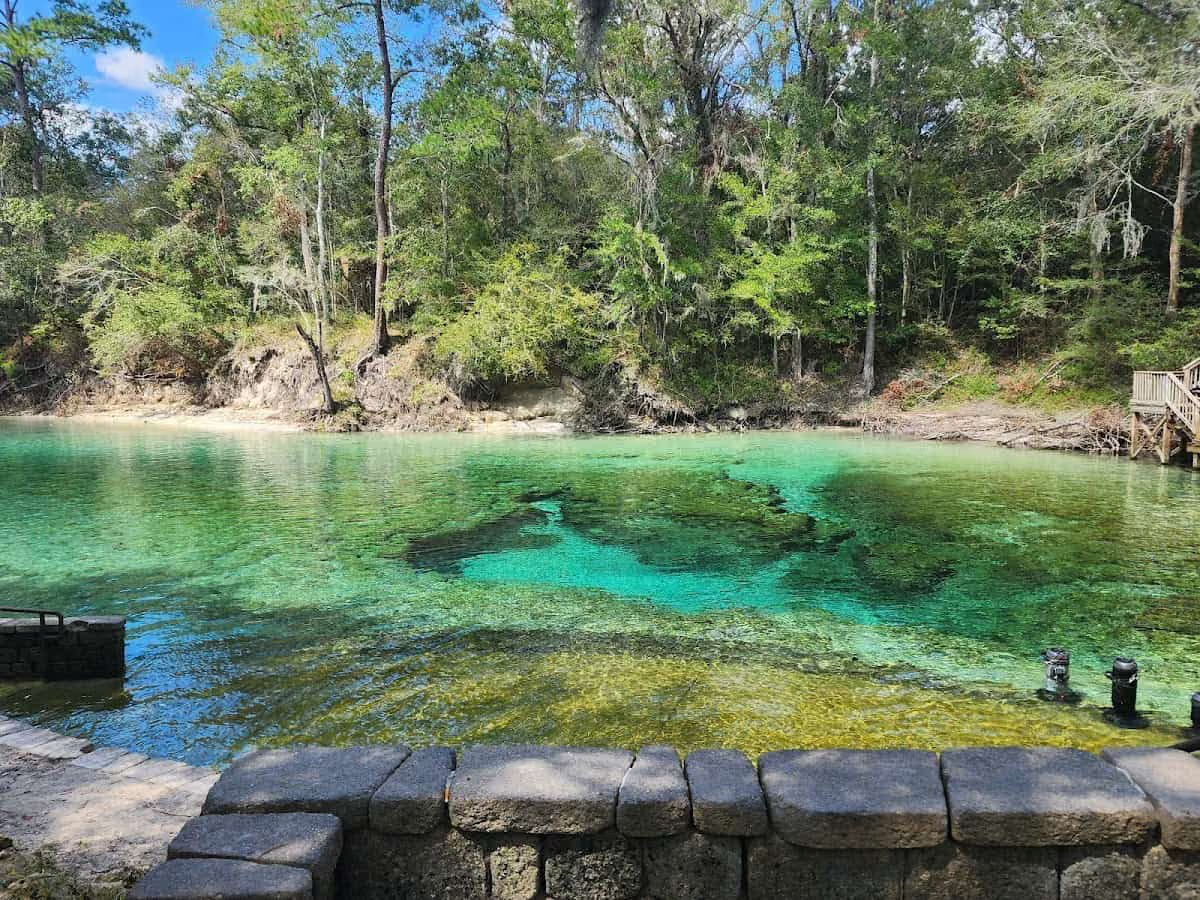
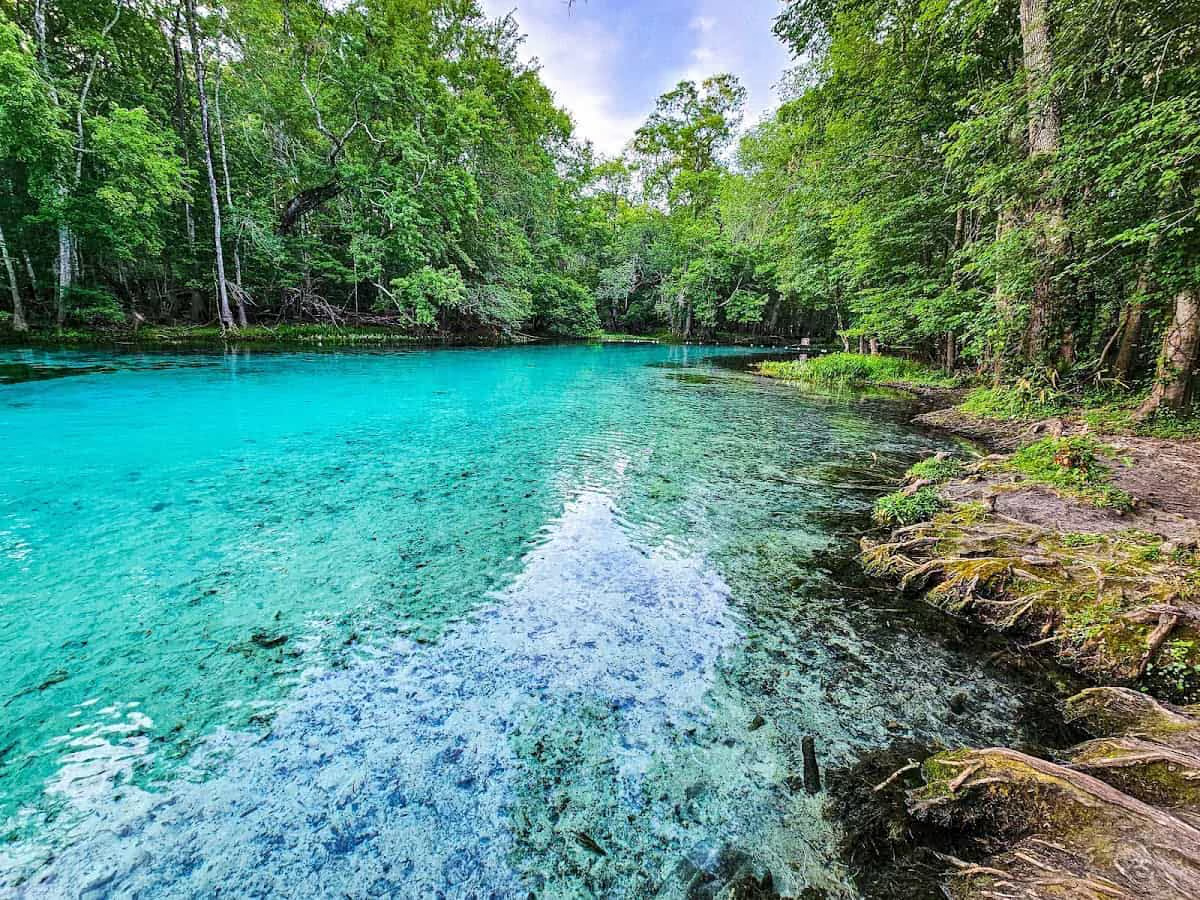
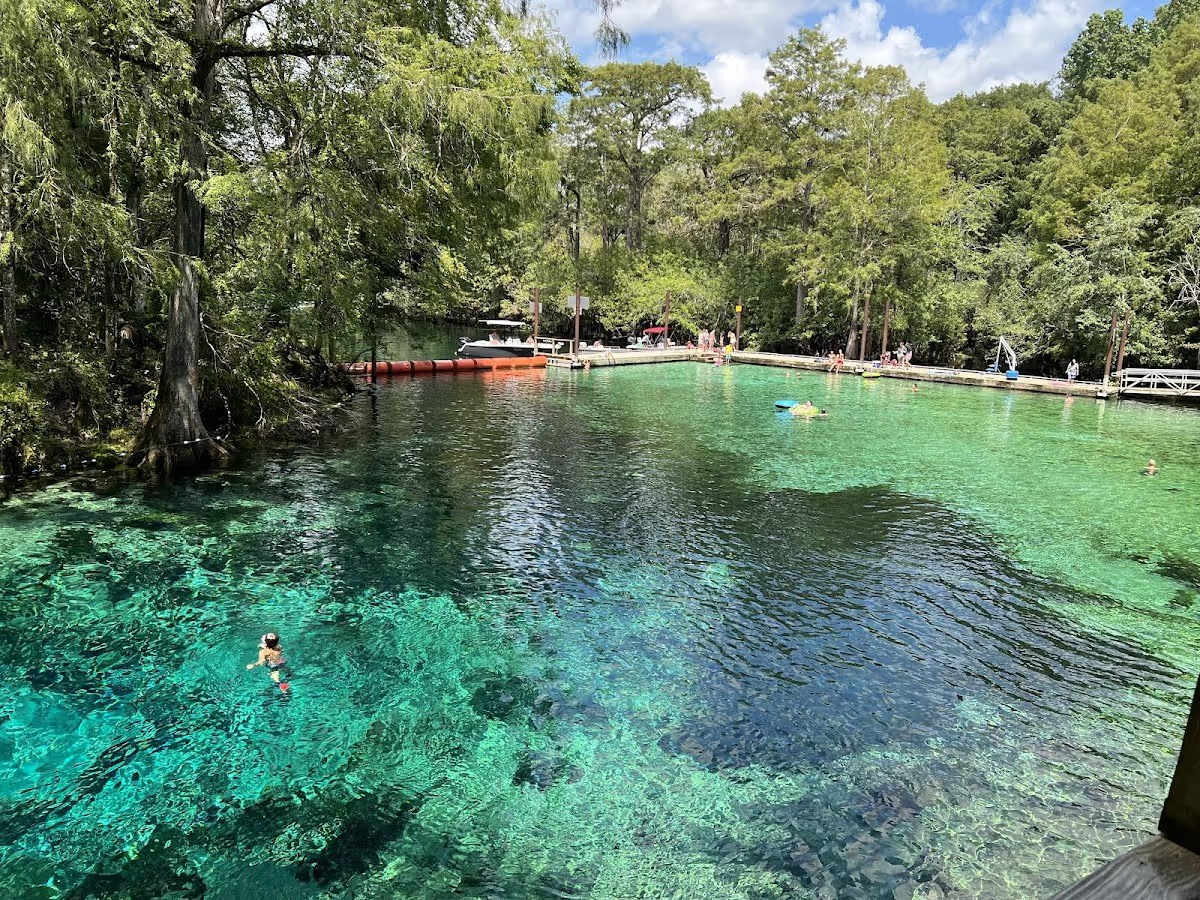
Fanning Springs, Florida is a freshwater spring and Florida State Park situated on US Highway 19 in the town of Fanning Springs, on the west bank of the Suwannee River in Levy County, approximately 40 miles west of Gainesville. The spring is a second-magnitude formation that produces approximately 65 million gallons of water daily, down from the first-magnitude output it maintained as recently as the 1990s. Water temperature is a constant 72 degrees Fahrenheit year-round. The spring pool drains eastward via a 450-foot spring run into the Suwannee River. A secondary spring, Little Fanning Spring, sits approximately 500 feet south of the main spring in a wooded area and also discharges to the Suwannee. The maximum diving depth at the main spring is between 18 and 21 feet, making it accessible for open-water certified scuba divers.
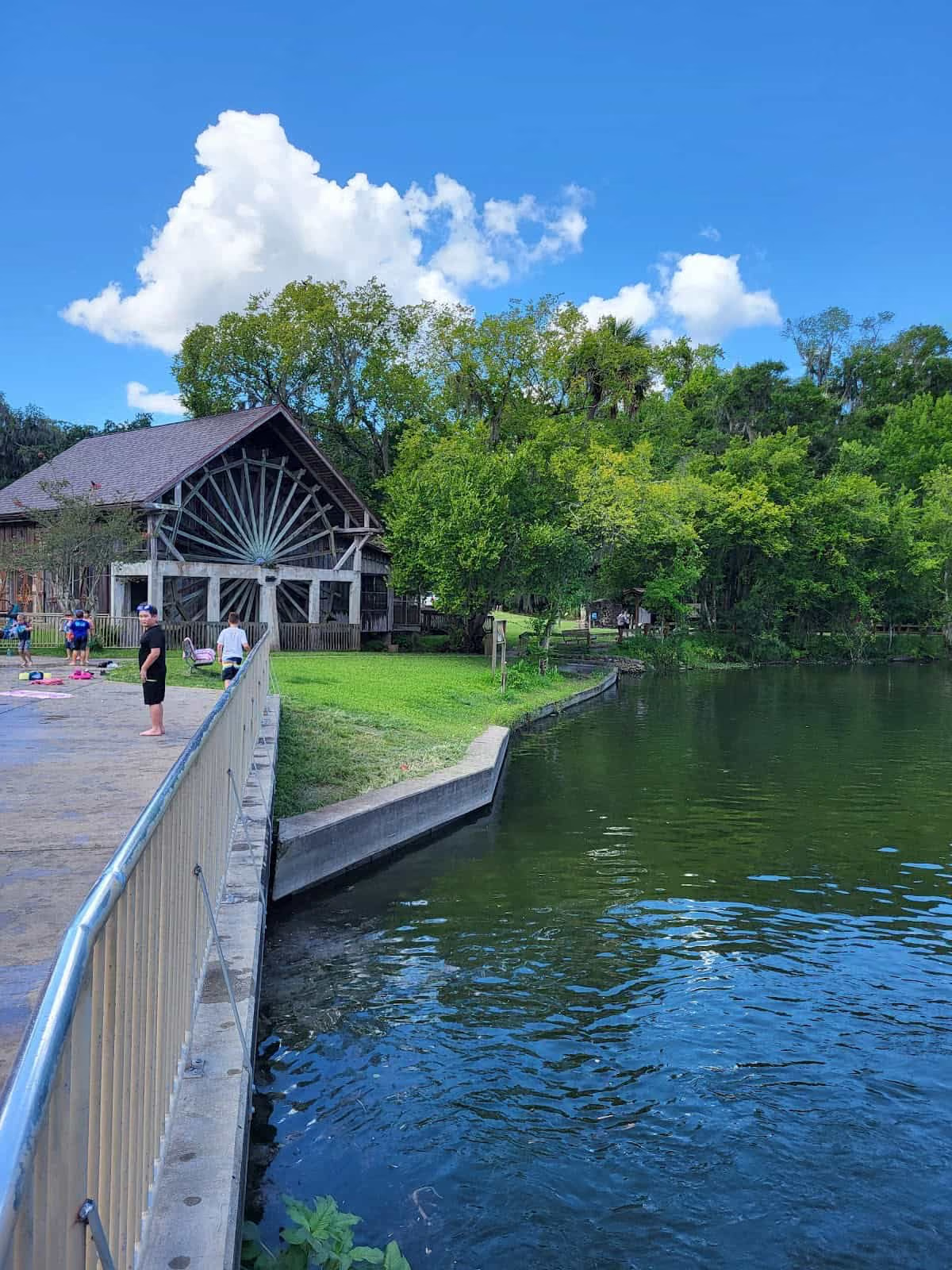
The park was historically used by Paleo-Indian people beginning approximately 14,000 years ago, with several aboriginal sites identified within the park boundaries. Fort Fanning, built in 1838 during the Second Seminole War and named for Colonel Alexander Campbell Wilder Fannin, stood near the current park site. The fort was constructed of wood and no physical remains survive. The site later served as a riverboat landing carrying plantation goods down the Suwannee to the Gulf of Mexico, and in the early 1900s the Atlantic Coastline Railroad crossed the property. That old rail corridor is now the Nature Coast State Trail, which has a junction at Fanning Springs near the park. The state acquired the park in 1993.
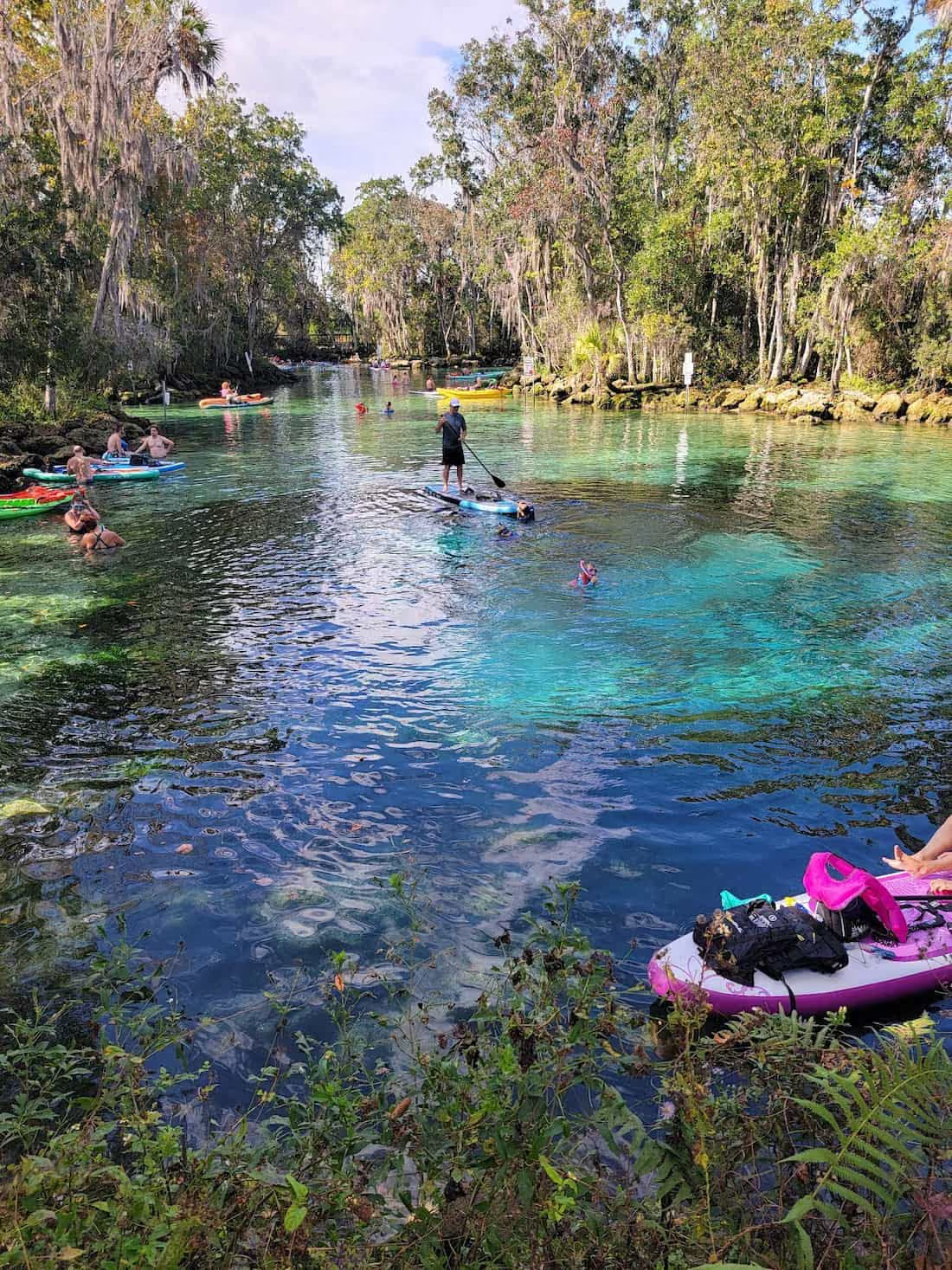
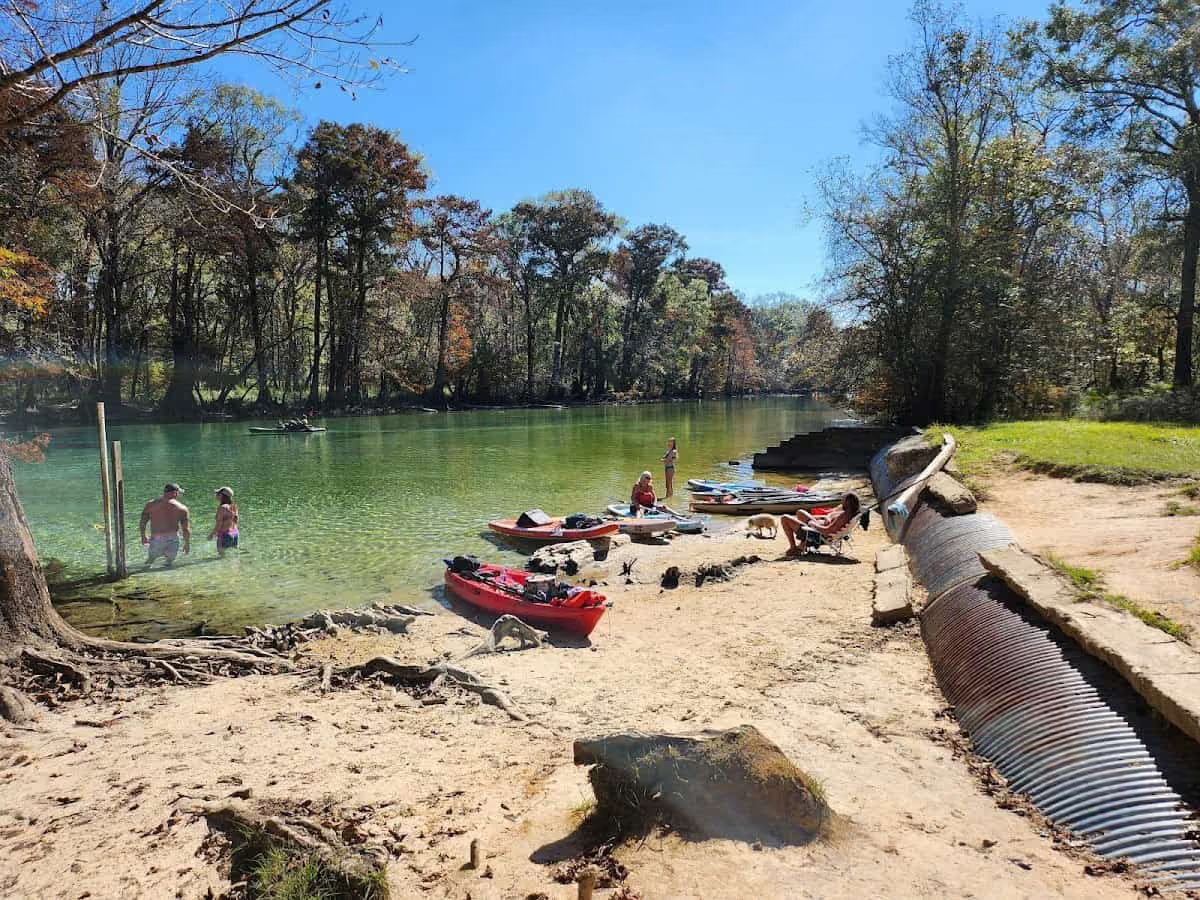
The park covers 204 acres and offers swimming, snorkeling, scuba diving, canoeing, kayaking, picnicking, hiking, and birdwatching. Manatees are regularly seen in the spring and river during winter months. In summer, Atlantic sturgeon can be observed jumping near the Suwannee River gazebo at the end of the boardwalk. For visitors interested in accessible hot springs in Florida near Gainesville with full state park facilities and river access, Fanning Springs is a practical and well-maintained destination open year-round.
Location & Access
Getting to Fanning Springs
Fanning Springs State Park is located at 18020 NW Highway 19, Fanning Springs, FL 32693, on US Highway 19/98 approximately 40 miles west of Gainesville. From Gainesville, take US 27 south to Chiefland, then head north on US 19/98 a short distance to the park entrance, which is just before the Suwannee River bridge on the left. The GPS coordinates are 29.5904 degrees North, 82.9359 degrees West. Signage on US 19/98 marks the park entrance clearly. Visitors may also arrive by boat on the Suwannee River, paying a per-person water entry fee at the dock.
The park is open 8am to sunset daily year-round. A per-vehicle day-use entry fee of six dollars applies for those arriving by vehicle; those arriving by water pay two dollars per person. No advance booking is required for day use. The park can experience capacity closures on warm weekends and holidays; arriving before mid-morning is advisable during peak season. The spring swimming and diving area may also close temporarily when alligators are spotted nearby; check with park staff on arrival for current conditions. Open-water scuba divers must register with park staff before entering the water.
For visitors seeking hot springs near Gainesville with accessible facilities, the park provides a wheelchair-accessible boardwalk that runs from the spring swimming area to a gazebo on the Suwannee River. An ADA chair lift is available at the spring to assist entry and exit from the water, though visitors requiring this facility are encouraged to call the park at (352) 463-3420 at least one hour in advance to confirm availability, as the lift has been subject to periodic maintenance closures. ADA-accessible restrooms are available at the concession stand near the main spring and at the wayside area on Highway 19. An ADA-accessible cabin is available to reserve for overnight stays.
Suitability & Accessibility
Who Can Visit Fanning Springs
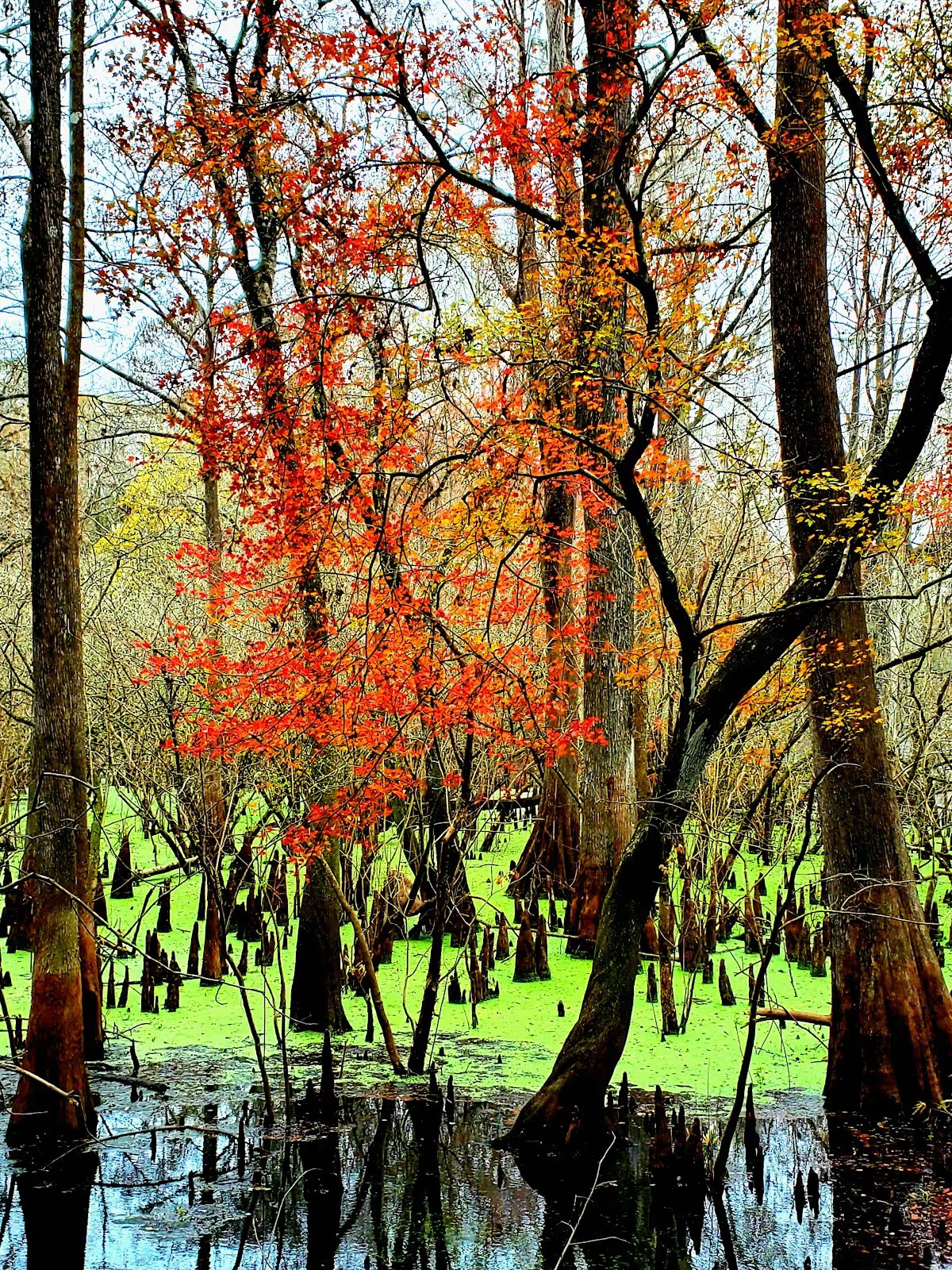
Fanning Springs suits families, swimmers, snorkelers, scuba divers, paddlers, and nature visitors of all experience levels. The spring is shallow by Florida spring standards, with a maximum depth of 18 to 21 feet, making it one of the more beginner-friendly scuba diving sites in the region. The 72-degree water and clear visibility provide a comfortable environment for snorkeling without specialist equipment. Children are welcome and well catered for; the park has a playground with an accessible swing, picnic areas, open grass, and a volleyball court adjacent to the spring area. The 0.9-mile nature trail is an easy walk through hardwood forest past a series of sinkholes suitable for all fitness levels.
Wheelchair access at Fanning Springs is among the better documented of any Florida spring park. The wheelchair-accessible boardwalk runs from the spring area to the Suwannee River gazebo. An ADA chair lift provides assisted entry and exit from the spring water; visitors who need this facility should call (352) 463-3420 at least one hour in advance to ensure the lift is operational, as it has been temporarily out of service on prior occasions. Accessible restrooms are available at two locations in the park. An ADA-accessible cabin is available for reservation for overnight stays. Visitors with mobility needs should contact the park before arrival to confirm the current operational status of the lift.
Dogs are welcome in the park on a hand-held leash no longer than six feet but are restricted from the main picnic and swimming areas. Observe posted signs to keep dogs in permitted sections. Pets are not allowed in the cabins or the cabin area. For visitors looking for accessible hot springs in Florida near Gainesville with overnight options, Fanning Springs offers the most comprehensive combination of ADA infrastructure, cabin accommodation, and spring access in the area. Canoe and kayak rentals are available through Suwannee Guides and Outfitters by calling (352) 542-8331.
Safety & Etiquette
Safety and Etiquette at Fanning Springs
Fanning Springs is a generally well-managed facility, though several specific safety conditions apply. Alligators are present in the Suwannee River and surrounding waterways and have been observed near the spring area; when an alligator is spotted, the swimming and diving area may be closed temporarily by park staff. Follow any closure notices without exception. Do not enter the water if an alligator has been reported nearby, and notify park staff immediately if you observe one.
Scuba divers must register with park staff before entering the water and must hold appropriate open-water certification. The spring is designated for open-water diving only; cave diving is not an activity at this site. The maximum depth of 18 to 21 feet is within recreational open-water limits. Visibility is generally good but can be affected by disturbance of the sandy bottom; descend slowly and avoid kicking the floor. All divers should be aware of other swimmers and snorkelers sharing the spring and exercise appropriate care to avoid collisions in the water.
The 72-degree spring water is refreshing but cool relative to Florida air temperatures. Prolonged immersion in this temperature can cause significant heat loss, particularly in children. Monitor for shivering and encourage regular breaks out of the water. Enter gradually to avoid involuntary gasping. The Suwannee River itself has a noticeable current; swimmers who enter the river from the canoe launch or spring run should stay close to the bank and not attempt to cross the channel. Manatees visit the spring in winter; do not approach, touch, or disturb manatees. Observe them from the boardwalk or from the water at a respectful distance without chasing or surrounding them.
Dogs must be kept on a short leash and are restricted from the main picnic and swimming areas. No pets are allowed in any cabin. The park has a current burn ban as of early 2026; no open fires, campfires, or cooking fires are permitted. Wood is available for purchase at the park for ten dollars; do not bring your own firewood as emerald ash borer infestation can be spread by moving wood from infested areas. Paddlers using the canoe launch should note that fishing is permitted in designated areas only and requires a Florida fishing licence.