Quick FactsOverview
About Firehole River Swimming Area
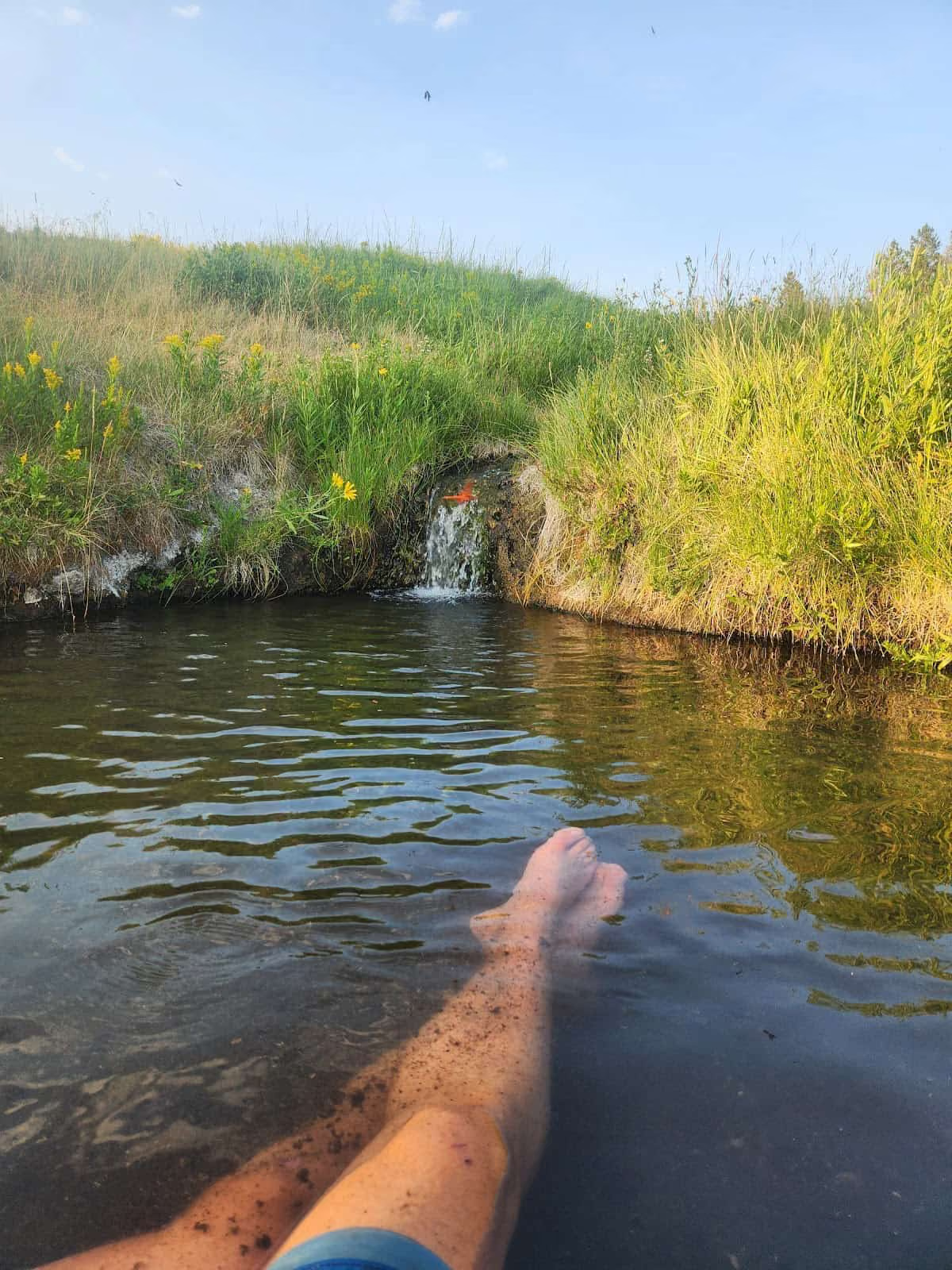
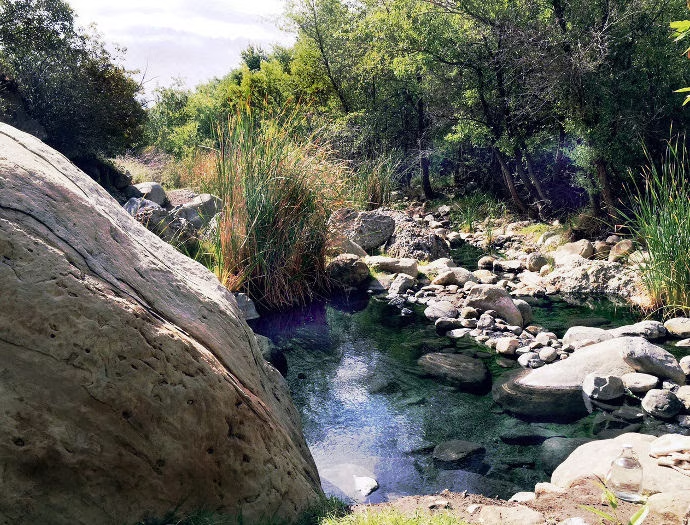
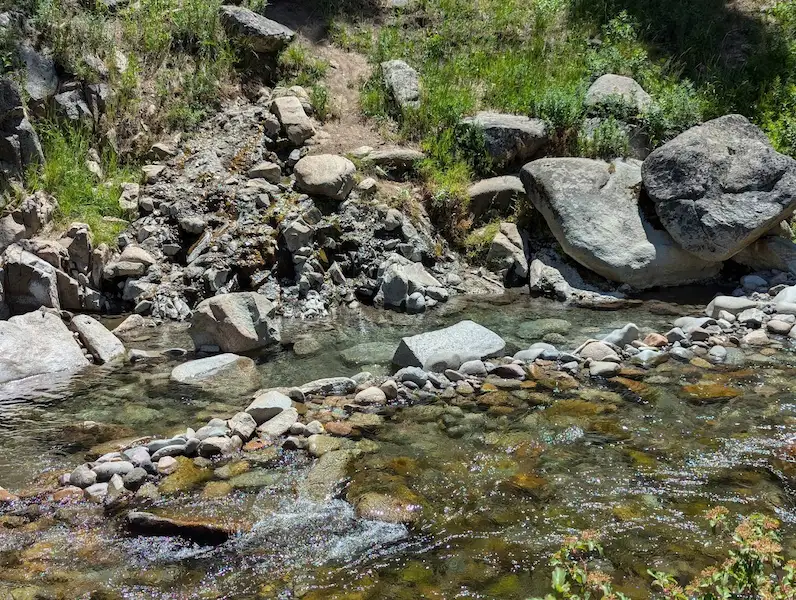
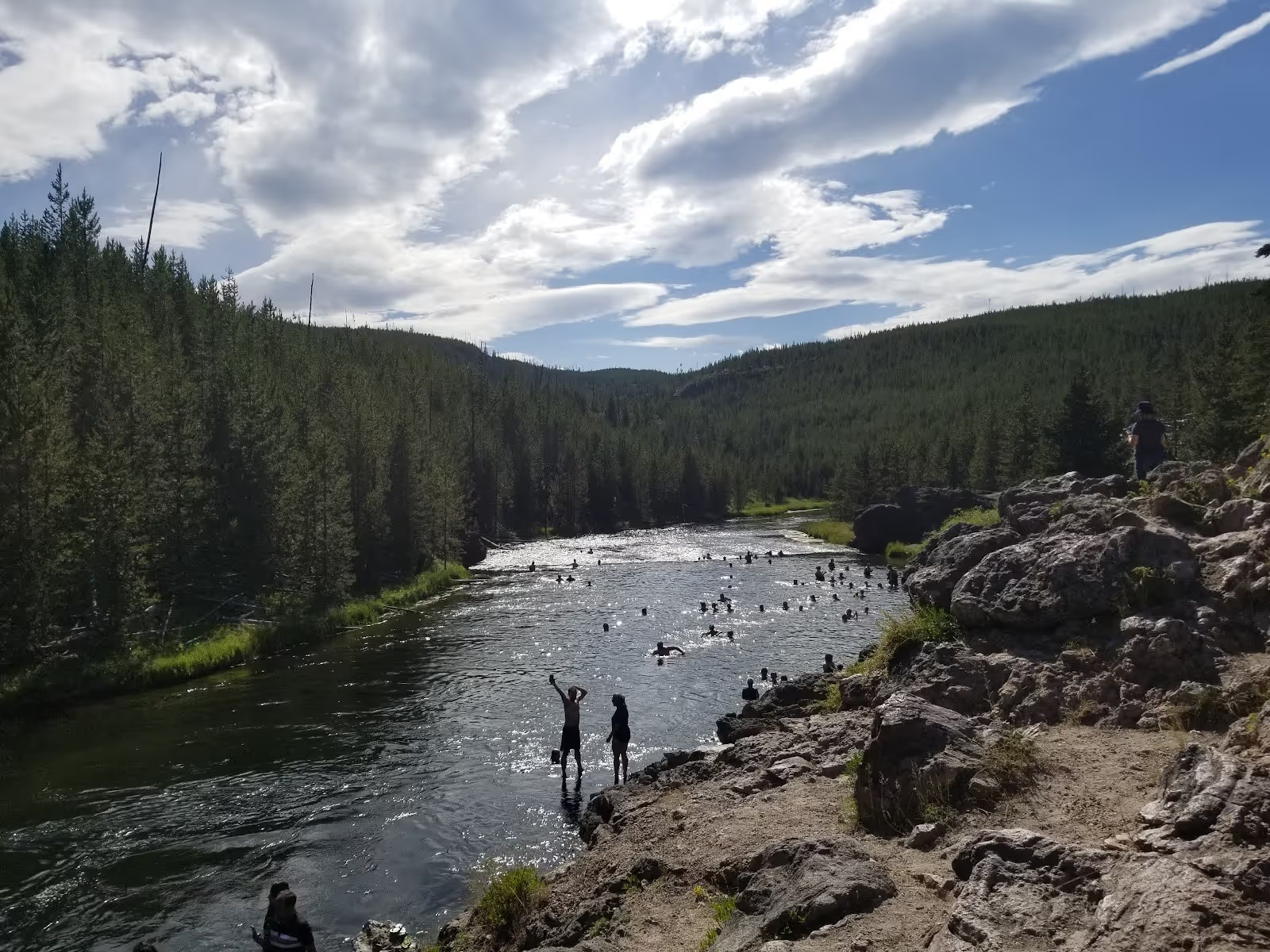
Firehole River Swimming Area, Wyoming is a designated seasonal river swimming area on the Firehole River in Yellowstone National Park, approximately 2 miles south of Madison Junction on the one-way Firehole Canyon Drive. The river is warmed by geothermal inflows from upstream hot springs to temperatures up to approximately 86 degrees Fahrenheit at the swimming area. This is warmer than most Wyoming rivers but considerably cooler than a developed hot spring. The area is one of only two NPS-designated swimming locations inside Yellowstone; the other, Boiling River near Mammoth Hot Springs, is permanently closed following the 2022 floods.
The Firehole Canyon Drive follows a narrow volcanic rock canyon. The swimming area sits in a relatively calm stretch accessed by wooden stairs from the road. Two vault toilets and changing areas are available. The NPS prohibits all soap, shampoo, and detergents in the water. Swimming is permitted only during designated daytime hours. The area was closed for the entire 2025 season due to high water and strong currents from snowmelt.
Location & Access
Getting to Firehole River Swimming Area
Firehole River Swimming Area is located on Firehole Canyon Drive in Yellowstone National Park, approximately 2 miles south of Madison Junction. From the West Entrance at West Yellowstone, drive approximately 14 miles east on US-20/US-191 to Madison Junction. From the South Entrance, drive north on US-191/US-287 toward Madison Junction. At Madison Junction, take the Grand Loop Road south toward Old Faithful. After approximately 2 miles, turn right onto Firehole Canyon Drive. This is a one-way road. Follow it to the swimming area, marked by roadside parking and wooden stairs to the water. There is no formal parking lot; visitors park along the road shoulder.
Yellowstone National Park entrance fees apply. A 7-day vehicle pass is currently $35. The swimming area has no additional entry fee. The area is closed seasonally: from mid-December through mid-March when Firehole Canyon Drive is closed, and from spring until mid-July or later when high water and currents make swimming unsafe. In years with heavy snowpack, the area may remain closed all season. Always check nps.gov/yell/planyourvisit/conditions.htm before visiting. For those seeking natural hot springs near West Yellowstone Wyoming, the Firehole Swimming Area is the closest NPS-sanctioned thermal water experience to the West Entrance.
Suitability & Accessibility
Suitability and Accessibility of Firehole River Swimming Area
Firehole River Swimming Area suits visitors who can handle a moving river without lifeguard supervision and who check conditions in advance given the area's history of full-season closures. The river reaches up to approximately 86 degrees Fahrenheit, warmer than most Wyoming waterways but much cooler than a developed hot spring. Water shoes are recommended as the riverbed is rocky and slippery.
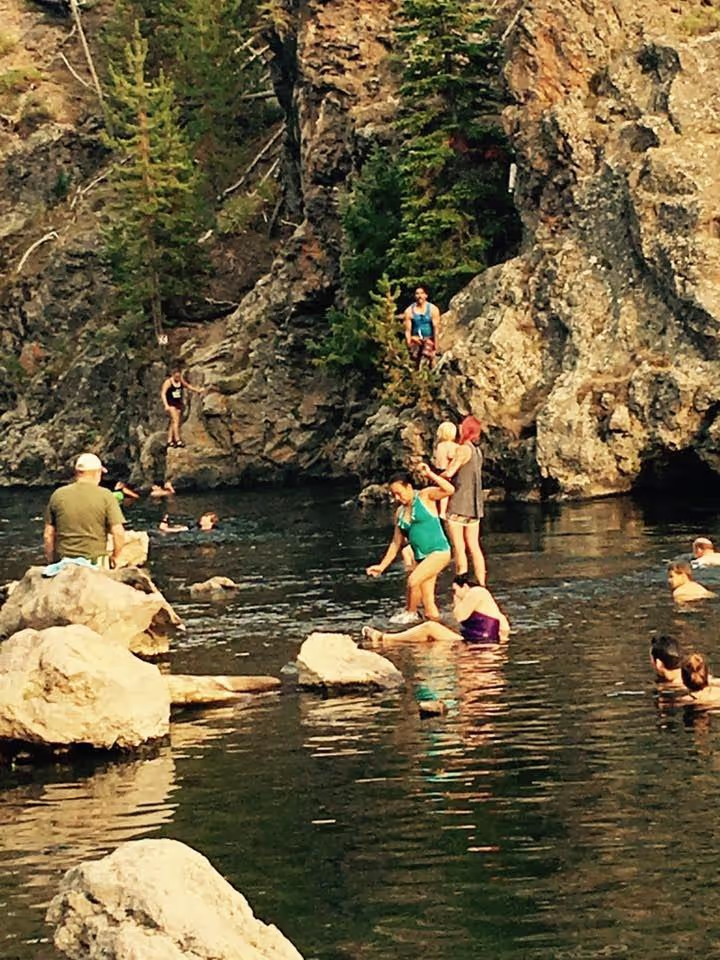
The swimming area has calmer sections suitable for families with older children, but the river also has stronger current zones and an eddy that has historically posed hazards to weaker swimmers. Life jackets are recommended and water wings are permitted. No diving or jumping from the canyon cliffs is allowed. The NPS does not station a lifeguard here. Swimsuits are required. No food, drink, or alcohol is permitted in the swim area. No inflatable floats or pool toys are permitted. The area is accessed via wooden stairs from the road and is not wheelchair accessible. No cell service is available in Firehole Canyon. The area is closed after dark.
Visitors seeking natural hot springs near West Yellowstone Wyoming should note that the Firehole Swimming Area is warmed by geothermal inflows, not a direct spring. The temperature is mild and variable. It is best experienced in mid to late summer when water levels have dropped and the temperature contrast with air temperature is most pleasant.
Safety & Etiquette
Firehole River Swimming Area Safety Tips
Firehole River Swimming Area has no lifeguard on duty and swimming is at the visitor's own risk. The river has variable current strength. An eddy in the swimming area has historically trapped swimmers and caused drowning incidents. Do not underestimate the current. Children and weaker swimmers should wear life jackets, which the NPS recommends for all visitors. Do not swim after alcohol consumption. Stay within the designated swimming area and do not swim upstream into stronger current zones.
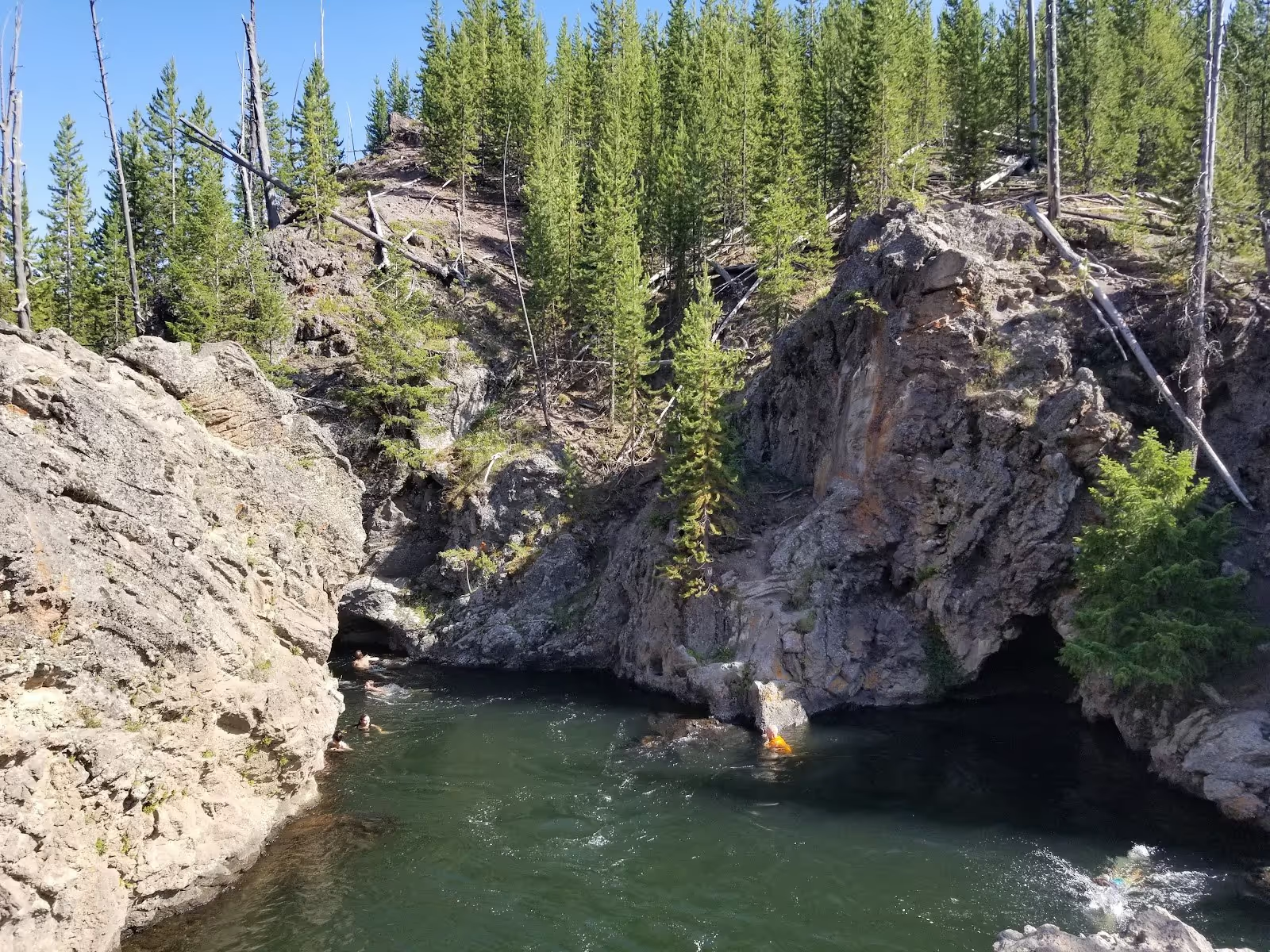
All soap, shampoo, conditioner, and similar substances are prohibited in or near the water, even if labeled biodegradable. This protects the river ecology including thermophilic organisms present in the geothermal-influenced water. Do not drink the river water or submerge your head near any geothermal feature. The canyon walls are steep volcanic rock. Climbing on the cliffs or jumping from them is illegal, strictly prohibited, and has caused serious injuries.
The road along Firehole Canyon Drive is one-way and narrow. Be alert for vehicle traffic when walking along the road shoulder to reach the swim area. The wooden stairs to the water can be slippery when wet. Limited parking is available and often fills on busy summer days. Arriving early improves your chances of finding a spot without a long wait.
The area is closed for winter and during spring high water. In years with significant snowpack, it can remain closed all season. Always verify current status at nps.gov/yell/planyourvisit/conditions.htm before driving to the site. Cell service is limited throughout Firehole Canyon. Download offline maps before entering the park. For emergencies, call 911 or the Yellowstone emergency line. The nearest hospital is in West Yellowstone or Jackson, Wyoming.
%252C%2520Wyoming%25201.avif)