
Quick FactsOverview
About Glenwood Hot Springs Pool
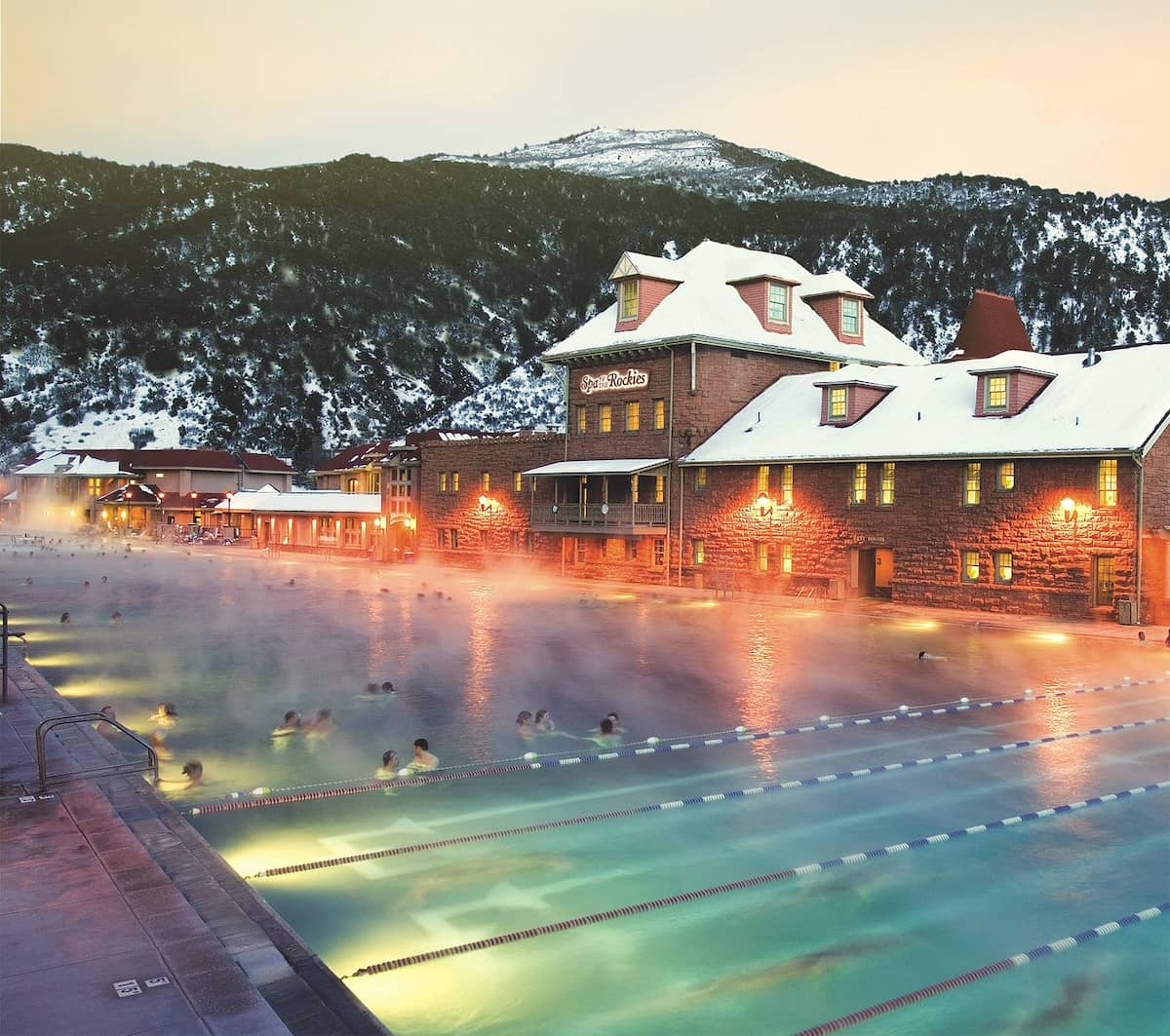
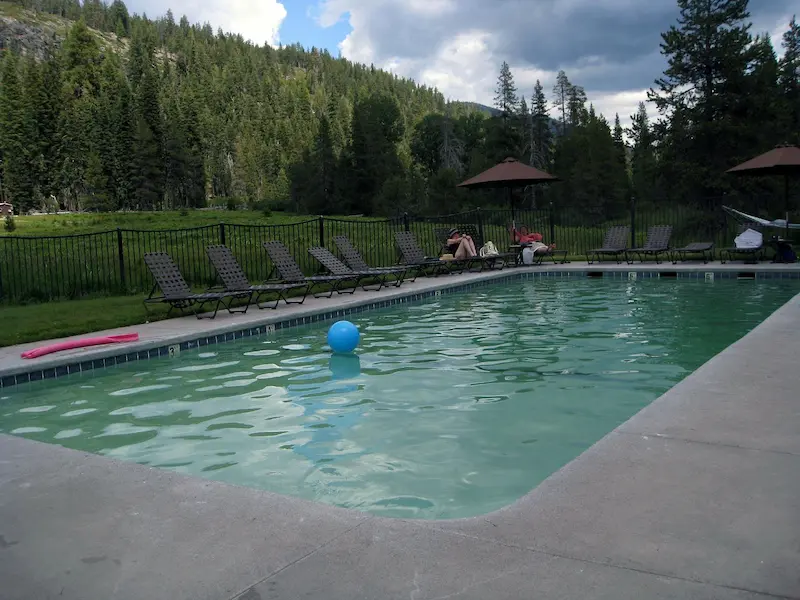
Glenwood Hot Springs Pool, Colorado is a paid resort at 401 N River Street in Glenwood Springs, operating since 1888 and recognized as the world's largest hot springs pool. The Grand Pool spans 405 feet and holds over one million gallons at 90 to 93 degrees Fahrenheit. Adjacent to it is the Therapy Pool at 104 degrees. The Yampah Mineral Baths add five smaller pools at varying temperatures plus two cold plunges. The Sopris Splash Zone features a river-ride attraction and a zero-entry children's pool. Water comes from the Yampah Spring at a source temperature of 122 degrees, cooled before entering the pools.
The mineral water contains 15 naturally occurring minerals and is filtered using an ozone system. No chlorine is used on the hot spring pools. Additional resort amenities include a 107-room lodge, boutique Hotel 1888 in the historic stone bathhouse, a full-service spa, an athletic club, a poolside grill, and a retail shop.
Ute Native Americans called the spring Yampah, meaning Big Medicine. Engineer Walter Devereux opened the current pool in 1888. From 1943 to 1946 it served as a U.S. Naval Convalescent Hospital. It is one of the most visited hot springs in Colorado and a well-known landmark on I-70 between Denver and Aspen.
Location & Access
Getting to Glenwood Hot Springs Pool
Glenwood Hot Springs Pool is at 401 N River Street, Glenwood Springs, CO 81601, directly off I-70 at Exit 116. From Denver, drive I-70 west approximately 160 miles to Exit 116, about two and a half hours. From Grand Junction, I-70 east roughly 90 miles, about one hour. From Aspen, CO-82 north to Glenwood Springs, about 45 minutes. Free parking is available on the property.
By train, the Amtrak California Zephyr stops daily at Glenwood Springs station, a short walk from the resort. By bus, the Bustang West Line runs between Denver and Glenwood Springs. The free Ride Glenwood Springs bus connects major local attractions. The pool is also reachable on foot via a pedestrian bridge from downtown Glenwood Springs. This central location on I-70 between Aspen and Vail makes it one of the most accessible options for those looking for hot springs near Glenwood Springs along Colorado's mountain corridor.
The resort is open daily year-round. Maintenance closures occur periodically and are posted on the resort website. Day passes can be purchased online or at the entrance. Lodge guests receive unlimited pool access. Outside food and beverages other than water are not permitted in the pool area. Swimwear is required. Towels, swimsuits, and lockers are available. The Sopris Splash Zone operates seasonally from spring through fall and has minimum height requirements for certain rides.
Suitability & Accessibility
Who Glenwood Hot Springs Pool Suits
Glenwood Hot Springs Pool suits families, groups, couples, and individual visitors of all fitness levels and ages. The Grand Pool is large enough to accommodate lap swimmers, casual floaters, children, and groups simultaneously. Children's areas include the zero-entry Hanging Lake Falls Pool and the Sopris Splash Zone. The property has documented ADA-accessible amenities including pool access ramps and accessible parking. Visitors with specific mobility needs should contact the resort directly to confirm current accessibility arrangements before visiting.
The range of pool temperatures from the cool end of the Grand Pool up through the 104-degree Therapy Pool and the various Yampah Mineral Baths allows visitors to self-select experiences based on personal preference and tolerance. The private cedar ofuro tubs are available at additional cost for those wanting a more secluded soak. The full resort campus, which includes a spa, athletic club, and dining, makes it a practical choice for a multi-day stay for those looking for natural hot springs in Colorado with comprehensive resort amenities.
The resort is highly popular and draws large crowds on summer weekends and holidays. Visitors who prefer a quieter experience should consider weekday mornings, the off-peak winter season, or arriving early. Cabana rentals are available in summer for those wanting a reserved shaded area. Advance online ticket purchase is available and can be convenient for planning, though walk-in entry is generally available when capacity allows.
Safety & Etiquette
Glenwood Hot Springs Pool Safety Tips
Glenwood Hot Springs Pool is generally safe for most visitors, with lifeguards on duty at the pools. The Grand Pool at 90 to 93 degrees is appropriate for extended swimming for most healthy adults and children. The Therapy Pool at 104 degrees is hotter than standard medical guidance recommends for extended soaking, so limiting time in this pool and alternating with cooler options is advisable, particularly for first-time visitors.
People with cardiovascular conditions, high or low blood pressure, or pregnancy should consult a physician before using the higher-temperature pools. The Sopris Splash Zone water rides have minimum height requirements enforced for safety reasons. Diving is permitted only in the designated area of the Grand Pool. The pool rules include no running on the pool deck and no glass containers in the pool area.
The outdoor setting and elevation of around 5,750 feet mean that sun exposure is more intense than at sea level. Sunscreen is strongly recommended, particularly in summer. Outside food, beverages other than water, and alcohol are not permitted in the pool area. The resort provides water refill stations throughout the property.
The pool is open daily year-round and does not close for weather except in genuinely extreme conditions. In winter, the steam rising from the warm pools can reduce visibility between pool areas; moving carefully on the pool deck in cold conditions helps avoid slips. Periodic maintenance closures occur and are announced in advance. The nearest medical services are in Glenwood Springs, within a short distance of the resort.