Quick FactsOverview
About Holtville Hot Springs
Holtville Hot Springs, California is a free BLM hot spring at 3700 Evan Hewes Highway in Holtville, in the Imperial Valley desert approximately 19 miles east of El Centro and beside Interstate 8. Two concrete pools are fed by an artesian well surfacing at about 125 degrees Fahrenheit; water cools to 104 to 110 degrees in the main pool and slightly cooler in the second pool. Valves allow visitors to adjust flow and temperature. A shower pipe at the entrance is used for rinsing before entering. Benches, shade, and a vault toilet are provided. No entry fee. Closes midnight to 5am. No animals inside the fenced area.
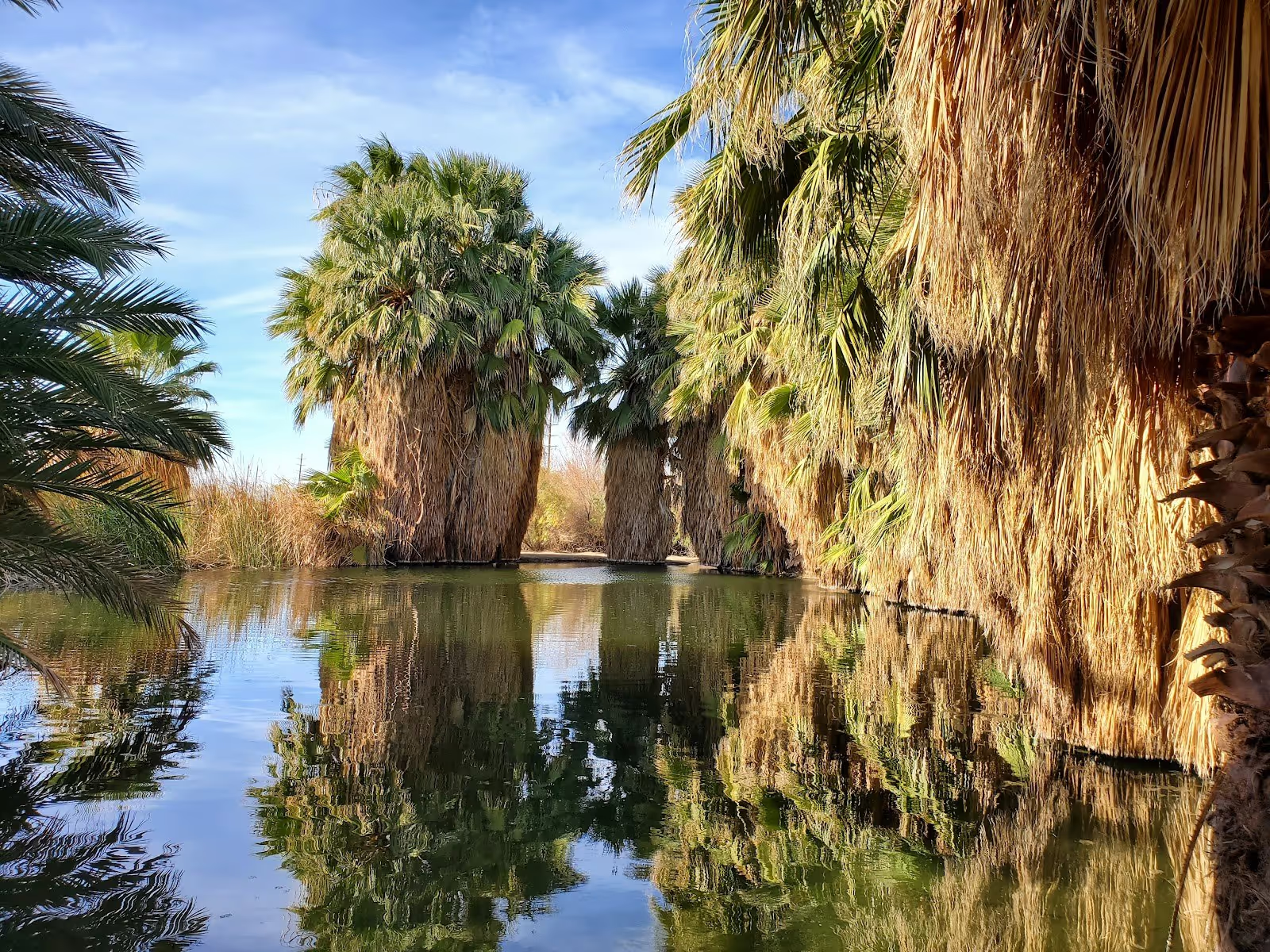
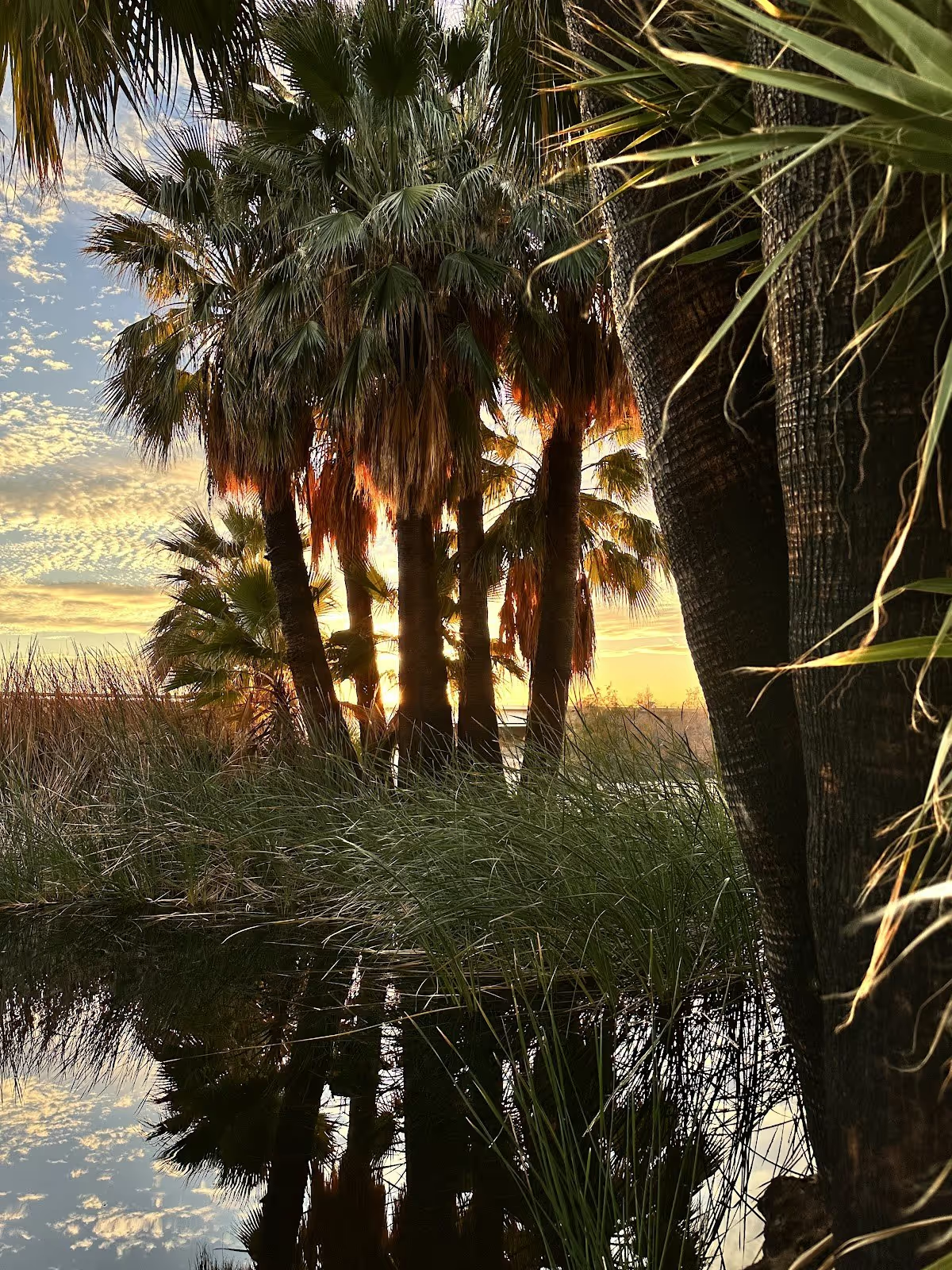
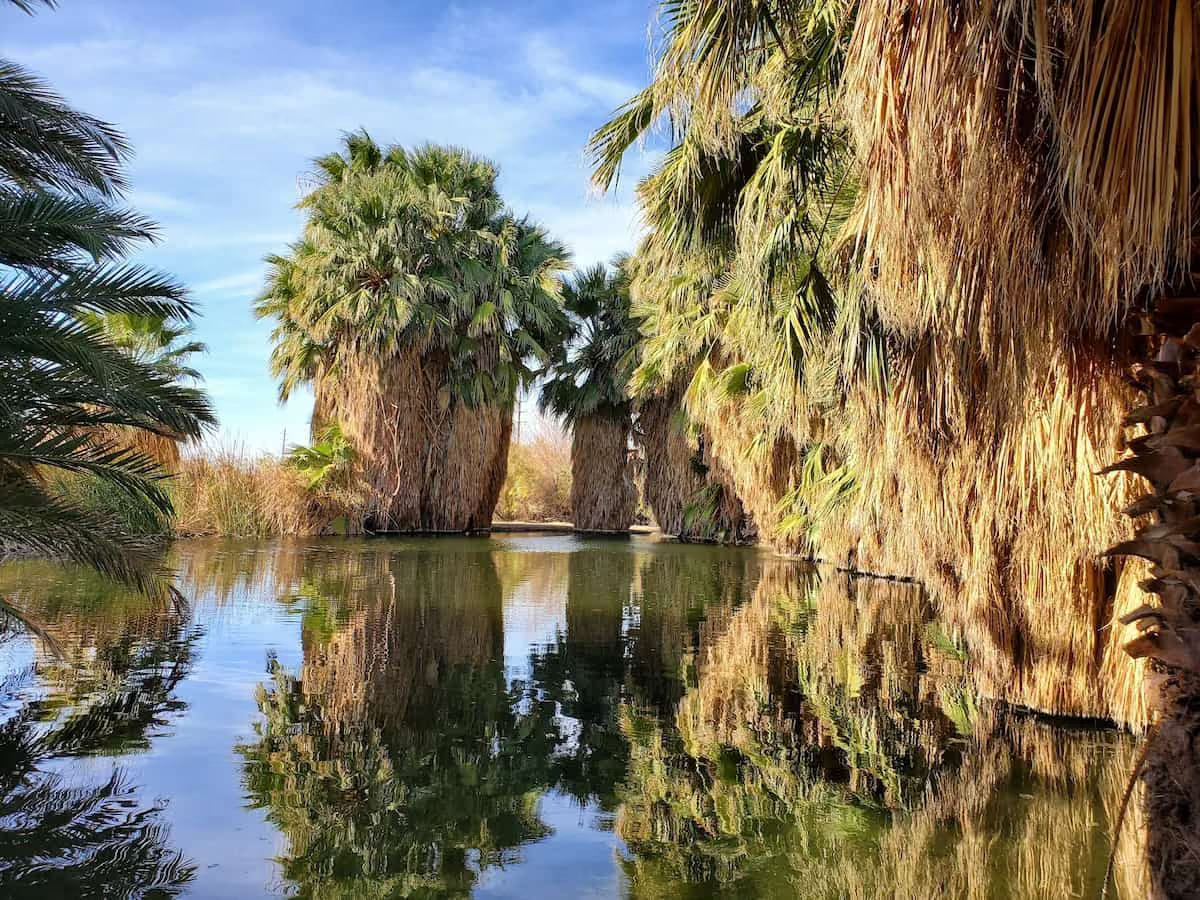
The spring is set in a grove of palm trees creating an oasis in the open desert. Water overflows from the pools into a warm lagoon pond at approximately 90 degrees; swimming in the lagoon is not permitted. The mineral water is colorless, slightly salty, and without a strong sulfur odor. Pool cleanliness is maintained periodically by a BLM camp host; condition varies.
The BLM Hot Springs Long Term Visitor Area across the road draws thousands of snowbirds each winter. This is one of the most accessible free natural hot springs in California, requiring no hike. Also known as Highline Hot Well and Old Fogey Hot Springs. Best visited October through April; summer temperatures regularly exceed 110 degrees.
Location & Access
Getting to Holtville Hot Springs
Holtville Hot Springs is at 3700 Evan Hewes Highway in Holtville, directly beside Interstate 8. From El Centro, drive east on I-8 approximately 19 miles to the Holtville exit and turn left onto Holt Avenue, which becomes Evan Hewes Highway; the springs are on the right. From Yuma, Arizona, drive west on I-8 approximately 40 miles to the Holtville exit. The site is visible from the highway and accessible by paved road to a gravel and dirt parking area. No hiking is required to reach the pools from the parking area.
The pool area terrain is unpaved and uneven; the site is not confirmed as wheelchair accessible. The facility closes midnight to 5am and overnight parking is not permitted at the spring site. Visitors may fill water jugs with mineral spring water, a common practice among snowbird campers. No separate potable drinking water tap is available.
For visitors looking for free natural hot springs near El Centro in the Imperial Valley, Holtville is the most accessible option in the region. The BLM Long Term Visitor Area directly across Evan Hewes Highway offers camping by permit from September 15 through April 15; free dispersed camping is available nearby. The nearest services are in Holtville approximately 7 miles west, and El Centro is approximately 19 miles west.
Suitability & Accessibility
Who Should Visit Holtville Hot Springs
Holtville Hot Springs suits families, snowbirds, desert road travelers, and anyone seeking a free drive-up mineral hot spring in the Southern California desert. The two pools at slightly different temperatures accommodate adults who prefer hotter soaking and younger visitors who prefer cooler water. Swimwear is required throughout the fenced area, making this a more family-accessible option than clothing-optional BLM springs elsewhere. The no-hike access from the parking area is convenient for visitors with limited mobility, though the terrain is unpaved and uneven.
The site is most pleasant October through April, when the Imperial Valley is mild and the adjacent LTVA fills with snowbirds. Summer visits are strongly discouraged; daytime temperatures regularly exceed 110 degrees and the combination of hot pool soaking with extreme ambient heat creates serious heat risk. Weekday visits and early morning timing offer a quieter experience than busy winter weekends.
Those seeking free natural hot springs near El Centro who need a no-hike, drive-up experience will find Holtville the most convenient free hot spring in the region. The palm oasis setting is visually distinctive, though the site sits immediately beside Interstate 8 and highway noise is constant. Pool cleanliness varies; visitors should assess conditions on arrival. The adjacent lagoon pond adds to the setting but is not available for swimming.
Safety & Etiquette
Safety at Holtville Hot Springs
Holtville Hot Springs is generally safe to visit with conditions to be mindful of. The artesian mineral water enters the main pool at approximately 104 to 110 degrees Fahrenheit. Test the water before entering and use the valves to lower the temperature if needed. Do not soak for extended periods without breaks, particularly on warm desert days. Guests with cardiovascular conditions, pregnancy, or other health concerns should consult a physician before soaking.
Pool cleanliness is variable and noted in multiple visitor accounts as a concern. The pools are cleaned periodically by a BLM camp host but on no fixed schedule. Algae and organic matter have been reported at times. Visitors with open wounds, skin conditions, or compromised immune systems should assess pool conditions before entering. The water is not chemically treated.
The facility closes midnight to 5am. Overnight parking at the spring site is not permitted; BLM rangers patrol the area. No animals of any kind are permitted inside the fenced enclosure. Do not enter the adjacent lagoon pond.
Summer heat is the most serious safety hazard at this site. Imperial Valley summer temperatures exceed 110 degrees and the combination with hot pool soaking creates rapid dehydration and overheating risk. Summer visits are strongly discouraged. In cooler months, bring drinking water and stay hydrated throughout your visit. The nearest medical facilities are in El Centro approximately 19 miles west. No emergency services are on-site and cell coverage can be limited in this area.