Quick FactsOverview
About Homosassa Springs
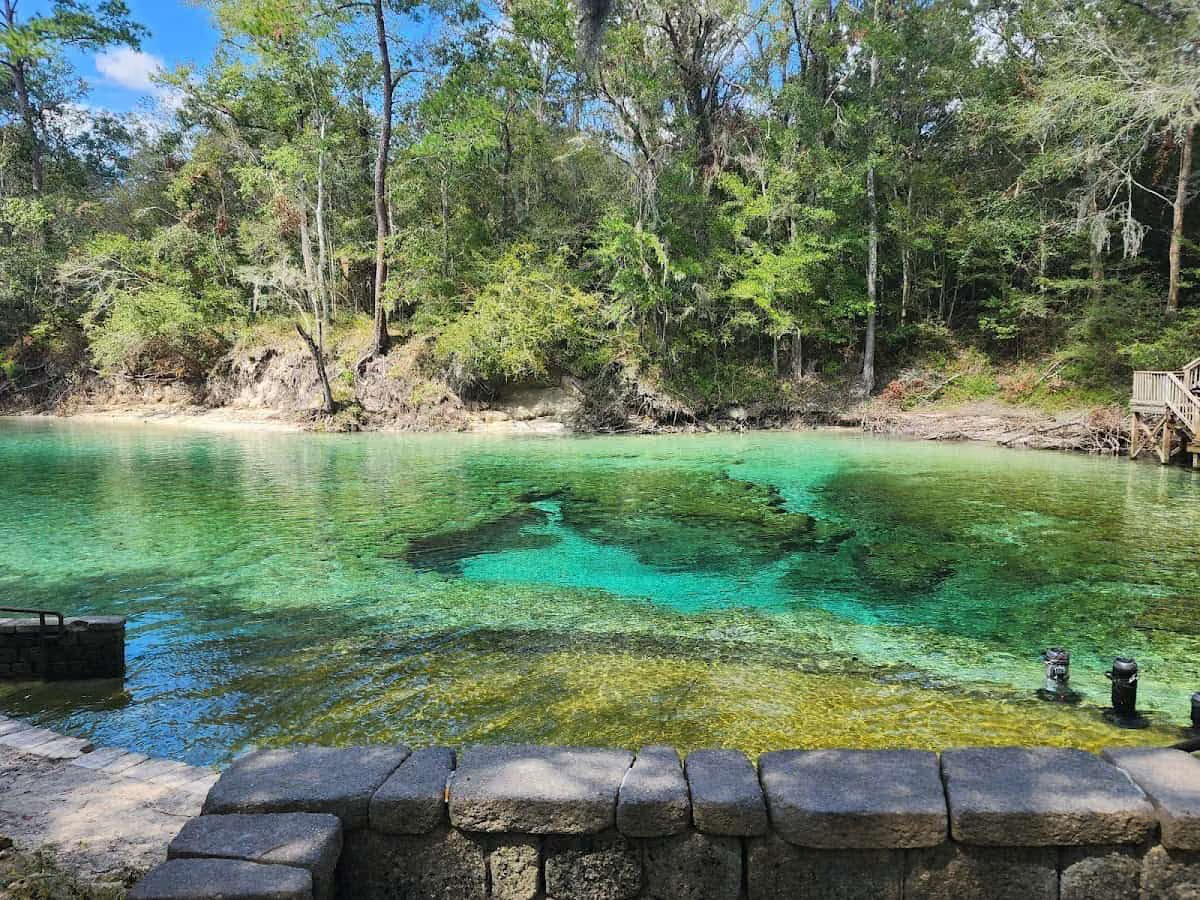
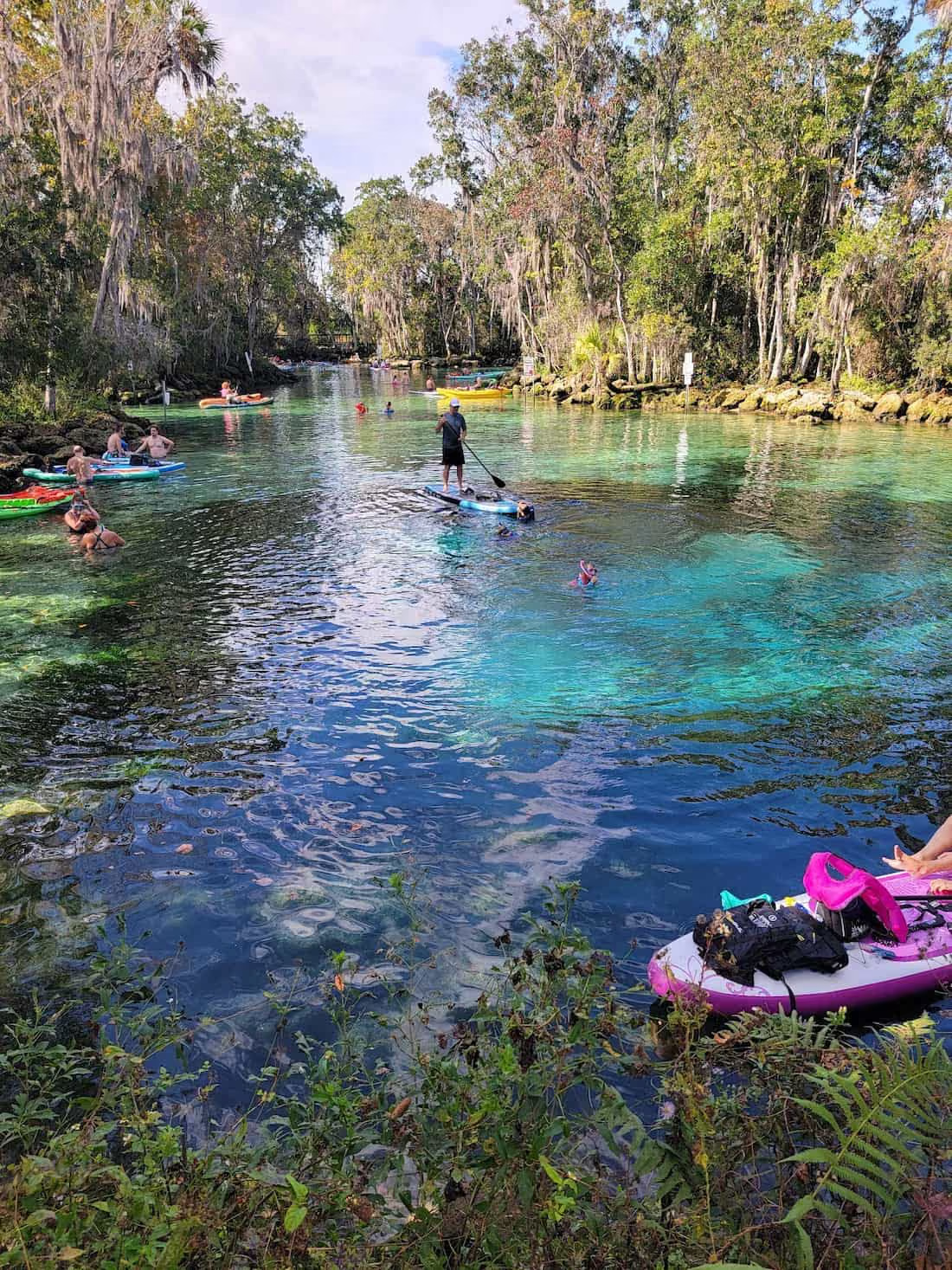
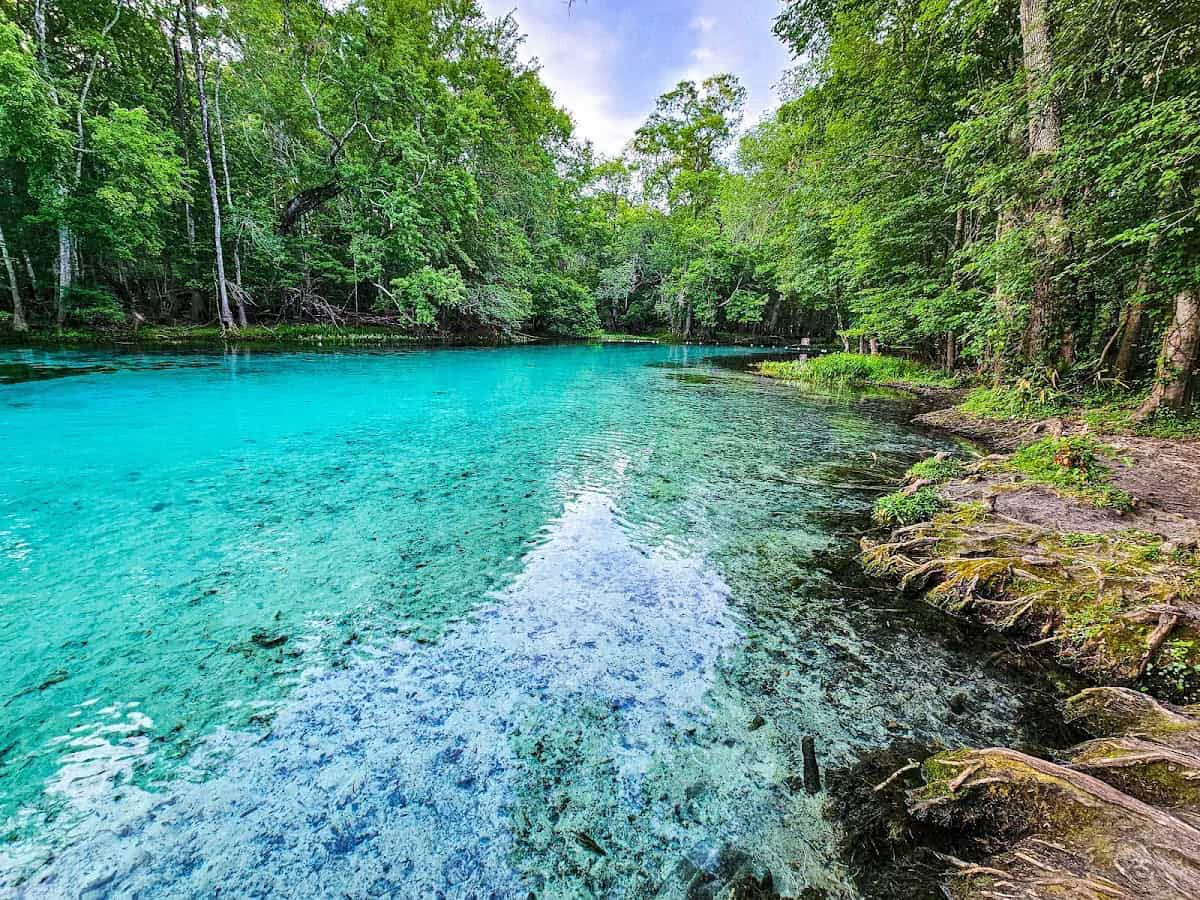
Homosassa Springs, Florida, officially named the Ellie Schiller Homosassa Springs Wildlife State Park in honour of the conservationist who helped transform it from a roadside attraction into a protected sanctuary, is a Florida State Park and wildlife rehabilitation centre built around the main spring of the Homosassa River. The park is located in Homosassa on US Highway 19 in Citrus County, approximately 75 miles north of Tampa. The Homosassa main spring is a first-magnitude spring, and for thousands of years it served as a gathering point for wildlife and humans alike. Visitors to the spring in the early 1900s could picnic and swim while trains were loaded at the nearby station; today the site has been redirected entirely toward wildlife conservation and education, and swimming is no longer permitted.
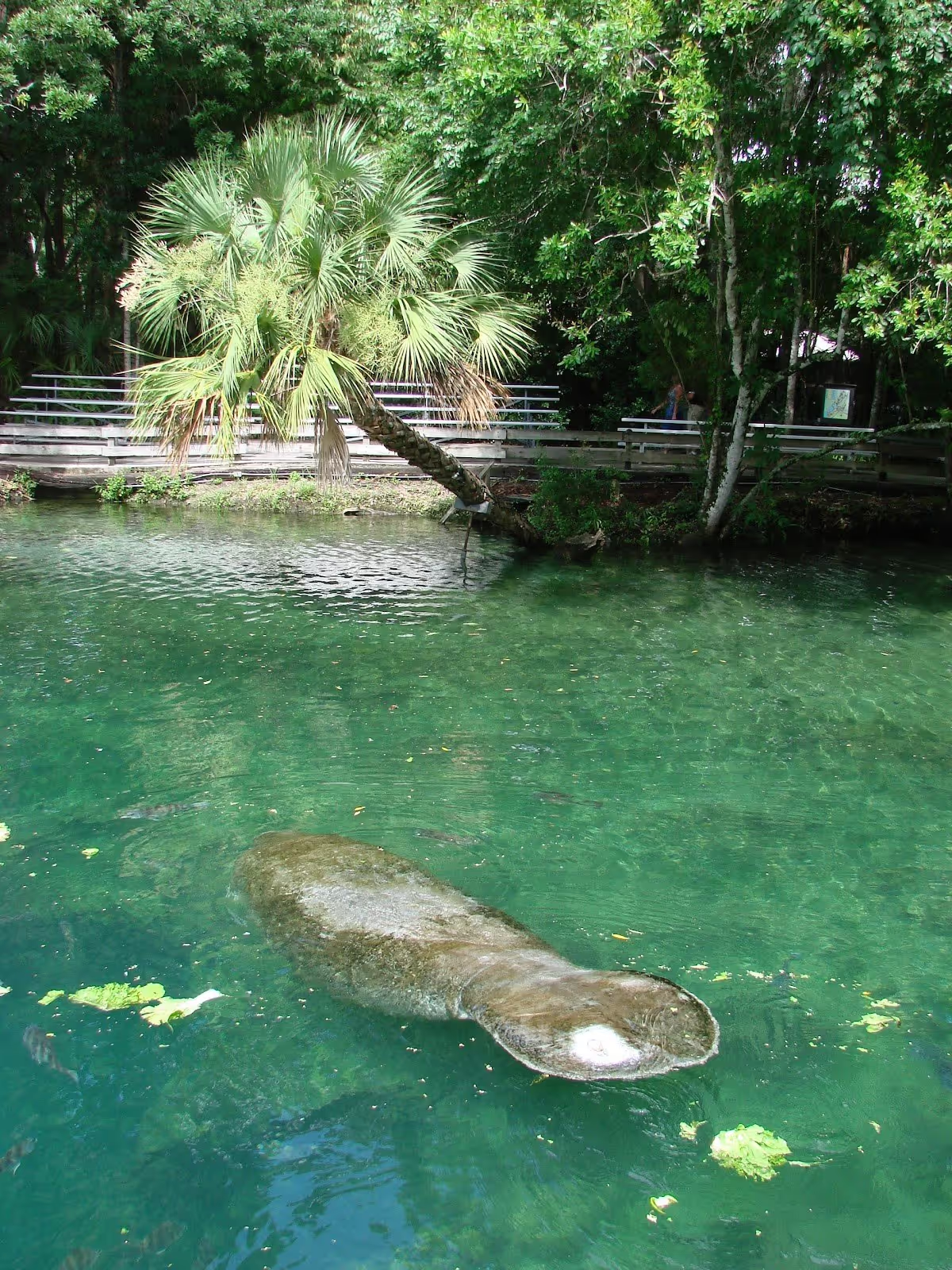
The central attraction of the park is the Fish Bowl Underwater Observatory, a floating structure submerged in the main spring that allows visitors to descend below the water surface and observe the spring and its residents through glass walls. Manatees are almost always present in the spring and are clearly visible from inside the observatory. A live-feed television screen on the observatory sundeck allows surface visitors to watch the underwater environment in real time. Manatee educational programs are presented daily at 11am and 1pm alongside the spring. The park also serves as a licensed rehabilitation centre for injured and orphaned manatees that recuperate in the spring before being returned to the wild.
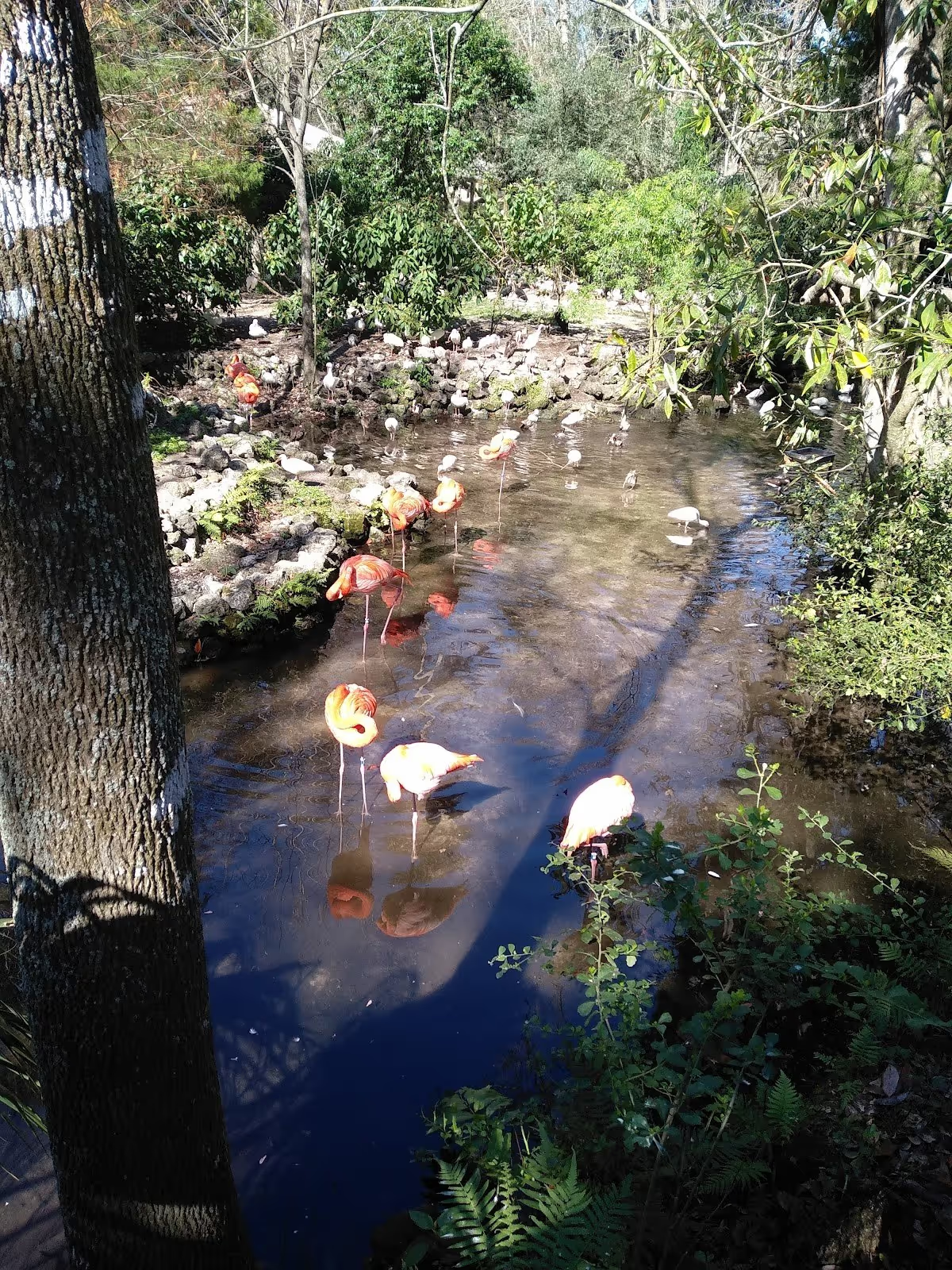
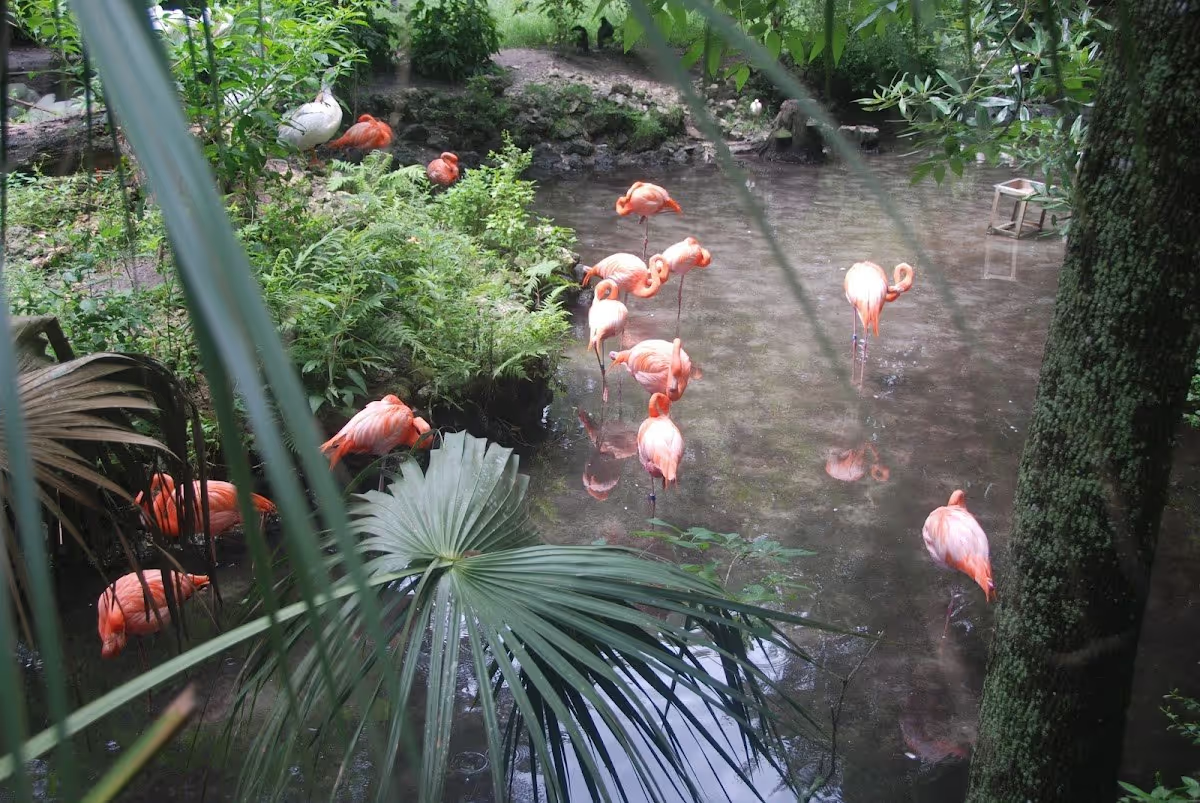
Beyond the spring, the park houses a collection of native Florida wildlife that has been rescued, injured, or is otherwise unable to survive in the wild. Residents include Florida panthers, red wolves, whooping cranes, black bears, bobcats, white-tailed deer, river otters, alligators, flamingos, pelicans, and bald eagles. The park's most well-known resident is Lu, a hippopotamus approximately 62 years old who was originally part of a television production and was granted honorary Florida citizenship to remain at the park due to his age. For visitors looking for accessible hot springs in Florida near Tampa in a wildlife sanctuary setting with spring observatory access, Homosassa Springs is the most distinctive option on Florida's Nature Coast.
Location & Access
Getting to Homosassa Springs
Homosassa Springs State Park is located at 4150 S Suncoast Blvd, Homosassa, FL 34446, on US Highway 19 in the town of Homosassa Springs. From Tampa, drive north on US 19 for approximately 75 miles to the park's main entrance on the right. From Crystal River, drive south on US 19 for approximately 7 miles. The GPS coordinates for the visitor centre are 28.8008 degrees North, 82.5766 degrees West. From the junction of US 19 and SR 44 in Crystal River, drive south 7.1 miles and look for the main entrance on the right with the visitor centre, ticket counter, and boat docks.
The park has two entrances. The main entrance on US 19 includes the visitor centre, ticket counter, museum panels, gift shop, boat docks, and tram access. From this entrance a 0.75-mile paved Pepper Creek Trail leads to the west entrance; alternatively a boat tour along Pepper Creek transports visitors the half-mile between entrances. A second entrance on West Fishbowl Drive provides direct access to the spring and Wildlife Walk for those who prefer to skip the visitor centre. As of February 4, 2026, the shuttle boat service along Pepper Creek is paused due to low water levels; check the park's official website for current boat tour status before visiting. Parking is free at both entrances.
The park is open daily from 9am to 5:30pm, with ticket counters closing at 4:45pm. The park is closed on Thanksgiving and Christmas Day. Admission is $13 for adults, $5 for children aged 6 to 12, and free for children 5 and under. For visitors looking for accessible hot springs in Florida near Tampa on the Nature Coast, the park is approximately one hour north of the Tampa metropolitan area and is easily reached on US 19 without any highway driving beyond the initial interstate approach from the south.
Suitability & Accessibility
Who Can Visit Homosassa Springs
Homosassa Springs suits families, wildlife enthusiasts, and visitors with limited mobility who want an accessible encounter with Florida's native species and spring ecosystem. The park does not offer swimming; the spring is viewed from the Fish Bowl Underwater Observatory and from the spring shoreline and boardwalk. Visitors who come expecting a swimming spring will find a very different experience, one focused entirely on wildlife and conservation. The park's daily wildlife programming, hands-on educational approach, and concentration of rare native species make it a strong choice for families with children of all ages. Children 5 and under enter free. Daily manatee programs at 11am and 1pm are well suited to school-age children and adults alike.
Wheelchair access at Homosassa Springs is among the most comprehensive of any spring park in Florida. Paved, wheelchair-accessible paths connect all major areas of the park. The Wildlife Walk consists of elevated boardwalks accessible to wheelchairs and strollers, with rain shelters at intervals. Complimentary manual wheelchairs are provided through the Friends of Homosassa Springs Wildlife State Park on a first-come basis; contact the park at 844-907-2772 in advance to confirm availability. The boat tour along Pepper Creek is accessible with a ramp for visitors using mobility devices. Note that the Fish Bowl Underwater Observatory requires descending stairs and is not accessible to wheelchair users; the live-feed television on the observatory sundeck provides an alternative view of the spring for those unable to use the stairs.
The park does not allow pets except ADA service animals. Complimentary shaded kennels are available at the visitor centre for guests who arrive with pets. WiFi is available at the visitor centre and west entrance. Photography is encouraged throughout the park; commercial photographers should check in at the park office. For accessible soaking pools in Florida near Tampa without a long drive, Homosassa Springs offers a fully paved and staffed environment that can be navigated comfortably by visitors of all mobility levels throughout an entire day visit.
Safety & Etiquette
Safety and Etiquette at Homosassa Springs
Homosassa Springs Wildlife State Park is a well-managed and staffed facility where safety risks to visitors are minimal. All wildlife exhibits are enclosed, and the animals present in the park are either in contained habitats or within secured areas. Visitors should stay within designated paths and behind barriers at all animal exhibits; do not reach over or through barriers at any point. The alligator exhibits are particularly important in this regard. No wildlife should be fed or disturbed; all animals in the park are either residents under care or wild visitors to the spring and forest.
The Fish Bowl Underwater Observatory requires using a staircase to descend below the water surface. The stairs can be wet and slippery; use the handrails and descend carefully. Children should be supervised closely on the stairs. There is no alternative accessible route into the observatory itself; the sundeck television provides an above-water view for those who cannot use the stairs. Do not enter the spring water at any point; swimming is not permitted and the spring is actively managed as a wildlife habitat.
The park is open 9am to 5:30pm. Ticket counters close at 4:45pm and the Wildlife Walk closes at 5pm. Plan your visit with enough time to complete the full wildlife loop before closing; the main loop is approximately 1.1 miles and takes at least 90 minutes if all animal exhibits are visited. The park is closed on Thanksgiving and Christmas Day; check the website before visiting on other major holidays. The shuttle boat service along Pepper Creek was paused as of February 2026 due to low water levels; visitors wishing to use the boat must check current availability. The tram connecting the two entrances remains available as an alternative. Bring water and sun protection; the Florida heat can be significant even in winter, and most of the park's paths are outdoors without shade overhead.