Quick FactsOverview
About Horseshoe Springs
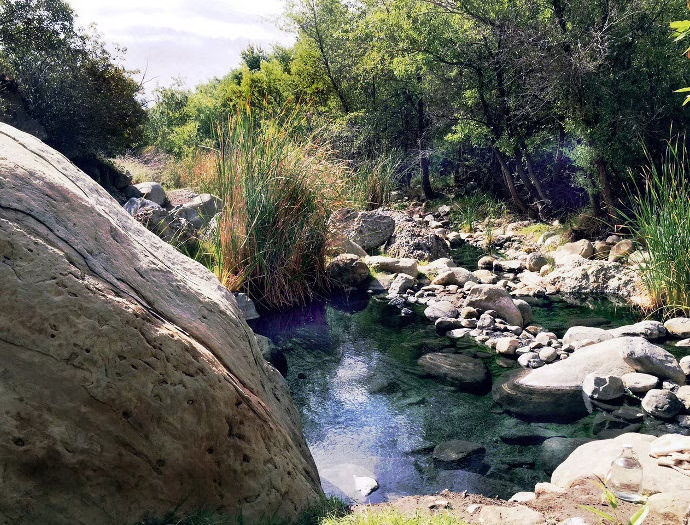
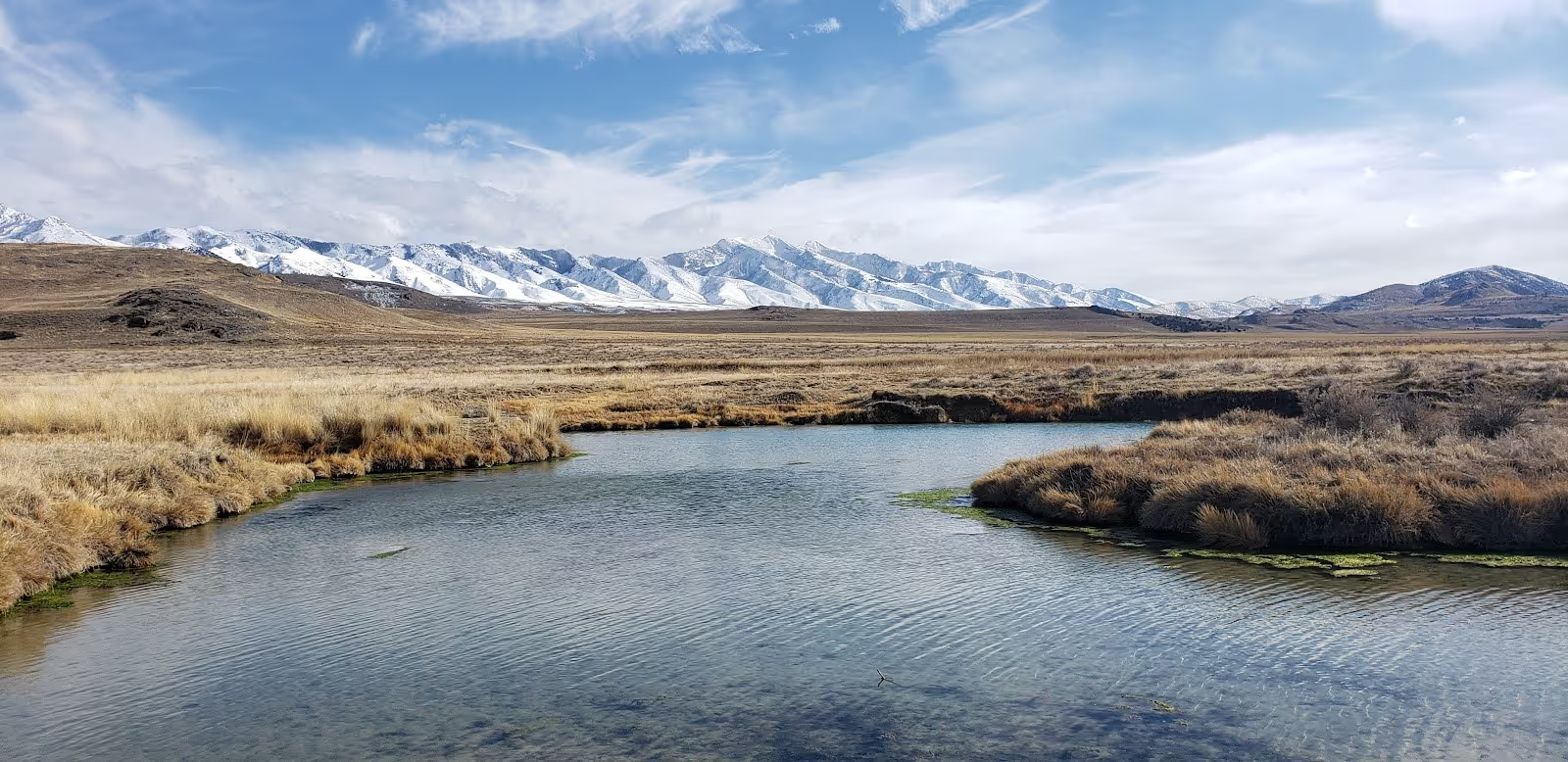
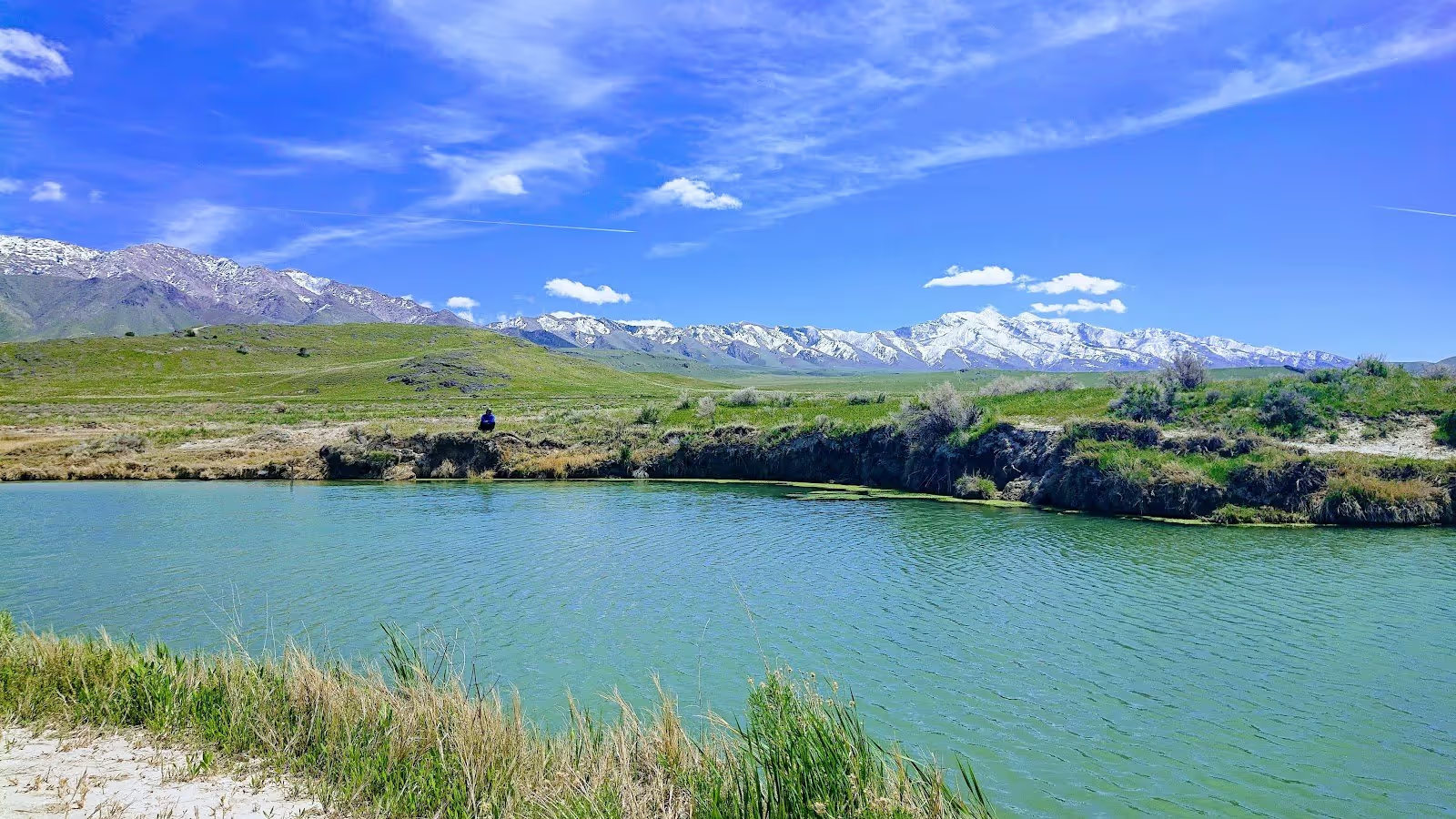
Horseshoe Springs, Utah is a free Bureau of Land Management Wildlife Management Area and historic site on the California National Historic Trail in Skull Valley, Tooele County, approximately 50 miles west of Salt Lake City. Two springs emerge from the western foot of the Stansbury Mountains along the Skull Valley fault system and join to create a horseshoe-shaped pool at approximately 70 degrees Fahrenheit. The site is managed today for its riparian habitat, fisheries, and wildlife values, with a visitor kiosk, interpretive displays, a boardwalk, and fishing access. It is not a soaking or swimming destination.
Horseshoe Springs is one of the historically significant water sources in Utah's West Desert. It was used extensively by local Goshute people and was the first spring in the region visited by European-American explorers, with Jedediah Smith passing through in 1827. In 1846, the springs became a critical rest stop on the Hastings Cutoff emigrant trail and were visited by the Donner-Reed Party during their ill-fated westward journey. The site is also near Iosepa, a historic ghost town founded in 1889 by Native Hawaiian Latter-day Saint converts who resettled here from Hawaii.
Location & Access
Getting to Horseshoe Springs
Horseshoe Springs is reached from Salt Lake City via Interstate 80 heading west. Take exit 77, signed for Dugway and Iosepa, and turn south onto State Route 196. Drive approximately 9.6 miles south on SR-196 to mile marker 27.3, where a signed turn for Horseshoe Springs is on the right. Follow the short dirt road west to the parking area near the springs. The dirt road is generally passable for standard vehicles. The total drive from Salt Lake City takes approximately one hour.
No restrooms are on site. No overnight camping is permitted at the springs. There are no services in this part of Skull Valley. Tooele, approximately 30 miles to the northeast, is the nearest town with fuel and grocery services. The nearby ghost town of Iosepa and its historic cemetery are approximately 10 minutes south on SR-196 and can be combined with a visit to Horseshoe Springs as a half-day trip from Salt Lake City. The site is open year-round as a free public area, but wind, sun exposure, and summer heat in the open desert should be anticipated. For those seeking hot springs near Salt Lake City for soaking, Bonneville Hot Springs in the same general area or Crystal Hot Springs in Honeyville are more suitable destinations.
Suitability & Accessibility
Suitability and Accessibility of Horseshoe Springs
Horseshoe Springs suits visitors interested in natural history, wildlife observation, fishing, and historical interpretation, as it is one of the most historically significant water sources in Utah's West Desert and is managed specifically for these purposes. It does not suit visitors looking for a hot spring soaking experience, as the water temperature is approximately 70 degrees Fahrenheit and the site is managed as a wildlife habitat, not a bathing facility. Attempting to soak or swim in the springs is not the intended use of this BLM Wildlife Management Area.
The boardwalk from the parking area is a short flat walk suitable for most visitors. The terrain is open desert with no shade and can be exposed and windy. There is no wheelchair-accessible infrastructure beyond the parking area. Families with children can visit safely as a nature and history stop, with appropriate supervision near the water.
Bird watching and wildlife observation are the primary recreational draws, with the riparian vegetation supporting bird species uncommon in the surrounding desert. Fishing is permitted under standard Utah state regulations. Visitors should bring water, sun protection, and insect repellent in warmer months. The historical context provided by the interpretive signage makes it particularly interesting for those researching natural hot springs in Utah from a geological or historical angle.
Safety & Etiquette
Horseshoe Springs Safety Tips
Horseshoe Springs is generally safe to visit as a viewing and walking site, and the main safety considerations are related to the exposed desert environment rather than the springs themselves. The site is in open Skull Valley with no shade, and summer temperatures can be extreme. Visitors should bring sufficient drinking water, wear sun protection, and avoid visiting during the hottest part of a summer day. The site is windy and dust can be an issue in dry conditions.
The spring water is brackish and not suitable for drinking. The water temperature of approximately 70 degrees Fahrenheit is not suitable for soaking and the water is managed for wildlife rather than human use. Visitors should not enter the springs or attempt to swim in the pool areas. The edges of the springs can be muddy and unstable.
Rattlesnakes are present in the Skull Valley region during warmer months. Visitors should watch where they step, particularly around rocks and vegetation near the spring edges. The boardwalk and short trail are the safest routes around the springs. Visitors should stay on designated paths and not disturb the riparian vegetation or wildlife around the spring.
There are no restrooms and no camping at the springs. Cell service in this part of Skull Valley can be limited. Visitors should be self-sufficient and should not rely on assistance being available quickly. The nearby highway SR-196 is the only paved road in the area, and the dirt access road can become muddy and impassable in wet conditions. If planning to visit in winter or after rain, check road conditions first.



%252C%2520Utah%25202.avif)