Hot Springs Cove, Canada
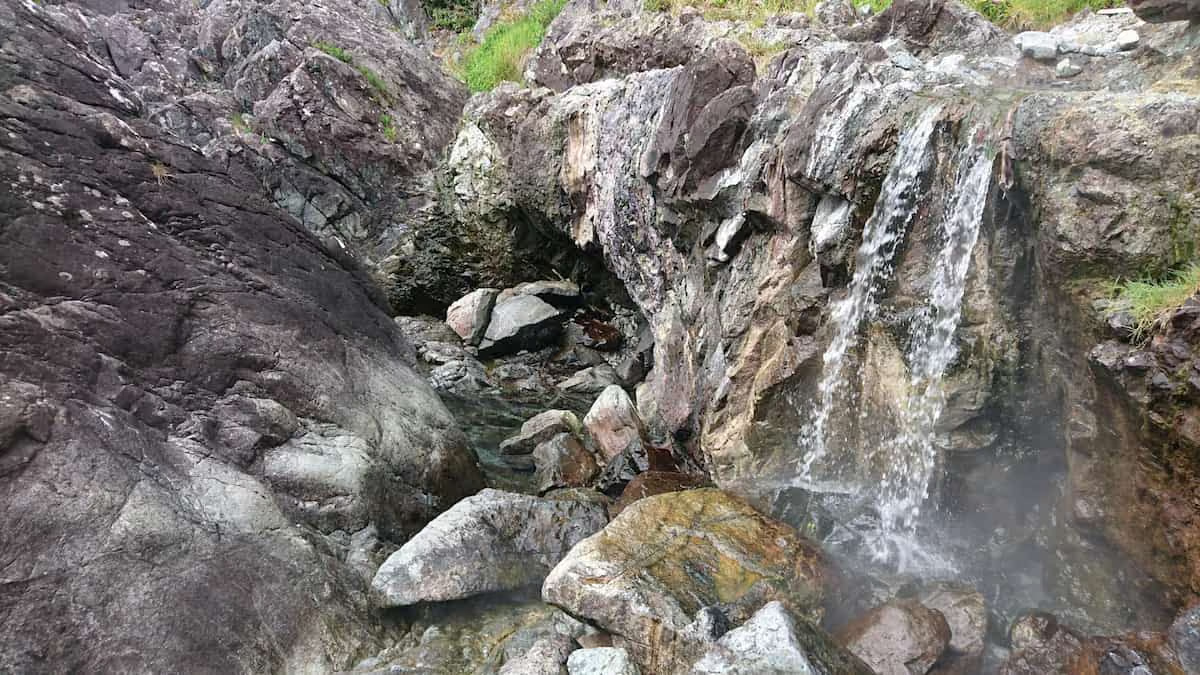
Wild geothermal pools on Vancouver Island, boat or floatplane only from Tofino, cascading over rock at the Pacific edge inside a provincial park.
Maquinna Marine Provincial Park, Alberni-Clayoquot Regional District, BC V0R 1A0
Tofino
CA
49.3497222
-126.2594444
Wild / Natural
Paid
Moderate hike
Remote area (natural hazards)
Swimsuit required
false
false
North America
hot-springs-cove-canada
How do I get to Hot Springs Cove from Tofino?
Hot Springs Cove is accessible only by boat or floatplane from Tofino. Boat tours take approximately 1 to 1.5 hours each way through Clayoquot Sound, covering roughly 27 nautical miles. Floatplane takes about 20 minutes. Multiple licensed tour operators depart from the Tofino waterfront, and advance booking is strongly recommended, especially during the May to September peak season. There is no road access.
What are the entry fees for Hot Springs Cove?
A BC Parks fee and an Ahousaht Stewardship Fee are charged per person at the dock. The stewardship fee goes directly to the Ahousaht Nation, which stewards the springs. Tour operators typically include these fees in the overall tour price or collect them separately on arrival. Confirm the current fee amounts with your tour operator before booking, as rates are subject to change.
Is Hot Springs Cove suitable for children?
Hot Springs Cove is generally not recommended for young children. The boat journey can be rough, the boardwalk includes many stairs, and the approach to the pools over wet coastal rock is uneven and slippery. Tour operators set minimum height or age requirements for safety reasons, and some vessel types require guests to meet specific size criteria for safety equipment. The water at the upper pools is very hot. Families with older children and teenagers who are comfortable on boats and uneven terrain may find the experience manageable.
Is Hot Springs Cove open in winter?
Hot Springs Cove and Maquinna Marine Provincial Park are open year-round. However, winter conditions including rough seas, high tides, and stormy weather can affect both the boat journey and access to the lower pools. During winter high tides, the lowest pools may be inaccessible due to wave action. Fewer tour operators run winter trips, and those that do closely monitor weather and sea conditions. A winter visit typically means having the pools to yourself, which many visitors consider a worthwhile trade-off for the conditions.
Are there facilities at Hot Springs Cove?
2026-09-21
Updated September 21, 2026
Hot Springs Cove, Canada
Wild geothermal pools on Vancouver Island, boat or floatplane only from Tofino, cascading over rock at the Pacific edge inside a provincial park.
Access Level
Moderate hike
Safety Level
Remote area (natural hazards)
What to Wear
Swimsuit required
Address
Maquinna Marine Provincial Park, Alberni-Clayoquot Regional District, BC V0R 1A0
Find a place to stay
Compare prices near this exact spot across Booking.com, Expedia and more.
See nearby stays →
Overview
About Hot Springs Cove
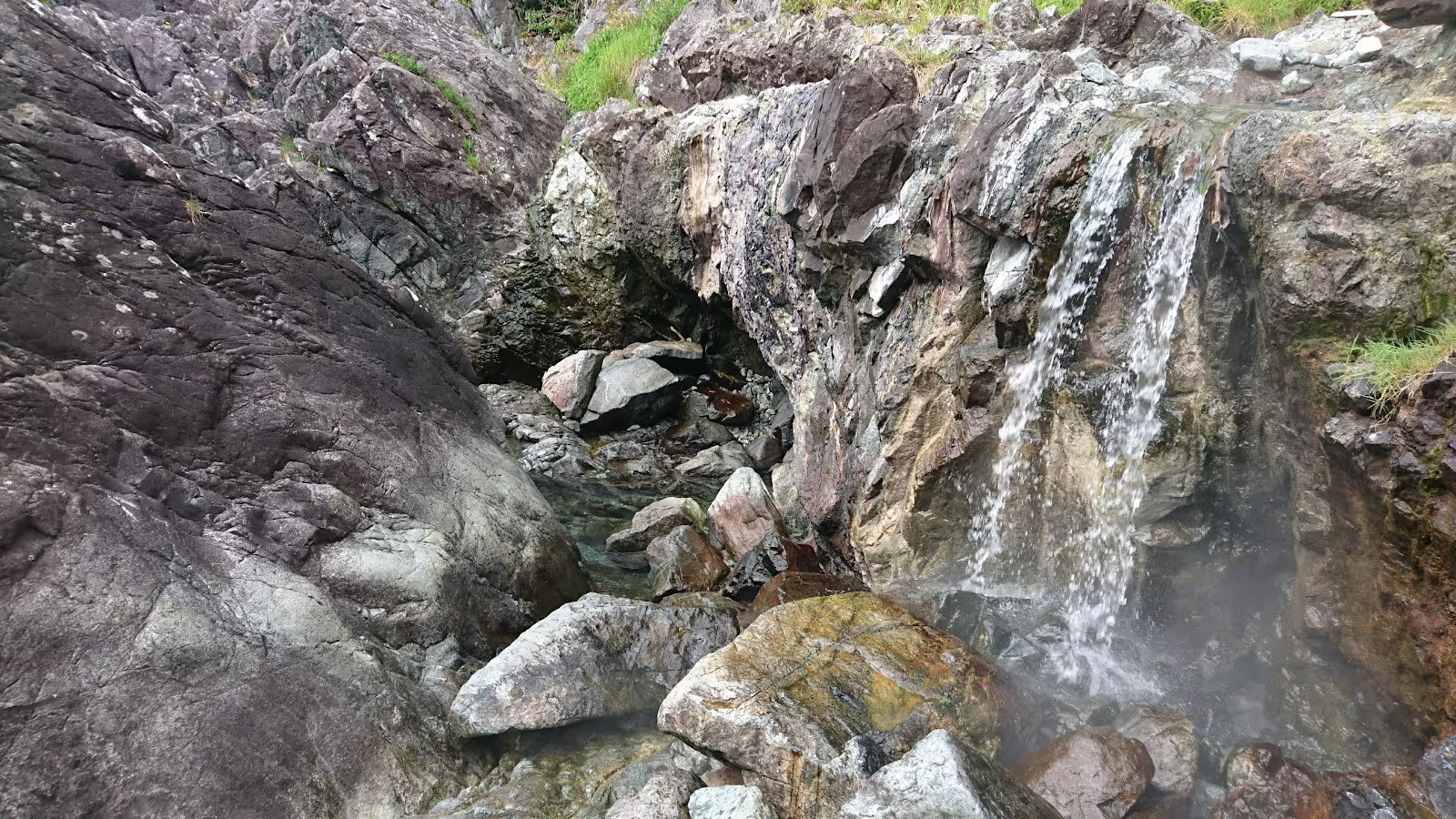
Hot Springs Cove, Canada is a natural wild geothermal spring on the west coast of Vancouver Island, within Maquinna Marine Provincial Park in Ahousaht territory, accessible only by boat or floatplane from Tofino approximately 27 nautical miles to the southeast. The spring emerges from a major geological fault and cascades over smooth coastal rock into a series of natural pools that gradually cool toward the ocean, with the lowest pools refreshed by Pacific swells. There are no constructed tubs at the spring. Entry fees include a BC Parks fee and an Ahousaht Stewardship Fee.
The hot springs have been used by the Hesquiaht and Ahousaht First Nations for centuries. The site attracted a small community known as Refuge Cove in the early twentieth century; Maquinna Provincial Park was established in 1955. The park is also known as Nism'aakqin Park and is stewarded by the Ahousaht Nation. Natural hot springs near Tofino are rare on Vancouver Island, and Hot Springs Cove is the most well-known. The approach from the dock is a 2-kilometre boardwalk through old-growth rainforest, approximately 30 to 35 minutes each way with several sections of stairs.
Location & Access
Getting to Hot Springs Cove
Hot Springs Cove is accessible only by boat or floatplane from Tofino, with no road access. By boat, the journey takes approximately 1 to 1.5 hours each way, covering roughly 27 nautical miles through Clayoquot Sound. By floatplane, the flight takes approximately 20 minutes from Tofino Harbour. Licensed tour operators in Tofino offer day trips and advance booking is strongly recommended during peak season from May to September.
From the dock in Maquinna Marine Provincial Park, a 2-kilometre boardwalk through old-growth rainforest leads to the spring pools, a walk of 30 to 35 minutes each way with multiple sets of stairs. From the boardwalk end, visitors navigate a short section of coastal rock to reach the pools. At high tide, wave action affects the lower pools; conditions should be assessed before entering.
Tofino is the only practical base for visiting, reachable from Vancouver by road and ferry via Nanaimo and Highway 4 in approximately five hours, or by scheduled floatplane. For those exploring natural hot springs in British Columbia accessible only by water, Hot Springs Cove is the most prominent example on the Pacific coast and is widely regarded as one of the most distinctive geothermal sites in the country.
Suitability & Accessibility
Who Should Visit Hot Springs Cove
Hot Springs Cove suits active adults and older teenagers who are comfortable with a boat ride through open coastal water, a 2-kilometre boardwalk walk with stairs, and navigating uneven coastal rock to reach and soak in natural pools. The site is not recommended for young children, visitors with mobility limitations, or those who are prone to seasickness, as tour operators explicitly note that the boardwalk includes stairs and the approach to the pools over wet coastal rock is not suitable for wheelchairs or guests with limited mobility. For those seeking natural hot springs in Canada that offer a genuine wilderness experience, it is among the most remote and rewarding in British Columbia.
The experience is a full-day commitment from Tofino, with most tours running six hours door to door including boat travel each way and approximately 1.5 to 2 hours at the springs. Visitors need to pack food and water for the day, appropriate layered clothing for coastal weather, water shoes or sandals with grip for the rocky pools, and a towel and swimwear. There are no shops or services at the springs.
Wildlife viewing is a consistent feature of the boat journey, with grey whales, humpback whales, sea otters, sea lions, and bald eagles regularly sighted along the route. The Ahousaht Nation, which stewards the springs, offers culturally guided tours through Ahous Adventures with guides who share the Indigenous history and significance of the territory. Visiting with an Ahousaht-operated or Ahousaht-partnered tour operator is the recommended approach for most visitors.
Safety & Etiquette
Hot Springs Cove Safety Tips
Hot Springs Cove is a remote area with natural hazards that require serious consideration: the spring water emerges from rock at approximately 50 degrees Celsius, the coastal rock approach to the pools is wet and slippery, there are no lifeguards, there is no cell phone coverage, and the nearest hospital is in Tofino accessible only by water or air. Visitors should always test pool water temperature before entering. The upper pools are hotter and the temperature decreases progressively toward the ocean.
The lower pools closer to the ocean are better suited for extended soaking but may be affected by cold swells at high tide. During winter high tides, the lowest pools should be avoided due to wave action and floating debris. Pregnant visitors, those with heart conditions, and young children should limit exposure to the hottest pools. The boardwalk trail is slippery when wet; appropriate footwear for both the trail and the coastal rock is essential. Water shoes with grip are strongly recommended. Minor cuts from the coastal rock are common, so a small first aid kit is advisable.
Bears and cougars are present in the park. Never leave food unattended and follow posted wildlife safety guidelines. The marine environment in Clayoquot Sound is subject to variable weather and sea conditions. Tour operators monitor conditions and may cancel trips for safety reasons. All passengers should follow tour operator safety briefings and any coast guard instructions. Visitors should not attempt to reach the springs independently by private boat without proper marine experience and equipment.
Frequently Asked Questions
1
How do I get to Hot Springs Cove from Tofino?
Hot Springs Cove is accessible only by boat or floatplane from Tofino. Boat tours take approximately 1 to 1.5 hours each way through Clayoquot Sound, covering roughly 27 nautical miles. Floatplane takes about 20 minutes. Multiple licensed tour operators depart from the Tofino waterfront, and advance booking is strongly recommended, especially during the May to September peak season. There is no road access.
2
What are the entry fees for Hot Springs Cove?
A BC Parks fee and an Ahousaht Stewardship Fee are charged per person at the dock. The stewardship fee goes directly to the Ahousaht Nation, which stewards the springs. Tour operators typically include these fees in the overall tour price or collect them separately on arrival. Confirm the current fee amounts with your tour operator before booking, as rates are subject to change.
3
Is Hot Springs Cove suitable for children?
Hot Springs Cove is generally not recommended for young children. The boat journey can be rough, the boardwalk includes many stairs, and the approach to the pools over wet coastal rock is uneven and slippery. Tour operators set minimum height or age requirements for safety reasons, and some vessel types require guests to meet specific size criteria for safety equipment. The water at the upper pools is very hot. Families with older children and teenagers who are comfortable on boats and uneven terrain may find the experience manageable.
4
Is Hot Springs Cove open in winter?
Hot Springs Cove and Maquinna Marine Provincial Park are open year-round. However, winter conditions including rough seas, high tides, and stormy weather can affect both the boat journey and access to the lower pools. During winter high tides, the lowest pools may be inaccessible due to wave action. Fewer tour operators run winter trips, and those that do closely monitor weather and sea conditions. A winter visit typically means having the pools to yourself, which many visitors consider a worthwhile trade-off for the conditions.
5
Are there facilities at Hot Springs Cove?
Facilities at the spring are minimal. Composting toilets are available at the dock and near the hot springs. Change huts are provided near the pools for swimmers to change into swimwear. There is no shelter at the dock, no fresh drinking water on site, no food or accommodation, and no reliable cell coverage. Visitors should bring everything they need for the day including food, water, first aid supplies, and clothing appropriate for variable coastal weather.
Gallery
No pictures available for this hot spring.
Location
Address:
Maquinna Marine Provincial Park, Alberni-Clayoquot Regional District, BC V0R 1A0
Find a place to stay
Compare prices near this exact spot across Booking.com, Expedia and more.
See nearby stays →
49.3497222
-126.2594444
Hot Springs Cove, Canada
Text LinkMaquinna Marine Provincial Park, Alberni-Clayoquot Regional District, BC V0R 1A0
More hot springs in Canada
Some accommodation links on this site are affiliate links. If you book through them, we may earn a small commission at no additional cost to you. This helps keep hotspringsguides.com free to use.