Quick FactsOverview
About Hot Springs Long Term Visitor Area
Hot Springs Long Term Visitor Area, California is a Bureau of Land Management facility in Imperial County, located near the town of Holtville in the low desert of southern California. The site centers on a historic and still-active geothermal spring that has been developed into a public soaking pool and shower facility for visitor use.
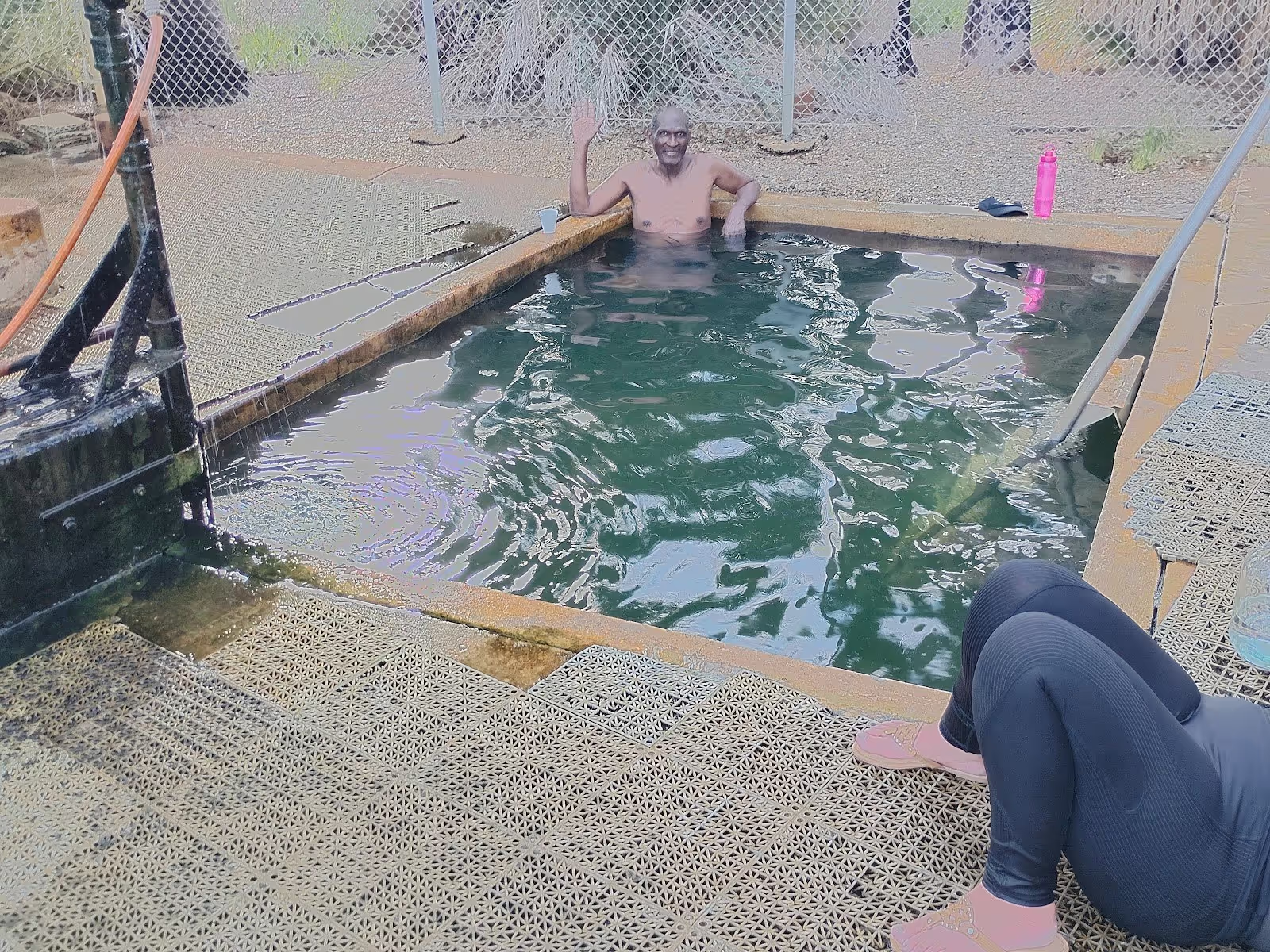
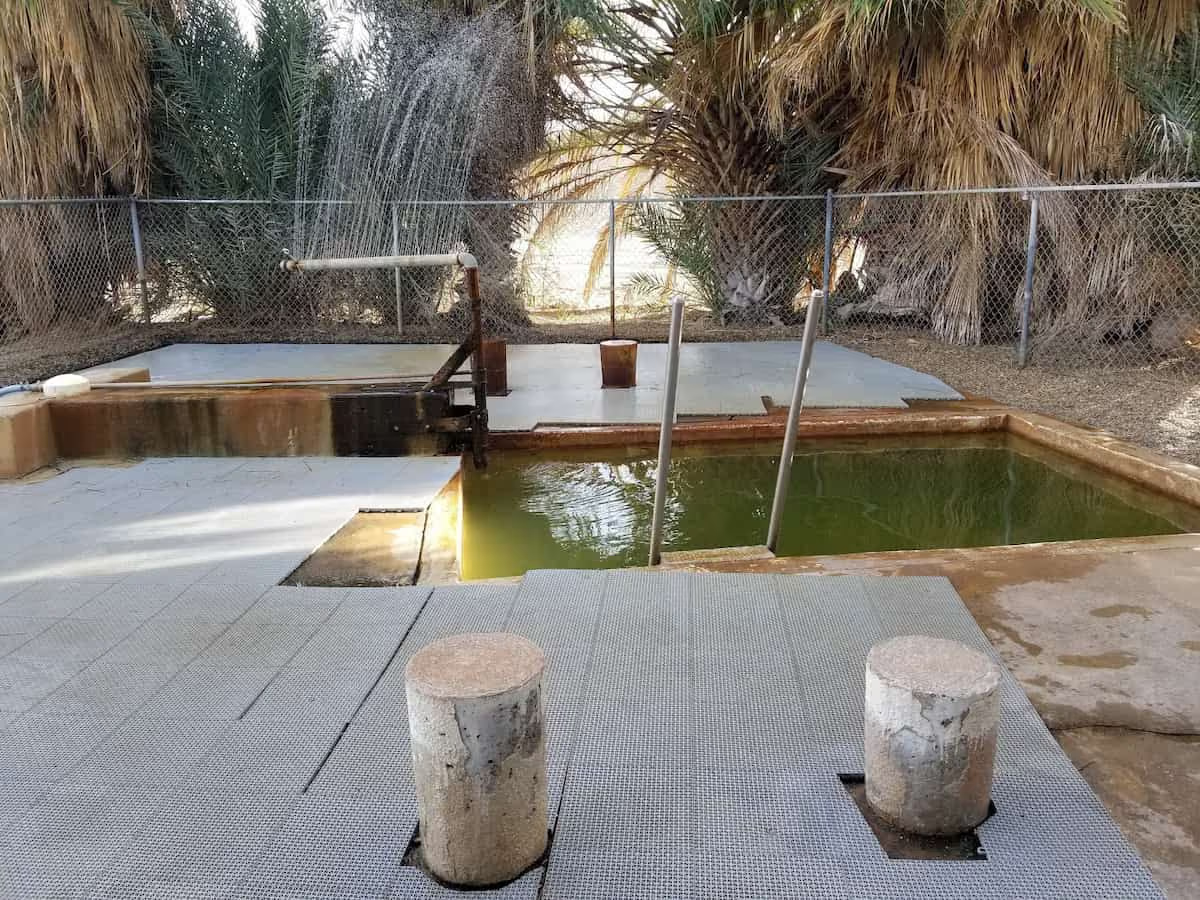
The hot spring feeds a concrete soaking pool large enough for multiple visitors at once, with an adjacent shower nozzle supplied by the same geothermal source. Seating and shade structures are present at the day-use area, along with pit toilets and trash facilities. The surrounding landscape is flat desert, characteristic of the Imperial Valley, with open terrain extending in all directions from the facility.
The LTVA model allows visitors to camp on BLM land adjacent to the hot springs for extended periods, making the Hot Springs Long Term Visitor Area one of the more popular soaking pools in southern California among winter travelers and RV communities. The site attracts thousands of visitors each season, with snowbirds from colder regions making up a significant share of the extended-stay population. Fresh mineral water from the spring can also be collected in jugs for personal use at camp.
Location & Access
Getting to Hot Springs Long Term Visitor Area
Hot Springs Long Term Visitor Area is reached from Interstate 8 by taking Exit 131 onto CA-115 North, then turning east on Evan Hewes Highway and continuing approximately 3.8 miles to the site entrance. Clear signage directs visitors from the freeway exit to the hot spring facility and the adjacent camping areas.
The site sits roughly 15 miles from El Centro and about 6 miles from the town of Holtville, making it convenient for visitors who need to resupply, dump tanks, or access drinking water. There is no hiking involved in reaching the hot spring; the pool area is a drive-up destination with parking directly adjacent to the facility.
Road surfaces leading to the facility are paved and suitable for passenger vehicles and large RVs alike. There is no cell service at the site, so directions should be confirmed before arrival. The facility is open year-round, though summer temperatures in the Imperial Valley can be extreme. For those seeking hot springs near Holtville while traveling the I-8 corridor between El Centro and Yuma, this site is one of the most accessible options in the region, requiring no hiking and no advance reservation for day use. Visitor numbers are highest from October through March during the core snowbird season.
Suitability & Accessibility
Who Hot Springs Long Term Visitor Area Suits
Hot Springs Long Term Visitor Area suits a broad range of visitors, including families with children, because the soaking pool is at ground level, the terrain is completely flat, and no physical exertion is required to reach or use the facility. The pool is well-maintained and has long been a popular destination for multi-generational groups and local day visitors from the Imperial Valley.
The facility is not wheelchair accessible in the standard sense, as the pool requires stepping in and some of the surrounding ground is unpaved. For visitors seeking family hot springs near Holtville with a relaxed, no-frills desert setting and minimal cost, this site is a practical and frequently visited option. Bathing suits are required at all times in and around the pool, and nudity is not permitted.
Long-term campers, RV travelers, and winter snowbirds make up the majority of extended-stay visitors, with the LTVA filling up considerably between November and February. Day visitors are welcome regardless of whether they hold a camping permit, and no fee is charged specifically for using the hot spring pool itself. Pets are not permitted inside the fenced hot spring area, though they may be kept at camp under standard BLM rules. The site offers a combination of free soaking access and affordable extended camping that draws a diverse and repeat-visit community each season.
Safety & Etiquette
Safety and Etiquette at Hot Springs Long Term Visitor Area
Hot Springs Long Term Visitor Area is generally safe for soaking, though visitors should test the water temperature before entering, as geothermal output can vary and pool conditions may differ from one visit to the next. The developed concrete pool reduces the unpredictability of a wild spring, but basic caution when entering any geothermal water remains appropriate.
The hot spring area is a shared public facility used by a diverse range of visitors including families, older adults, and long-term campers. Respectful behavior is expected and generally observed. Visitors should keep the pool and surrounding area clean, remove all trash, and avoid monopolizing the space during busy periods. The facility is cleaned regularly by on-site hosts, and maintaining that standard is a shared responsibility among all users.
Summer visits require careful planning due to extreme desert heat. Air temperatures in the Imperial Valley can exceed 110 degrees Fahrenheit during peak summer months, making outdoor hot spring use inadvisable in the middle of the day. Winter visits are far more comfortable and represent the peak season. Visitors should bring their own drinking water, as the spring water is mineral-rich and intended for soaking rather than direct consumption without treatment.
Camping permits are required between September 15 and April 15. Visitors who are camping must obtain a permit from the on-site host before setting up in the designated LTVA zones. Day-use visitors using only the hot spring pool are not required to purchase a camping permit. Leave No Trace principles apply throughout the site and surrounding BLM land.