Quick FactsOverview
About Hot Springs of Polichnitos
Hot Springs of Polichnitos, Greece is a paid public thermal bathhouse on Lesvos, on the banks of the Almyropotamos River approximately 1.5 kilometres south-east of Polichnitos town and 43 kilometres from Mytilini. The springs are among the hottest in Europe, with source temperatures ranging from 60 to 95 degrees Celsius. The site reopened as Hippocrates Thermal Springs Polichnitos following a major renovation in August 2023.
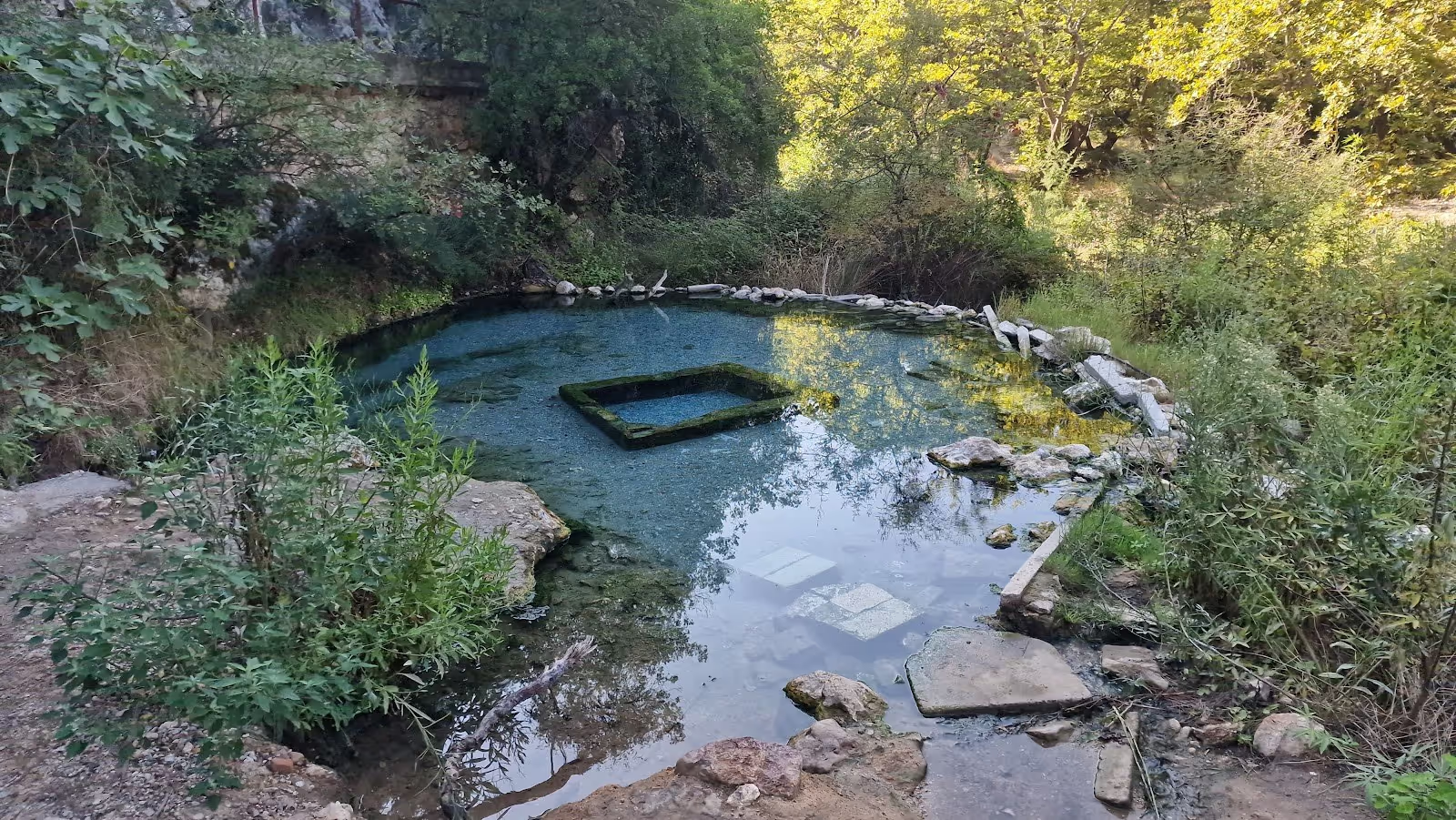
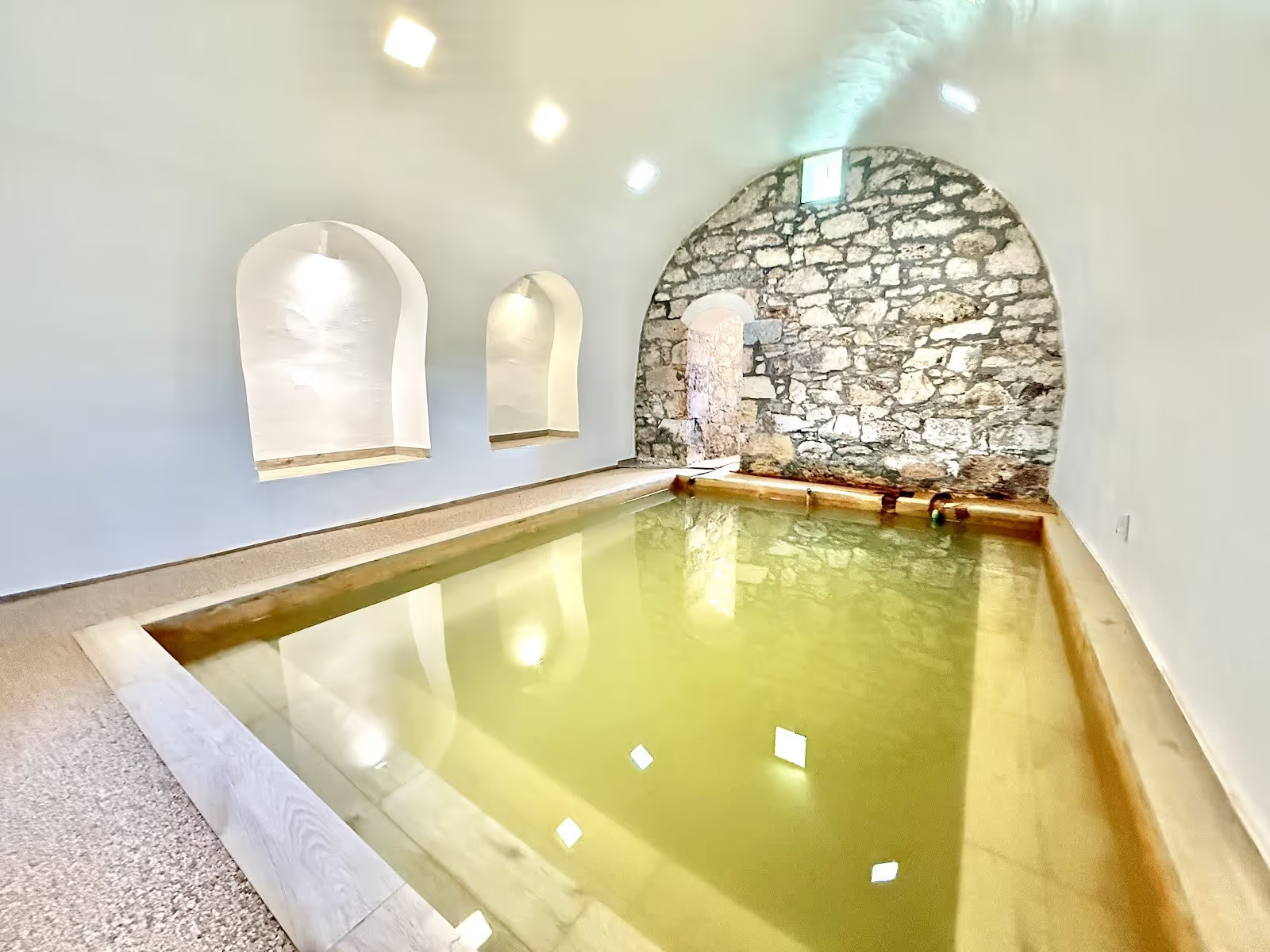
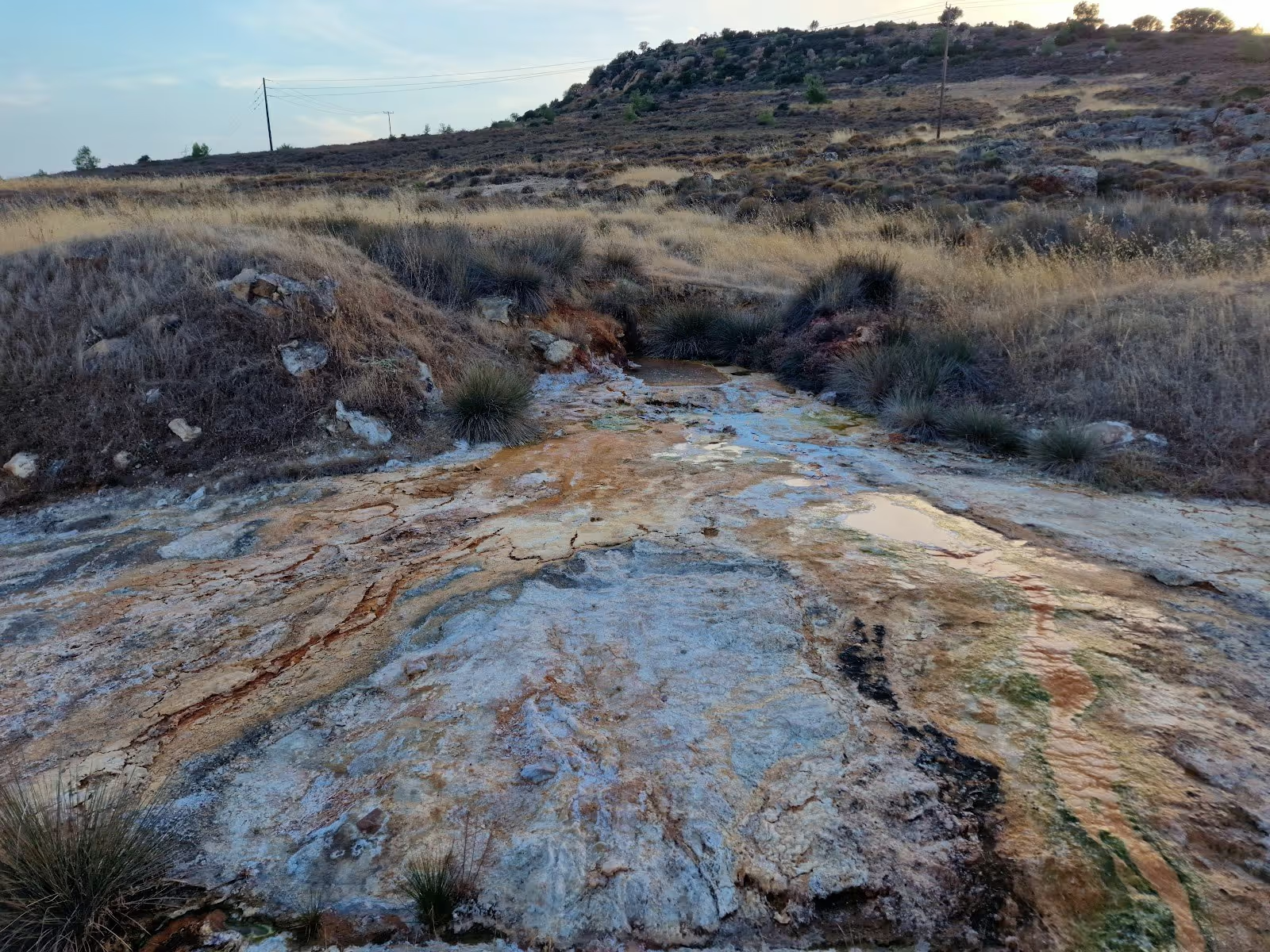
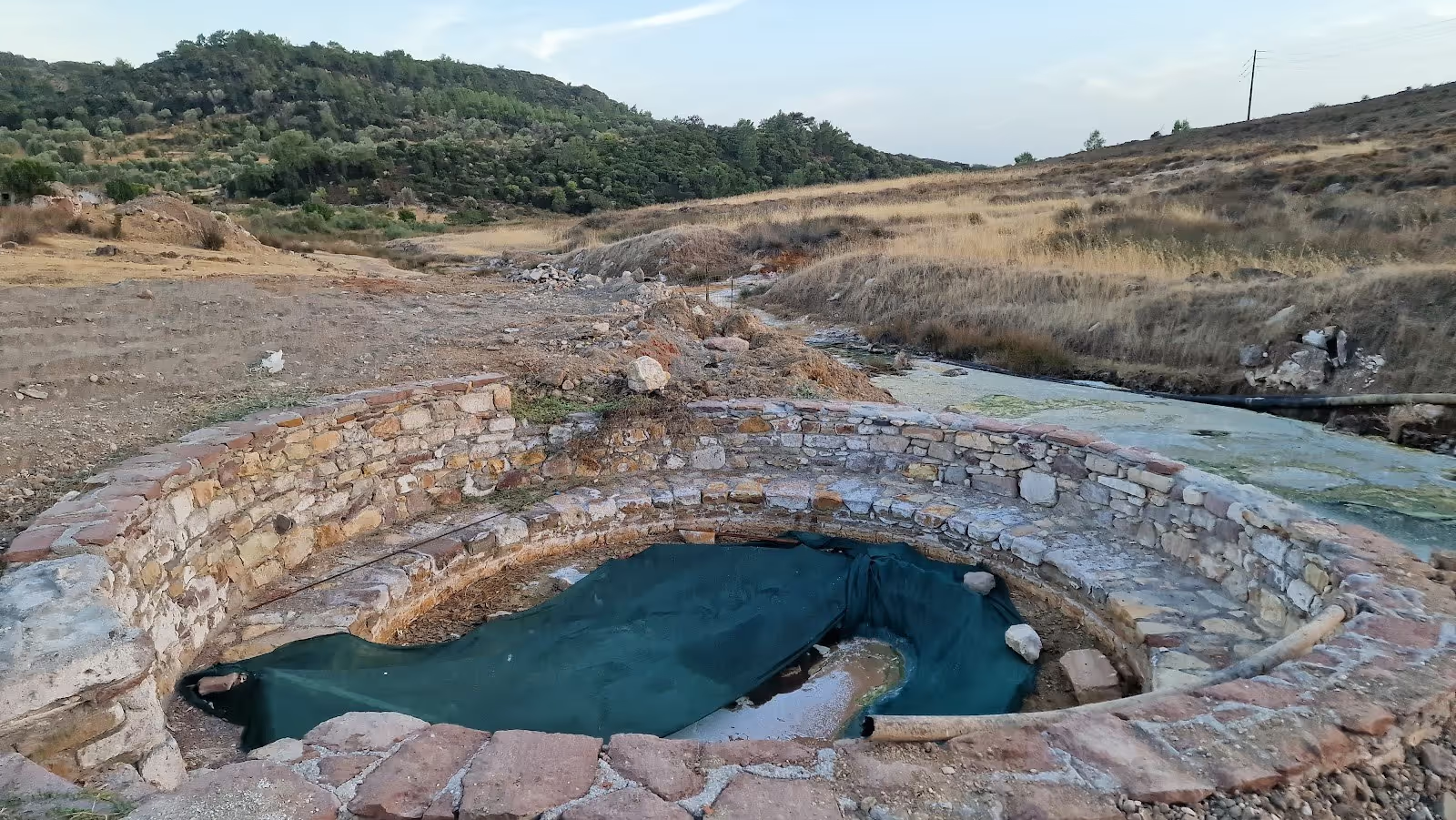
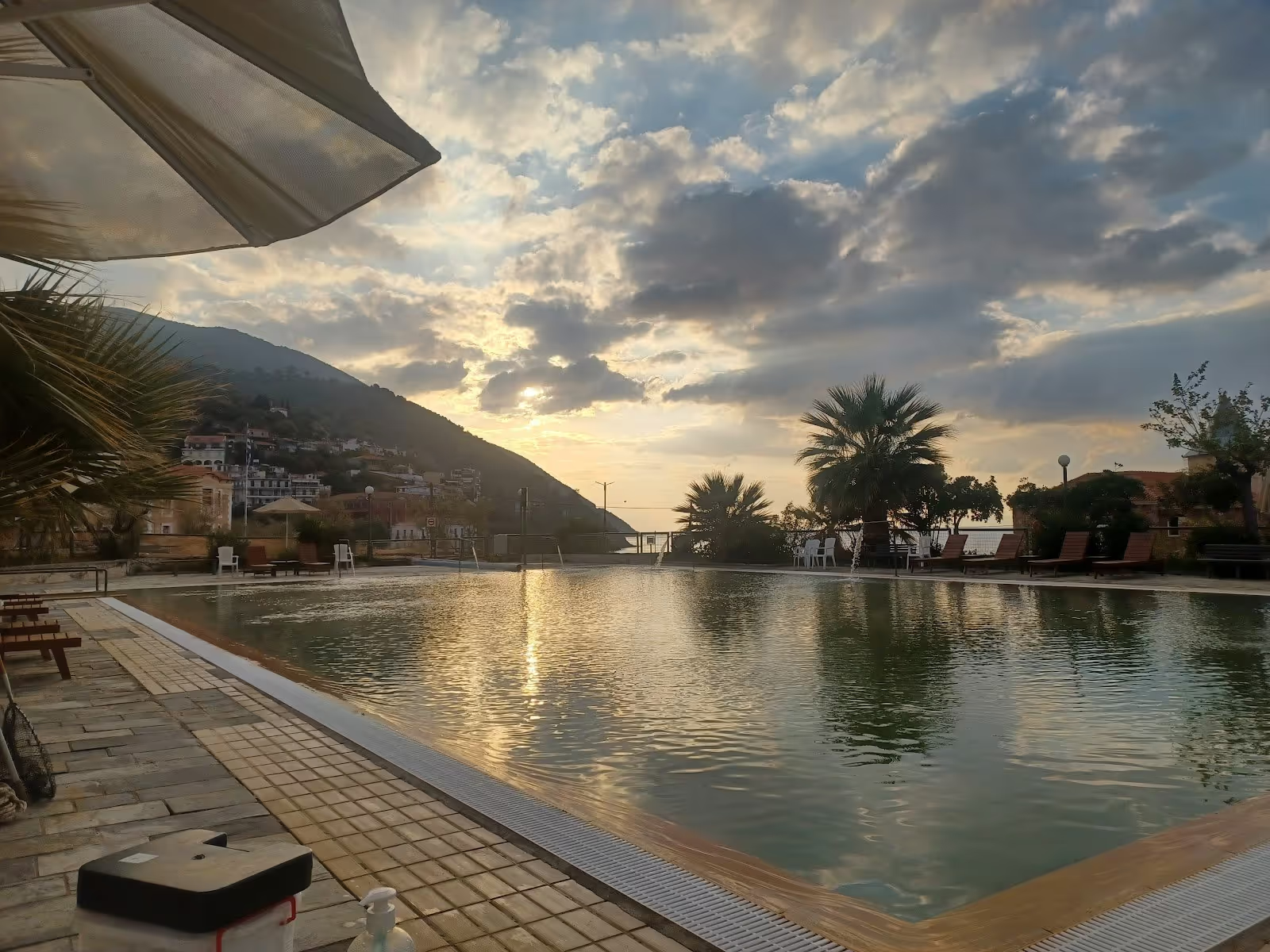
The bathhouse sits at around 60 metres above sea level among eucalyptus trees in a volcanic landscape of steaming streams, boiling ponds, and mineral-stained rocks. The main structure houses two separate pools for men and women, cooled from the extreme source temperatures to therapeutic bathing levels. Spring water is transparent and odourless, enriched with carbonic acid, chloride and sulfate, sodium and calcium salts, iron, magnesium, manganese, and radon at 15 to 25 MACHE units. Massage therapy and a cafe are available on site.
For visitors exploring therma loutra on Lesvos, Polichnitos is the most geologically dramatic destination on the island. The surrounding geothermal landscape is worth exploring beyond the bathhouse itself, and the site sits within the broader Lesvos Geopark.
Location & Access
Getting to Hot Springs of Polichnitos
Hot Springs of Polichnitos are located at the 1st kilometre of the Polichnitos-Vatera Road, Polichnitos 81300, Lesvos, approximately 1.5 kilometres south-east of Polichnitos town and 43 kilometres from Mytilini. By car from Mytilini the drive takes approximately 50 minutes via the main road south-west through the island to Polichnitos, then following signs toward Vatera for the short distance to the springs. The site is signposted from the Polichnitos junction.
No regular public bus service connects directly to the springs. Visitors typically travel by hire car, taxi, or as part of an organised excursion from their accommodation on the island. The road from Polichnitos town to the springs is short and paved. A parking area is available on site. Visitors staying in the Vatera beach area to the south can also reach the springs easily, as Vatera is around 9 kilometres from the bathhouse via the same road.
The wider Polichnitos area offers additional interest: the geothermal landscape around the springs includes active steaming streams and mineral-coloured rocks that are visible from paths around the facility, and the site sits within the Lesvos Geopark. For visitors seeking hot springs near Mytilini on Lesvos, Polichnitos is the most dramatic in terms of geological setting and is typically reachable as a half-day excursion from the capital.
Suitability & Accessibility
Who Hot Springs of Polichnitos Suits
Hot Springs of Polichnitos suits adults seeking the therapeutic properties of high-temperature mineral water in a natural, geologically distinctive setting. The bathhouse is recommended for visitors dealing with chronic rheumatism, arthritis, skin conditions, sciatica, myalgic pain, gynaecological conditions, and lymphatic disorders. A maximum bathing time of around 15 minutes per session is advised, with egg timers on the walls to help visitors keep track. The therma loutra experience here is genuinely intense rather than recreational.
Separate pools for men and women are provided, and private baths can sometimes be arranged. The on-site cafe and massage service make it well-suited to a half-day visit. The volcanic landscape around the bathhouse is unusual and interesting to explore before or after bathing, with active geothermal features visible in the riverbank environment.
The facility is not suitable for young children given the extreme source temperatures and intensity of the mineral water. No documented wheelchair accessibility provisions exist for this site. The terrain includes uneven volcanic ground and riverside paths. Visitors with mobility needs or relevant health conditions should contact the site directly before travelling. As the springs reopened after renovation in August 2023, visitors should confirm current seasonal schedules and admission arrangements in advance.
Safety & Etiquette
Hot Springs of Polichnitos Safety Tips
Hot Springs of Polichnitos require careful attention to safety due to source temperatures reaching up to 95 degrees Celsius in the volcanic ground around the facility. Visitors must not touch, step into, or disturb the naturally occurring hot streams, boiling ponds, or steaming vents visible in the surrounding landscape, as direct contact with undiluted source water causes severe burns. The bathing pools inside the bathhouse operate at cooled therapeutic temperatures, but guests should enter slowly and check the water temperature carefully before immersing.
A maximum session of around 15 minutes is the standard recommendation. The spring water contains radon at 15 to 25 MACHE units. Guests with heart conditions, low or high blood pressure, pregnancy, kidney or liver disease, or systemic illness should consult a physician before bathing. The water is formally contra-indicated for communicable, cancerous, and certain chronic diseases.
The volcanic ground around the bathhouse can be thermally active beyond the fenced area. Visitors should stay on marked paths and not explore the wider geothermal field unguided. Children must be closely supervised near natural vents at all times. The facility has staff on site during operating hours. Seasonal hours vary and the bathhouse is closed outside the operating season, so visitors should confirm current opening times before travelling. Following the 2023 renovation the site has clearer visitor facilities, but given the extreme natural conditions, maintaining awareness of your surroundings throughout the visit is essential.
%252C%2520Greece%25205.avif)
%2C%20Greece.avif)