
Quick FactsOverview
About Hyder Hot Springs
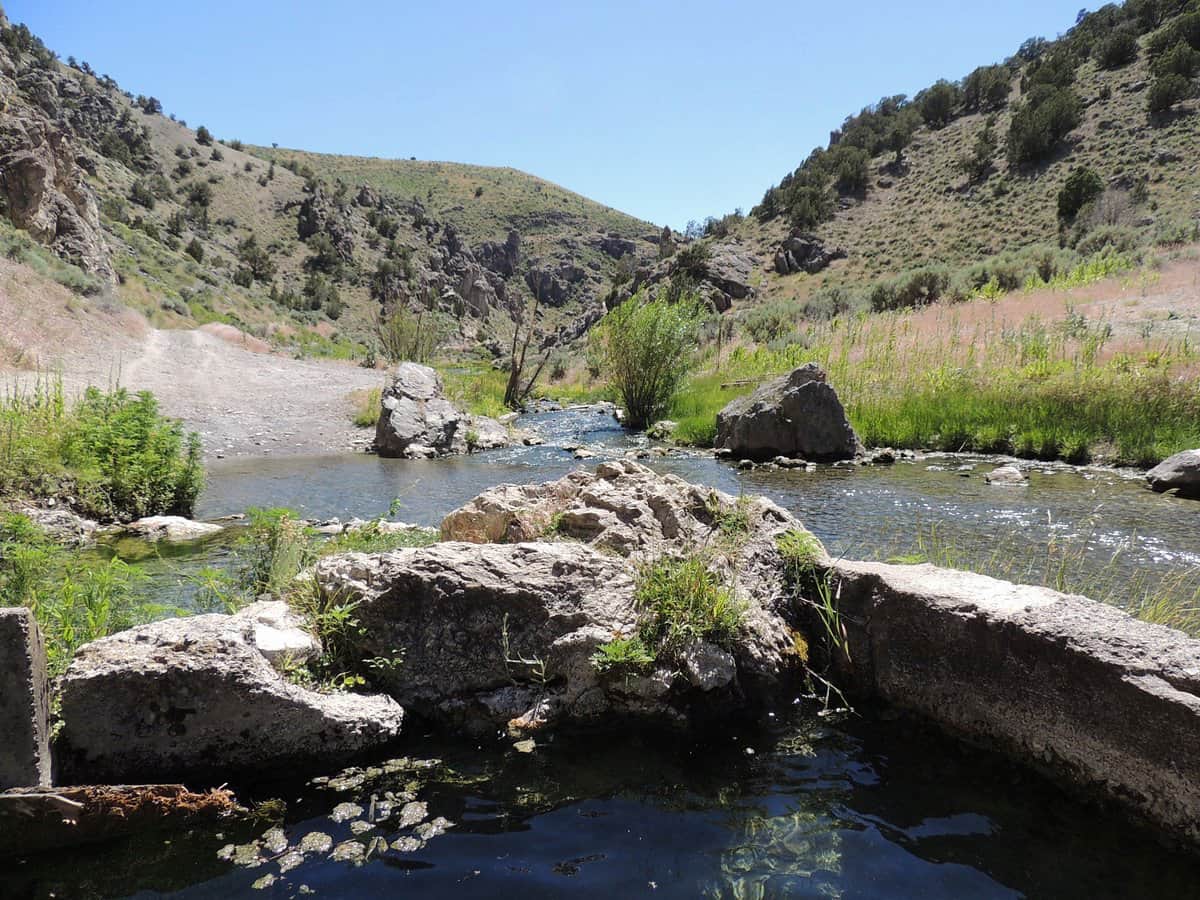
Hyder Hot Springs, Nevada is a remote grouping of geothermal seeps, pits, and springs in Pershing County, located in an isolated high desert valley in north-central Nevada. The springs discharge from the top and edges of a broad hill of soft travertine approximately 15 meters high and 700 meters in diameter. Source temperatures range from 82 to 174 degrees Fahrenheit across multiple vents, with an estimated reservoir temperature of 183 degrees. The springs sit along a zone of faults that cross-cut the valley alluvium. Lovelock, a small city on Interstate 80, is the nearest community with services.
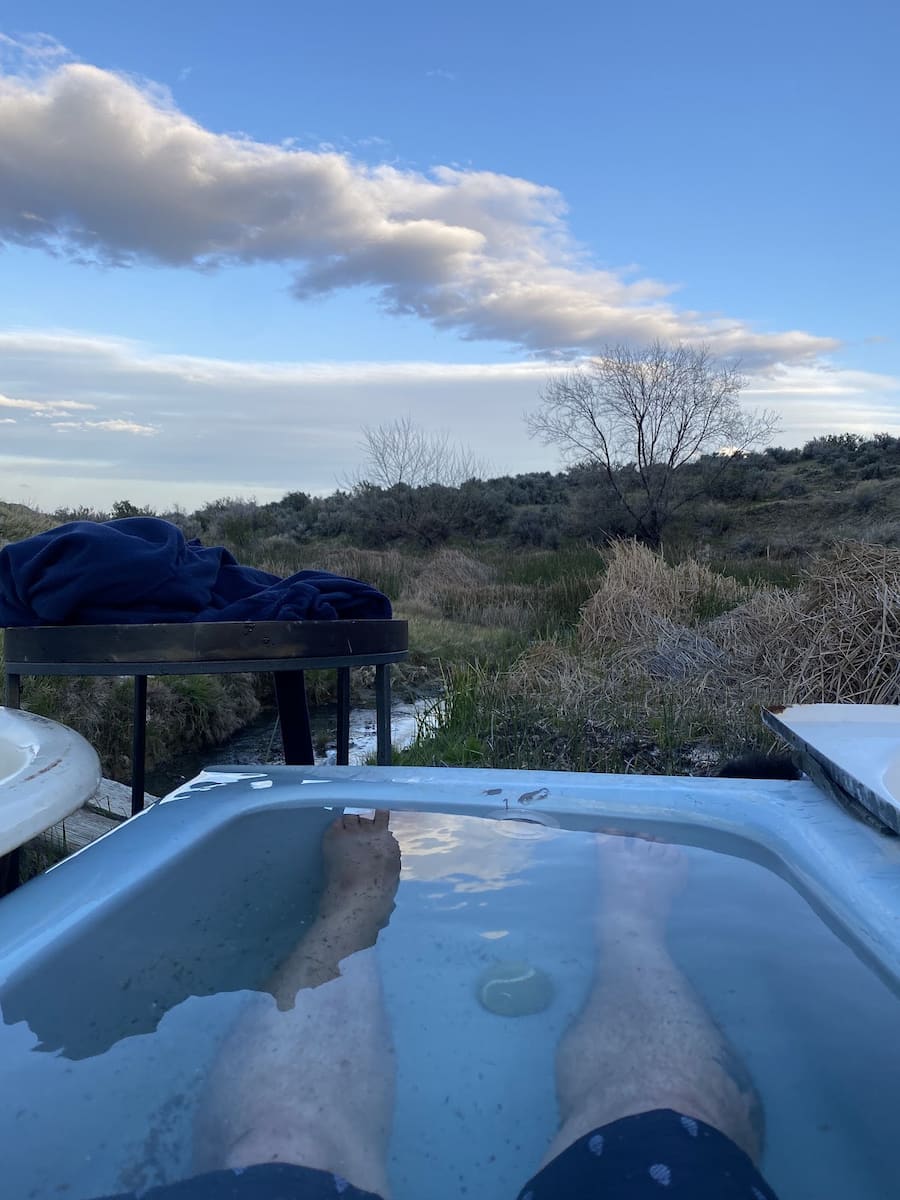
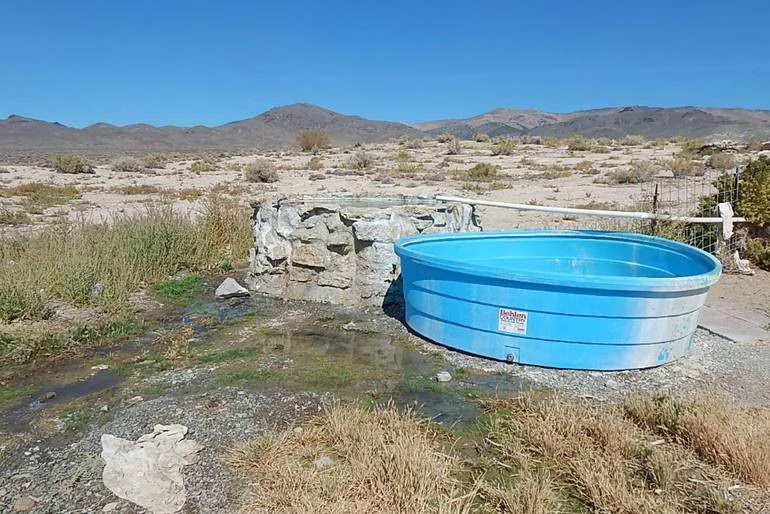
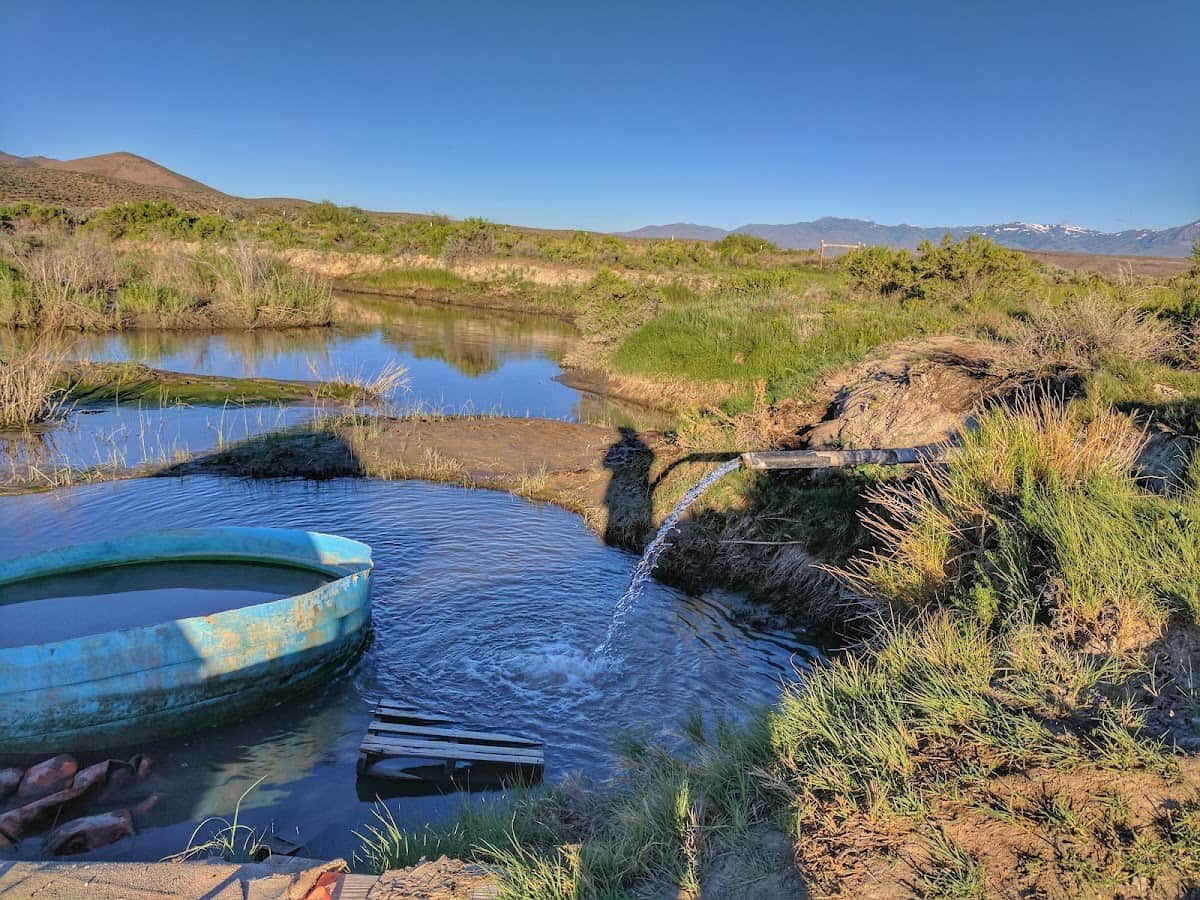
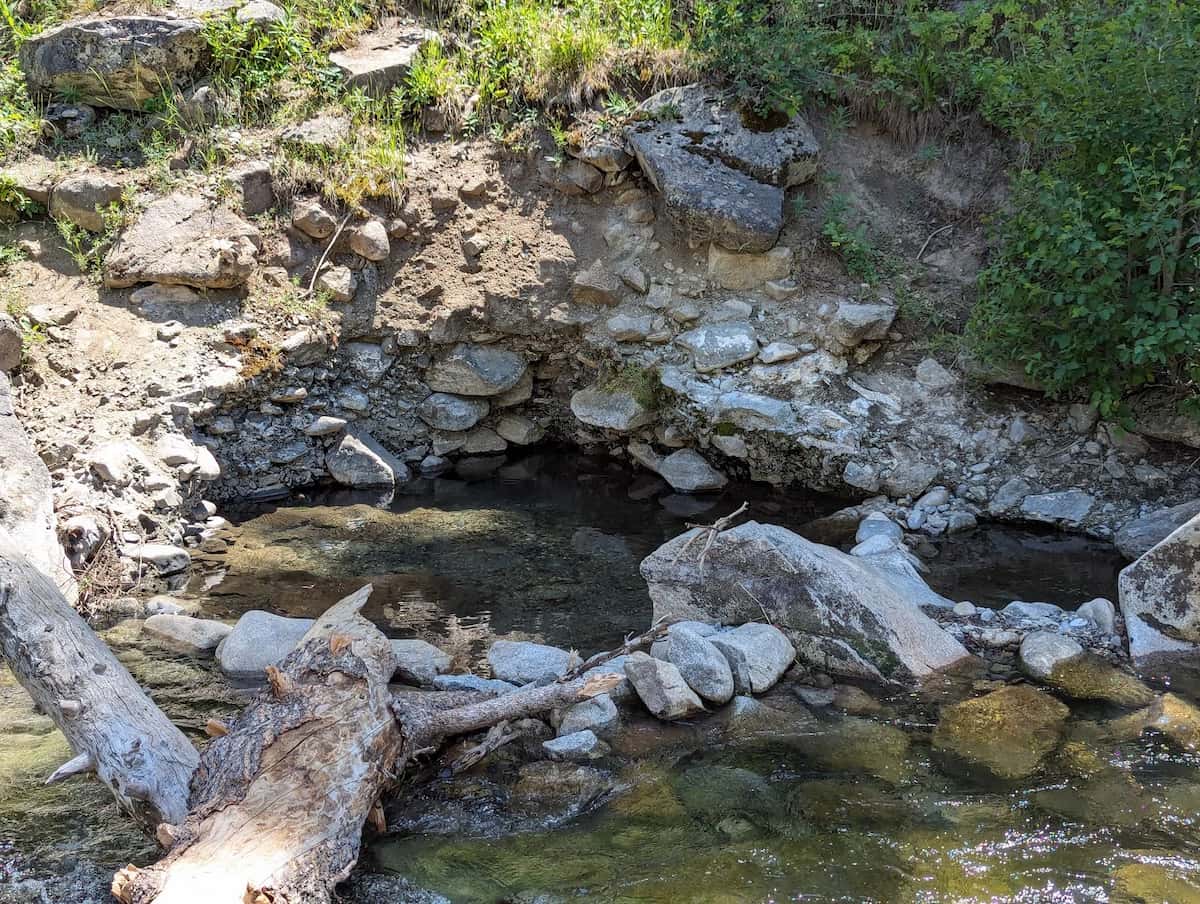
The geothermal features include travertine terraces, carbonate mounds, and several stubby tufa formations at the source vents. A volunteer-collected soaking pool is fed by a very hot flow channeled from the sources. The setting is quintessential remote Nevada: mountains in the distance, grazing cattle, dust devils crossing the valley floor, and vast open desert sky in every direction. This is among the most isolated free hot springs Nevada offers, visited primarily by dedicated hot springs enthusiasts who value solitude and an undeveloped, raw geothermal experience.
No facilities, amenities, or signage exist at the site.
Location & Access
Getting to Hyder Hot Springs
Hyder Hot Springs is located in a remote valley in Pershing County, approximately 40 miles from Lovelock on Interstate 80. Access requires unpaved roads. A high-clearance vehicle is recommended. The springs are roadside with no hiking required once you reach the site.
From Lovelock, drive south on local roads into the valley. Specific road conditions vary with season and weather. Carry a detailed map or GPS device, as there is no cell service and no signage directing visitors to the springs. The drive from Reno takes approximately 2.5 to 3 hours via Interstate 80 east to Lovelock, then south on valley roads.
Regional Context
North-central Nevada has some of the most remote and least visited hot springs in the western United States. For visitors seeking hot springs near Lovelock Nevada, Hyder is one of the few geothermal features in the immediate area. Rye Patch Reservoir (managed recreation area off I-80) is the nearest developed recreational site. Kyle Hot Springs (primitive, Churchill County), Spencer Hot Springs (BLM, Lander County), and Dixie Valley Hot Springs (Churchill County) are other remote soaking destinations in the broader region, each requiring long drives on unpaved roads.
Suitability & Accessibility
Who Should Visit Hyder Hot Springs
Hyder Hot Springs suits experienced hot springs explorers seeking raw, undeveloped geothermal features in extreme rural isolation. The travertine mound with multiple hot sources is geologically interesting, and the soaking pool provides a soak in a setting that few other springs in Nevada can match for solitude. This is not a beginner-friendly spring. Visitors should be comfortable with remote desert navigation, self-sufficiency, and evaluating water temperature safety on their own.
The soaking pool temperature depends on the flow from the hot sources and ambient cooling. It may be too hot for soaking at times. There is no way to add cold water beyond waiting for natural cooling. The spring is clothing optional by default, as the extreme isolation means visitors are unlikely to encounter others.
Accessibility at Hyder Hot Springs
The springs are not wheelchair accessible. The terrain is unimproved desert with no paths. Those seeking free hot springs Nevada offers with easier access and more reliable soaking should visit Spencer Hot Springs (BLM, metal tub off Highway 376 near Austin) or Soldier Meadows Hot Springs (primitive pools on BLM land in Humboldt County), both of which offer more reliable soaking conditions with better-documented pool temperatures year-round.
Safety & Etiquette
Hyder Hot Springs Safety Tips
Hyder Hot Springs has source temperatures reaching up to 174 degrees Fahrenheit, which is dangerously hot and will cause severe burns on contact. Multiple source vents exist across the broad travertine mound, and the soft travertine surface may be unstable. Stay on firm ground, avoid the source areas, and test the soaking pool thoroughly before entering.
The travertine mound edges may collapse. Do not climb onto fragile mineral formations. The very hot water near the sources can be hidden by the mineral crust. Keep a safe distance from any area where steam is visible or ground feels warm underfoot.
Desert and Navigation Safety
Hyder Hot Springs is extremely remote with no cell service, no facilities, no water supply, and no nearby medical assistance. Lovelock is the nearest town, approximately 40 miles away. Carry extra fuel, multiple gallons of water per person, food, spare tires, and a satellite communication device. Inform someone of your plans and expected return time. Summer temperatures can exceed 100 degrees in the valley.
Leave No Trace at Hyder Hot Springs
Pack out all trash. Do not damage the travertine terraces or carbonate mounds. These are geological features formed over thousands of years. The remote desert environment is fragile and recovers slowly from disturbance. The best time to visit is spring or fall when temperatures are moderate. Winter can bring freezing nights and muddy roads. Summer heat makes the desert crossing uncomfortable and increases the risk of vehicle breakdown in extreme conditions.