
Quick FactsOverview
About Juniper Springs
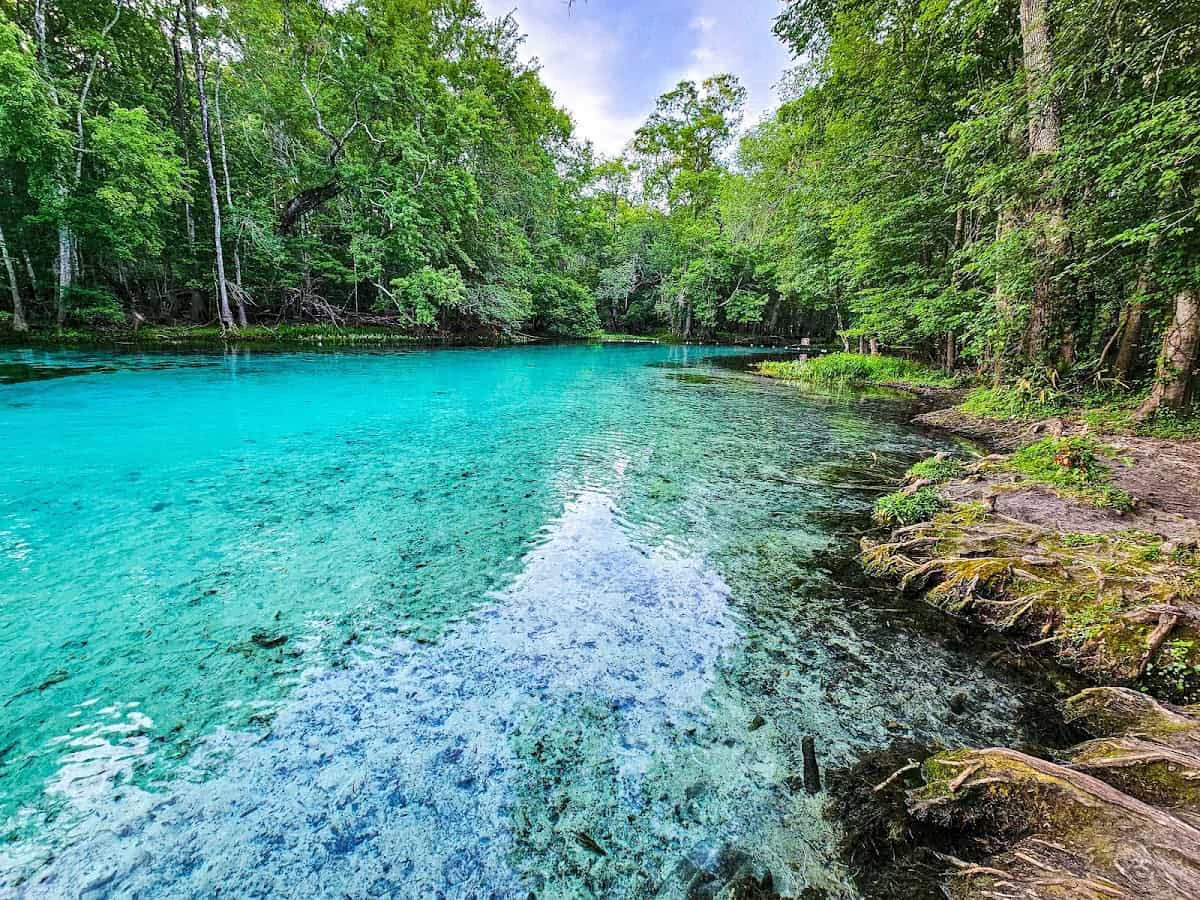
Juniper Springs, Florida is a freshwater spring recreation area managed by the United States Forest Service within the Ocala National Forest, located approximately 31 miles east of Ocala on State Road 40. The spring is classified as a first-magnitude spring and is among the best known recreation areas in the eastern national forest system. Water emerges from limestone vents in the spring floor at a constant temperature of 72 degrees Fahrenheit year-round, maintaining this temperature regardless of season. The spring forms the headwaters of Juniper Creek, which flows southeast through the Juniper Prairie Wilderness and eventually reaches Lake George and the Saint Johns River.
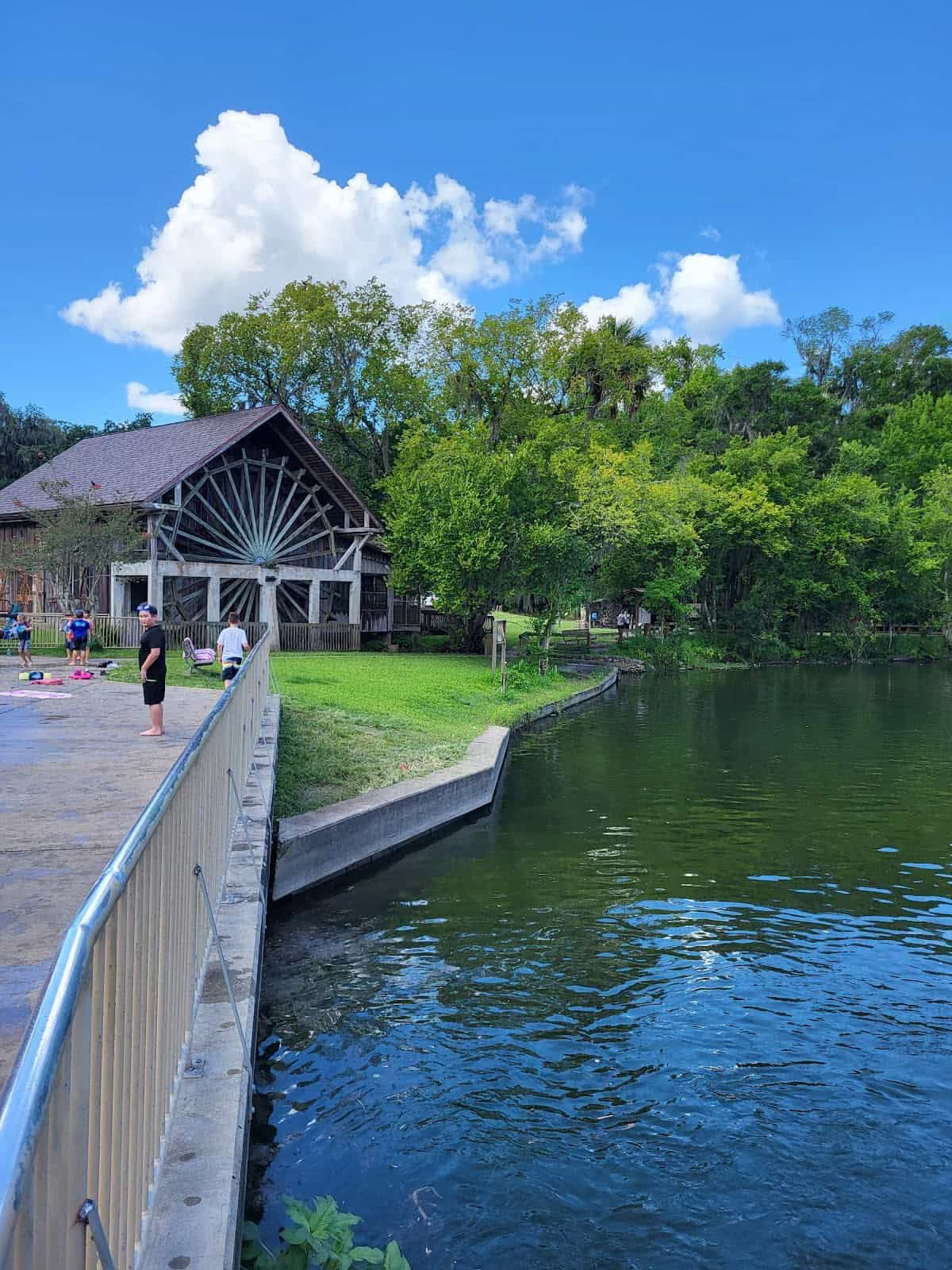
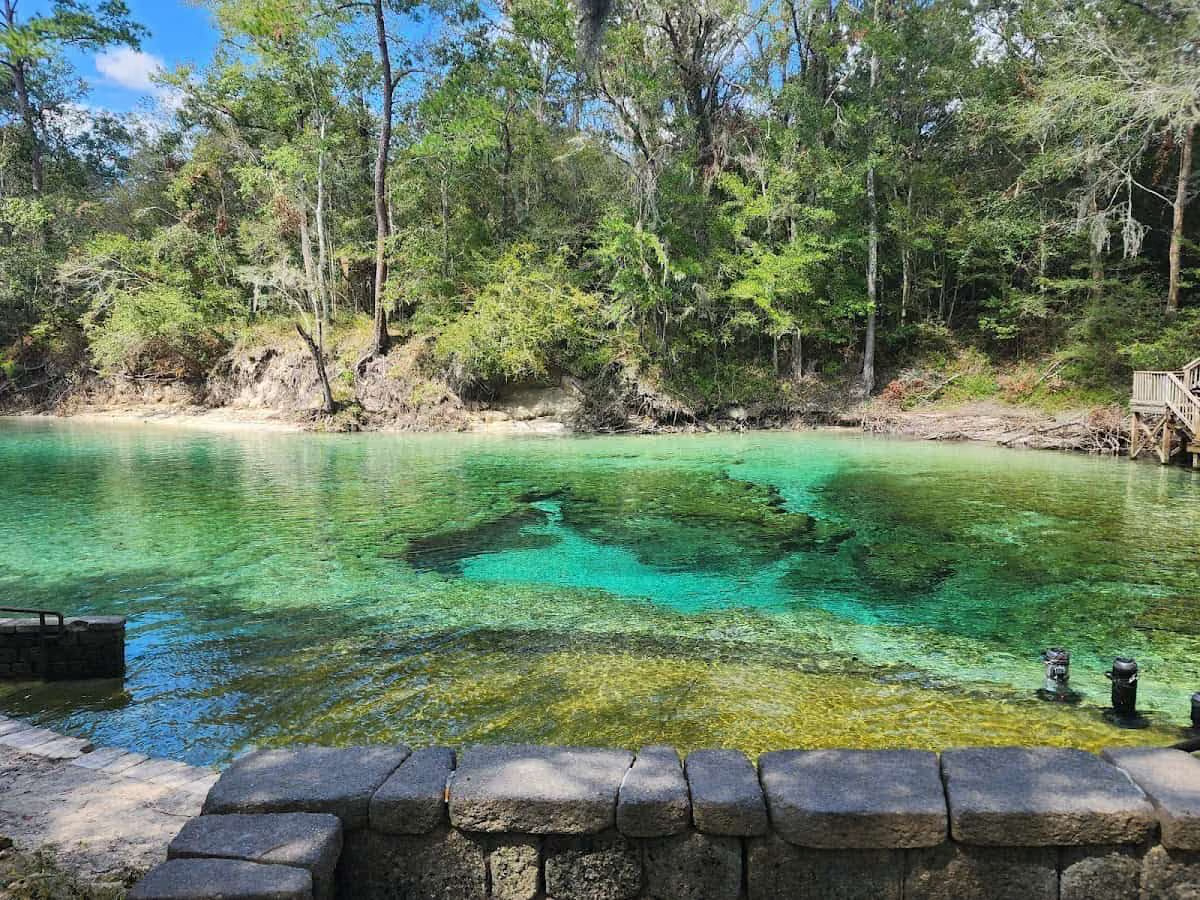
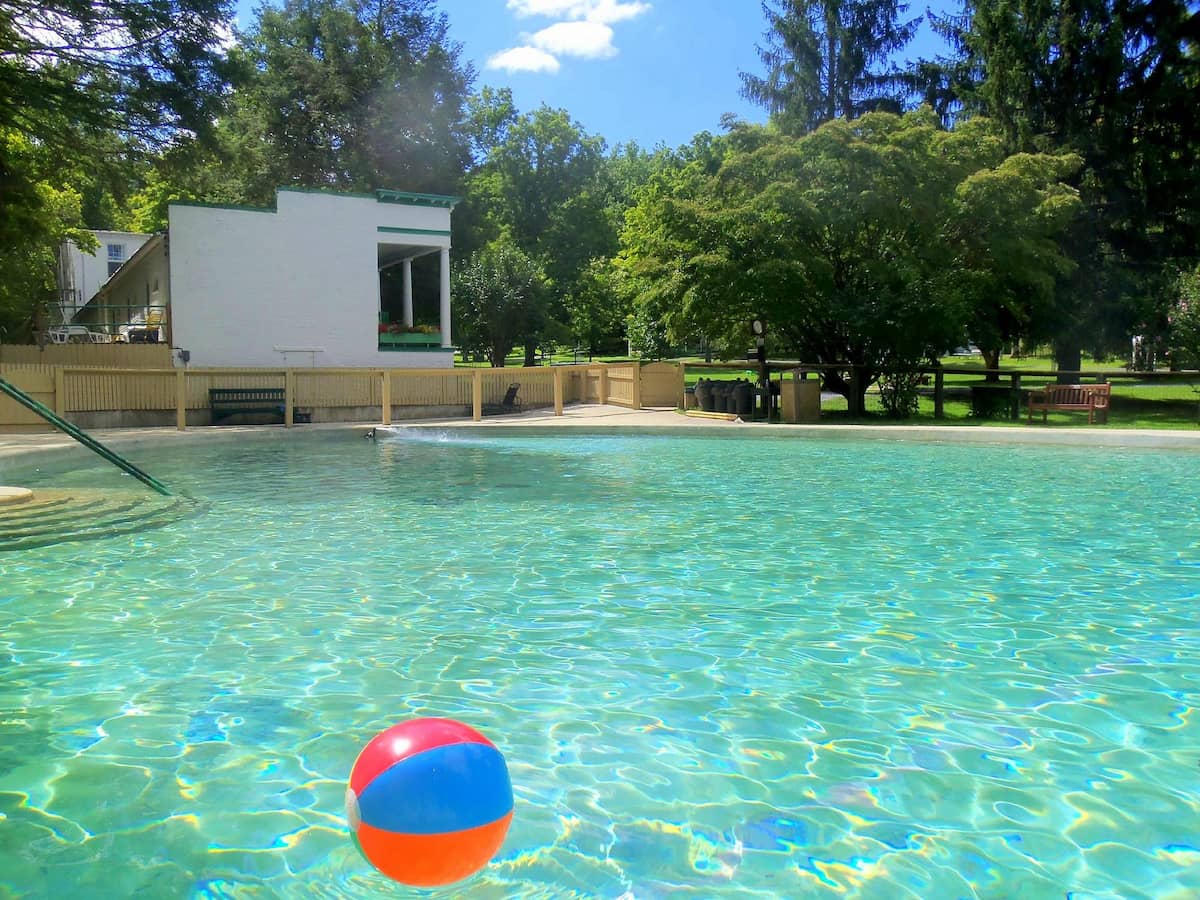
The swimming area at the headspring consists of an oval-shaped pool approximately 135 feet long and 80 feet wide, with depths reaching up to 16 feet. The basin is edged with rock and concrete constructed by the Civilian Conservation Corps in the 1930s, and the surrounding landscape of palms, oaks, and subtropical vegetation reflects the unique character of the Ocala National Forest, which sits within one of the largest scrub forests in the world. The combined daily output of Juniper Springs and the nearby Fern Hammock Springs is approximately 13 million gallons, sustaining the clear-water flow of Juniper Creek downstream. Adjacent to the pool stands the historic CCC millhouse with a waterwheel that once generated electricity for the campsite. For those interested in soaking pools in Florida within a natural forest setting, Juniper Springs remains one of the most intact and accessible sites in the state.
The recreation area is operated by Adventure Ocala on behalf of the USFS and offers a range of facilities including a bathhouse, a campground with 79 sites, a concession store, and access to the Florida National Scenic Trail. The Juniper Run paddling route, which begins at the spring and ends at a take-out on State Road 19, is regarded as one of Florida's premier wilderness canoe runs. It passes through the Juniper Prairie Wilderness approximately two miles from the spring and requires paddling experience; it is not recommended for beginners.
Location & Access
Getting to Juniper Springs
Juniper Springs is located at 26701 E Highway 40 (State Road 40), Silver Springs, FL 34488, within the Ocala National Forest. From Interstate 75, take exit 352 at Ocala and head east on SR 40 through Ocala and Silver Springs for approximately 31 miles; the entrance is on the left (north) side of the highway. From Interstate 95, take exit 268 at Ormond Beach and head west on SR 40 through Barberville and Astor; after passing the junction with SR 19, the entrance is on the right approximately five miles further west. The GPS coordinates are 29.1837 degrees North, 81.7072 degrees West.
The entrance road leads to a parking area from which paved paths connect to the bathhouse, pool area, and campground. No hiking is required to reach the spring; the pool is a short walk from the parking lot along paved and accessible surfaces. The site is open 8am to 8pm daily. A per-person day-use fee applies at entry; verify current rates with the park operator at (352) 625-3147 or via the Recreation.gov listing, as fees are subject to change. For those looking for accessible hot springs in Florida within a national forest, the paved access and developed facilities at Juniper Springs make it one of the most straightforward options in the region.
Campground reservations must be made in advance through Recreation.gov or by calling 1-877-444-6777. Day-use visitors do not require reservations but should note that the site can be busy on weekends, particularly in spring and autumn. Canoe and kayak rentals are available through the park operator. Private vessel launches are limited to 30 watercraft per day and must enter the water before 1pm; a separate launch fee applies. Cell coverage in the Ocala National Forest is variable; download maps before departing Ocala. Nearest full services including fuel, groceries, and accommodation are available in Ocala, approximately 31 miles west.
Suitability & Accessibility
Who Can Visit Juniper Springs
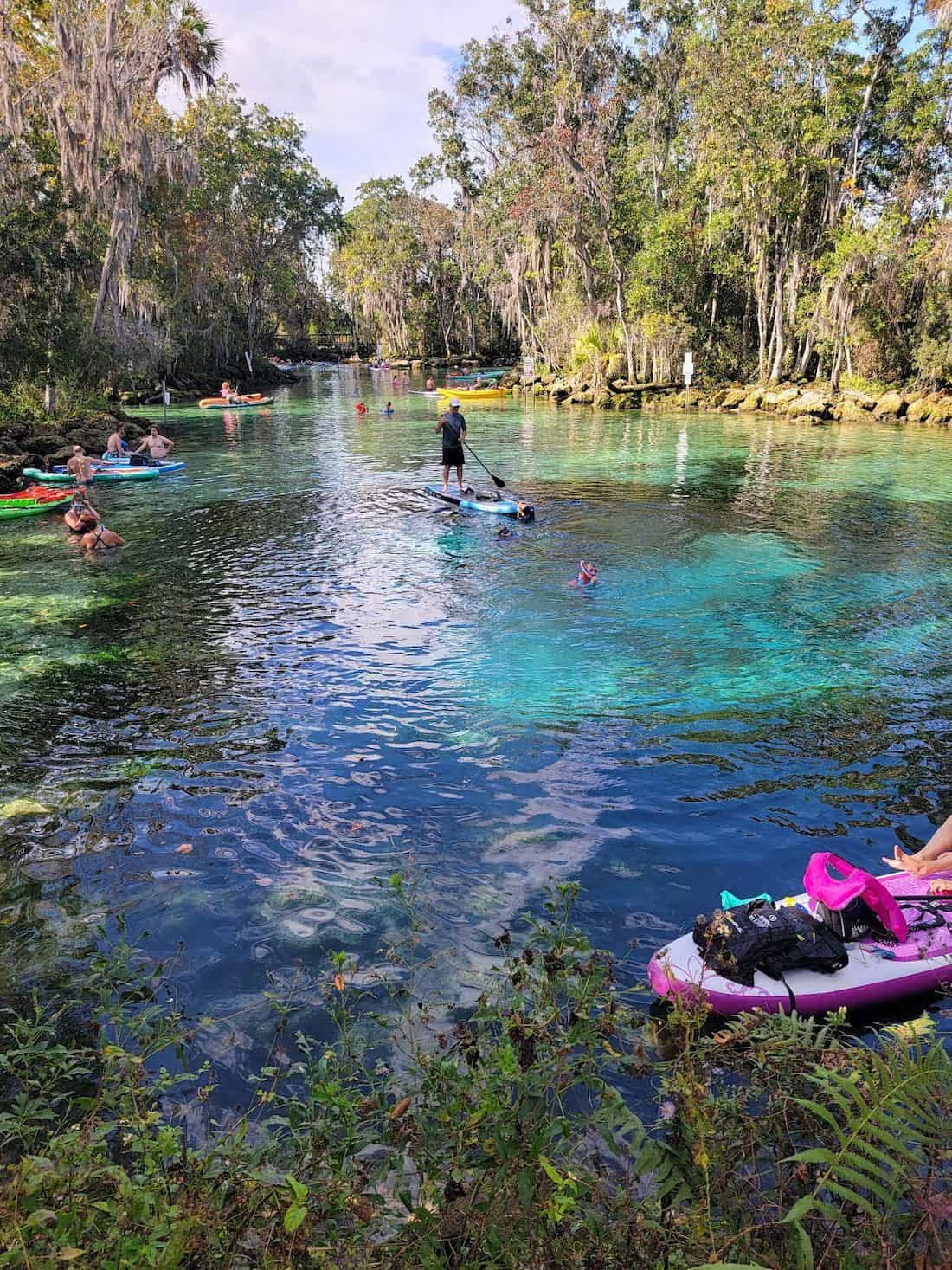
Juniper Springs suits families, swimmers, snorkelers, and paddlers who want a developed freshwater spring experience within a national forest. The 72-degree water temperature is refreshing rather than warm, functioning more like a cool natural pool than a hot spring. In summer this is comfortable and popular; in winter the air temperature in Florida is generally mild enough that the constant-temperature water still attracts visitors, though it feels cooler to the skin in cooler months. Children are welcome and frequently visit the site; the water clarity, shallow edges, and controlled basin make it suitable for family swimming, though parents should supervise children near the deeper central section, which reaches up to 16 feet.
Wheelchair access is confirmed at Juniper Springs. Paved paths connect the parking area to the bathhouse and pool area, and the bathhouse facilities include accessible restrooms. Accessible picnic facilities are also available within the recreation area. Visitors with mobility needs who want to access the spring itself should note that the pool edge involves steps or a slope from the paved path to the water; contact the park operator at (352) 625-3147 in advance to confirm the most current access details for water entry. The broader recreation area, including the gardens, picnic area, and historic millhouse, is accessible via paved surfaces.
The Juniper Run canoe trip is classified as a wilderness paddling route and is explicitly not recommended for beginners. The run is approximately seven miles through undeveloped forest with no mechanical assistance permitted, meaning paddlers who cannot complete the route must paddle or walk back. Launching is limited to 30 vessels per day and must begin before 1pm. Snorkeling is popular in the clear spring basin. Alcoholic beverages are not permitted in the forest or at the site. Pets are welcome in the campground but are not permitted in the swimming area. Annual day-use passes are available for purchase on-site.
Safety & Etiquette
Safety and Etiquette at Juniper Springs
Juniper Springs is a generally safe and well-managed site, but the spring basin reaches depths of up to 16 feet in the central section, and no lifeguard presence is confirmed at the pool. Swimmers should assess their swimming ability honestly before entering the deeper water. Children and weaker swimmers should remain in the shallower zones near the edge of the pool and should be supervised at all times. The water is extremely clear, which can make the depth appear less than it is. Do not dive headfirst from the pool edge, as underwater limestone formations and variable depths make this hazardous.
The 72-degree water temperature is noticeably cool compared to air temperatures, particularly on hot summer days when the contrast between the warm air and cold water can cause an involuntary gasp or disorientation on entry. Enter the water gradually, particularly with children. Extended immersion in 72-degree water can cause hypothermia in vulnerable individuals including small children and those with low body fat; limit time in the water if you or your companions show signs of shivering or difficulty moving.
Juniper Springs sits within the Ocala National Forest, which is bear country. Do not leave coolers or food unattended; forest regulations require that unattended food be stored in bear boxes or fully closed vehicles, and fines apply for violations. Do not move firewood from outside the area; this is prohibited to prevent the spread of tree-killing pests. The Juniper Run paddling route is a wilderness area where mechanical tools are not permitted; paddlers must be fully self-sufficient for the seven-mile duration. All rubbish must be packed out. No glass containers are permitted in the swimming area. Shower before entering the pool as a courtesy to other users. Obey posted signs, stay within designated swimming areas, and do not feed or approach wildlife, including the alligators that inhabit waterways in the Ocala National Forest.