Quick FactsOverview
About Kelly Hot Springs
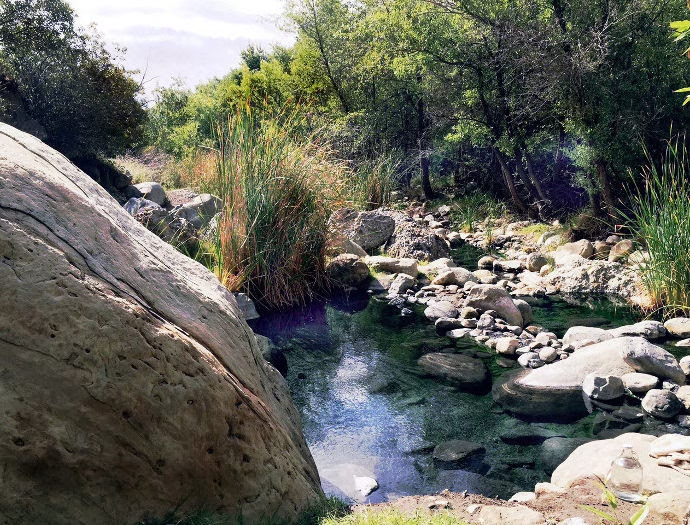
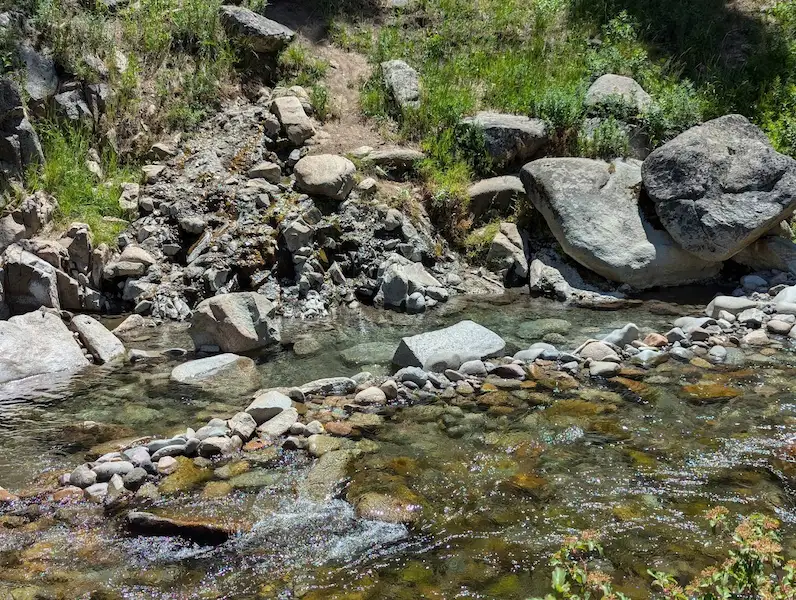
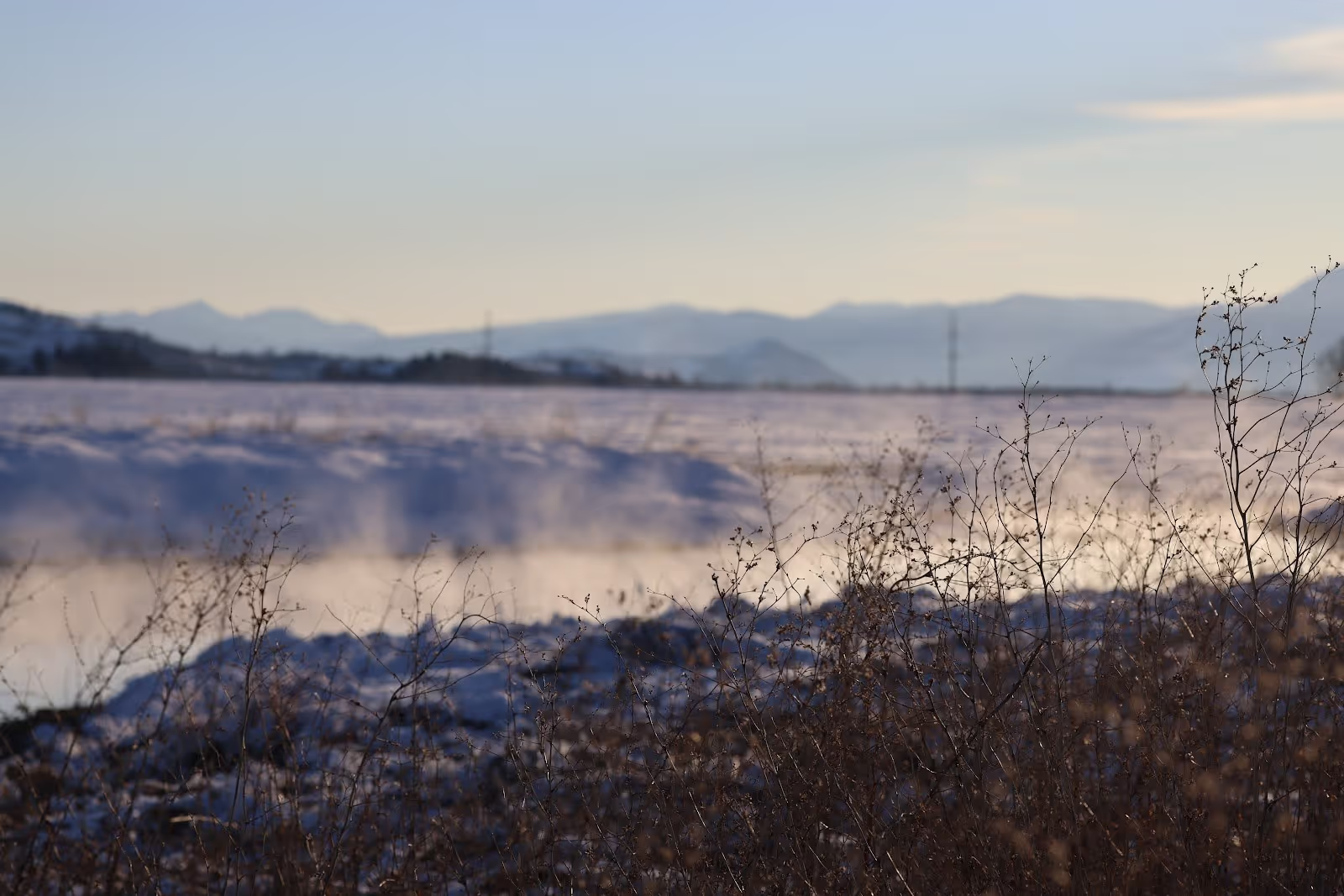
Kelly Hot Springs, Wyoming is a geothermal warm spring inside Grand Teton National Park approximately one mile northeast of the community of Kelly in Teton County, along Gros Ventre Road. The spring maintains approximately 77 to 80 degrees Fahrenheit year-round. Water entry is strongly inadvisable due to documented pathogens including E. coli exceeding EPA limits, salmonella, tapeworms, and naegleria fowleri. The spring is also heavily colonized by invasive aquarium fish illegally dumped there for decades. Viewing the spring is permitted.
The spring has been targeted for illegal aquarium fish releases since the 1960s. Non-native species including goldfish, swordtails, convict cichlids, and guppies have established persistent populations and spread to nearby Savage Ditch and Ditch Creek. These invasive species spread disease and introduced the documented pathogens. In 2018, Grand Teton National Park applied pesticide treatment to reduce invasive fish populations. Releasing aquarium animals into the spring is a Class B misdemeanor with fines and potential jail time. The Grand Teton National Park entry fee applies.
Location & Access
Getting to Kelly Hot Springs
Kelly Hot Springs is located along Gros Ventre Road inside Grand Teton National Park, approximately one mile northeast of the community of Kelly, Wyoming. From Jackson, head north on US-191/US-89 for approximately 12 miles to the Gros Ventre Junction. Turn right onto Gros Ventre Road and follow it approximately 5 miles northeast toward the community of Kelly. The spring is visible from or near the road in this area. Alternatively, from Moran Junction on US-89/191/26, take Antelope Flats Road or Gros Ventre Road south toward Kelly. The community of Kelly is at the end of Gros Ventre Road.
The spring is accessible by any vehicle when roads are open. Grand Teton National Park entrance fees apply. The park is open year-round, though some roads in the Kelly area may have seasonal restrictions. The spring is at approximately 6,683 feet elevation. No dedicated parking or trailhead is provided specifically for the spring; visitors typically park near the road and view it from the edge. No facilities are on site. For those seeking natural hot springs near Kelly Wyoming, this is the only geothermal spring in the immediate Kelly area, though it is not suitable for soaking due to documented water quality hazards. The nearest developed soaking alternatives are at Astoria Hot Springs and Granite Hot Springs, approximately 30 to 35 miles south near Hoback Junction.
Suitability & Accessibility
Suitability of Kelly Hot Springs for Visitors
Kelly Hot Springs is suitable only as a viewing destination. Water entry is strongly inadvisable due to documented pathogens including E. coli in excess of EPA limits, salmonella, tapeworms, and naegleria fowleri. Naegleria fowleri causes primary amebic meningoencephalitis, a nearly always fatal infection. Unlike Huckleberry Hot Springs where soaking is prohibited by NPS regulation, soaking at Kelly Warm Spring is not technically illegal under Grand Teton regulations as of 2016 reporting, but it is strongly discouraged by the NPS and carries genuine health risks. Do not allow spring water to enter your nose.
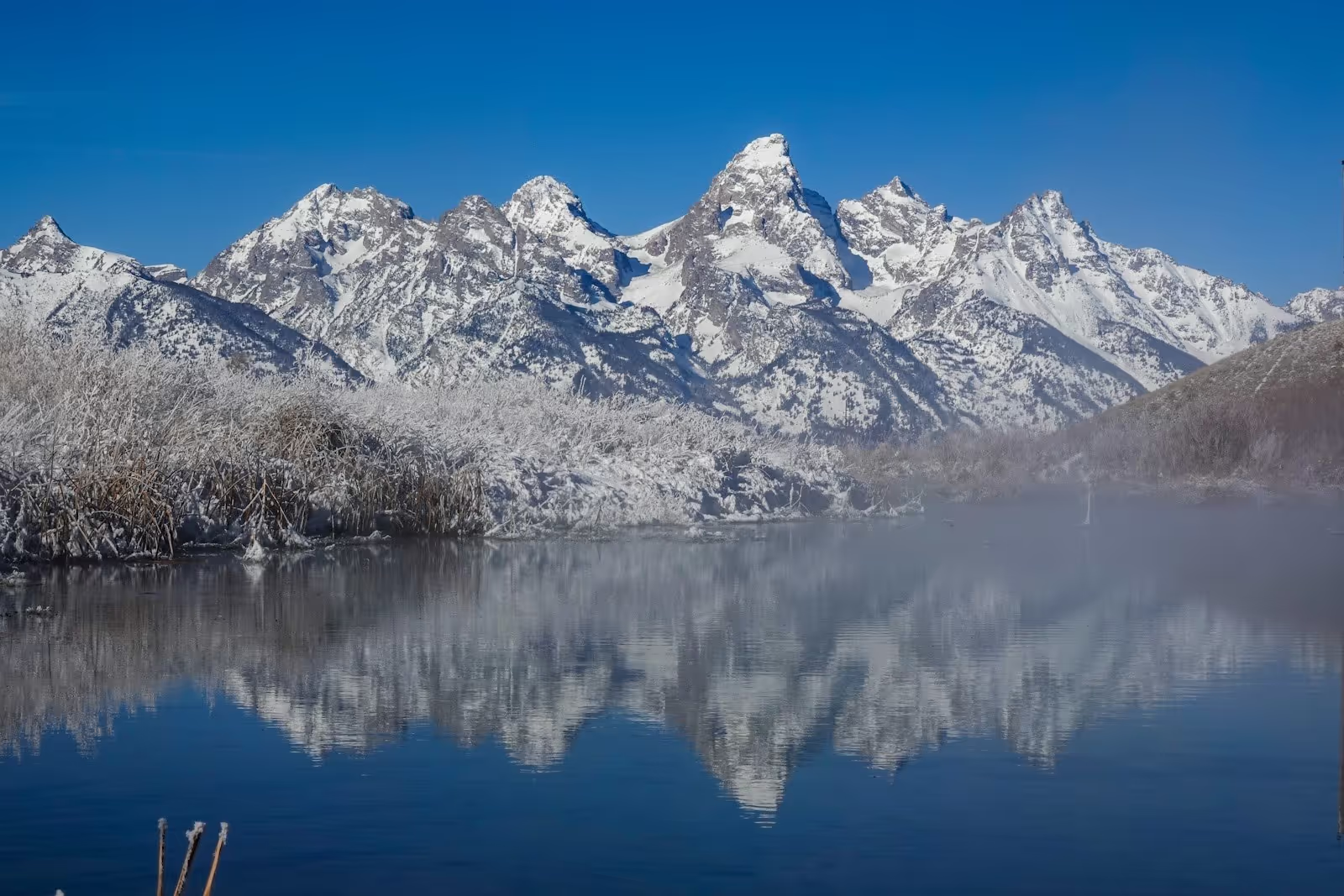
The spring is accessible from Gros Ventre Road with no significant hike required. The setting alongside a warm shallow spring with visible exotic fish is visually interesting and the surrounding Grand Teton landscape is scenic. The spring's warm year-round temperature makes it attractive as a wildlife feature; birds and other animals often gather near the warm water.
The site is not wheelchair accessible in terms of formal infrastructure. For those seeking natural hot springs near Kelly Wyoming, this spring is worth viewing as an unusual geothermal feature within Grand Teton National Park, but visitors should understand clearly that soaking carries serious documented health hazards and should not be attempted.
Safety & Etiquette
Kelly Hot Springs Safety Information
Do not enter the water at Kelly Hot Springs. The spring has tested positive for E. coli exceeding EPA limits, salmonella, tapeworms, and naegleria fowleri. Naegleria fowleri causes primary amebic meningoencephalitis, a nearly always fatal infection contracted when contaminated water enters the nasal cavity. Do not swim, wade, or allow spring water to contact your nose or mouth. These pathogens are present due to the long history of invasive aquarium fish released into the spring, which brought associated diseases and parasites. The contamination is not temporary or seasonal.
Naegleria fowleri was first detected at Kelly Warm Spring in 2016. The same monitoring cycle detected the organism at Huckleberry Hot Springs and Polecat Springs nearby. This broader detection across connected geothermal features in Grand Teton and the Rockefeller Parkway confirms that the risk is not isolated to a single site. The spring has been subject to ongoing water quality concerns due to the accumulated impact of invasive species and associated pathogens introduced by illegally dumped aquarium fish since the 1960s.
Do not release fish, amphibians, invertebrates, or other aquatic animals into Kelly Warm Spring or any NPS water body. This is a Class B misdemeanor under Wyoming law and federal regulation, with fines up to $5,000 and up to six months in jail. Report observed releases to park rangers.
Grand Teton National Park wildlife including bears, moose, and bison is present in the Kelly area. Maintain safe distances from all wildlife at all times. For emergencies within the park, call 307-739-3300 or contact any park ranger station.

%252C%2520Wyoming%25201.avif)