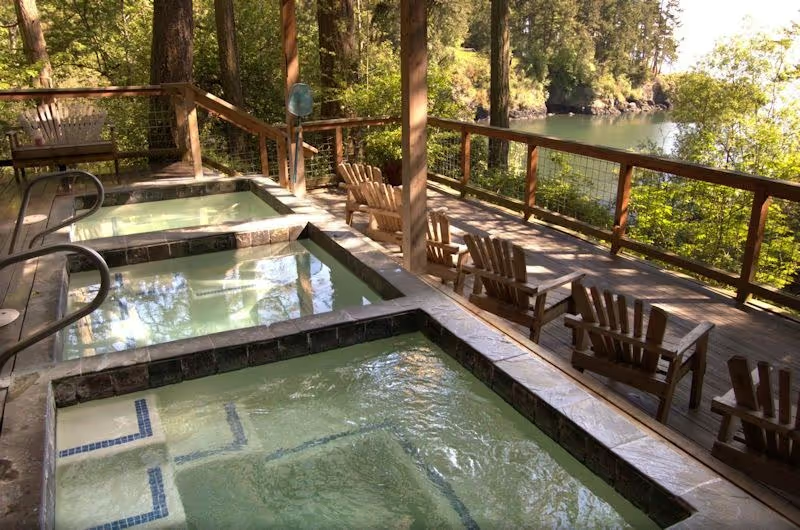
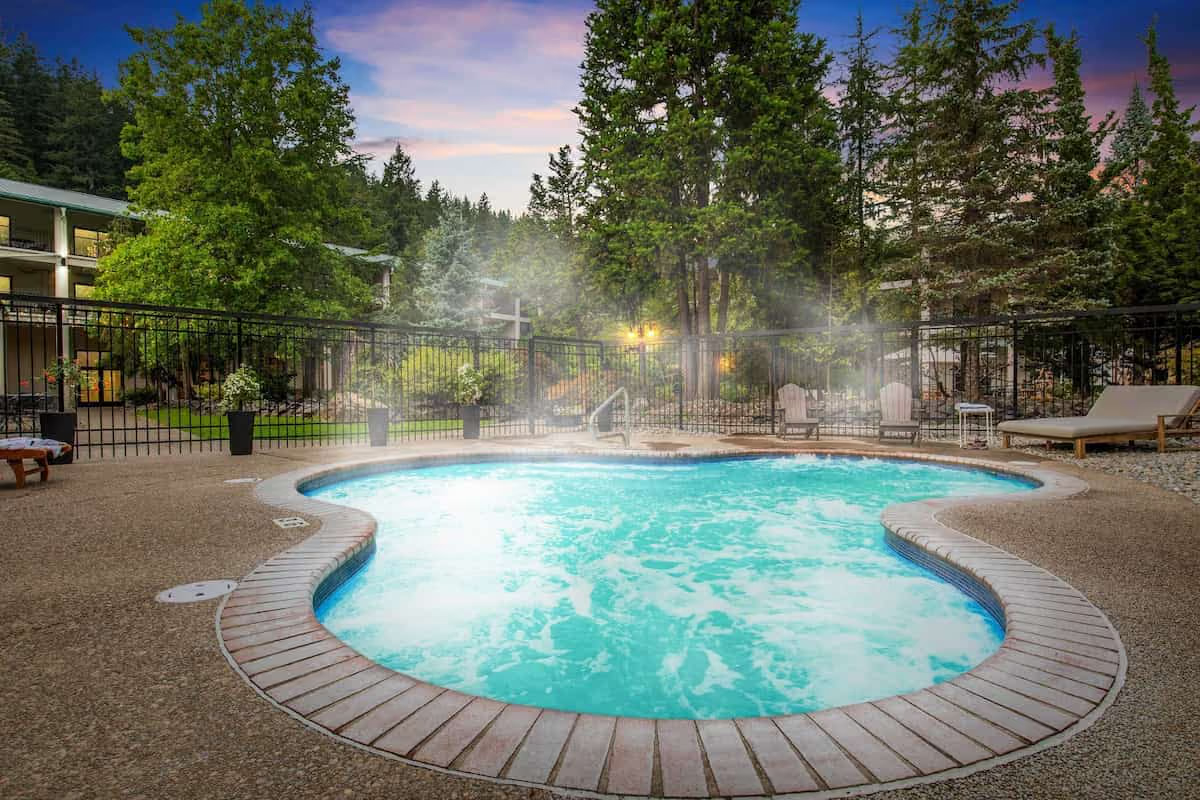
Washington has at least 19 documented hot springs, split between developed Gorge resorts and remote Cascade and Olympic soaks. 7 are free wild soaks and 12 are paid resorts or managed sites. Sol Duc Hot Springs Resort in Olympic National Park and Carson Hot Springs Resort in the Columbia Gorge are two of the best known, both long-running mineral spring destinations.
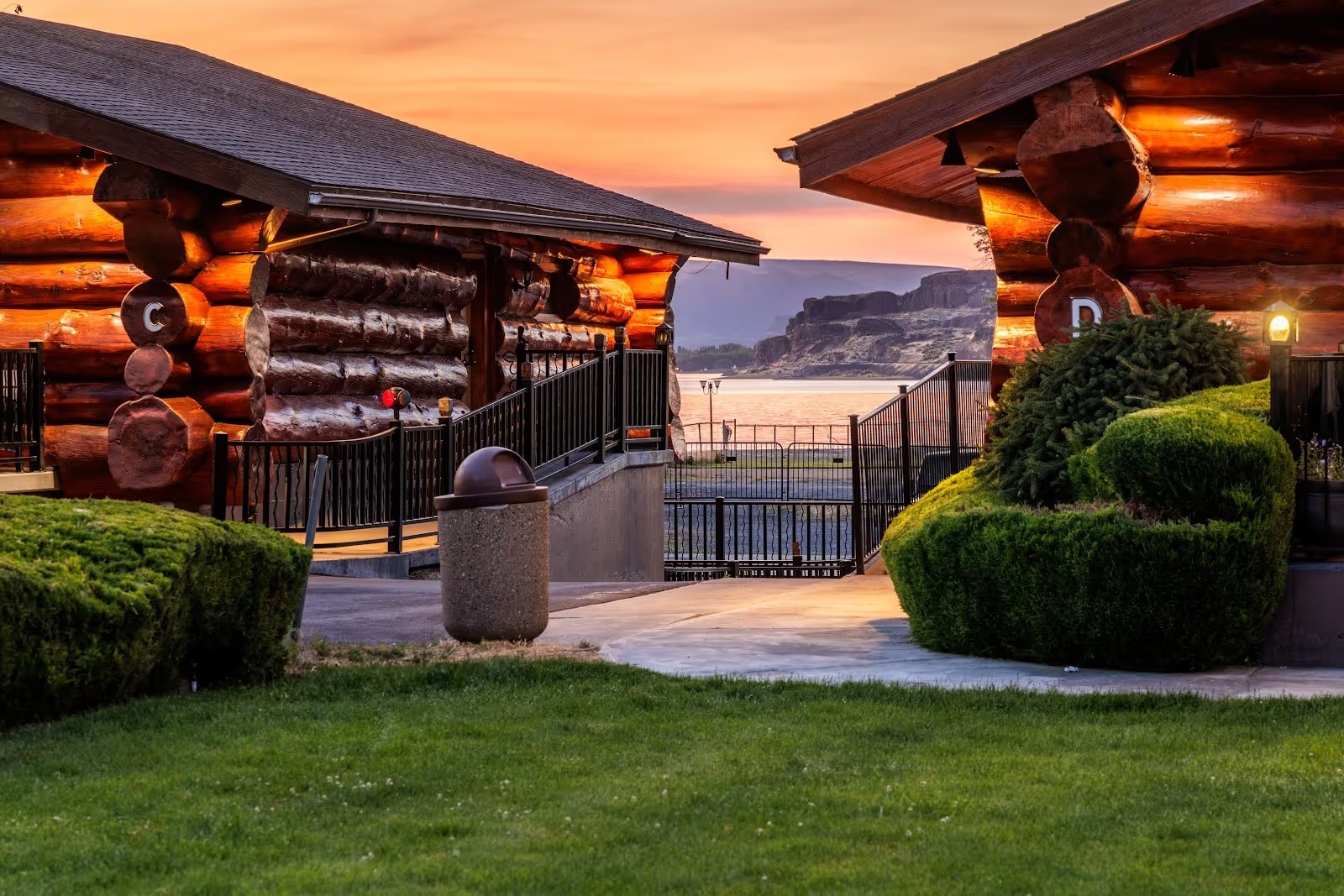
The Columbia Gorge holds the densest developed grouping, where Carson Hot Springs Resort, Bonneville Hot Springs Resort, and the free Shipherd's Hot Springs sit near Stevenson and Carson along the Washington side of the river.
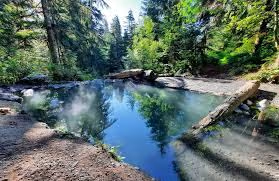
The Olympic Peninsula adds rainforest soaks, led by Sol Duc Hot Springs Resort and the wild Olympic Hot Springs deep in Olympic National Park near Port Angeles. Mount Rainier country near Packwood and Ashford holds Ohanapecosh Hot Springs.
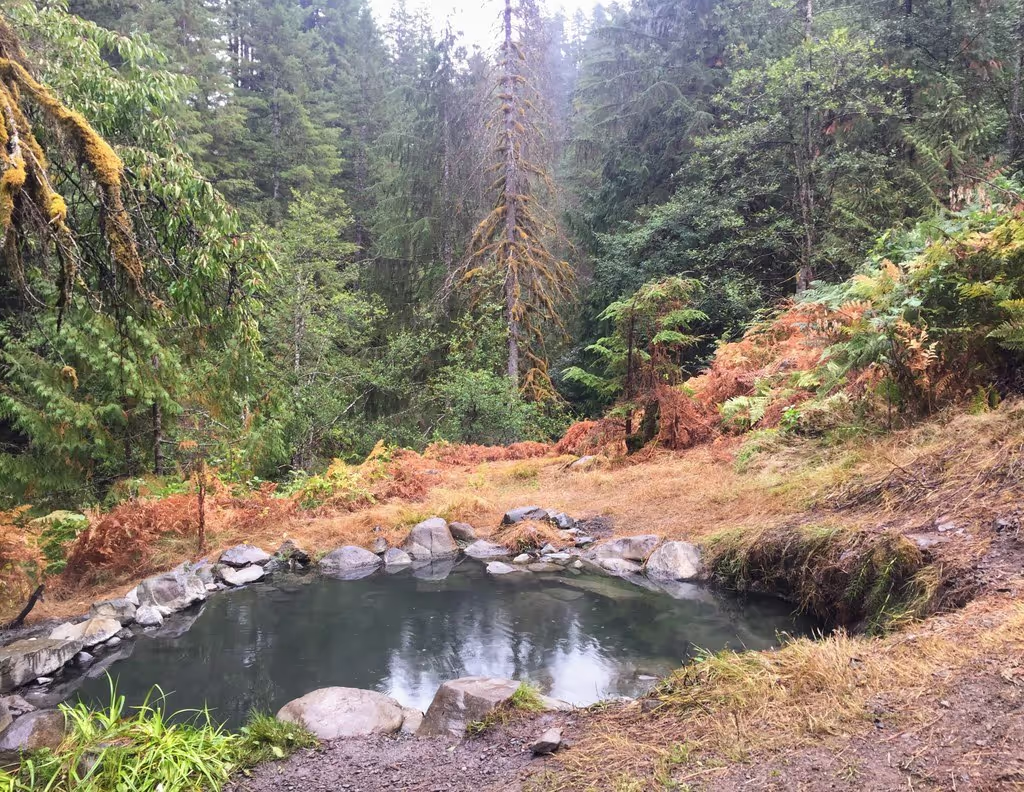
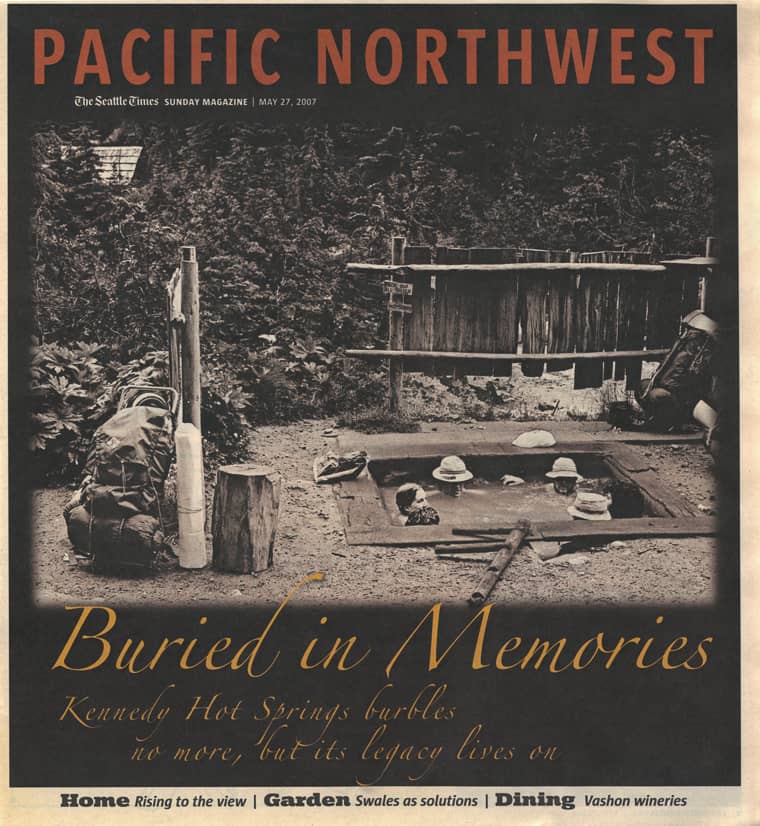
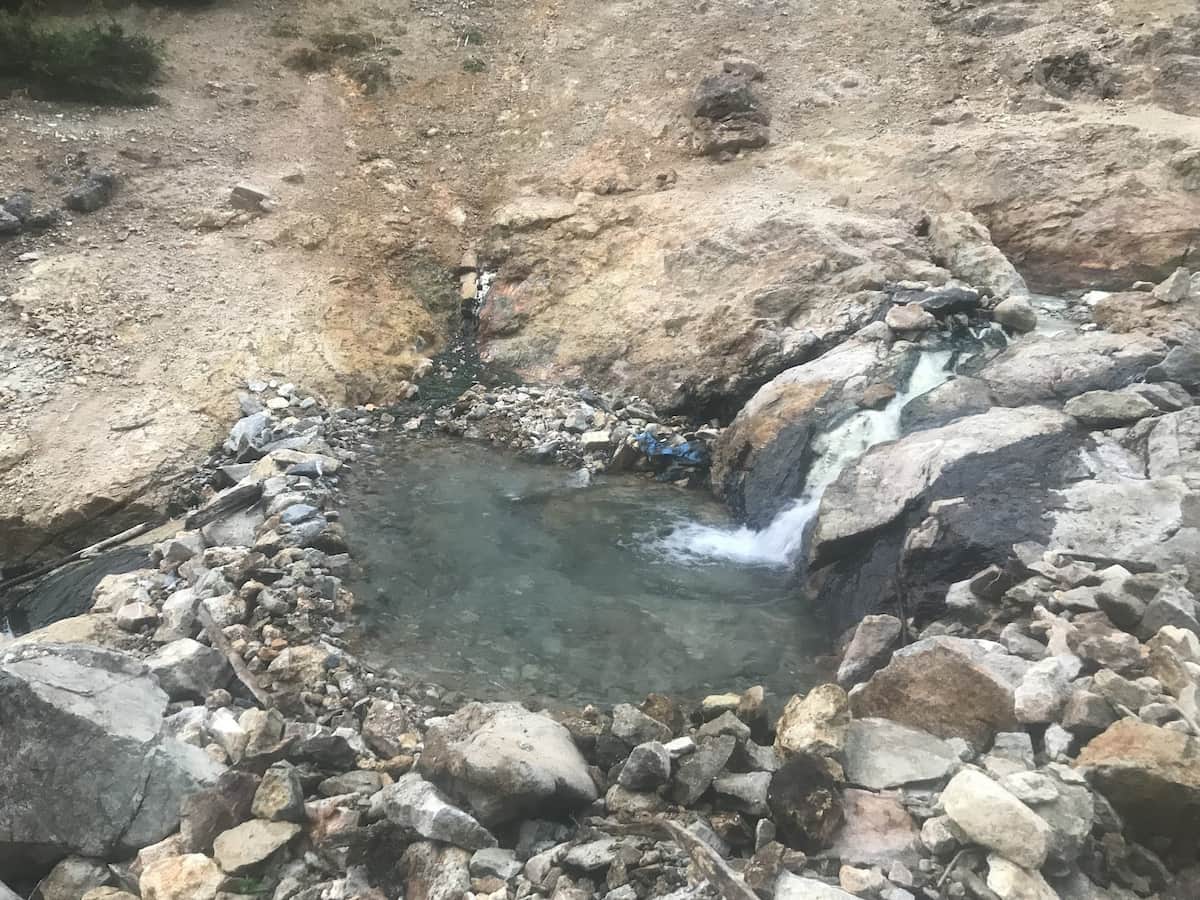
The North Cascades hide remote backcountry soaks near Darrington and Concrete, including Baker Hot Springs, Kennedy Hot Springs, and the gated Goldmyer Hot Springs near North Bend, among the wild hot springs in Washington for those willing to hike.
Washington mixes easy Gorge resorts with some of the most remote backcountry soaks in the country. The western pools sit in temperate rainforest and old-growth valleys, many reached by long trails into national park and wilderness areas, while the Gorge resorts offer paved access near Portland. The wet Cascade climate means many wild soaks are best in late summer and fall, when trails clear of snow and river crossings drop. A few Gorge resorts stay open year-round, giving a mild-weather option when the high mountain soaks are snowed in and the backcountry trails are impassable.
Highlights are drawn from the hot springs documented in this directory. Others may exist across Washington's remote Cascade and Olympic backcountry.
Olympic rainforest resort: Sol Duc Hot Springs Resort in Olympic National Park near Port Angeles offers developed mineral pools and lodging in old-growth rainforest, the most visited documented soak in our records on the peninsula.
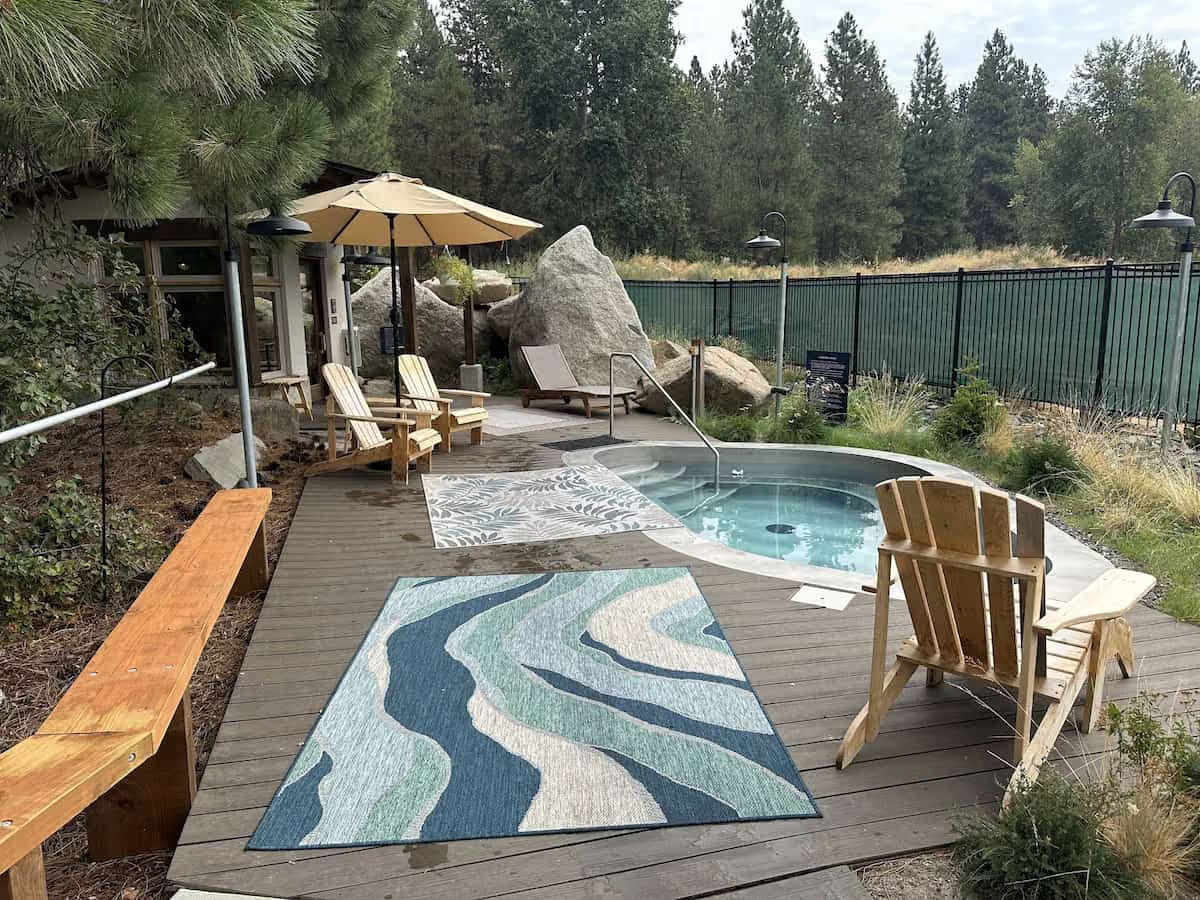
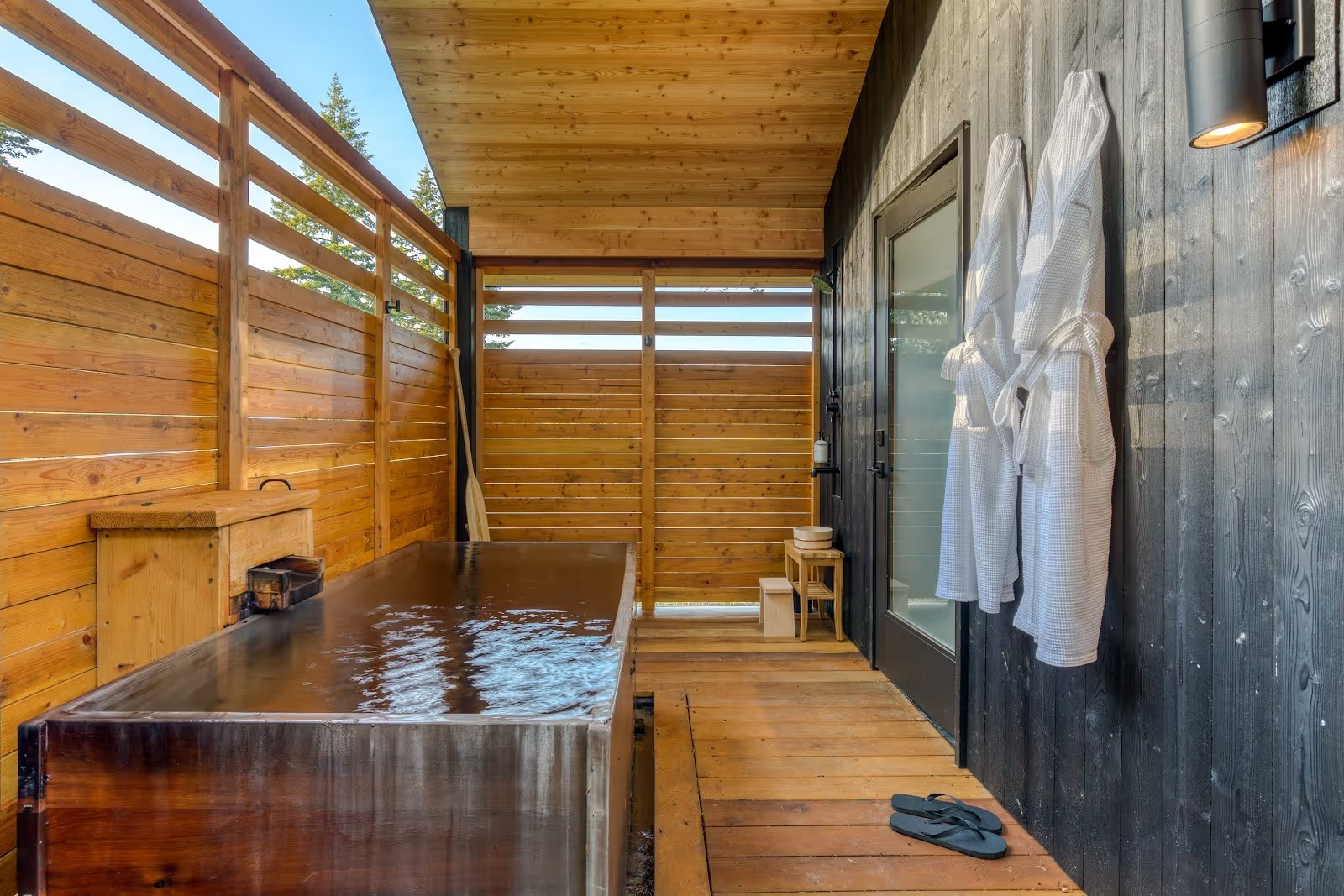
Columbia Gorge resort: Carson Hot Springs Resort & Spa near Stevenson pairs historic bathhouse soaks with lodging on the Washington side of the Gorge, open to day visitors.
Wild national park soak: Olympic Hot Springs near Port Angeles is a free set of primitive pools deep in Olympic National Park, reached by a long hike or bike up a closed road.
Gated wilderness springs: Goldmyer Hot Springs near North Bend is a protected backcountry soak with a daily visitor cap, reached by a forest road and trail in the Cascades.
North Cascades free soak: Baker Hot Springs near Concrete is a free primitive pool reached by a short forest trail below Mount Baker in the North Cascades.
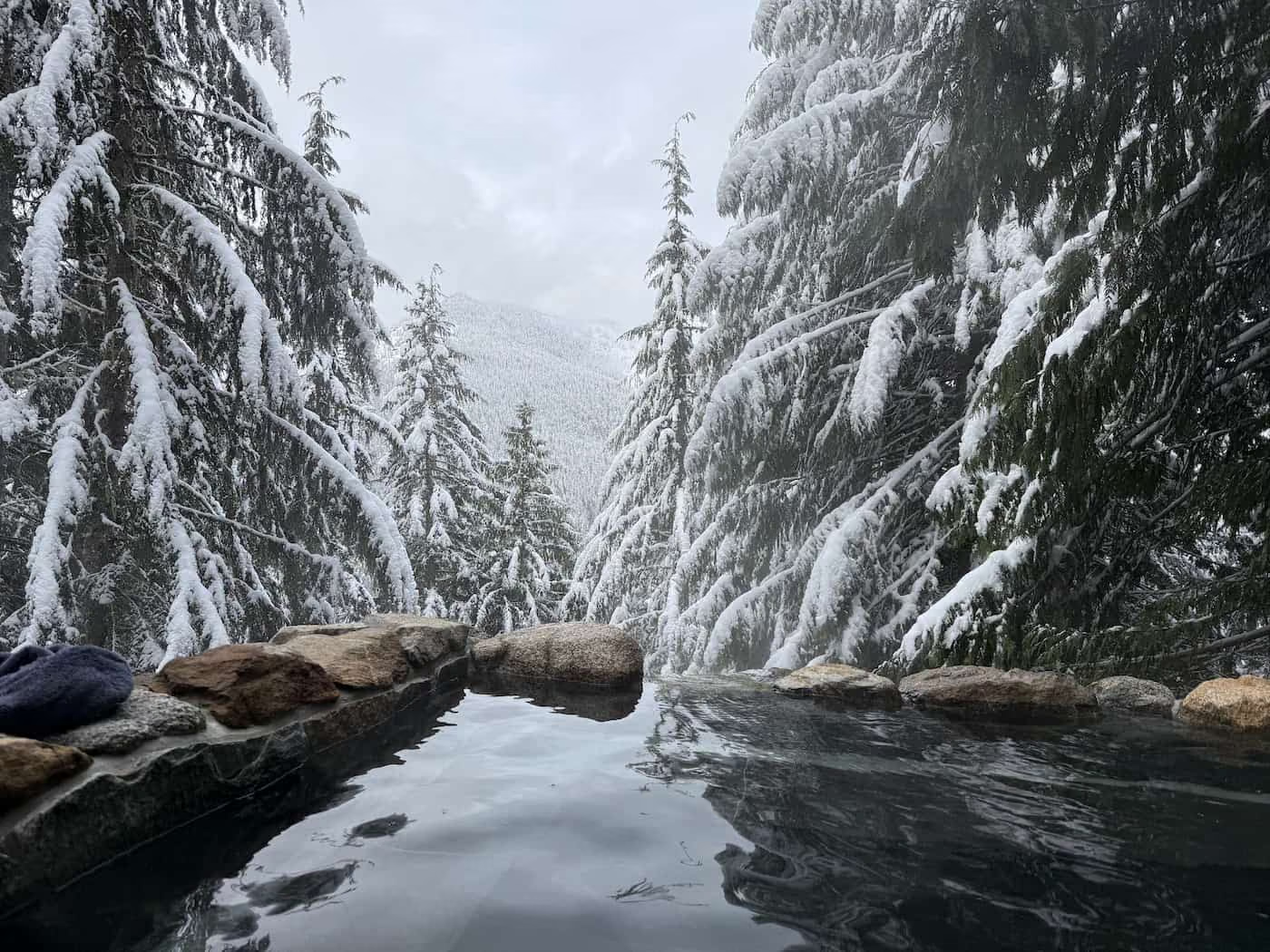
Backcountry trail soak: Scenic Hot Springs near Skykomish is a permit-only hillside soak with mountain views, reached by a steep hike in the central Cascades.