
Quick FactsOverview
About Kraus Hotsprings
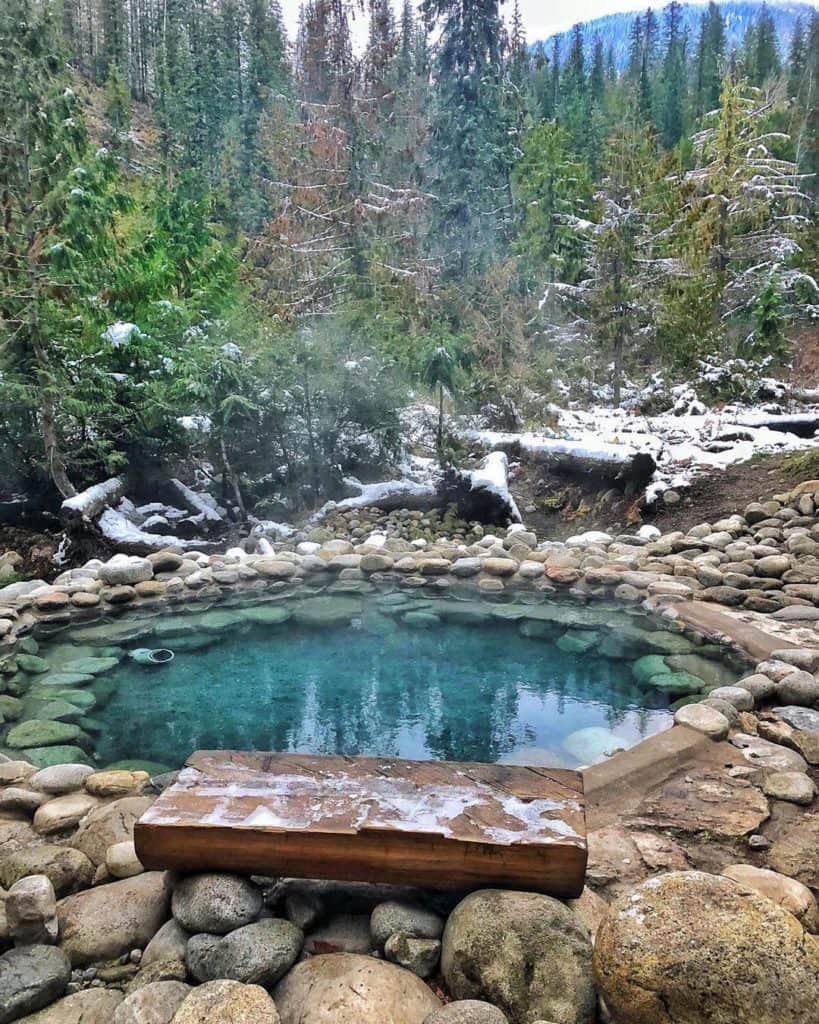
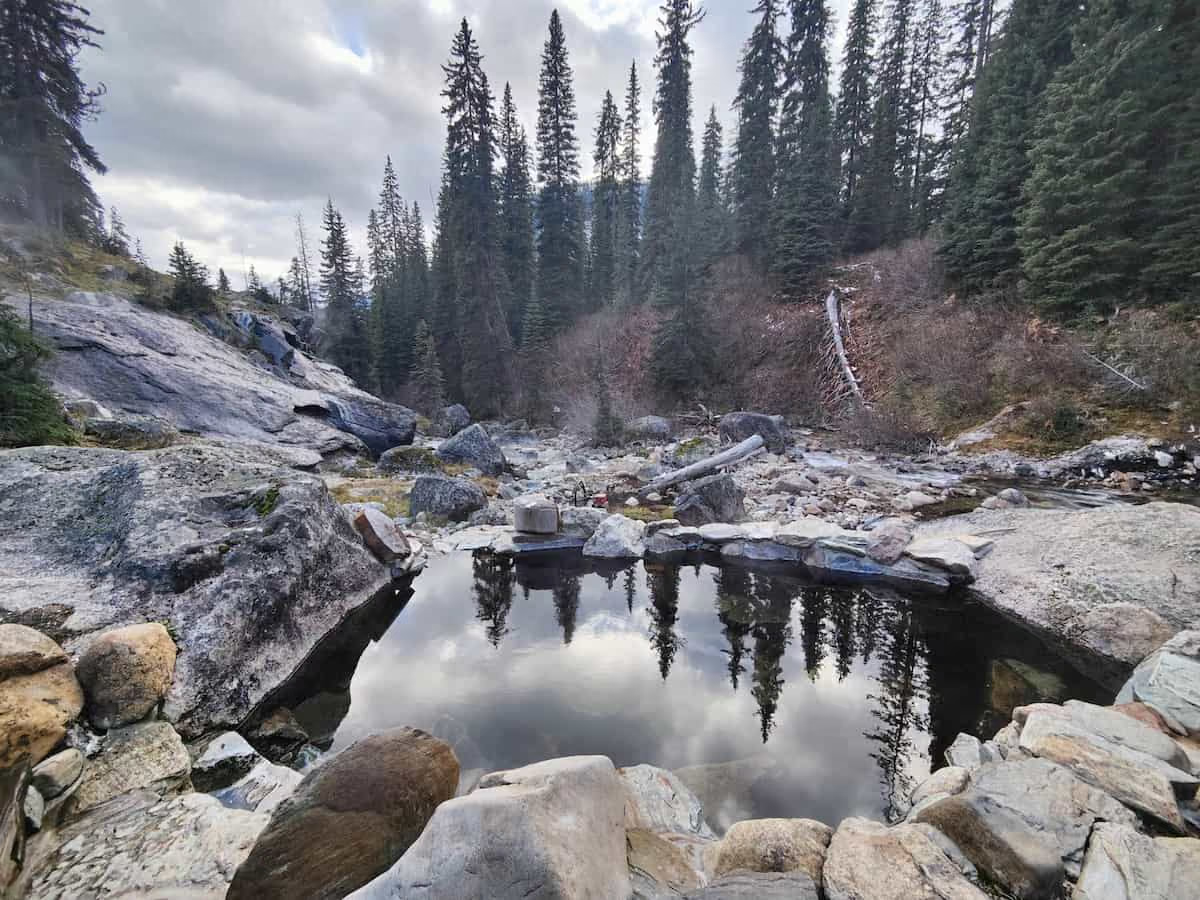
Kraus Hotsprings, Canada is a free wild geothermal spring on the south bank of the South Nahanni River in Nahanni National Park Reserve, Northwest Territories, accessible only by multi-day river paddle or floatplane from a put-in point. The spring features a single natural pool enclosed by rock walls, with sulphur-rich water containing concentrations of chloride, sodium, and sulphate. The pool sits directly at the river's edge within a canyon landscape of towering cliffs and boreal forest. A Parks Canada park use permit is required to enter the reserve.
The spring takes its name from Gus and Mary Kraus, an American couple who lived beside the Nahanni from 1940 to 1971. Mary Kraus, known as the "First Lady of the Nahanni," became a celebrated figure in NWT history and received visitors including Pierre Trudeau, whose 1970 expedition contributed to the establishment of the park reserve. The couple's original generator shack now serves as a check-in station, and plants from Mary's garden still grow on the riverbank above the pool. Kraus Hotsprings is part of a UNESCO World Heritage Site covering 30,000 square kilometres of protected wilderness. Free hot springs Canada of this remoteness and historical significance are exceptionally rare.
Location & Access
Getting to Kraus Hotsprings
Kraus Hotsprings is in Nahanni National Park Reserve in the Northwest Territories and has no road access. The standard approach is a multi-day river expedition from Virginia Falls, approximately 147 kilometres upstream on the South Nahanni River, a journey of seven to ten days by raft or canoe. Visitors may also fly by floatplane to a river put-in and begin a shorter paddle. A Parks Canada park use permit is required before entering the reserve, and all commercial guided trips must use licensed outfitters.
Fort Simpson, the primary service community for the Nahanni region, has scheduled flights to Yellowknife and other NWT communities. There are no roads into the park interior and no facilities at the spring beyond the Kraus generator shack that serves as a check-in point. Wilderness camping is encouraged throughout the park. The Parks Canada Nahanni office in Fort Simpson manages permits and can advise on current conditions and licensed outfitters.
The route to the spring passes through First Canyon, a gorge with walls rising over 1,000 metres, which is one of the defining features of the Nahanni journey. For those exploring free hot springs in Canada in a genuine wilderness setting, the Nahanni expedition, with Kraus Hotsprings as one of its landmarks, is among the most distinctive available anywhere in the country.
Suitability & Accessibility
Who Should Visit Kraus Hotsprings
Kraus Hotsprings suits experienced wilderness paddlers prepared for a multi-day expedition in one of Canada's most remote national park reserves, as reaching the spring requires a sustained river journey of significant technical demand with no road escape. The site is not suitable for families with young children, inexperienced paddlers, or those who require guaranteed access to services or emergency response. For those seeking free hot springs in Canada that deliver a true and uncrowded backcountry experience, Kraus is among the most extraordinary available.
The pool accommodates only a small group at any one time. Visitor numbers are low by necessity and soaking is almost always a solitary experience. The pool sits at the river's edge under canyon walls, with the sulphur scent of geothermal water in the open wilderness air. The remnants of the Kraus homestead add a historical dimension unusual for a backcountry hot spring.
Visitors must be in strong physical condition and have solid river skills, or travel with an experienced guide. Licensed outfitters in the Northwest Territories offer fully guided Nahanni expeditions that include all logistics, safety planning, and permit management. Prior experience with multi-day river camping is essential for those travelling independently. Those who complete the journey typically describe the Nahanni expedition as a defining outdoor experience.
Safety & Etiquette
Kraus Hotsprings Safety Tips
Kraus Hotsprings warrants serious safety planning as it is in one of the most remote sections of a national park reserve with no road access, no cell coverage, no emergency services within reach, and river conditions on the South Nahanni that are demanding for even experienced paddlers. The spring water is sulphur-rich and temperature should be tested before entering; the pool can be very hot in some areas. Visitors must carry their own first aid supplies and emergency communication equipment such as a satellite communicator.
The South Nahanni River contains significant rapids and canyon sections that require proper whitewater experience and appropriate equipment. Inexperienced paddlers should not attempt this journey independently. First Canyon, directly upstream of the spring, requires competent whitewater skills or river-reading ability. All expedition members should complete a float plan with Parks Canada before launching and carry the required park use permit at all times.
Wildlife in Nahanni National Park Reserve includes grizzly bears, black bears, wolves, and moose. Proper food storage and camp hygiene are essential throughout the expedition. Fires are not permitted at designated campsites within the reserve.
Water levels and conditions on the Nahanni vary significantly between seasons. Spring flooding can create hazardous conditions, and low water later in summer can make navigation difficult. Visitors should consult Parks Canada and licensed outfitters for current river conditions before departure. Weather in the Northwest Territories is unpredictable and warm layers, waterproof gear, and shelter must be carried at all times regardless of the season.