%252C%2520Greece%25205.avif)
Quick FactsOverview
About Loutra Thermal Springs, Kythnos
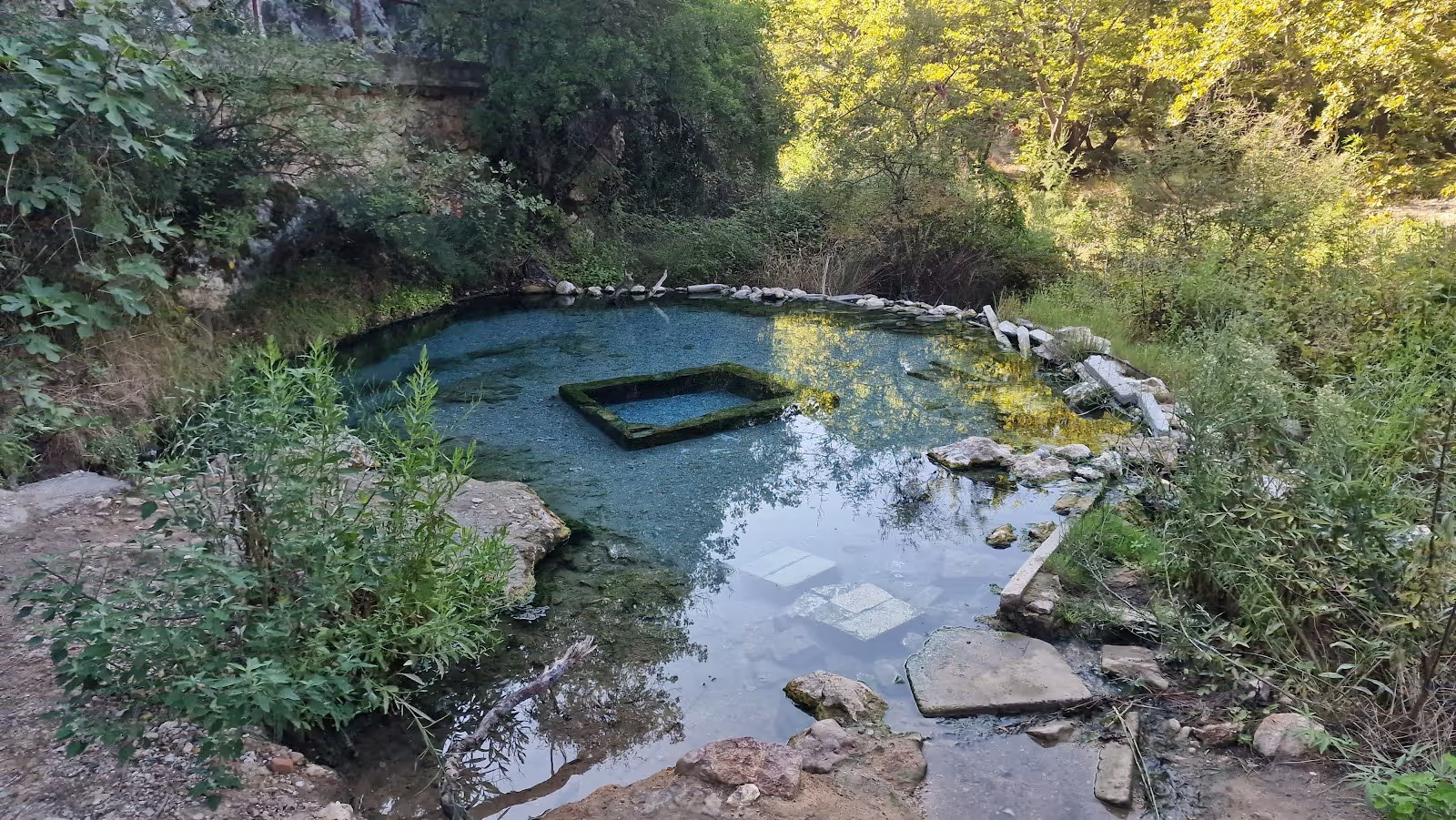
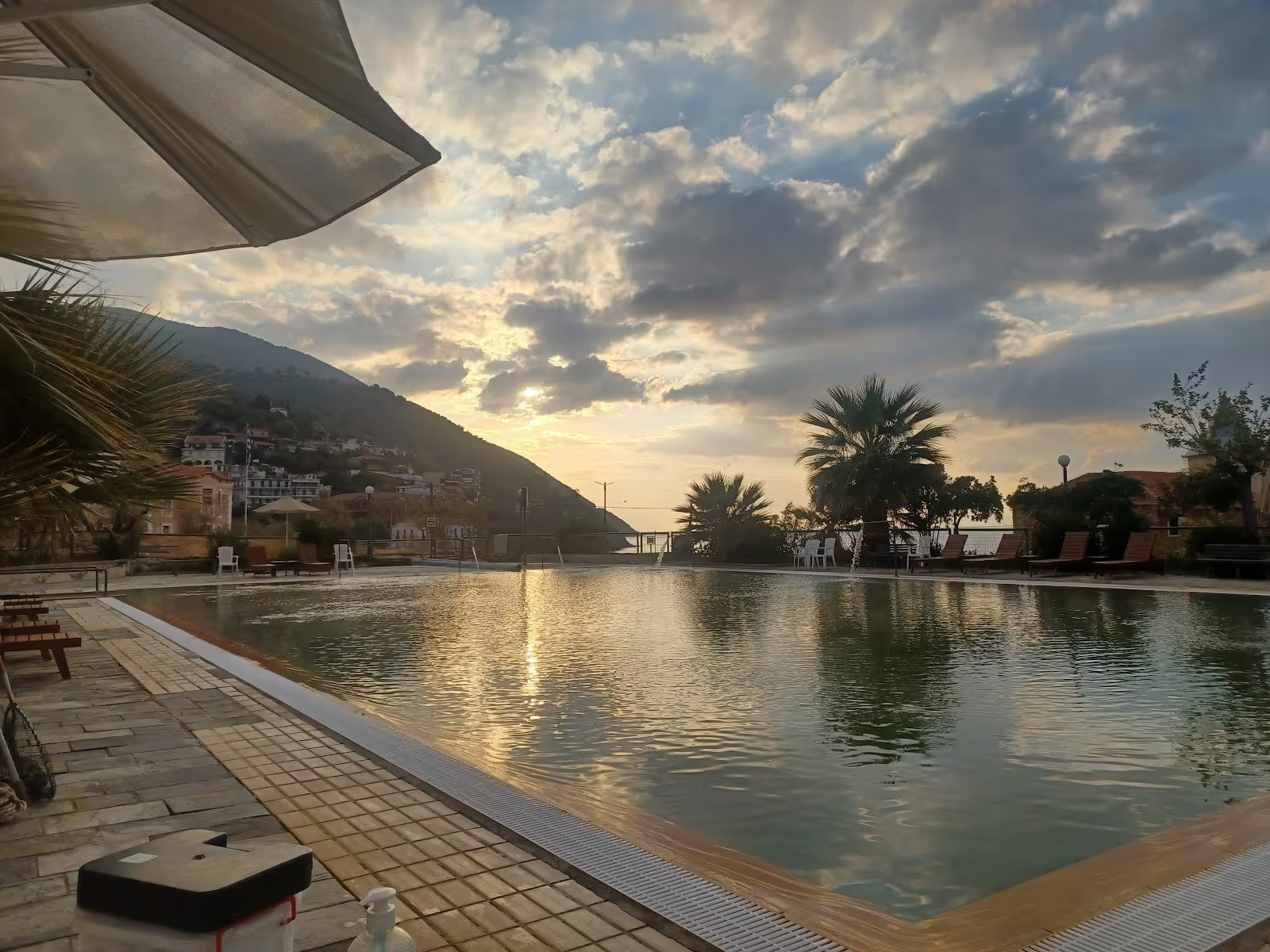
Loutra Thermal Springs, Greece is a free, volcanic coastal spring site in the village of Loutra on the northeastern shore of Kythnos island in the Cyclades. The primary visitor experience is an open-air rock-enclosed pool on the beach where hot water from the Kakavos spring flows out of the cliff at around 52 degrees Celsius and mixes with incoming seawater, creating a naturally warmed soak beside the Aegean. The island's name "Thermia", by which Kythnos was known for centuries, comes directly from these springs, and they are the only thermal springs in the entire Cyclades island group.
Two springs have historically been active at Loutra. The Kakavos spring, which feeds the outdoor rock pool, is ferrous and hyper-osmotic, with a high sodium chloride, bromide, and iodide content, and reaches temperatures of up to 52 degrees Celsius at the source. The Agioi Anargyroi spring is saline, running at around 36 to 38 degrees Celsius, and historically flowed into a formal hydrotherapy centre housed in a neoclassical building designed by architect Ernst Ziller in the mid-19th century. That indoor facility is currently not operating, and the outdoor rock pool is the reliably accessible experience for visitors today.
The springs at Loutra have attracted visitors in search of therma loutra since at least Roman and Byzantine times, as archaeological finds around the site confirm. The formal bath complex was developed from 1839 onwards under the patronage of the Greek state and King Otto. Hotels, tavernas, a marina, and a diving centre in the village make Loutra a self-contained base for exploring these hot springs in Greece alongside the island's many beaches.
Location & Access
Getting to Loutra Thermal Springs on Kythnos
Loutra Thermal Springs is reached by ferry from Piraeus or Lavrio ports on the mainland to the port of Merichas on Kythnos, followed by a road journey of around 11 km to the village of Loutra on the northeastern coast. Ferries from Piraeus take approximately three hours and from Lavrio around one and a half hours, with daily sailings in season and less frequent crossings in winter. Kythnos has no airport; all visitors arrive by sea.
From Merichas port, taxis and a limited bus service run to Loutra. A taxi from Merichas to Loutra takes around 20 minutes on the paved main road via Chora. The KTEL bus connects Merichas, Chora, and Loutra, though the schedule is infrequent and should be checked in advance. Visitors with a rental car or scooter from Merichas will find the drive straightforward on a single main road through the island.
Once in Loutra village, the outdoor rock pool is at the southern end of the beach, identifiable by the rocks enclosing the small pool where warm water enters the sea. It is a short walk from the village square and from any of the waterfront tavernas. Loutra also has its own small port with a marina. For visitors looking for hot springs near Chora Kythnos, Loutra is 5 km to the north and is the nearest spring site on the island.
Suitability & Accessibility
Who Should Visit Loutra Thermal Springs
Loutra Thermal Springs suits most visitors to Kythnos including couples, individuals, and older travellers seeking a low-key soak, as the outdoor rock pool is free to enter, requires no booking, and is accessible directly from the beach. Families with older children may also enjoy it, though the very hot source temperature and the uneven rocky edge mean young children need close supervision.
For those interested in the therma loutra tradition of Greek mineral spring bathing, Loutra Kythnos is one of the most historically significant sites in the country. The high mineral content - particularly iodine, bromide, and sodium chloride - has historically been linked to treatment of skin conditions, gynaecological issues, and joint complaints. The outdoor setting means the experience is entirely self-managed, without attendants, timed sessions, or therapeutic protocols.
Wheelchair accessibility is not feasible here. The rock pool sits on a beach with uneven pebbles and natural rock edges, with no ramps, handrails, or paved access path. Visitors with significant mobility limitations will find the approach difficult. For those seeking accessible hot springs in Greece with formal infrastructure, alternatives such as Methana Volcanic Spa offer more suitable facilities.
Winter visits are entirely possible and popular since the pool runs year-round. There are no facilities at the pool itself, so come ready to change at accommodation. The village has waterfront tavernas and rooms within a few minutes' walk.
Safety & Etiquette
Loutra Thermal Springs Safety Tips
Loutra Thermal Springs is generally safe but requires care due to the high temperature of the Kakavos source water and the uneven natural terrain of the rock pool, which has no attendants, no lifeguard, and no formal safety infrastructure. The spring exits at up to 52 degrees Celsius; the temperature moderates as it mixes with seawater in the pool, but testing the water before entering fully is essential as the mix temperature varies with sea conditions and flow rate.
The pool is small and typically holds three to four people comfortably. Local etiquette asks visitors to limit their time to around 15 minutes when others are waiting, and to avoid washing soaps or sunscreen into the pool. The pool was built and is maintained by local volunteers, and visitors are asked to treat it with care.
People with cardiovascular conditions, unregulated high blood pressure, or sensitivity to high mineral concentrations should limit immersion time. Pregnant visitors and those with open skin wounds should seek medical advice before bathing. The water carries a moderate level of natural radioactivity typical for volcanic Aegean springs, not considered a health risk for normal short visits.
The approach to the pool across the beach involves uneven pebbles and rocks. Waterproof sandals or water shoes are helpful when the surface is wet. There are no changing facilities on site. A fresh-water rinse at accommodation is advisable afterwards to remove mineral residue. The nearby village has tavernas and rooms to let within a few minutes' walk.
%252C%2520Greece%25205.avif)
%252C%2520Greece%25205.avif)
%2C%20Greece.avif)