Quick FactsOverview
About Lower Breitenbush Hot Springs
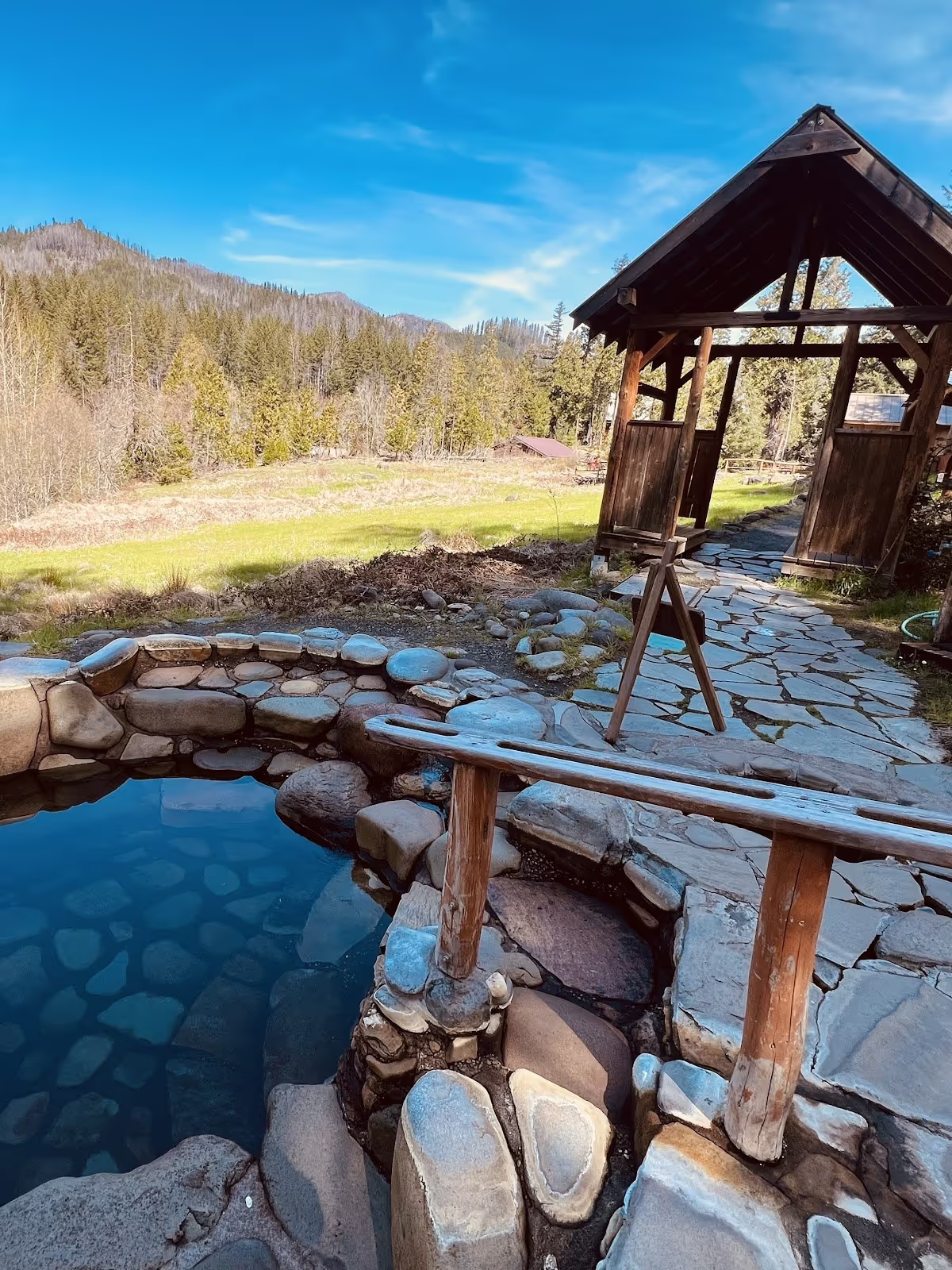
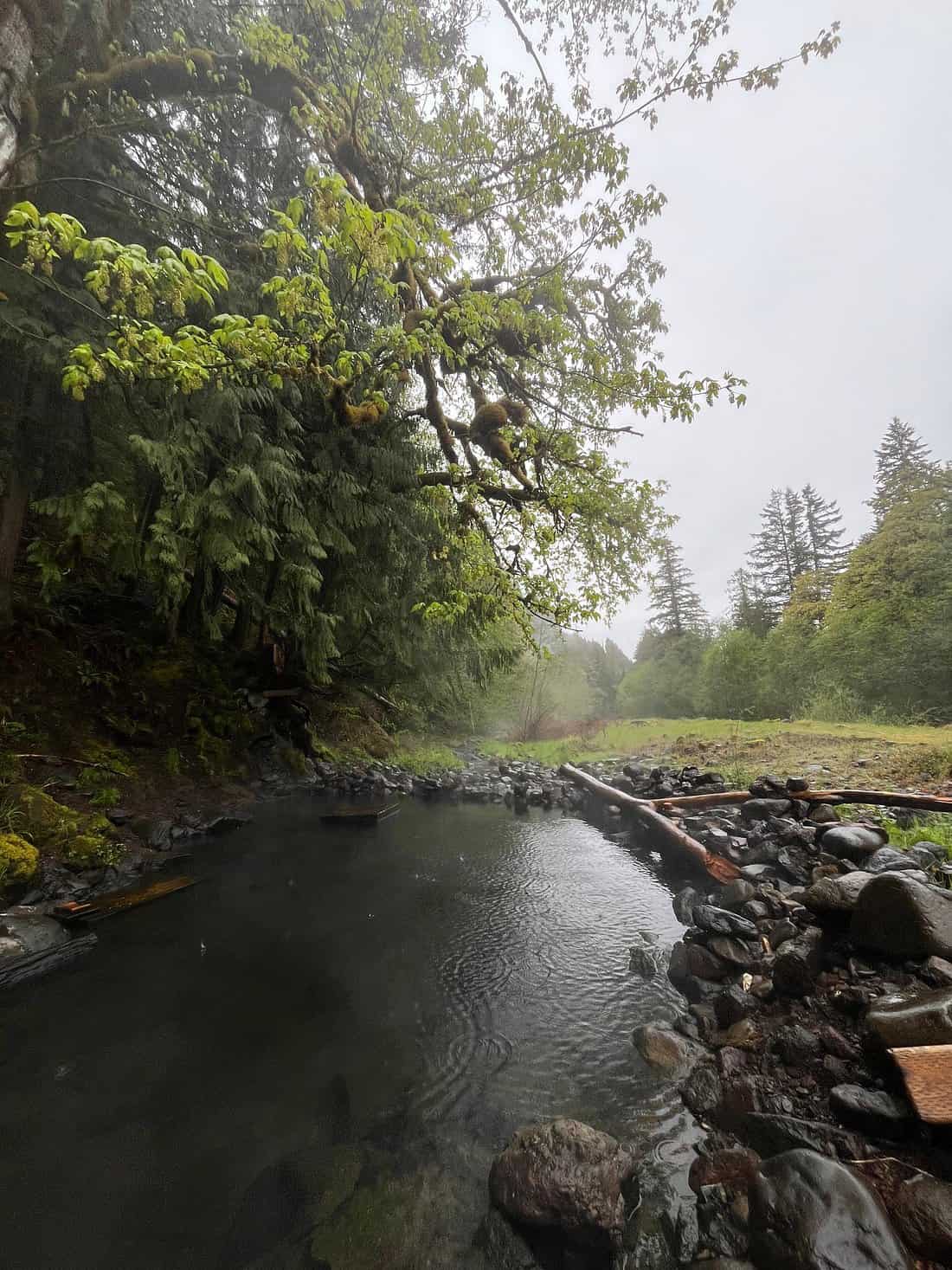
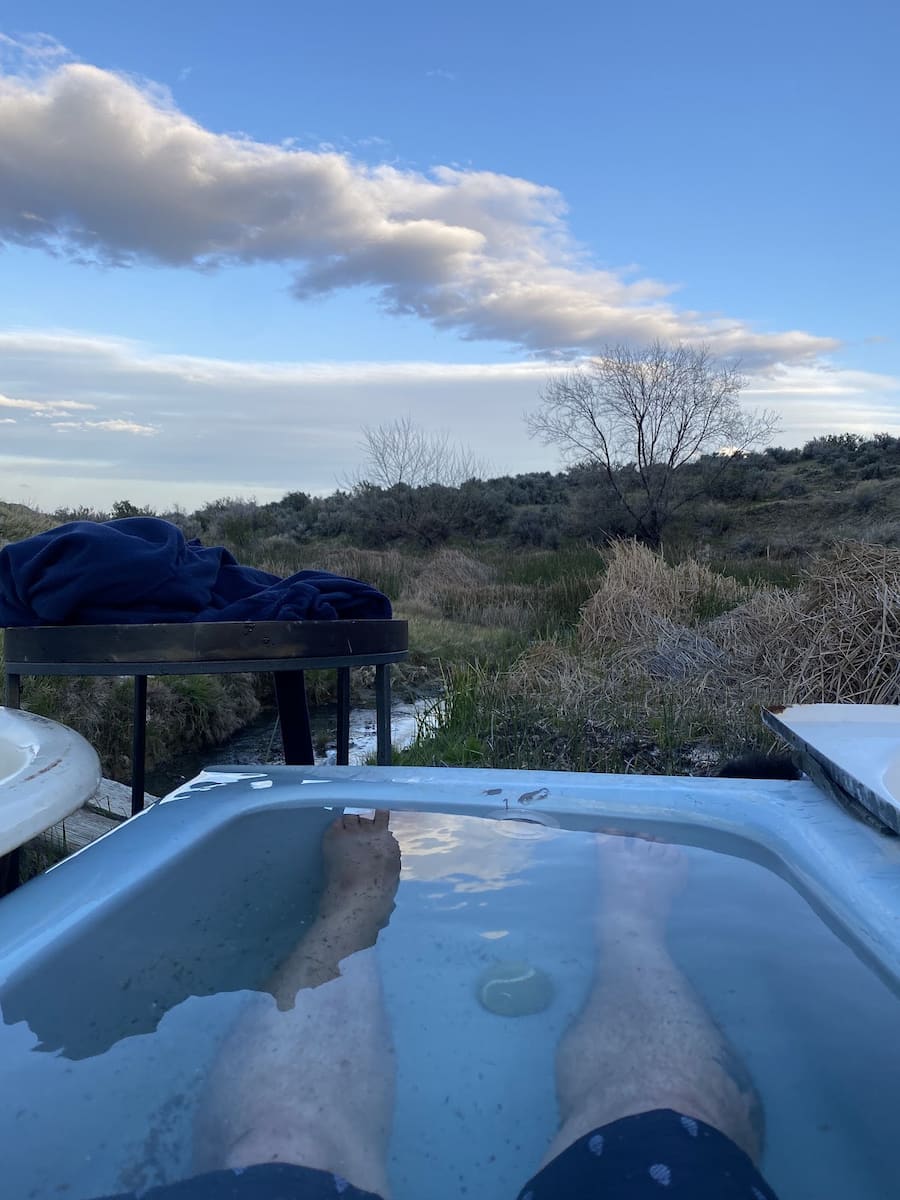
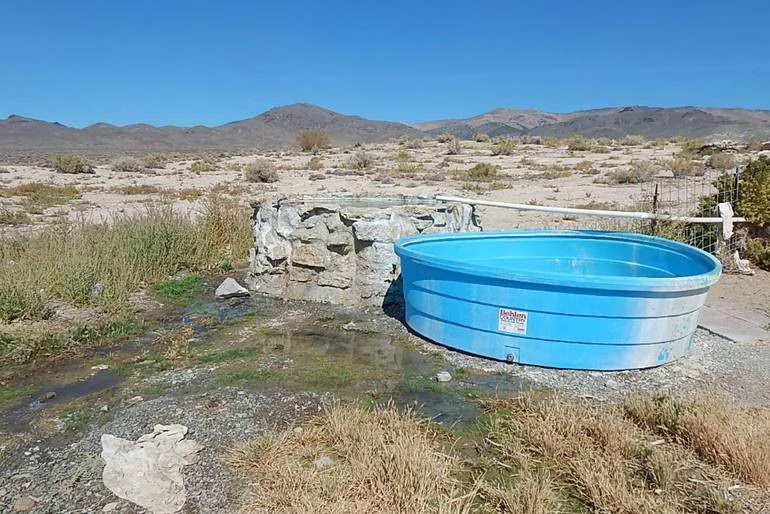
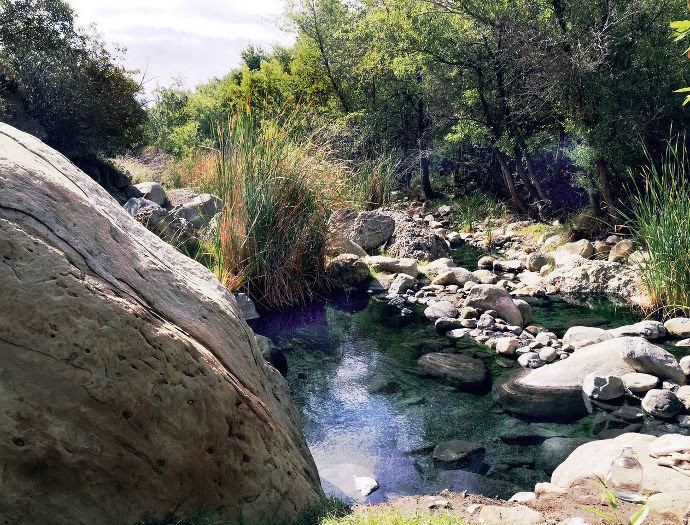
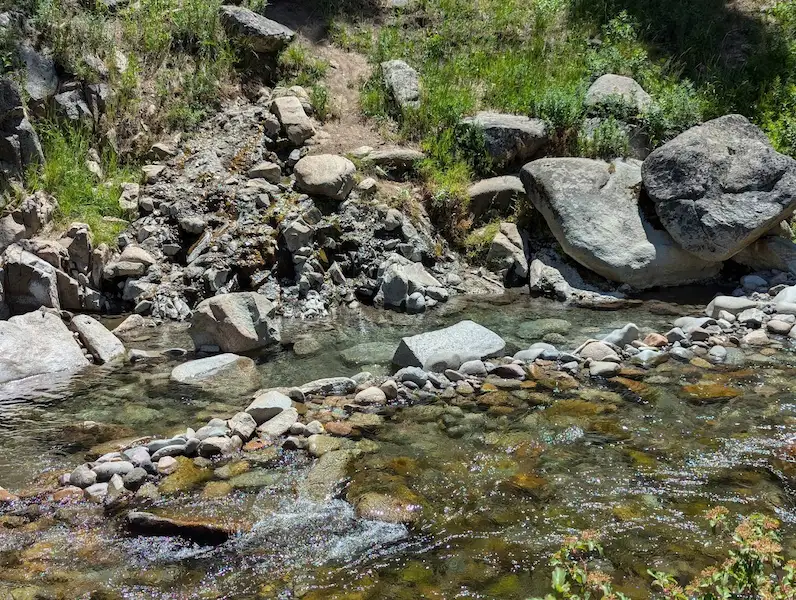
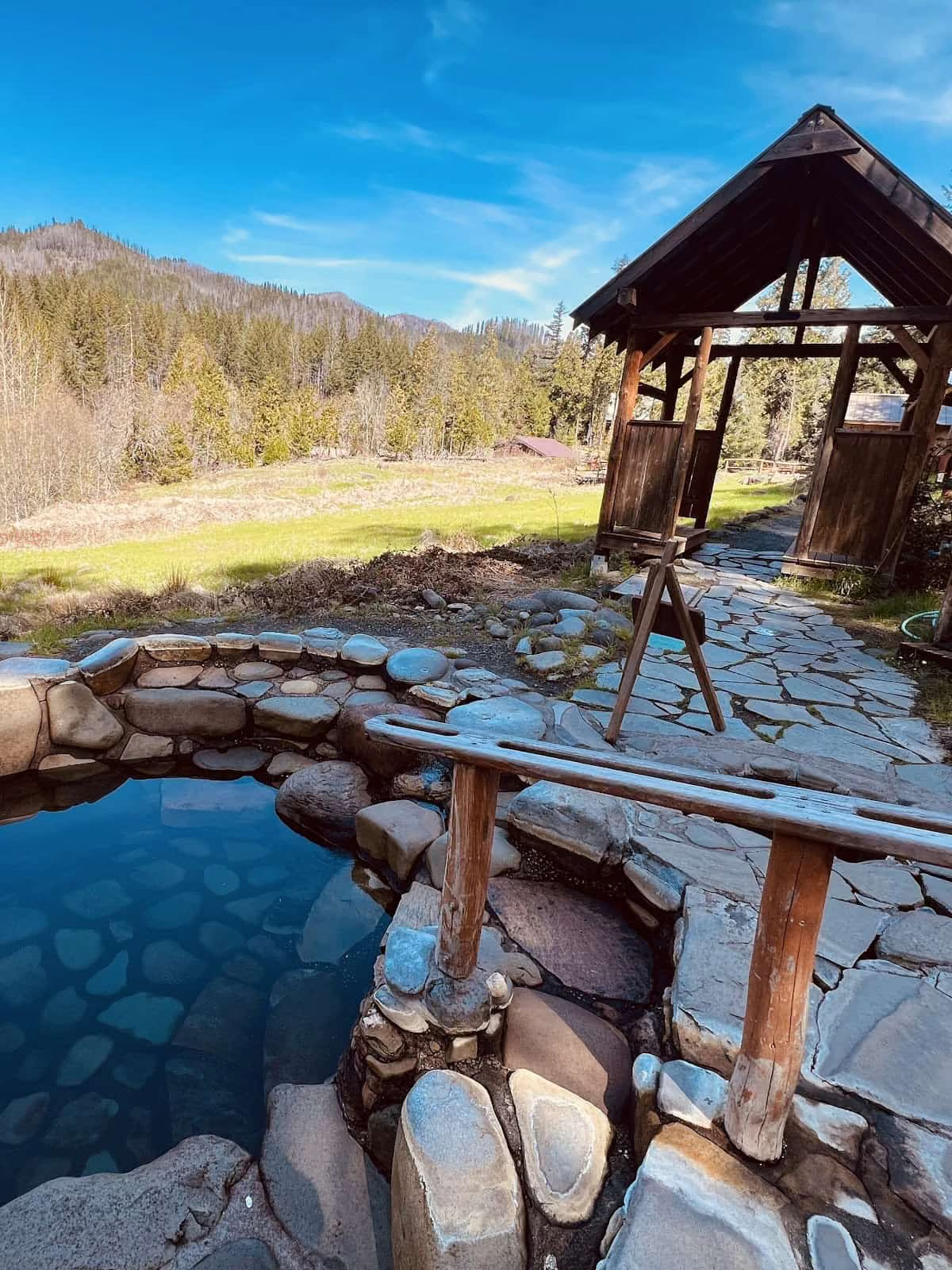
Lower Breitenbush Hot Springs, Oregon is a free, primitive geothermal site on US Forest Service land in the Willamette National Forest, approximately 600 feet downstream of the Breitenbush Hot Springs Retreat, roughly 9 miles northwest of Detroit via Breitenbush Road. The site features two large concrete pools, smaller tubs, and corroded claw-foot bathtubs on the bank of the Breitenbush River, remnants of Skiff's Camp, a resort that operated from the 1910s before floods in the 1970s destroyed the infrastructure. Pool temperatures are adjustable from a source at 150 degrees Fahrenheit. Clothing is optional.
Also known as Ann Arbor Hot Springs and Skiff's Camp, it is one of the more accessible free natural hot springs near Salem, reachable in approximately one hour. The 2020 Santiam wildfire burned the surrounding forest, leaving standing dead trees and debris along the access route. As of 2023, a rough route had been cleared through the burn area for the 0.5-mile approach, but no official trail or signage exists at the trailhead.
No facilities are on site. Dispersed camping is permitted on surrounding Forest Service land but not within 100 feet of the hot springs. Chains are required on Breitenbush Road from November 1 through April 1. No cell service is available.
Location & Access
Getting to Lower Breitenbush Hot Springs
Lower Breitenbush Hot Springs is reached by driving Breitenbush Road approximately 9 miles northwest of Detroit. From Salem, take Highway 22 east for approximately 50 miles to Detroit, then follow Breitenbush Road northeast for about 9 miles. The parking area is just before the entrance to the Breitenbush Hot Springs Retreat. There is no sign at the trailhead. From the parking area, follow the rough cleared route through the 2020 burn area for approximately 0.5 miles to the Breitenbush River, then bear left and follow the river upstream to the pools.
For those looking for natural hot springs near Salem, Lower Breitenbush is among the closest free primitive options in the Cascades. The nearby Breitenbush Hot Springs Retreat is a separate paid facility a short distance upstream with no connection to the free lower pools. GPS apps should not be relied on for the final approach, as logging roads in the area can mislead navigation. Setting a destination of Detroit Lake Marina and following written directions from Detroit is the recommended approach.
Tire chains are required from November 1 through April 1. No permit or fee is required. A river-ford alternative access from the opposite bank is passable only in summer low-water conditions. Camping is permitted dispersed on Forest Service land but not within 100 feet of the springs. Nearest services and emergency response are in Detroit, approximately 9 miles south on Breitenbush Road.
Suitability & Accessibility
Who Lower Breitenbush Hot Springs Is Suitable For
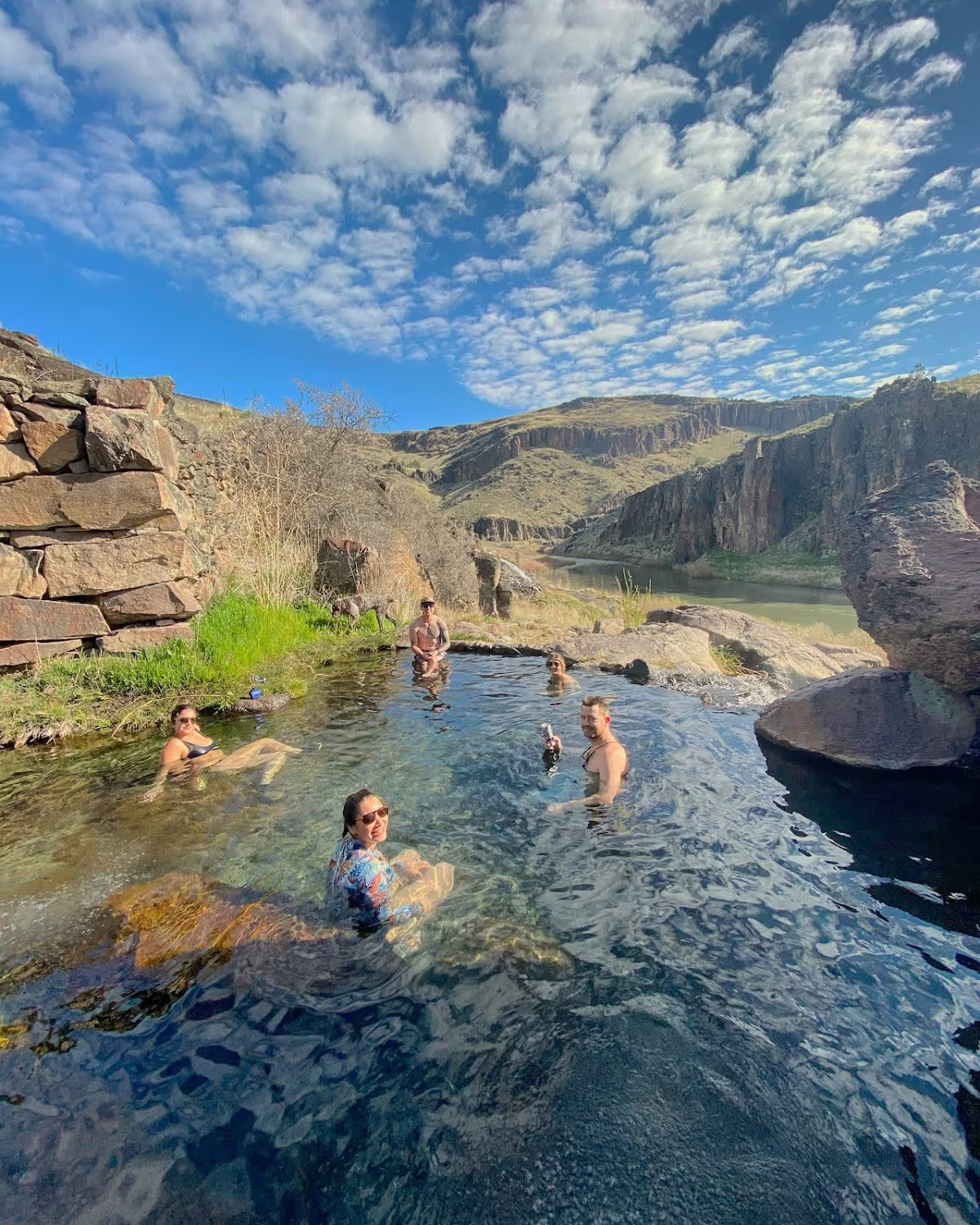
Lower Breitenbush Hot Springs suits visitors comfortable with a post-wildfire environment and a rough, unsigned trail through burn debris. The two concrete pools and additional tubs provide more variety than many primitive Oregon soaking spots, and the free natural hot springs near Salem draw a mix of day hikers and campers from the Portland and Salem areas. Clothing is optional throughout the site. The Breitenbush River canyon setting is scenic when trail conditions are manageable.
The site is not suitable for anyone unwilling to walk through a post-fire snag zone. The 2020 wildfire left standing dead trees above and alongside the cleared route that can fall without warning in wind or after rain. Visitors should assess overhead conditions on arrival and be prepared to turn back if the approach feels unsafe. The National Forest trails from the nearby Breitenbush Retreat remain closed due to wildfire damage, so additional hiking from this trailhead is not available.
The site is not wheelchair accessible. The route involves uneven post-fire terrain and the pools sit at river level on an irregular bank. No facilities are present. Children can visit but require close supervision near the pools, as the geothermal source reaches 150 degrees Fahrenheit. The Breitenbush River alongside the pools is a separate hazard. Dogs are permitted on Forest Service land.
Safety & Etiquette
Safety at Lower Breitenbush Hot Springs
Lower Breitenbush Hot Springs presents two primary safety hazards: the post-wildfire approach trail and the pool source temperature. The geothermal source reaches 150 degrees Fahrenheit, which is far above safe soaking range and can cause severe burns on direct contact. Visitors must test all pools before entering and allow time for temperatures to cool before soaking. Do not contact the source vent or any inflow pipe directly.
The 2020 Santiam wildfire burned the surrounding forest and created a snag zone of standing dead trees above and alongside the access trail. These trees can fall without warning in wind or after rain. As of 2023, this hazard had not been formally cleared and the trail remains unofficial. Visitors should scan overhead conditions before and during the approach and exit the area if wind picks up significantly while in the burn zone.
The Breitenbush River runs directly beside the pools. During spring runoff the river is fast and cold. The ford access from the opposite bank is unsafe during high water and should only be considered in summer low-water conditions with careful depth assessment before crossing.
No cell service is available. Nearest emergency services are in Detroit, approximately 9 miles south on Breitenbush Road. Pack out all waste, do not use soap or shampoo in the pools or river, and camp at least 100 feet from the springs. Chains are required November 1 through April 1. Do not rely on GPS in this area, as logging roads can lead vehicles into remote locations without cell service.