Quick FactsOverview
About Ohanapecosh Hot Springs
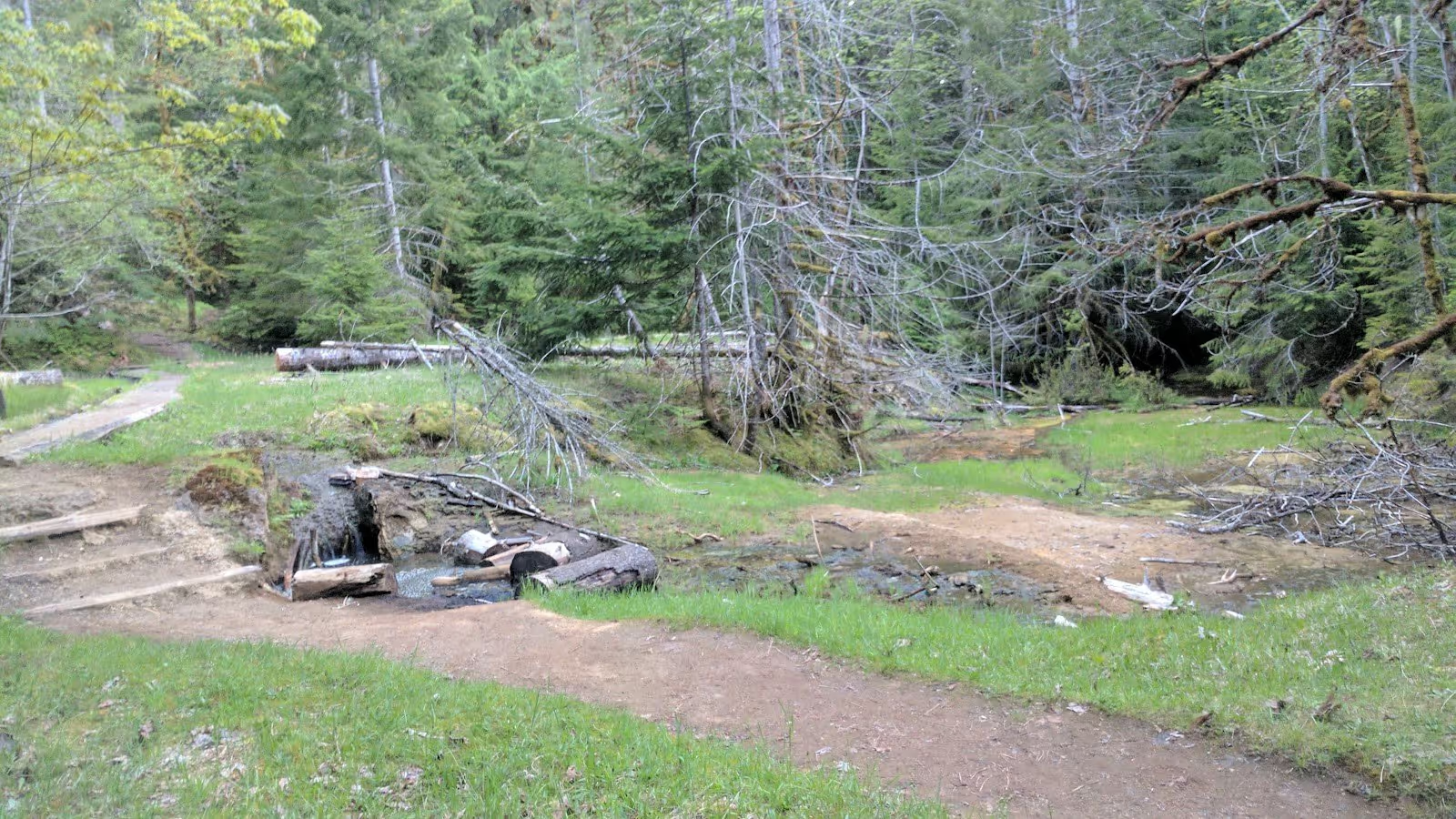
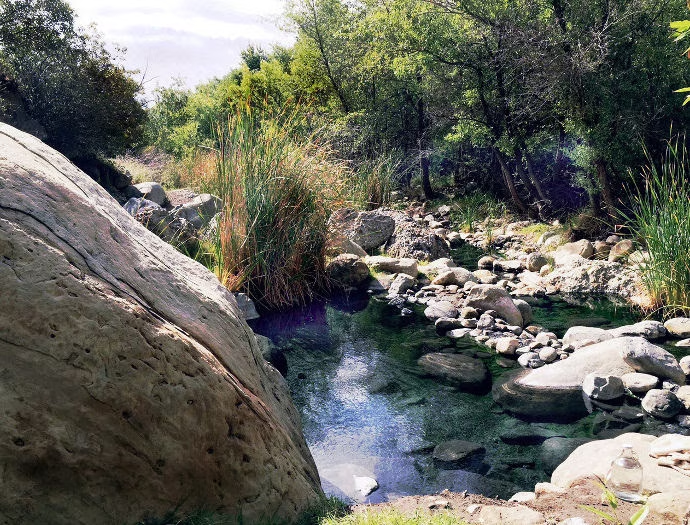
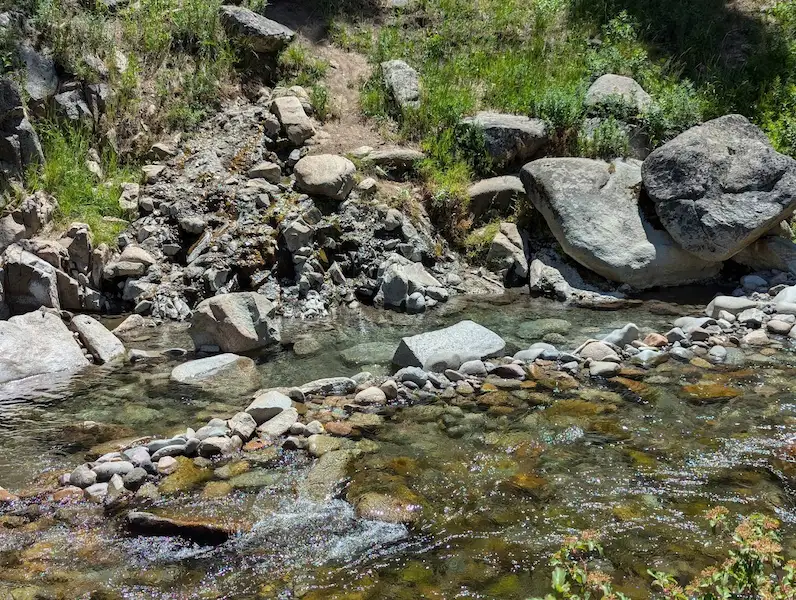
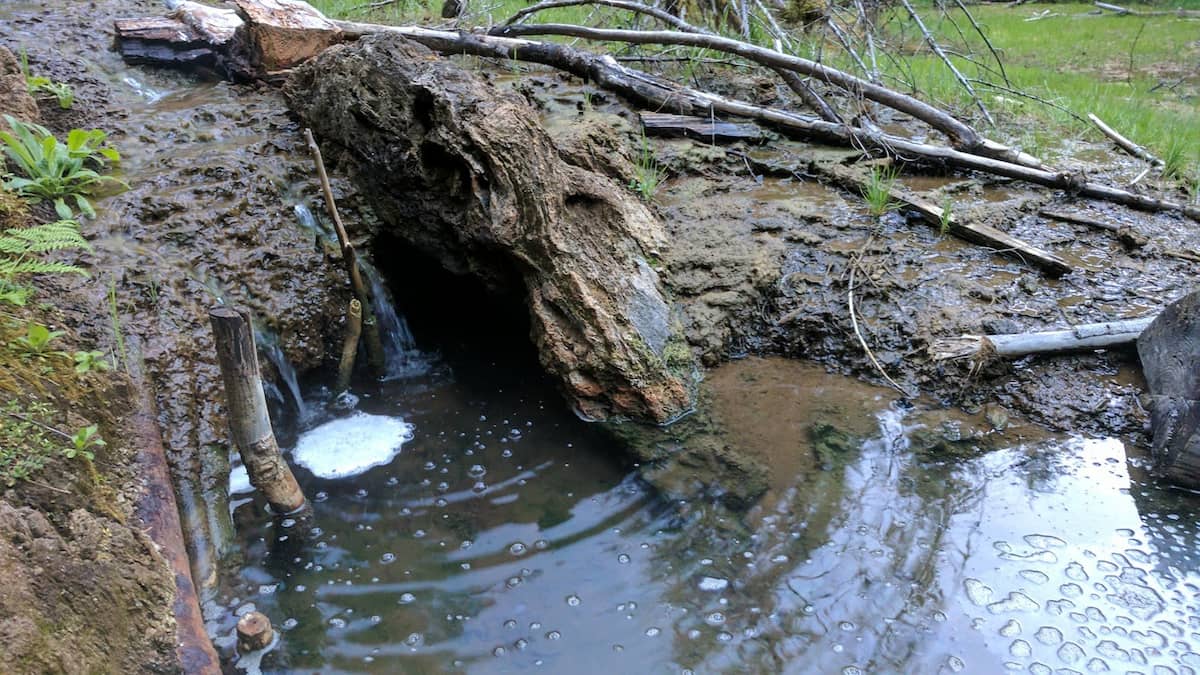
Ohanapecosh Hot Springs, Washington is a historic non-soaking mineral spring site within Mount Rainier National Park, located in the southeast corner of the park in Lewis County along the Ohanapecosh River. The springs are viewable on the short Hot Springs Nature Trail behind the Ohanapecosh Visitor Center. What remains today are small warm boggy seeps flowing from a forested bench into the river, restored to a natural condition after the closure of the commercial resort that once operated here.
A commercial resort was established at the springs in 1913, developed through the 1920s with a hotel and bathhouses, and was most heavily visited during the Great Depression when people with rheumatism camped for extended periods to use the soaking pools. The springs were incorporated into Mount Rainier National Park in 1931 and the resort was allowed to continue on a reduced scale. The resort fell into disrepair and after ownership disputes the park terminated the operating contract and bought out the final owner in 1961. The buildings were demolished within the year. By 1967 all structures were removed and the springs reverted to a natural state. Bathing is prohibited by the National Park Service.
Location & Access
Getting to Ohanapecosh Hot Springs
Ohanapecosh Hot Springs is located in the southeast corner of Mount Rainier National Park on State Route 123, approximately 4 miles north of State Route 12 near Packwood, Washington. From Packwood, drive north on SR-123 into the park. The Ohanapecosh Visitor Center and campground area is on the right, and the Hot Springs Nature Trail begins behind the visitor center building. From Seattle, take SR-410 east to Cayuse Pass, then SR-123 south approximately 11 to 13 miles to the Ohanapecosh area. A National Park entrance fee is required for all vehicles entering the park.
The Ohanapecosh area is open to vehicles in summer only, typically from late May to early November, with SR-123 closed to vehicles during winter. Hikers and snowshoers may use the closed road in winter. The Ohanapecosh Campground and visitor center were closed for a major rehabilitation project through spring and early summer of 2026, with reopening expected for the 2026 summer camping season. Visitors should check current NPS alerts and road status at the Mount Rainier National Park website before making the trip. For those seeking hot springs near Packwood Washington as part of a Mount Rainier visit, the springs site is accessible by short walk from the visitor center parking area once the rehabilitation project is complete.
Suitability & Accessibility
Suitability and Accessibility of Ohanapecosh Hot Springs
Ohanapecosh Hot Springs suits families, history enthusiasts, and casual visitors looking for a short interpretive walk in the southeast area of Mount Rainier National Park. The Hot Springs Nature Trail is short, approximately 0.3 miles, and well-suited to visitors of all fitness levels including families with young children. The trail is clearly signposted and combines the spring seeps with interpretive panels explaining the history of the resort. No soaking is possible, and the springs are not suitable for visitors seeking a bathing or mineral water experience.
The springs themselves are small warm boggy seeps at ground level, described by rangers as no longer large enough to soak in even if permitted. The Ohanapecosh Visitor Center holds historical photographs and exhibits about the resort period, which provides useful context for the trail. Seasonal interpretive programs led by rangers are available in summer when the area is staffed.
The campground, visitor center, and associated structures including the Hot Springs trailhead were closed for rehabilitation from fall 2024 through spring 2026. Visitors should confirm the current operational status of the area directly with Mount Rainier National Park before visiting. For those seeking hot springs near Packwood Washington that are viewable rather than soakable, the Ohanapecosh site offers historical context about the Pacific Northwest soaking tradition in a forested old-growth river setting.
Safety & Etiquette
Ohanapecosh Hot Springs Safety Tips
Ohanapecosh Hot Springs is a managed interpretive site within Mount Rainier National Park with ranger services in summer and clear trail signage. The spring seeps present no significant thermal hazard as they are small and warm rather than hot. No wading or entering the spring pools is permitted, and visitors should remain on the trail and boardwalk throughout the short walk.
The Ohanapecosh River flows near the springs and through the campground. The river runs cold year-round, fed by snowmelt from Mount Rainier. It can be fast and high during spring snowmelt, which makes wading or crossing outside of designated areas dangerous. Stay on the trail near the riverbanks and keep children away from the river edge, particularly in spring. The ledges along the Silver Falls Trail section of the campground area are described by rangers as wet and slippery, and multiple incidents have occurred involving visitors who left the trail near the falls.
The Ohanapecosh area is on the southeast side of the park and is typically drier and sunnier than the western side, but weather in Mount Rainier National Park is variable. Bring rain gear for any visit regardless of forecast. Wildlife including black bears, deer, and other species are present. Store food in bear boxes provided at the campground. Do not leave food unattended and do not approach or feed wildlife.
SR-123 through the Ohanapecosh area is closed to vehicles during winter, typically from November to late May. Hikers, snowshoers, and snowmobilers may use the closed road during winter. Check NPS road status before your visit in any shoulder season. The campground and visitor center were closed for rehabilitation from fall 2024 through spring 2026. Confirm current status with the park before visiting.