
Quick FactsOverview
About Paulina Lake Hot Springs
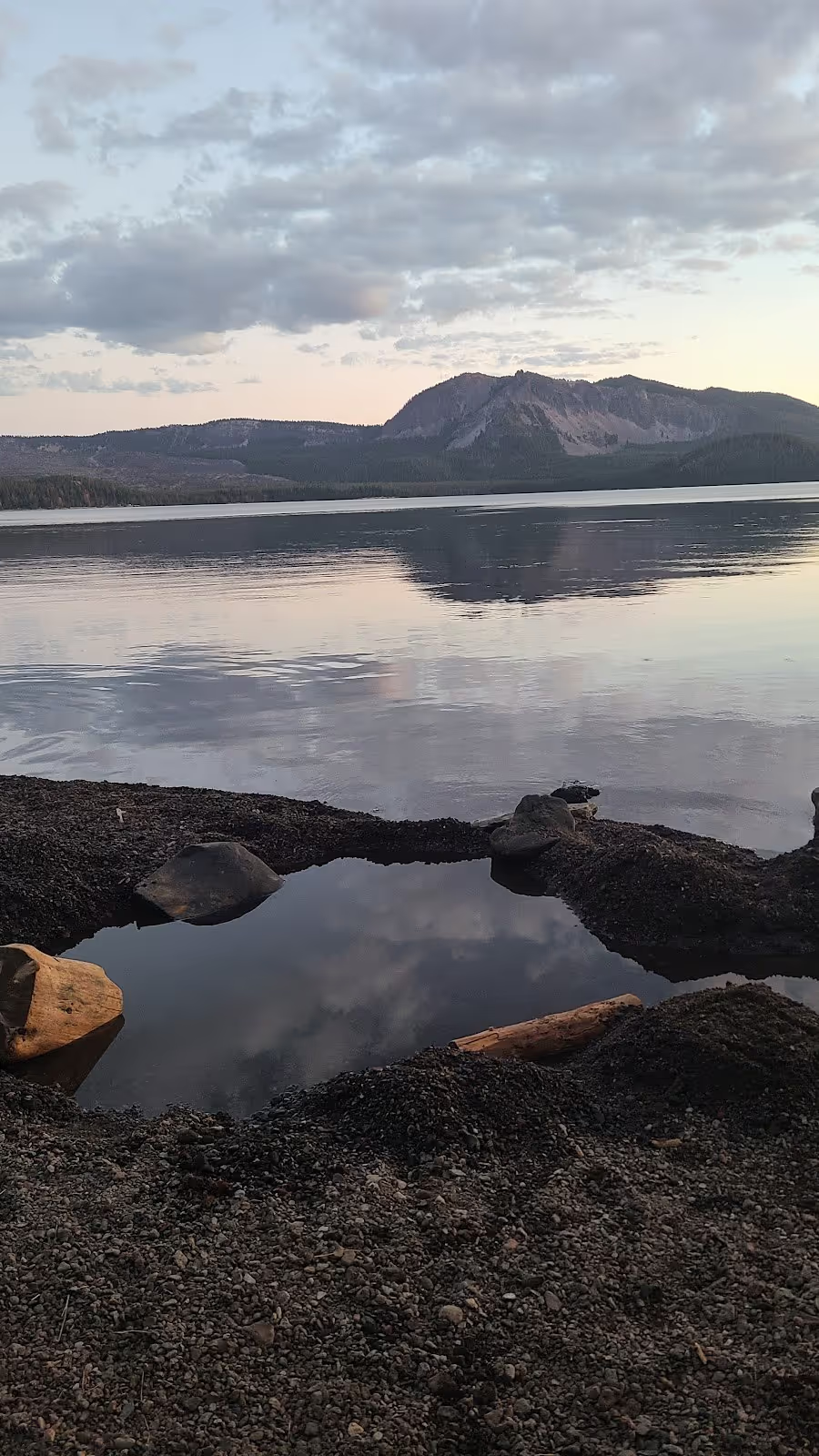
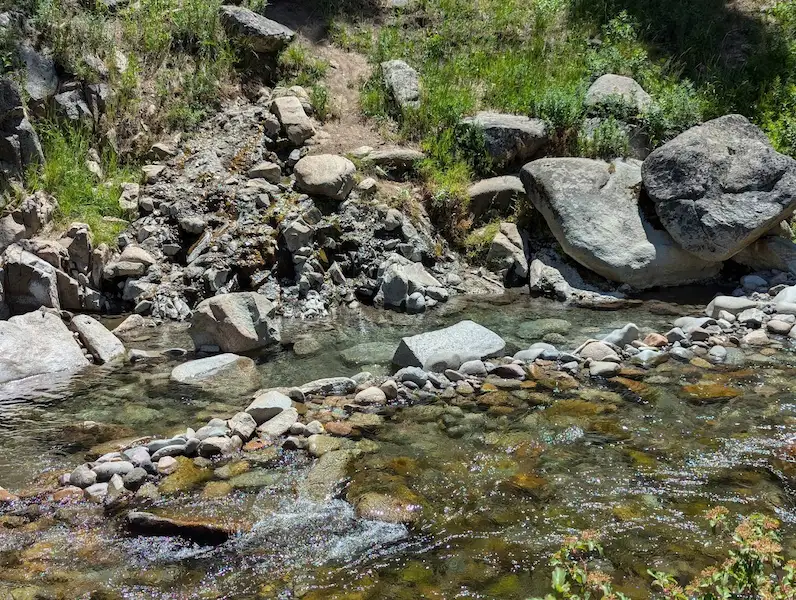
Paulina Lake Hot Springs, Oregon is a series of primitive, visitor-dug soaking pools along the volcanic shoreline of Paulina Lake inside the Newberry National Volcanic Monument, approximately 39 miles southeast of Bend. The springs are fed by geothermal water rising through cracks in the caldera floor and mixing with cool lake water at the surface, creating pools of variable temperature along a gravel beach known as Hot Springs Beach. Entry requires a $5 per vehicle day-use fee or a valid Northwest Forest Pass.
The Newberry Caldera is one of the most geothermally active volcanic areas in the United States, formed hundreds of thousands of years ago when the overlying volcano collapsed. Paulina Lake sits at an elevation of approximately 6,350 feet. The pools are entirely natural and undeveloped, formed by visitors digging into the sandy volcanic gravel where geothermal water seeps up from below. Natural hot springs in this caldera share the landscape with obsidian flows, Paulina Falls, and the adjacent East Lake, which also has shoreline hot springs.
The site is open from late May through mid-October, as the access road closes with winter snowfall. Camping is not permitted near the pools. The closest campgrounds are Little Crater Campground at the trailhead and Paulina Lake Campground on the western shore.
Location & Access
Getting to Paulina Lake Hot Springs
Paulina Lake Hot Springs is reached by a 2.3-mile hike along the Paulina Lake shoreline from the trailhead at the end of Little Crater Campground Road, which is the shortest route to the springs. From Bend, drive south on US Highway 97 for approximately 23 miles, then turn left onto Paulina East Lake Road and follow it into the Newberry Caldera. Turn left onto Little Crater Campground Road and drive to the end of the road where the trailhead is located. The trail follows the eastern shoreline on relatively flat terrain through forest, emerging at Hot Springs Beach after about 2.3 miles. Allow 45 to 60 minutes each way at a comfortable pace.
A $5 per vehicle day-use fee is required at the Newberry Crater entry station. The Northwest Forest Pass and America the Beautiful Pass are also accepted. The access road opens in late May and closes in mid-October. No reservation is needed to visit the hot springs, but the parking area at Little Crater Campground fills on summer weekends, so arriving early is advisable. For visitors looking for hot springs near Bend, Paulina Lake Hot Springs is the most geologically distinctive option in the area, set within a volcanic caldera on a paved access road.
Suitability & Accessibility
Who Paulina Lake Hot Springs Suits
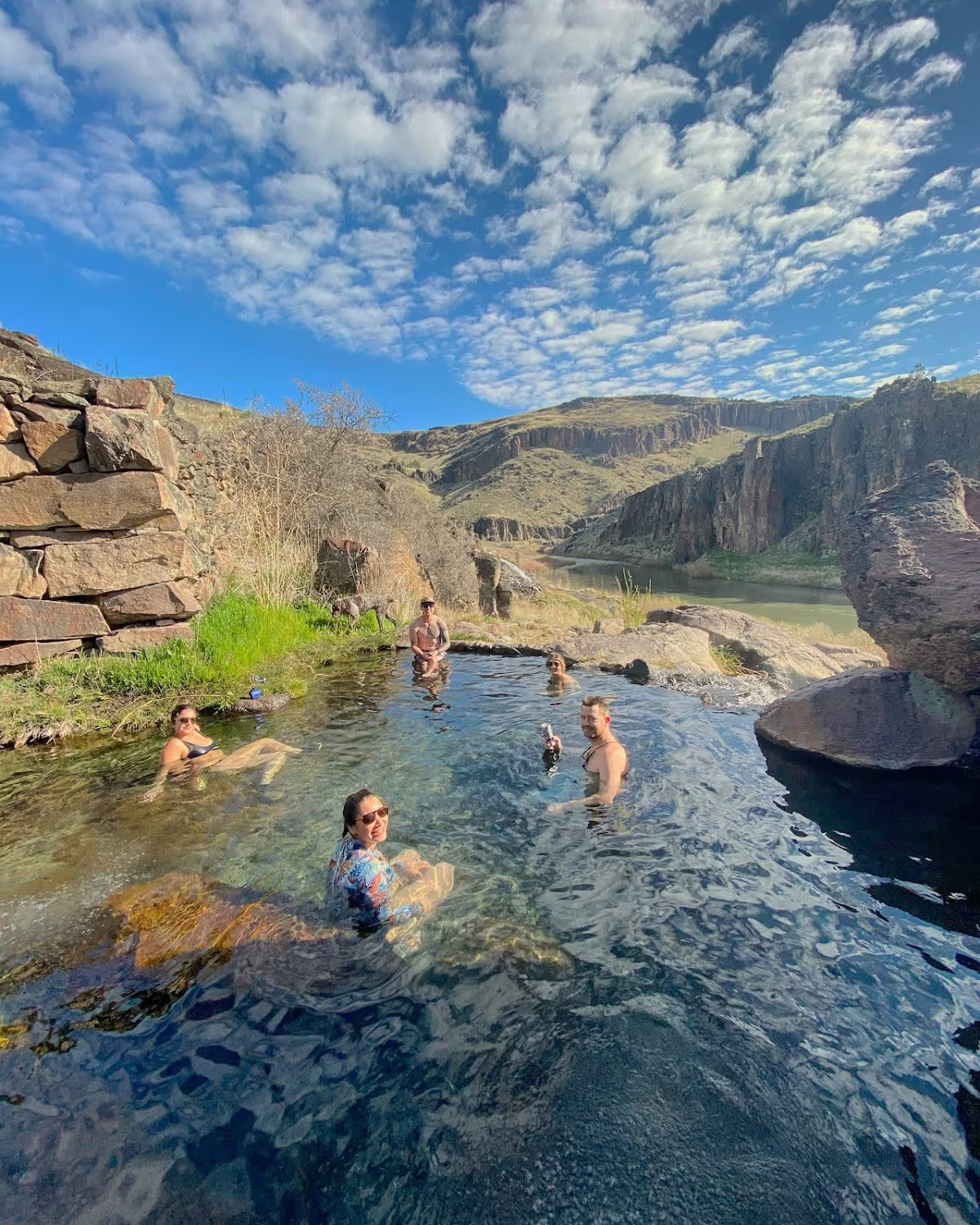
Paulina Lake Hot Springs suits hikers, families, and anyone comfortable with a 2.3-mile walk on mostly flat terrain, as the trail along the Paulina Lake shoreline is well-defined and accessible to most visitors in reasonable physical condition. The pools are shallow and dug into gravel rather than built structures, which means conditions vary from visit to visit as visitors adjust the sand and gravel around the pools. Swimsuits are required at the site, which sees regular family and group use throughout the summer season.
For those seeking natural hot springs in Oregon set within a dramatic volcanic landscape, Paulina Lake offers an experience that combines a pleasant lakeshore hike with soaking in geothermally heated pools overlooking a caldera lake. The seasonal opening means the springs are not accessible year-round by the standard summer route, though winter access is possible on foot via snowshoe or cross-country skis for experienced winter travelers. Bringing a small shovel is recommended, as visitors typically dig or adjust the pools to create a comfortable depth and temperature.
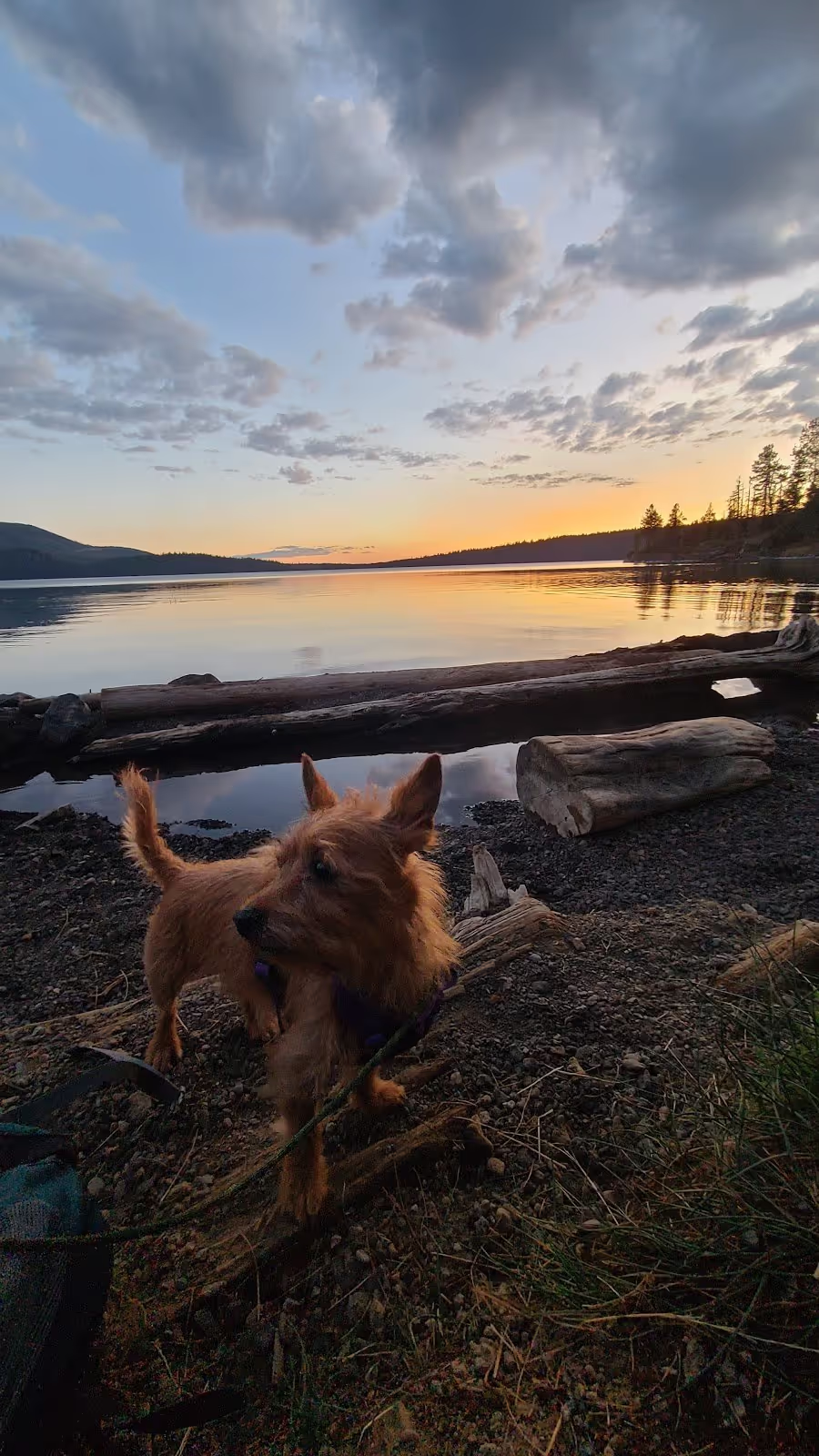
Wheelchair access is not possible. The 2.3-mile trail involves some uneven rocky terrain, and the pools are on a gravel beach without developed facilities. Dogs are permitted on the trail and at the springs but must remain on a leash at all times. No toilets or water are available at the hot springs themselves, though facilities are provided at Little Crater Campground and Paulina Lake Campground nearby.
Safety & Etiquette
Safety and Etiquette at Paulina Lake Hot Springs
Paulina Lake Hot Springs is generally safe for soaking, though visitors should test the water carefully before entering as pool temperatures vary by location and season, with some vents producing water up to 115 degrees Fahrenheit. The pools closest to the geothermal upwellings can be uncomfortably hot, while those mixed with more lake water are cooler. Adjusting the pool layout with sand and gravel, or adding lake water with a bucket, allows visitors to regulate temperature to a comfortable level.
The Newberry National Volcanic Monument is a managed area and its rules apply throughout. Camping is prohibited outside of designated campgrounds, and fires are not permitted in the hot springs area. Leave No Trace principles apply in full. Visitors should pack out all waste, as no trash bins are provided at the springs. Digging additional pools beyond reasonable adjustment of existing ones can damage the lakeshore and is discouraged. Taking obsidian, rocks, or any natural materials from the monument is not permitted.
The trail to the springs is well-marked but includes some rocky sections. Weather at 6,350 feet can change quickly, and afternoon thunderstorms are common in summer. Visitors should carry water, snacks, and a layer for the return hike. The springs are day-use only from sunrise to sunset. Dogs must remain leashed and should not drink untreated spring water.
The site can be busy on summer weekends, and pool space is limited. Arriving early or visiting on a weekday significantly improves the chance of uncrowded conditions. Respectful behavior toward other visitors, including not monopolizing pools for extended periods when others are waiting, is part of the shared etiquette at this popular caldera destination.