Quick FactsOverview
About Pilgrim Hot Springs
Pilgrim Hot Springs, Alaska is a natural geothermal area located on the Seward Peninsula approximately 60 miles northeast of Nome, situated on the southeast bank of the Kruzgamepa River between the Kigluaik mountain range and the Imuruk Basin. The site covers 320 acres of Native-owned land managed by Unaatuq LLC, a consortium of regional Alaska Native corporations. Access requires a no-fee recreational use permit, available from the Nome Visitors Center or the Bering Straits Native Corporation offices in Nome.
The geothermal springs at Pilgrim have been used for thousands of years by the Inupiat people, who knew the site as Unaatuq, meaning warm waters. The Iñupiaq Qawiaraq name reflects a long history of bathing, foraging, and traditional use in this part of the Seward Peninsula. European settlers arrived around 1900 during the Nome gold rush, and the site operated briefly as a miners resort before a fire destroyed the main roadhouse in 1908. In 1917 the Catholic Diocese of Nome acquired the property, and the following year, in the aftermath of the influenza epidemic that devastated local Native communities, a mission orphanage and school were established there. The buildings heated and supplied by the hot springs water remained in operation until 1941.
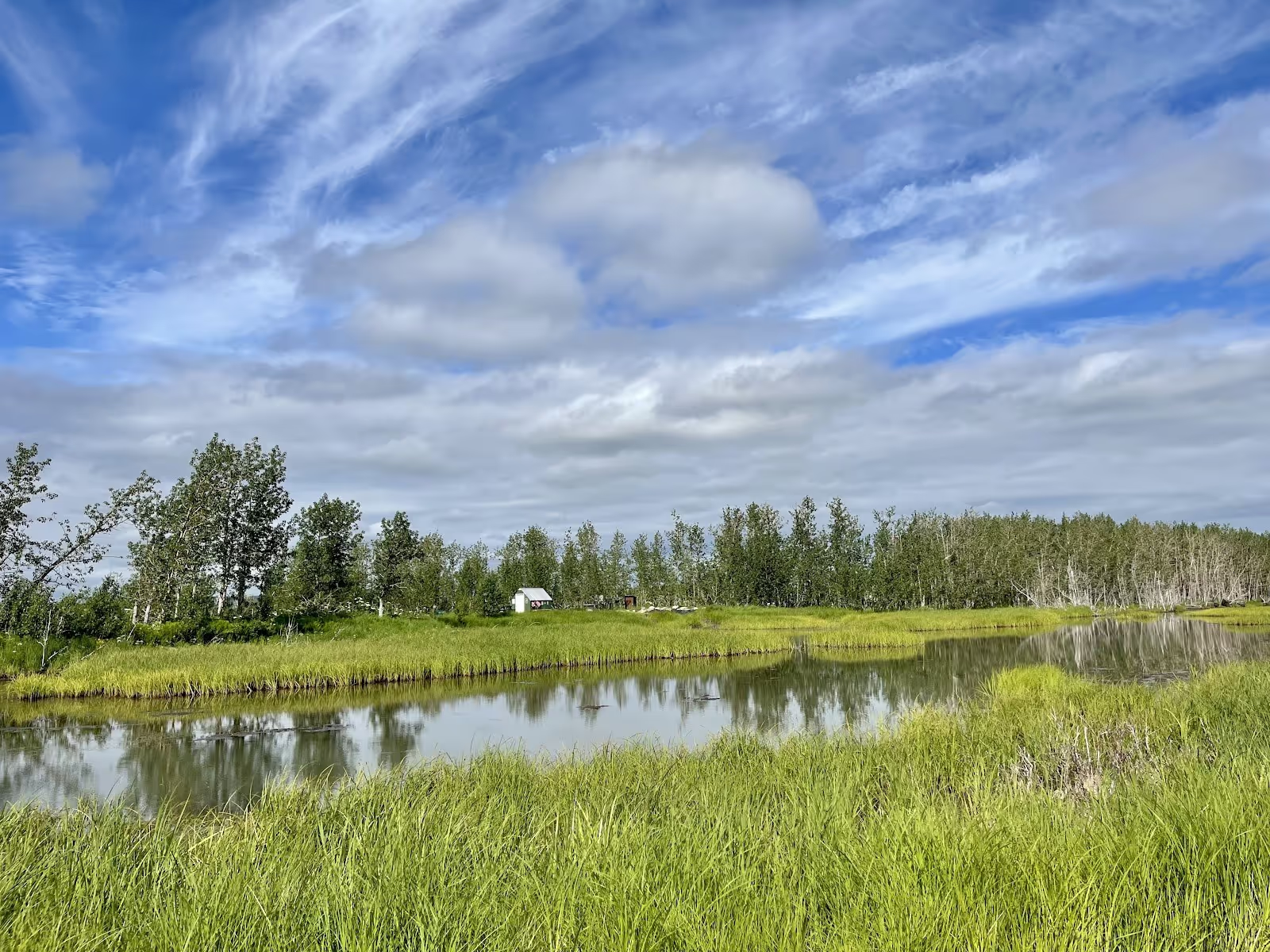
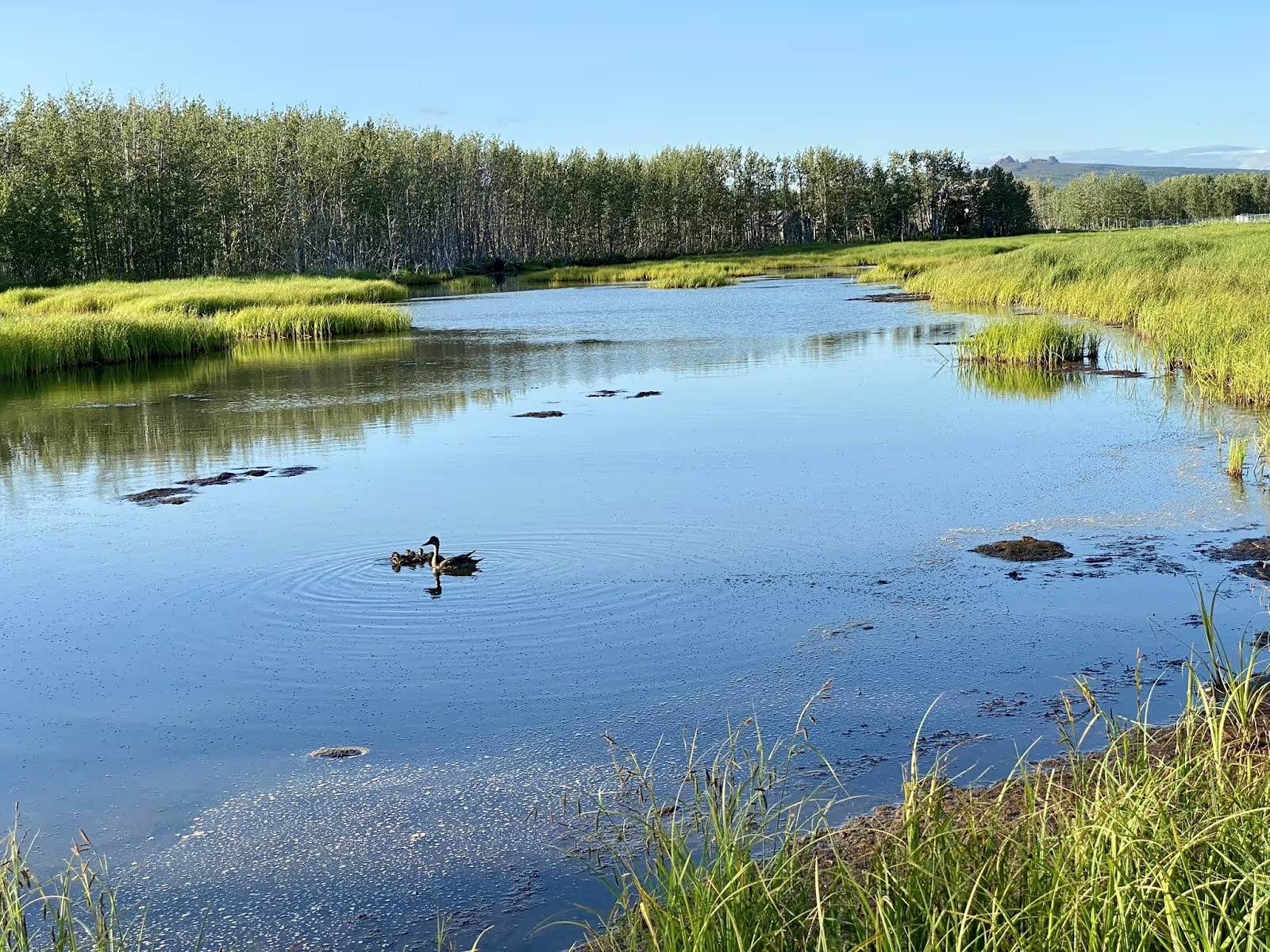
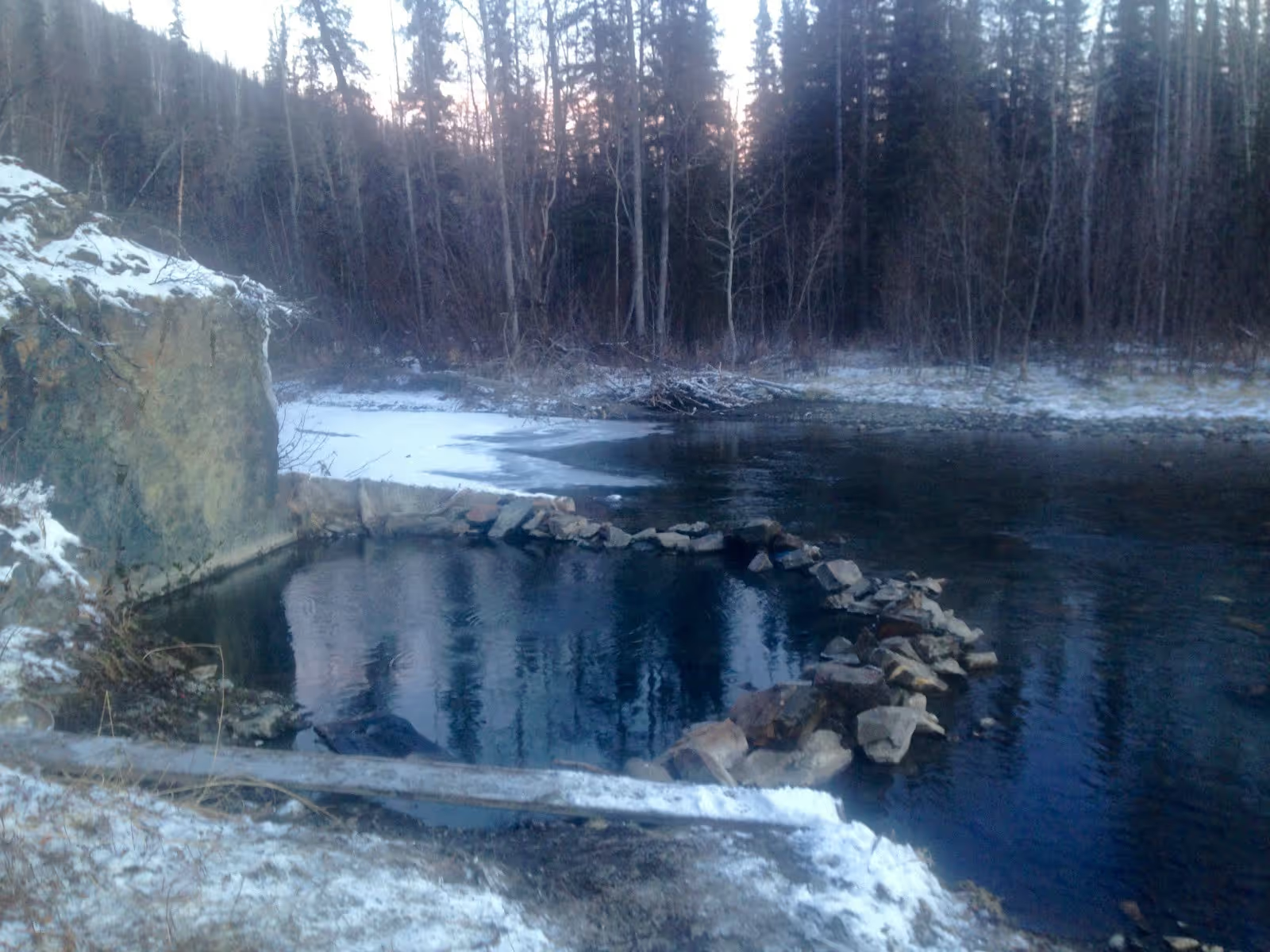
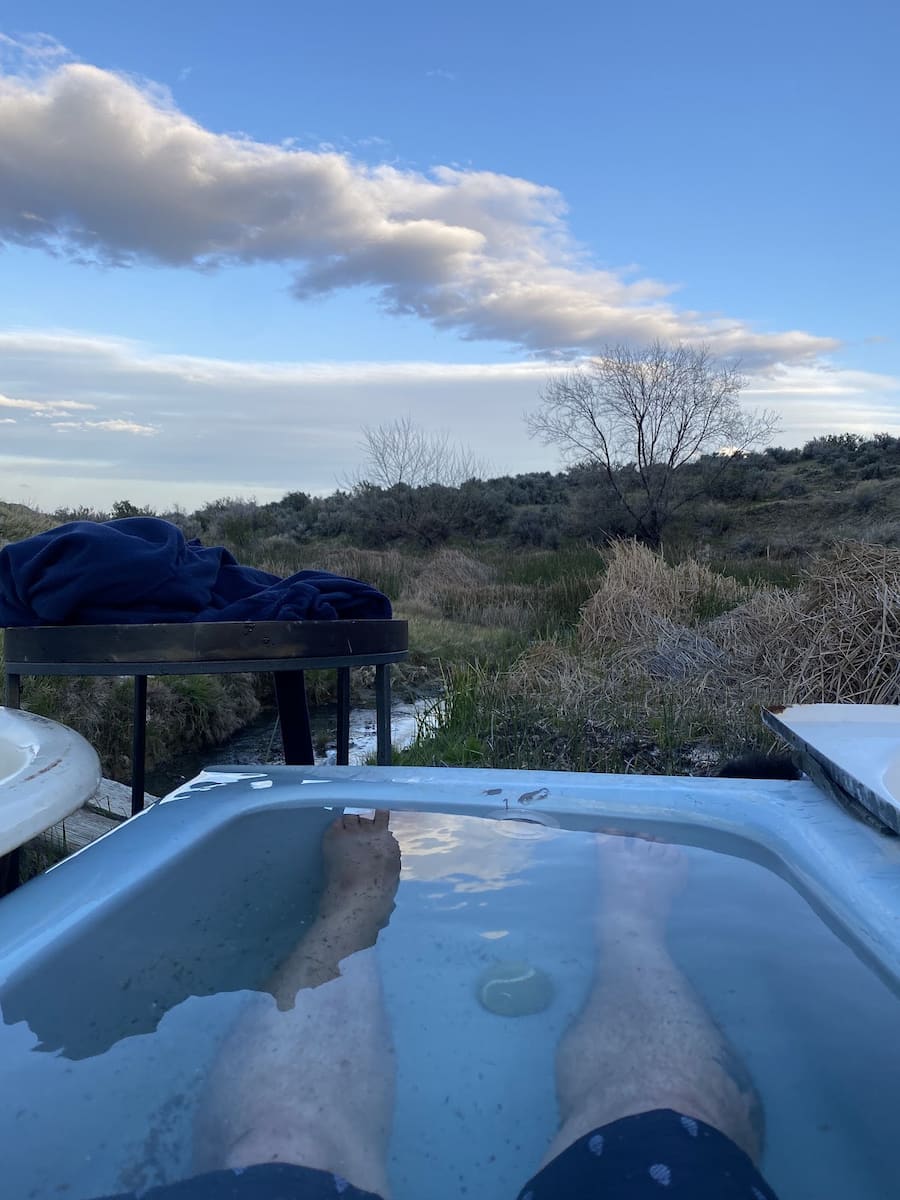
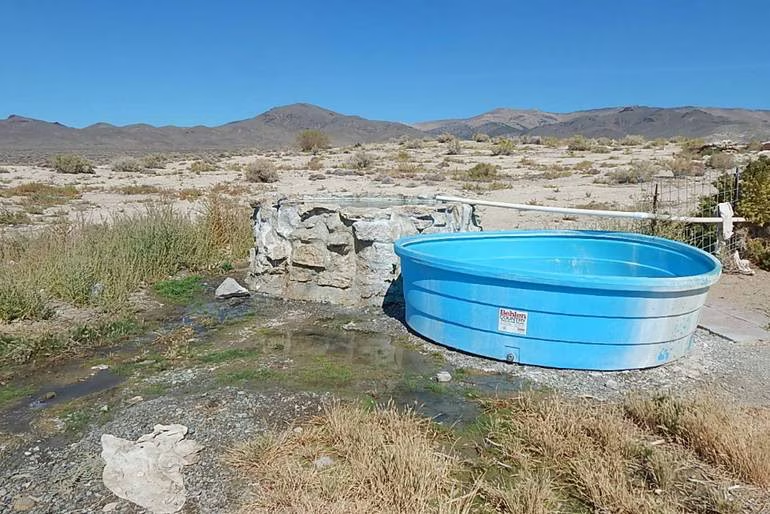
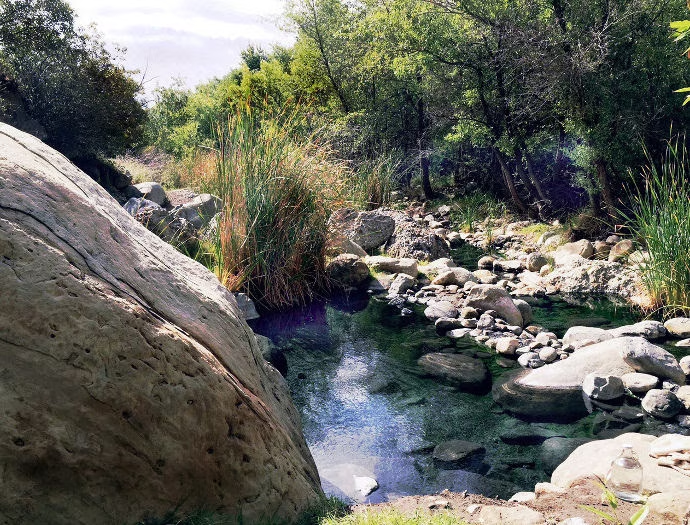
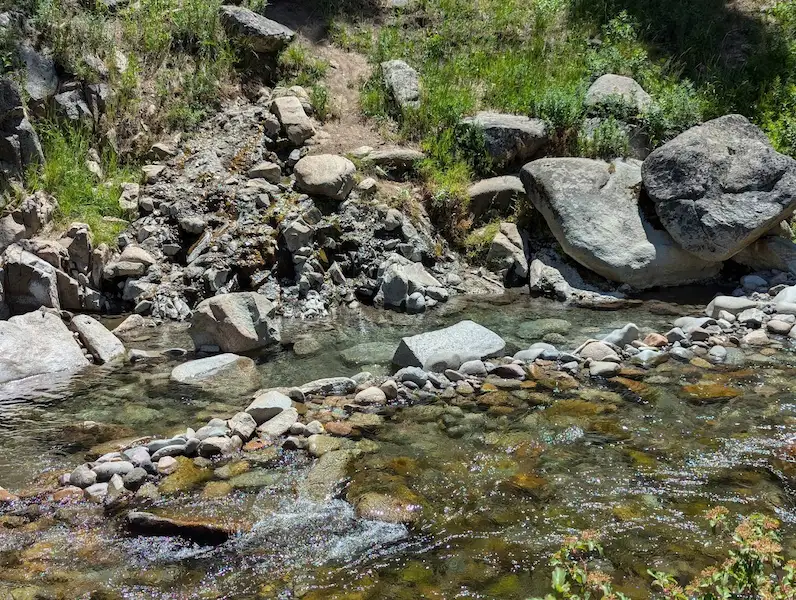
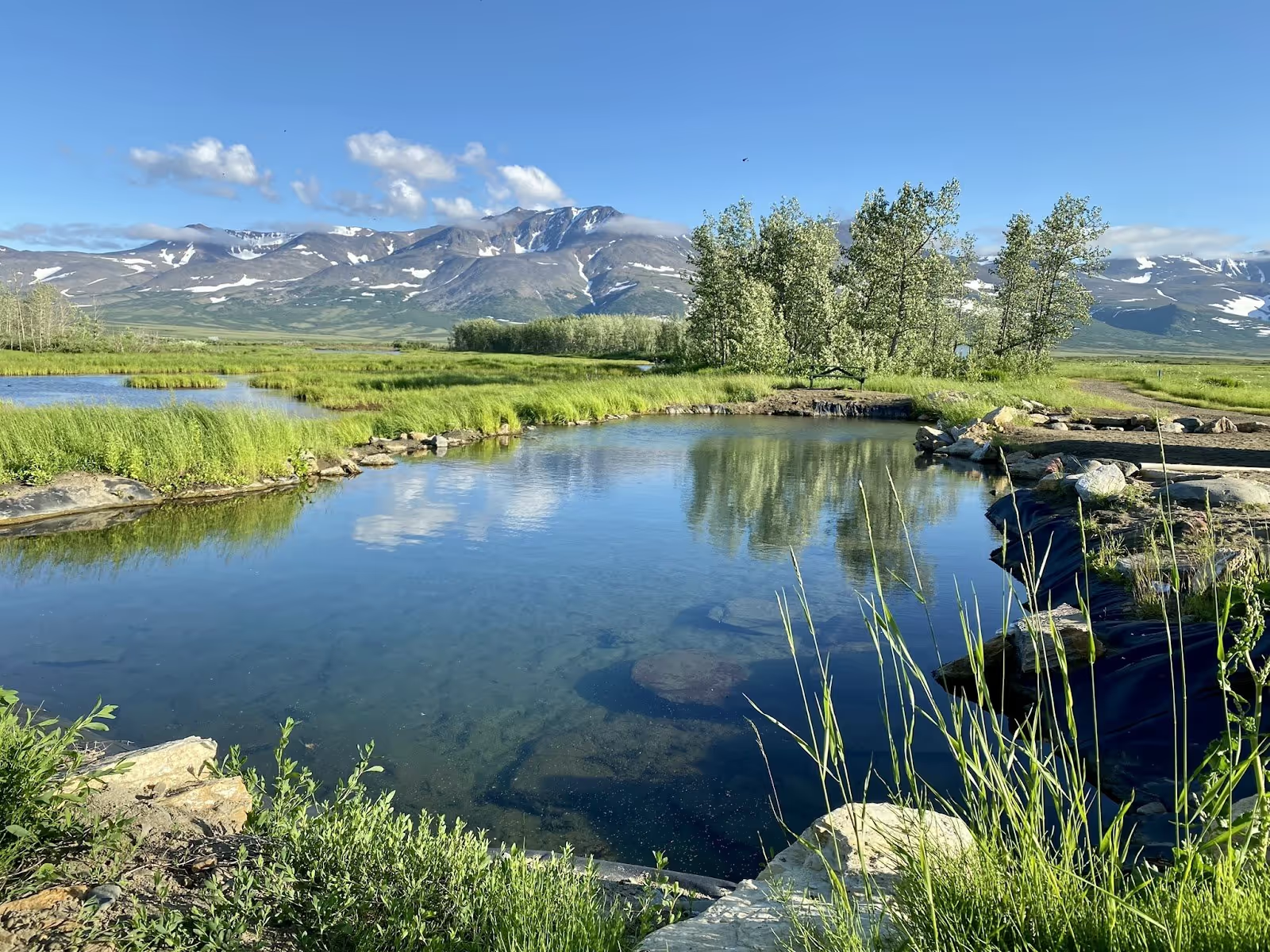
The property is a nationally recognized historic site, listed on the National Register of Historic Places. Approximately 15 buildings from the orphanage period remain standing in varying stages of deterioration, including a two-story wooden church. The thermal pools used for soaking today are natural, fed by geothermal water, and are set within a lush microclimate of cottonwood, balsam poplar, and shrub vegetation that stands in striking contrast to the surrounding open tundra of the Seward Peninsula.
Location & Access
Getting to Pilgrim Hot Springs
The primary route to Pilgrim Hot Springs follows the Nome-Kougarok Road, also called the Nome-Taylor Road, for approximately 53 miles northeast from Nome. At milepost 53, a marked left turn leads onto Pilgrim Road, a 7-mile gravel spur that ends at the property gate. The total driving distance from Nome is approximately 60 miles. A four-wheel-drive vehicle is strongly recommended for the spur road, which is unpaved, rough in sections, and occasionally impassable due to seasonal flooding. Visitors should not attempt the spur in standard passenger vehicles after heavy rain.
From the parking area at the end of the road, visitors walk approximately 10 to 15 minutes on foot to reach the main soaking pool area. Motorized vehicles are generally not permitted beyond the parking gate without prior authorization from the property manager. For those looking for hot springs near Nome Alaska without a lengthy drive, a charter air service from Nome can land at the small airfield on the property, making it possible to arrive without the road entirely.
Before visiting, obtain a no-fee recreational use permit from the Nome Visitors Center, the Aurora Inn in Nome, or the Bering Straits Native Corporation offices. The permit process is straightforward but required. The official website at pilgrimhotsprings.com provides current contact information and any updates to access conditions. There are no amenities along the Nome-Kougarok Road. Carry food, water, a spare tire, and a basic vehicle kit before departing Nome. Cell service is unavailable once you leave the city.
Suitability & Accessibility
Who Pilgrim Hot Springs Suits
Pilgrim Hot Springs is a good fit for visitors comfortable with rough-road Alaska travel and a basic, unmaintained soaking environment. The property is managed but not staffed in the way a resort or park would be. You soak in natural thermal pools, walk through an open historic landscape, and manage your own comfort throughout. It suits people who find that kind of independence appealing rather than inconvenient.
Families can visit Pilgrim with appropriate planning. The drive is long and the spur road rough, but the walk-in from the parking area is short and the soaking area itself is manageable for older children. Keep soak times short for younger visitors, prioritize warm and dry layers after the pool, and plan a conservative timeline that accounts for road conditions on the return. This is one of the more reachable family hot springs near Nome for visitors who have their own four-wheel-drive vehicle and are comfortable navigating gravel roads.
Visitors with significant mobility limitations will find the setting challenging. The spur road, the walk-in, and the pool surroundings are not adapted for wheelchairs or step-free access. The property management notes that visitors may request permission to drive beyond the gate for accessible accommodation purposes, but no formal accessible infrastructure exists. Contact Unaatuq or the Bering Straits Native Corporation directly before the trip to discuss options. Solo visitors and small groups are both welcome under the permit system, which is designed to manage the site sustainably rather than to restrict access.
Safety & Etiquette
Safety at Pilgrim Hot Springs
The most important safety step before visiting Pilgrim Hot Springs is obtaining the required permit and reviewing any current guidance from the property manager. The permit process exists in part to ensure visitors receive up-to-date information about road conditions, pool access, and any site-specific concerns. Check for flooding updates on the spur road before departure, particularly in summer and early fall.
The geothermal water at Pilgrim emerges at temperatures documented between 145 and 177 degrees Fahrenheit at the source. The soaking pools are fed by this water after it has cooled and mixed, but temperatures in any given pool can still be higher than comfortable. Test water carefully with your hand before entering. Do not assume a pool is safe based on its appearance or the behavior of other visitors. Exit immediately if you feel overheated, dizzy, or nauseous, and cool down gradually before re-entering.
The Nome-Kougarok Road and Pilgrim Road pass through active wildlife habitat on the Seward Peninsula. Muskoxen, brown bears, and caribou are all present in the region. Keep food secured in your vehicle while parked, and carry bear spray on the walk to the springs. Do not approach any wildlife, and move calmly and predictably if you encounter animals on foot.
The orphanage buildings at the site are historic structures in deteriorated condition. Do not enter any building without permission from the property manager and without first assessing stability from the outside. Several structures have partial roof failures and compromised flooring. Walking through or near the buildings is part of what makes the site historically interesting, but structural risk is real in any abandoned building that has experienced decades of freeze-thaw cycles in a subarctic climate.
The spur road can flood and become impassable. Carry a spare tire, basic recovery gear, and a plan for delays. Do not attempt a flooded crossing. Turn around and wait if conditions are uncertain. Inform someone in Nome of your planned return time, and carry a satellite communicator or personal locator beacon if you have one.