
Quick FactsOverview
About the Warm Ponds
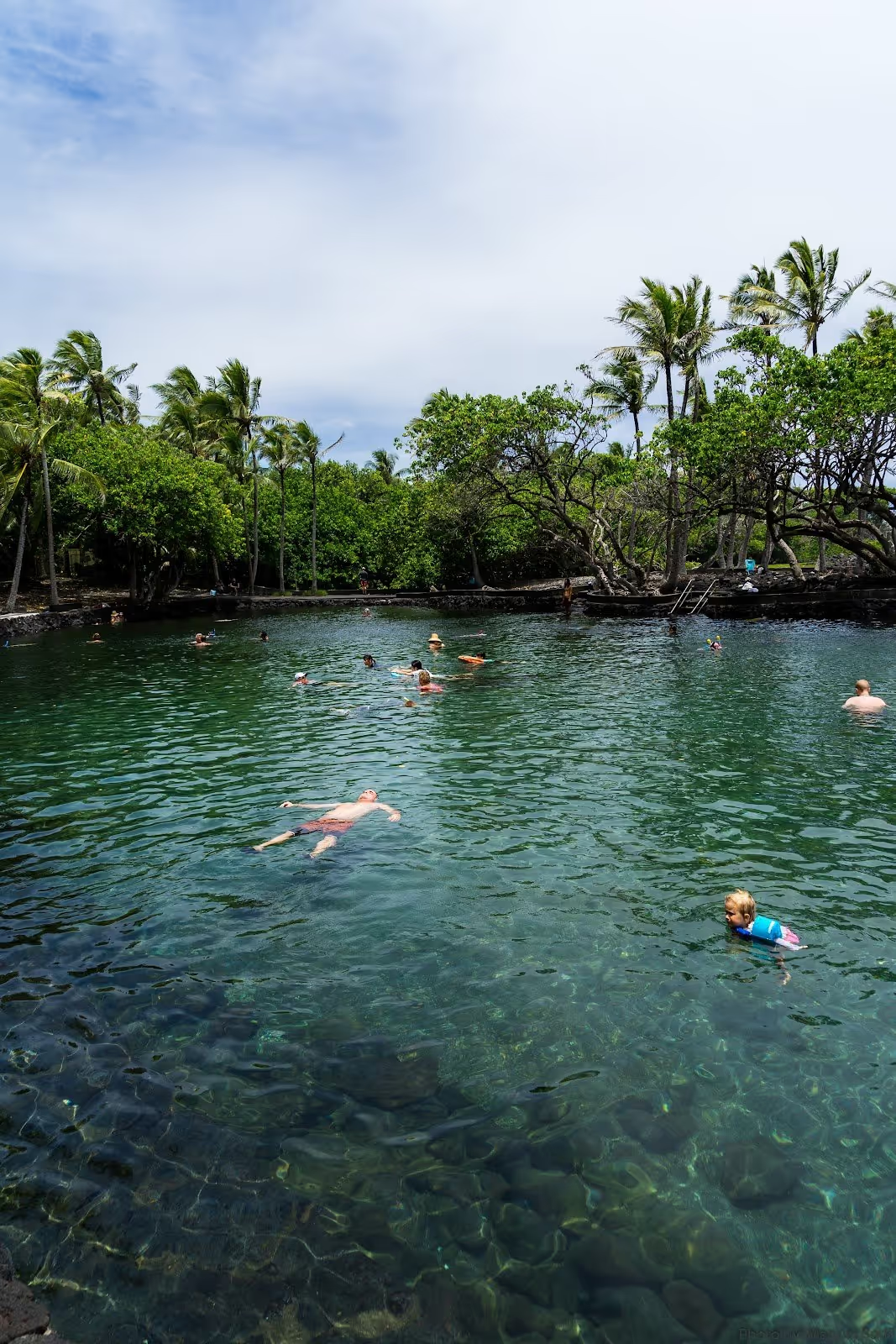
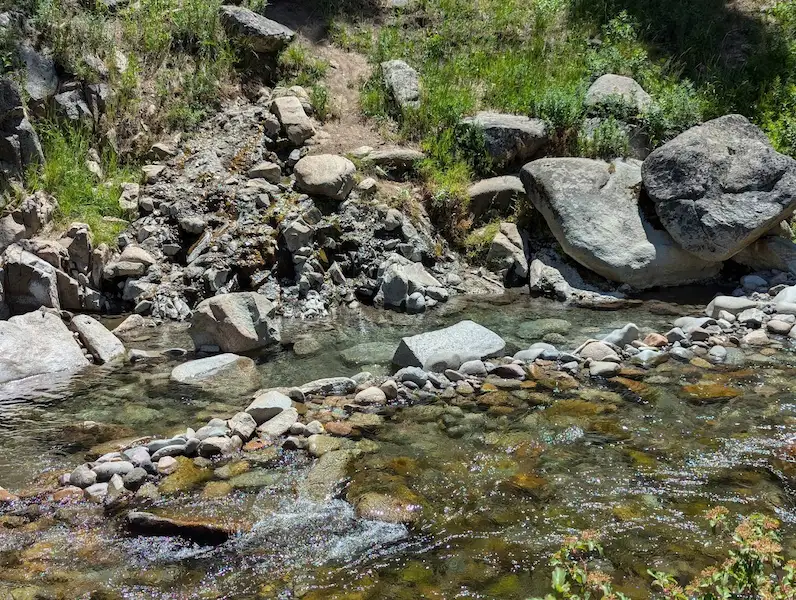
Pohoiki Warm Ponds, Hawaii are free, volcanically heated geothermal ponds within Isaac Hale Beach Park on the eastern Puna coast of the Big Island. The ponds formed after the 2018 Kilauea eruption, when lava flows reshaped this stretch of coastline, creating a new black sand beach and trapping warm, geothermally heated groundwater in natural depressions along the shore. The park sits at the end of Highway 137, about 25 miles southeast of Hilo near Pahoa.
Before the eruption, the Puna coast had several beloved warm ponds, including the Ahalanui Warm Pond and Kapoho Tide Pools, both destroyed by lava. This site was spared when the flow stopped short of the park. The accumulated black sand sealed off the old boat ramp bay from the open ocean, creating the new thermal ponds that now draw visitors from across the island. These are the only publicly accessible geothermal soaking spots remaining on the Big Island.
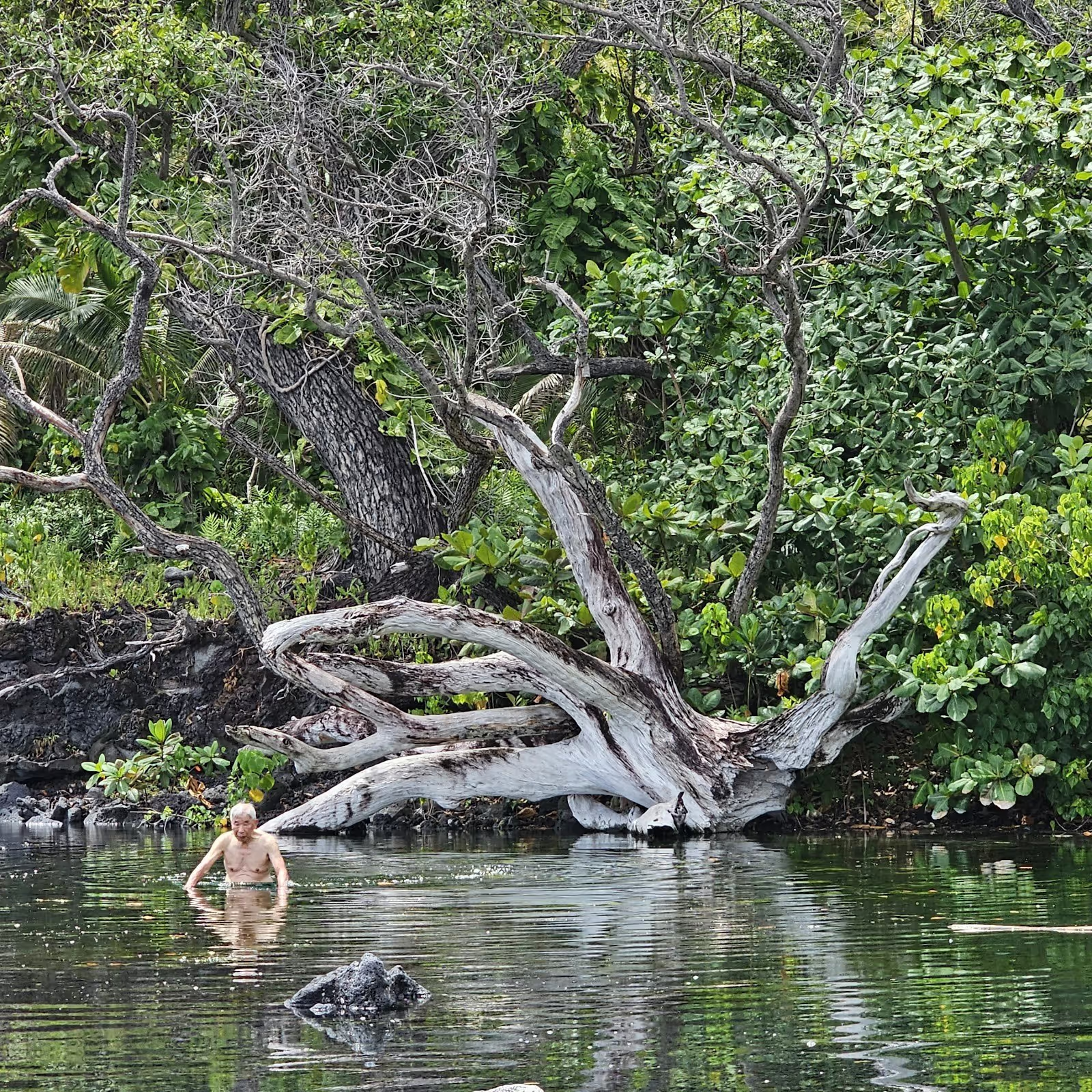
The ponds are shallow coastal features whose character shifts with tides, rainfall, and surf. On calm days the water is warm and inviting. After heavy rain the ponds grow and cool slightly. The park has lifeguard stations, restrooms, and a large free car park, making it one of the most accessible natural hot springs in Hawaii despite its remote location in the Puna rainforest district.
Location & Access
Getting to Pohoiki Warm Ponds
The ponds are reached by driving to the end of Highway 137 on the Puna coast, approximately 25 miles southeast of Hilo and about 10 miles from Pahoa. From Pahoa, follow Highway 130 south toward the coast, then turn left onto Highway 137 and continue until it terminates at Isaac Hale Beach Park. No hike is required. From the car park, the ponds are a short walk of a few minutes along the shoreline trail.
Highway 137 approaching the park from the west crosses new lava field from the 2018 eruption. The road is paved and passable but the drive takes longer than map distances suggest, and cell reception on this stretch of coast can be unreliable. Downloading offline maps before leaving Pahoa is worthwhile. The park has no drinking water, so bringing your own supply is important. The address is 13-101 Kalapana-Kapoho Beach Road, Pahoa, HI 96778, and parking is free.
The park gate is staffed during open hours and closes once a month for maintenance; checking the County of Hawaii parks schedule before visiting avoids a wasted trip. Weekday mornings offer the most relaxed experience. For visitors searching for hot springs near Pahoa, this is the only publicly accessible option on the island, which makes it worth planning around park hours and conditions before setting out.
Suitability & Accessibility
Who Can Visit Isaac Hale Beach Park
The warm ponds suit most visitors comfortable with a natural, unmanaged setting, including families with children, couples, and solo travelers. The park car park and bathroom facilities are standard beach-park amenities, but the path to the ponds crosses uneven coastal lava terrain with no constructed walkway or railing.
Families can use the ponds safely with younger children when surf is low and conditions are calm. The ponds are shallow and require no swimming ability, but they sit close to the shoreline where wave action can shift quickly. Close supervision of children near the water is essential, and on days with elevated surf the site is better treated as a scenic beach stop rather than a soaking destination.
For visitors seeking accessible hot springs in Hawaii, it is worth knowing that the ponds have no dedicated accessibility infrastructure. The car park has some accessible facilities, but the approach to the ponds across lava terrain is difficult for those with limited mobility. The black sand beach area is easier to reach and enjoyable on its own. Photographers and geology enthusiasts will find this site particularly rewarding, as the combination of warm water, raw black lava, and ocean views reflects the dramatic volcanic history of the lower Puna coastline and the ongoing geothermal activity that makes this part of the island so distinctive.
Safety & Etiquette
Pohoiki Warm Ponds Safety Tips
The ponds are generally safe for soaking, but they are unmanaged, not disinfected, and subject to changing coastal conditions. The main health concern is bacterial contamination. Anyone with open wounds or broken skin should not enter, as warm, slow-moving freshwater can harbour bacteria including leptospirosis, which is documented in Hawaii's freshwater environments. The risk is low for healthy swimmers with intact skin, but the County of Hawaii Department of Health posts warnings at the site.
Ocean surge is the other significant hazard. The ponds sit close to the shoreline, and when swell is active the boundary between the ponds and the open ocean becomes unpredictable. Lifeguards are present during park hours but their primary responsibility is the beach and open ocean, not the ponds. If surf advisories are posted or waves are washing across the sand, treating the visit as a sightseeing stop is the sensible approach.
Slippery lava rock around the pond edges requires careful footing. Water shoes with grip make moving around the shoreline safer than bare feet. The black sand heats up quickly in direct sun and can become very hot by midday. There is no food vendor or shade structure beyond the covered pavilion, so bringing water, snacks, and sun protection is important. Temperature varies between the individual ponds depending on tidal mixing and proximity to geothermal inputs, so testing the water before a full soak is always wise. Visiting after dark without a group or light source is not recommended, as the terrain is unlit and the nearest services are a long drive away.