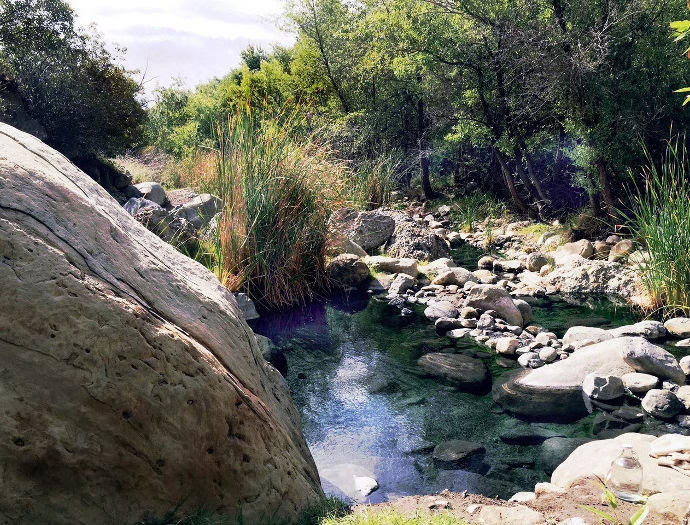
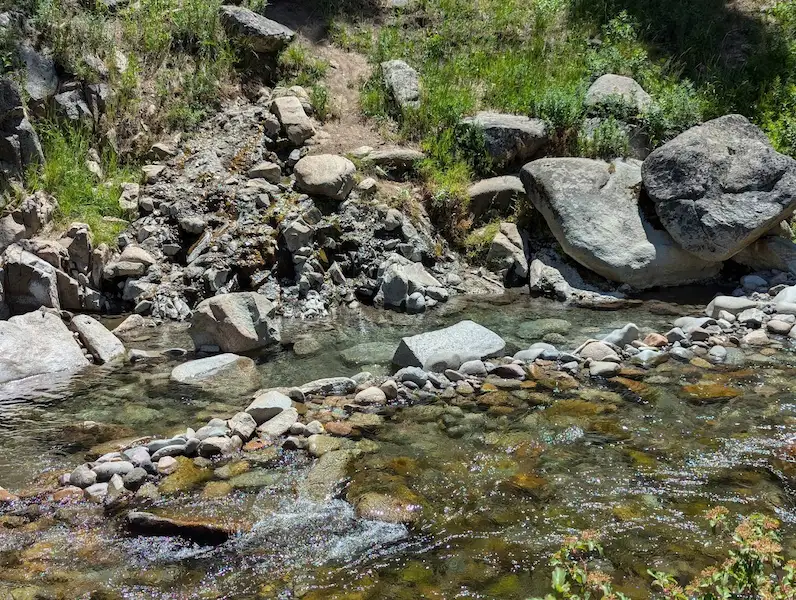
Polecat Hot Springs, Wyoming
Soaking prohibited by NPS since 2014. Naegleria fowleri and E. coli detected 2016. Same trailhead as Huckleberry. Viewing only. Do not enter water. Park fee.
Grassy Lake Rd, John D. Rockefeller Jr. Memorial Parkway, WY 83013
Flagg Ranch
Wyoming
US
44.111143
-110.69106
Wild / Natural
Paid
Short hike
Remote area (natural hazards)
Clothing optional
false
false
North America
polecat-hot-springs-wyoming
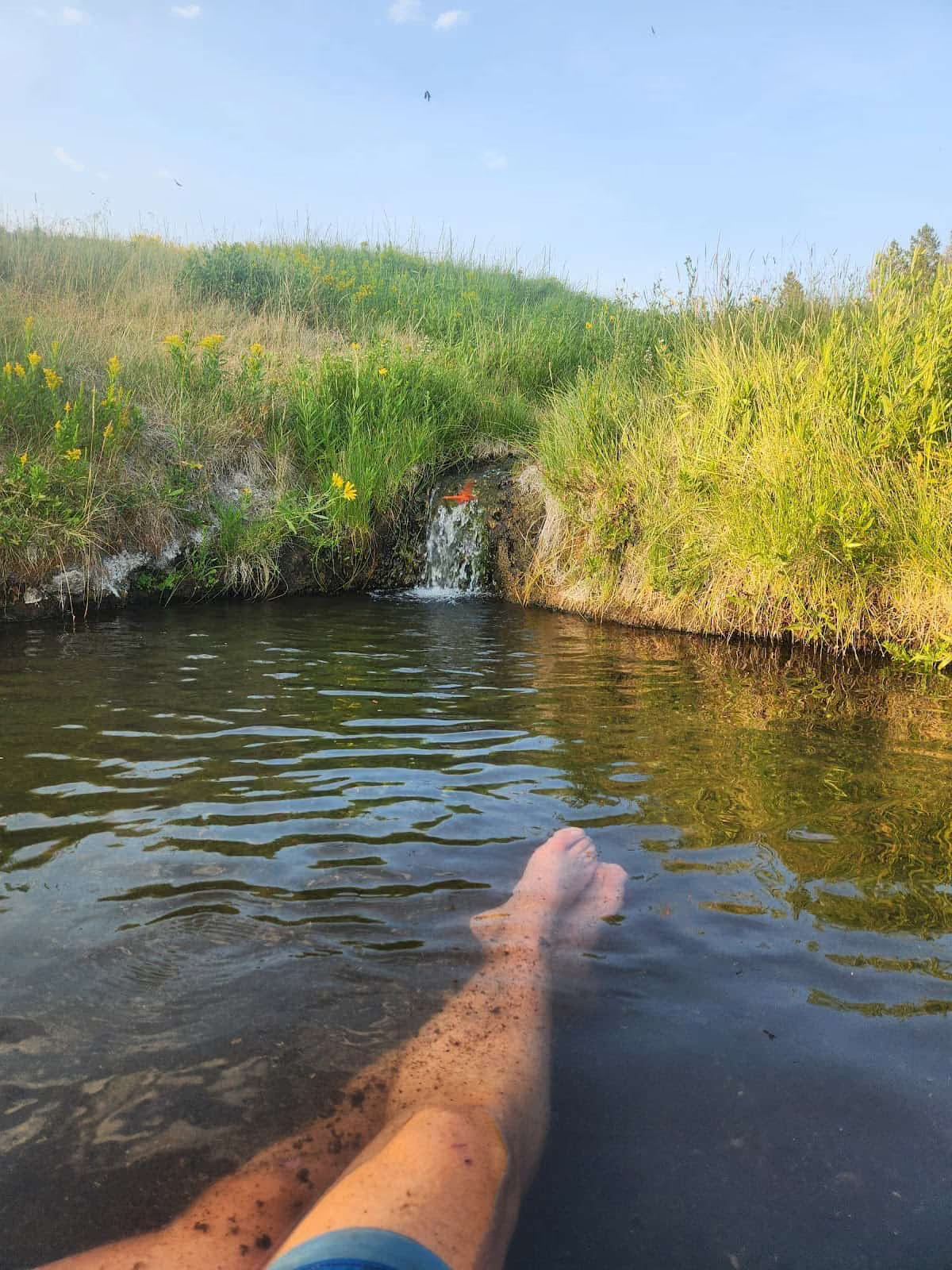
Can you soak in Polecat Hot Springs?
No. Soaking in Polecat Hot Springs and all geothermal features in the John D. Rockefeller Jr. Memorial Parkway has been prohibited by NPS regulation since 2014. In 2016, water monitoring also detected naegleria fowleri and E. coli exceeding EPA limits in the thermal features of the parkway including Polecat Springs. Do not enter the water. Polecat Creek, which receives geothermal inflow and mixes with cold stream water, remains technically open to recreation in some sections.
How do you get to Polecat Hot Springs?
Polecat Hot Springs shares its trailhead with Huckleberry Hot Springs on Grassy Lake Road, approximately 1 mile west of the Flagg Ranch Visitor Center. After crossing Polecat Creek at the trailhead, turn immediately left and follow the trail along the river for approximately 0.25 miles to reach Polecat Springs. Huckleberry Hot Springs is reached by continuing straight rather than turning left at the creek crossing.
What is the difference between Polecat and Huckleberry Hot Springs?
Both springs are fed by the same geothermal system on Polecat Creek in the John D. Rockefeller Jr. Memorial Parkway. They share a trailhead and both are subject to the same NPS prohibition on soaking since 2014 and the same 2016 pathogen detections. Huckleberry Hot Springs is reached by the main trail continuing straight after the creek crossing, while Polecat Springs is approximately 0.25 miles further along the creek to the left after the crossing.
Is Polecat Creek open for swimming?
Polecat Creek, which is fed by warm geothermal inflow from the springs and mixes with cold stream water, remains technically open to recreational use per NPS guidance as of 2014 reporting. However, given that naegleria fowleri was detected in the geothermal features of the parkway in 2016, visitors should exercise extreme caution regarding any water contact and should not submerge their face or allow water to enter the nasal cavity.
What pathogens were detected at Polecat Hot Springs?
2026-09-21
Updated September 21, 2026
Polecat Hot Springs, Wyoming
Soaking prohibited by NPS since 2014. Naegleria fowleri and E. coli detected 2016. Same trailhead as Huckleberry. Viewing only. Do not enter water. Park fee.
Safety Level
Remote area (natural hazards)
What to Wear
Clothing optional
Address
Grassy Lake Rd, John D. Rockefeller Jr. Memorial Parkway, WY 83013
Find a place to stay
Compare prices near this exact spot across Booking.com, Expedia and more.
See nearby stays →
Overview
About Polecat Hot Springs
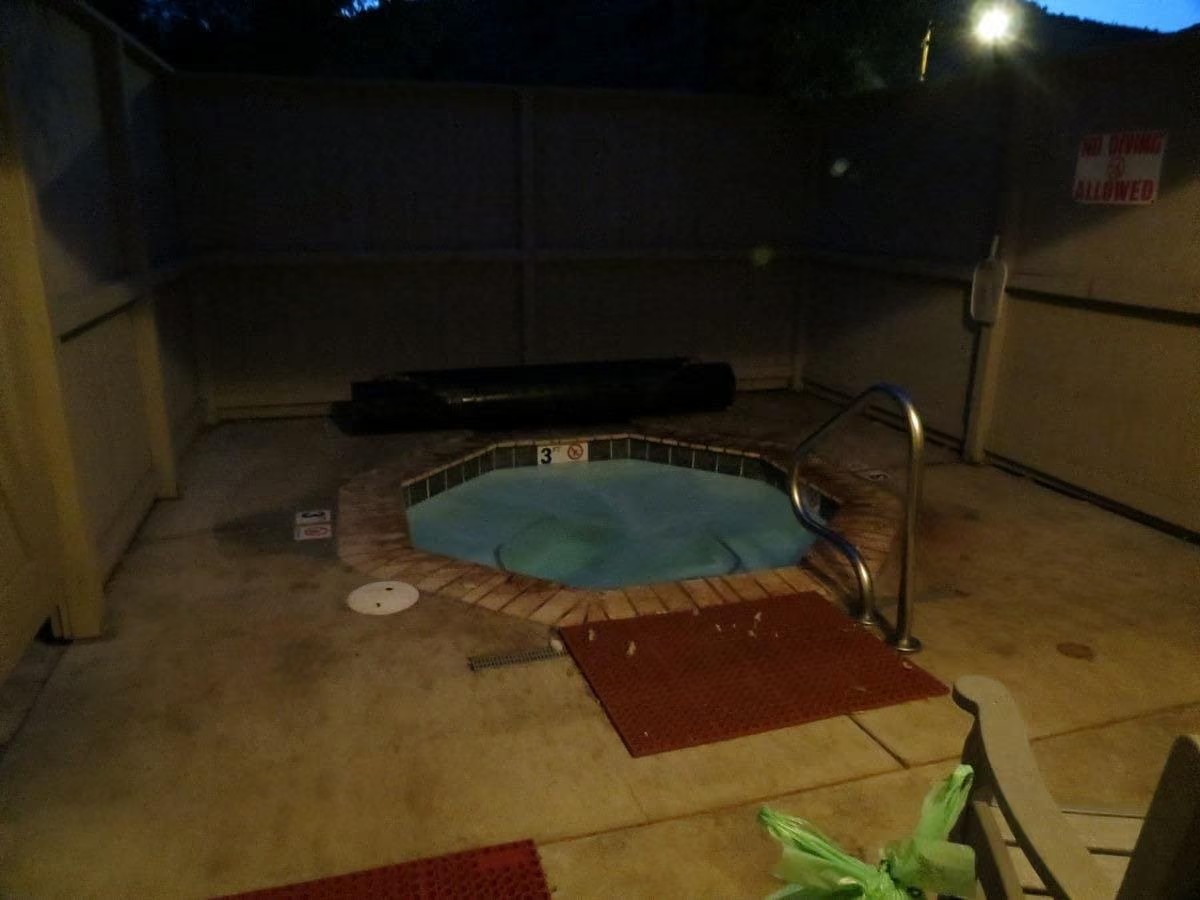
Polecat Hot Springs, Wyoming is a geothermal spring on Polecat Creek in the John D. Rockefeller Jr. Memorial Parkway, near Flagg Ranch in Teton County between Grand Teton National Park and Yellowstone National Park. It is fed by the same geothermal system as Huckleberry Hot Springs, located approximately 0.25 miles downstream along Polecat Creek. Soaking in Polecat Hot Springs and all geothermal features in the parkway has been prohibited by NPS regulation since 2014. In 2016, water monitoring detected naegleria fowleri and E. coli in excess of EPA limits. Do not enter the water. The area can be visited by foot for viewing.
The NPS began enforcing the existing prohibition in 2014 citing resource damage at Huckleberry, where vegetation had been trampled, mineral crust worn, and water chemistry altered. The prohibition applied to Polecat as well, even though resource damage was less apparent there at the time of enforcement. In 2016, the same NPS and CDC water monitoring program that detected pathogens at Huckleberry also found naegleria fowleri and E. coli in the thermal features of the parkway including Polecat Springs. A park entry fee applies to the John D. Rockefeller Jr. Memorial Parkway, administered by Grand Teton National Park.
Location & Access
Getting to Polecat Hot Springs
Polecat Hot Springs shares its trailhead with Huckleberry Hot Springs on Grassy Lake Road, approximately 1 mile west of the Flagg Ranch Visitor Center. From Flagg Ranch, head west on Grassy Lake Road for approximately 1 mile and look for the trailhead on the right side of the road immediately after crossing Polecat Creek. This is the same small parking area and trailhead used for Huckleberry Hot Springs.
From the trailhead, cross Polecat Creek, then turn immediately left. Follow the narrow trail alongside the river for approximately 0.25 miles through open meadow until you reach Polecat Hot Springs, where steam rises from geothermal seeps along the creek bank. Huckleberry Hot Springs is accessible by continuing straight from the creek crossing rather than turning left. Both springs can be viewed on the same outing from the same trailhead. Cell service is limited near Flagg Ranch; download offline maps before arriving. The park road in this area is closed seasonally in winter. A Grand Teton National Park entry fee applies to the John D. Rockefeller Jr. Memorial Parkway. For those seeking natural hot springs near Flagg Ranch Wyoming, Polecat and Huckleberry together form the most accessible geothermal viewing area in the Flagg Ranch corridor.
Suitability & Accessibility
Suitability of Polecat Hot Springs for Visitors
Polecat Hot Springs is suitable only as a viewing destination. Soaking in the geothermal features is prohibited by NPS regulation since 2014 and enforced with fines. Water monitoring has detected naegleria fowleri and E. coli in the thermal water. Naegleria fowleri causes primary amebic meningoencephalitis, an almost always fatal brain infection contracted when contaminated water enters the nasal cavity. Do not enter the water.
The route to Polecat is a short extension of the easy Huckleberry trail. After crossing Polecat Creek, the additional 0.25 miles along the river to Polecat Springs involves minimal elevation change and is suitable for most walkers. The creek crossing can be thigh-deep in spring. Waterproof footwear is recommended. The meadow terrain near the springs can be soft and muddy. The site is not wheelchair accessible. No facilities are provided at the springs. Polecat Creek itself, which receives warm geothermal inflow and mixes with cold water, remains technically open to recreation in designated areas; creek temperature varies by section and season.
For visitors wanting to combine both springs in one outing, Polecat and Huckleberry share the same trailhead and the total round trip covers approximately 1.5 to 2 miles. Both are viewing-only. No soaking is permitted at either spring.
Safety & Etiquette
Polecat Hot Springs Safety Information
Do not enter Polecat Hot Springs or any geothermal feature in the John D. Rockefeller Jr. Memorial Parkway. Soaking has been prohibited by NPS regulation since 2014. Violators face fines. In 2016, NPS and CDC water monitoring detected naegleria fowleri and E. coli exceeding EPA limits in the thermal features of the parkway. Naegleria fowleri causes primary amebic meningoencephalitis, a nearly always fatal central nervous system infection contracted when contaminated water enters the nasal cavity. Do not swim, wade, or allow thermal spring water near your nose or mouth under any conditions.
These hazards are not temporary. Naegleria fowleri is persistent in warm geothermal water and the legal prohibition on soaking remains in effect. The same risks and restrictions apply at the adjacent Huckleberry Hot Springs. Do not enter either spring regardless of apparent conditions, season, or water temperature at the time of your visit.
The trail from the trailhead to Polecat involves crossing Polecat Creek, which can run fast and deep in spring and early summer. Test depth before crossing. Turn back if the water is above knee height or moving strongly. Waterproof footwear is recommended. Terrain near the springs is soft and can be unstable. Stay on the established path.
Bears, moose, and other large wildlife are present throughout the parkway corridor. Carry bear spray. Make noise on the trail. The park road is closed in winter. Cell service is limited near Flagg Ranch. Download offline navigation before departing. In an emergency, the Flagg Ranch Visitor Center is approximately 1 mile east of the trailhead.
Frequently Asked Questions
1
Can you soak in Polecat Hot Springs?
No. Soaking in Polecat Hot Springs and all geothermal features in the John D. Rockefeller Jr. Memorial Parkway has been prohibited by NPS regulation since 2014. In 2016, water monitoring also detected naegleria fowleri and E. coli exceeding EPA limits in the thermal features of the parkway including Polecat Springs. Do not enter the water. Polecat Creek, which receives geothermal inflow and mixes with cold stream water, remains technically open to recreation in some sections.
2
How do you get to Polecat Hot Springs?
Polecat Hot Springs shares its trailhead with Huckleberry Hot Springs on Grassy Lake Road, approximately 1 mile west of the Flagg Ranch Visitor Center. After crossing Polecat Creek at the trailhead, turn immediately left and follow the trail along the river for approximately 0.25 miles to reach Polecat Springs. Huckleberry Hot Springs is reached by continuing straight rather than turning left at the creek crossing.
3
What is the difference between Polecat and Huckleberry Hot Springs?
Both springs are fed by the same geothermal system on Polecat Creek in the John D. Rockefeller Jr. Memorial Parkway. They share a trailhead and both are subject to the same NPS prohibition on soaking since 2014 and the same 2016 pathogen detections. Huckleberry Hot Springs is reached by the main trail continuing straight after the creek crossing, while Polecat Springs is approximately 0.25 miles further along the creek to the left after the crossing.
4
Is Polecat Creek open for swimming?
Polecat Creek, which is fed by warm geothermal inflow from the springs and mixes with cold stream water, remains technically open to recreational use per NPS guidance as of 2014 reporting. However, given that naegleria fowleri was detected in the geothermal features of the parkway in 2016, visitors should exercise extreme caution regarding any water contact and should not submerge their face or allow water to enter the nasal cavity.
5
What pathogens were detected at Polecat Hot Springs?
In 2016, NPS and CDC water monitoring detected naegleria fowleri and E. coli in excess of EPA water quality limits in the thermal features of the John D. Rockefeller Jr. Memorial Parkway, including Polecat Springs. Naegleria fowleri causes primary amebic meningoencephalitis, which is nearly always fatal and contracted when contaminated water enters the nasal cavity. The same monitoring also found these pathogens at Huckleberry Hot Springs and Kelly Warm Spring.
Gallery
No pictures available for this hot spring.
Location
Address:
Grassy Lake Rd, John D. Rockefeller Jr. Memorial Parkway, WY 83013
Find a place to stay
Compare prices near this exact spot across Booking.com, Expedia and more.
See nearby stays →
44.111143
-110.69106
Polecat Hot Springs, Wyoming
Text LinkGrassy Lake Rd, John D. Rockefeller Jr. Memorial Parkway, WY 83013
More hot springs in Wyoming
More hot springs in United States
Some accommodation links on this site are affiliate links. If you book through them, we may earn a small commission at no additional cost to you. This helps keep hotspringsguides.com free to use.



%252C%2520Wyoming%25201.avif)