Quick FactsOverview
The “blue spring” that keeps showing up in Georgia hot springs searches
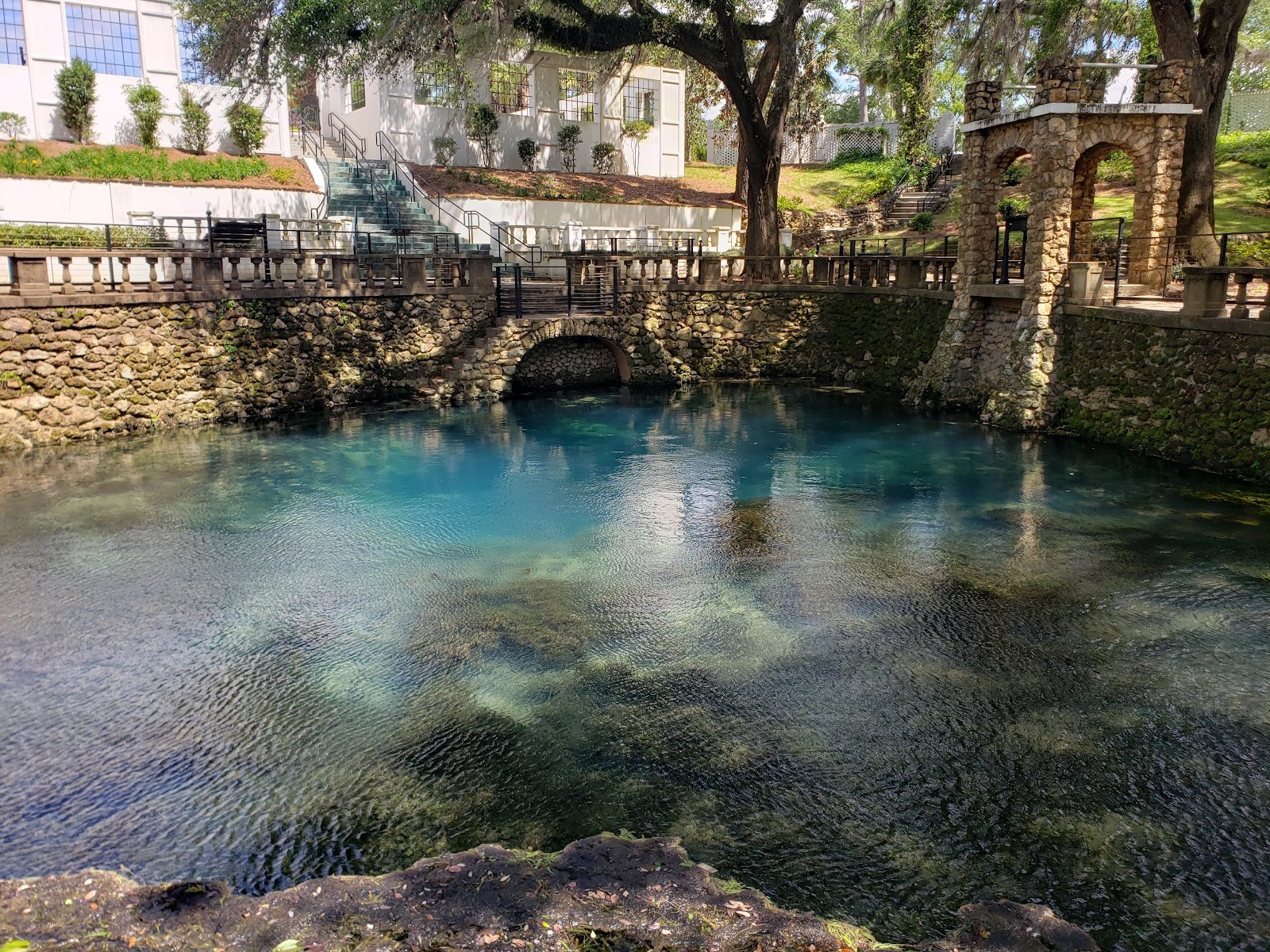
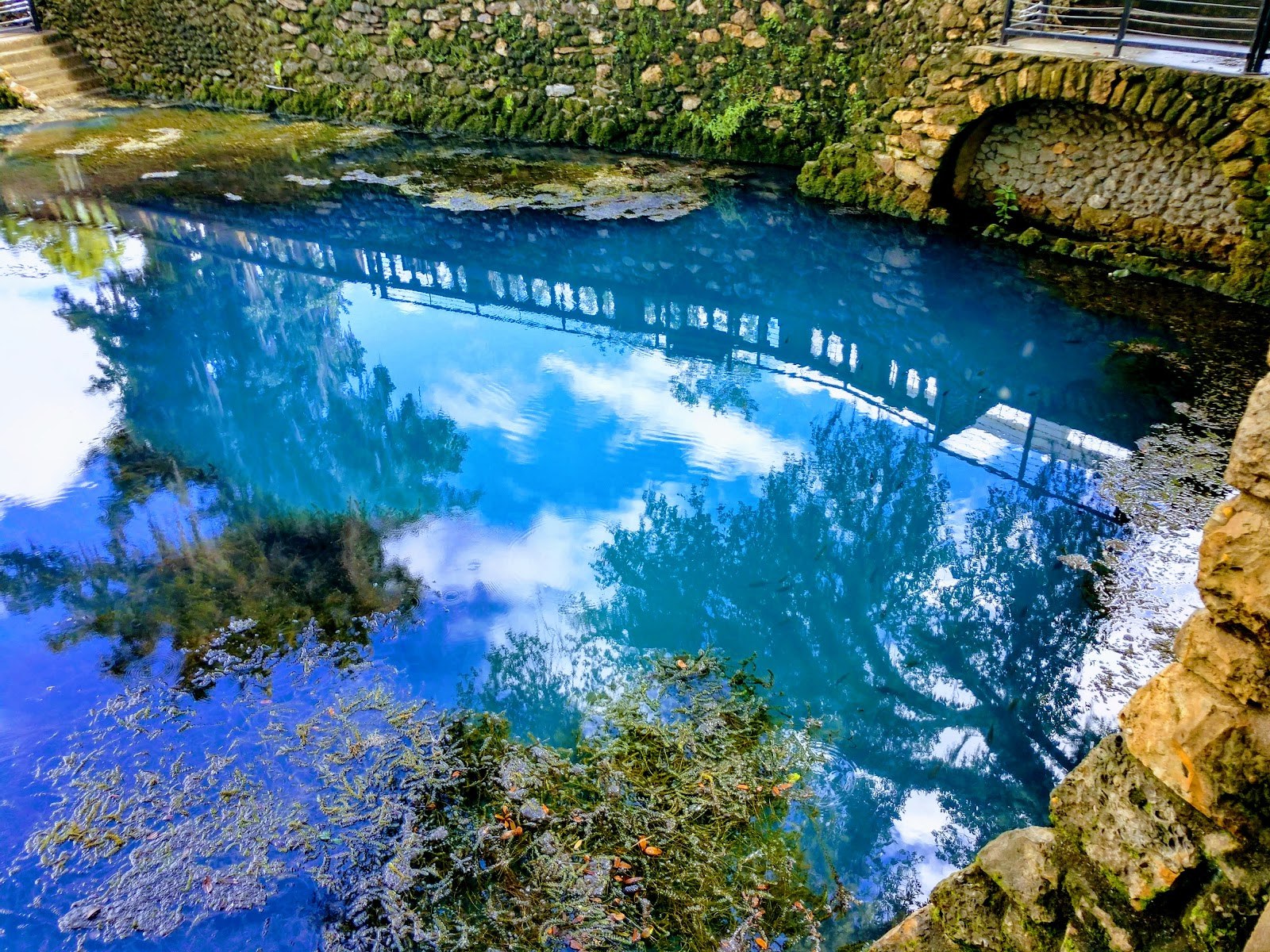
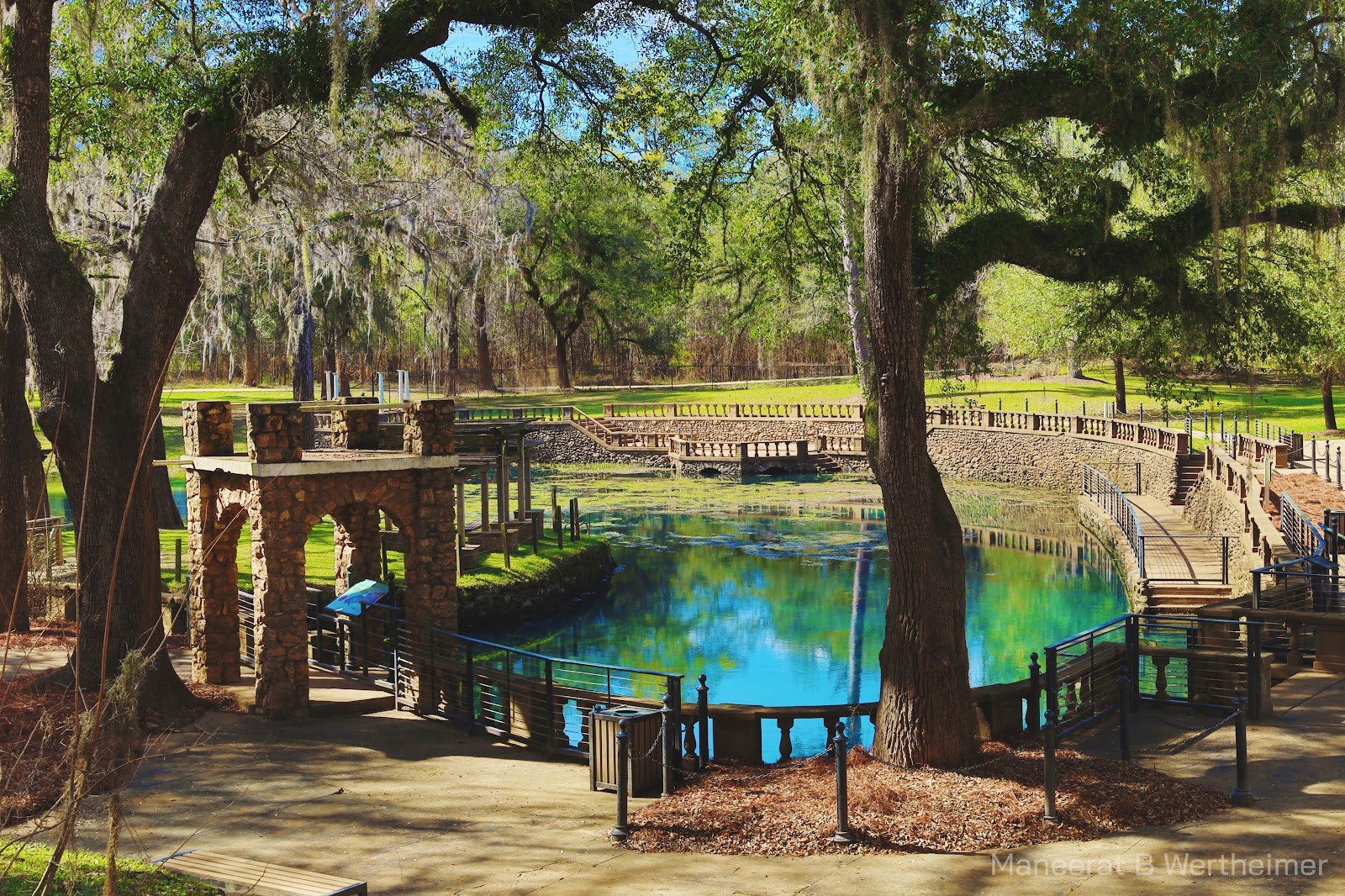
Radium Springs is not hot, and it’s not a place to soak. It still gets lumped into “Georgia hot springs” lists because it’s dramatic: a deep, clear basin with turquoise-blue water that looks out of place in southwest Georgia. The spring runs about 68°F (20°C) year-round and discharges an enormous volume of water from an underwater cave system. If you want something you can see in ten minutes that you’ll still be talking about at dinner, this is that.
Why the gardens matter
What you visit today is Radium Springs Gardens, with restored terraces, walkways, and overlooks. Swimming is no longer permitted, so the experience is built around viewing. In practice, that makes it more accessible and more predictable: you’re not dealing with changing creek conditions, you’re walking a managed site.
How to think about the visit
Treat it like a natural wonder you can stroll through, not a swim hole. Come in daylight for the best water color, bring a little patience for shared viewpoints, and plan to spend more time than you think if you like photos. The spring is the star, but the calm, landscaped setting is what makes it easy to enjoy.
Location & Access
Where it is
Radium Springs Gardens are in Albany, Georgia at 2501 Radium Springs Rd, Albany, GA 31705. It’s an in-town natural attraction rather than a remote spring trail, which makes it one of the simplest spring visits in the state.
By car
Driving is straightforward. You park nearby and walk short distances on sidewalks and garden paths to the overlooks. No hike, no special vehicle, no gear beyond normal walking shoes. If you’re visiting as part of an Albany trip, it fits neatly into a morning or late-afternoon slot.
Hours and timing
Tourism listings commonly show the gardens open Tuesday through Sunday during daytime hours. Because schedules can change with maintenance or events, verify current hours before you go. For the best water color, visit when the sun is up. Cloudy days can still be beautiful, but the turquoise pop is strongest in bright light.
What to bring
Bring water, bug spray in warm months, and a phone battery that can handle photos. A polarizing lens (even a clip-on) helps reduce glare on the water. Street clothes are normal. There’s no swimming, so you’re not packing a towel, you’re packing for a walk.
On-site flow
Overlooks can feel tight when groups arrive together. If a viewpoint is crowded, wait 60 seconds. People cycle through quickly, and the best photos often come when you slow down anyway.
Suitability & Accessibility
Radium Springs Gardens are best for travelers who want a quick, visually strong natural stop with minimal logistics. It’s a solid match for “things to do in Albany GA outdoors,” “Radium Springs Gardens hours,” and “Georgia natural wonders Radium Springs.”
Families
Very doable with kids because walking distances are short and the “wow” factor is immediate. The tradeoff is safety attention: there are edges, water, and curiosity. Keep children within arm’s reach at overlooks and don’t let the visit turn into a climb-and-dangle situation.
Photographers and curious travelers
Photographers love the color and depth. In practice, the best shots happen when you reduce surface glare and wait for a lull in foot traffic at the main viewpoints. If you’re a geology nerd, you’ll also appreciate the sheer volume of flow and the cave-fed feel of the basin.
Accessibility
This is a managed gardens-and-walkways site, and many paths are designed like a park rather than a trail. That makes it easier for strollers and many mobility devices than most natural spring destinations. Still, some areas can have slight grades, wet patches after rain, or uneven transitions where older structures meet newer sidewalks. If you need the smoothest access, focus on the main overlooks and stick to paved routes.
What it isn’t
It isn’t a soak, and it isn’t warm. It’s a year-round cool spring you come to see, not to get in.
Safety & Etiquette
No swimming (seriously)
Swimming is not permitted. Don’t climb down, don’t hop barriers, and don’t treat the bank like a beach. The water is deep, the edges can be slick, and the site is not managed as a swim area. If you’re traveling with kids, set the rule before anyone sees the water: look, don’t enter.
Footing and wet surfaces
Garden paths can be damp after rain, and shaded areas can stay slick. Wear shoes with traction. Move slowly near any steps, stone edges, or railings where algae can form. Most “spring accidents” are basic slips, not dramatic hazards.
Wildlife and insects
Expect fish in the basin and typical south Georgia wildlife around the gardens. Give animals space. In warm months, mosquitoes can be real. Bring repellent and don’t linger in the most shaded, still-air spots if bugs are chewing you up.
Etiquette at overlooks
People come for the view. Don’t block railings for long photo sessions, and don’t set up a tripod where it stops foot traffic. Take your shots, step aside, then come back later if you want another angle. Keep voices reasonable, this place is calmer when visitors treat it like a garden, not a festival.
Respect the water
Don’t throw coins, rocks, or food into the spring. Don’t dump anything in or near it. Radium Springs is famous because it stayed intact long enough for people to restore the site. Help it stay that way.