
Quick FactsOverview
About Riggins Hot Springs
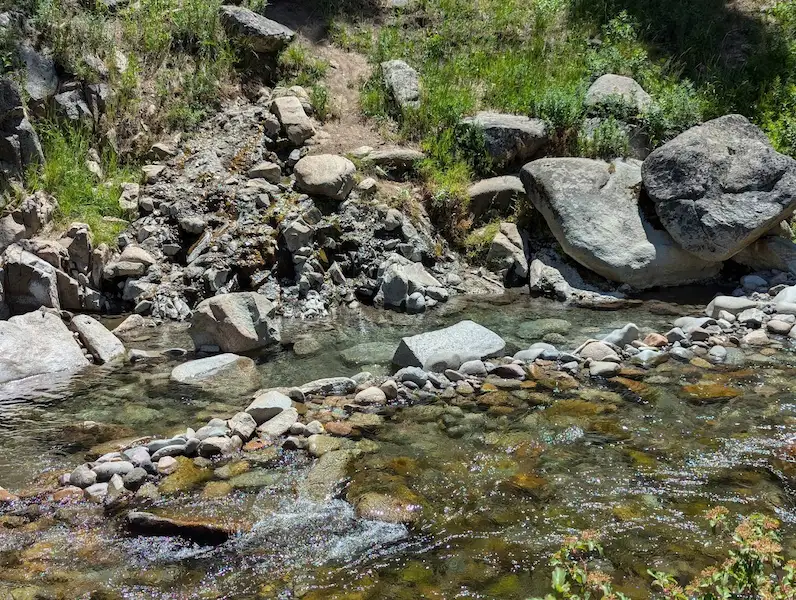
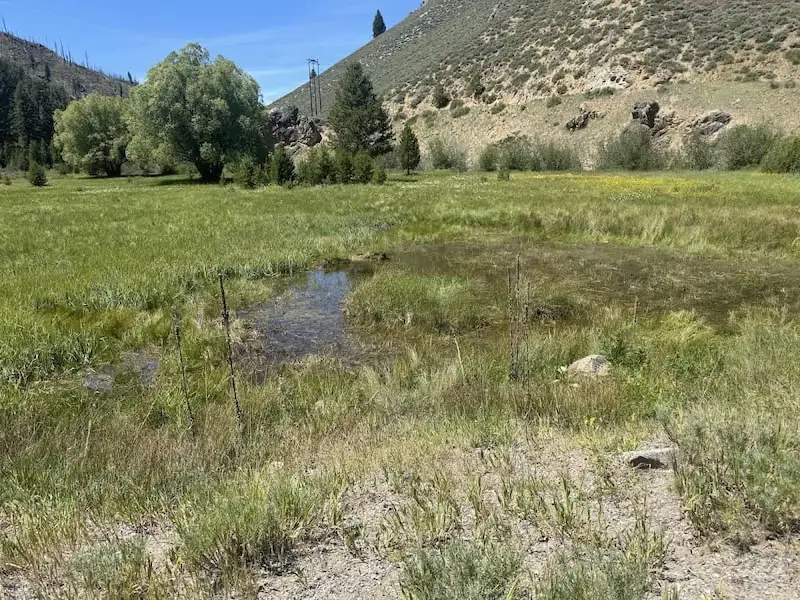
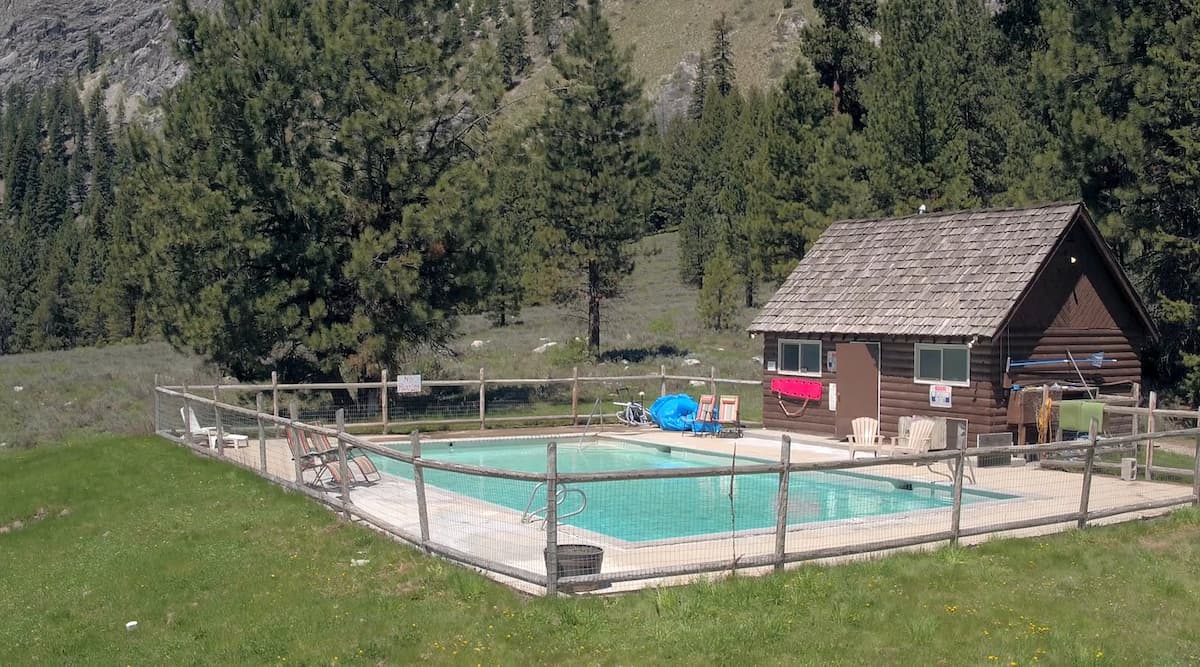
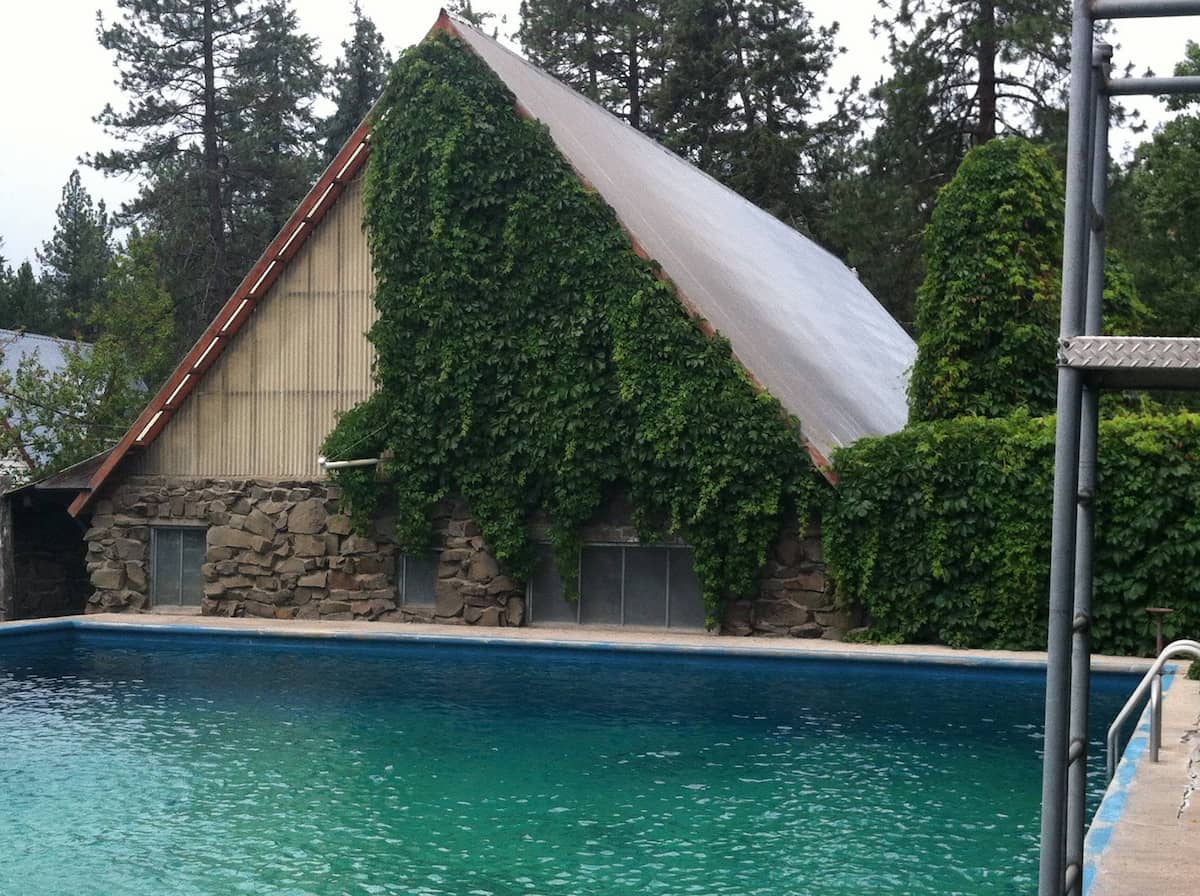
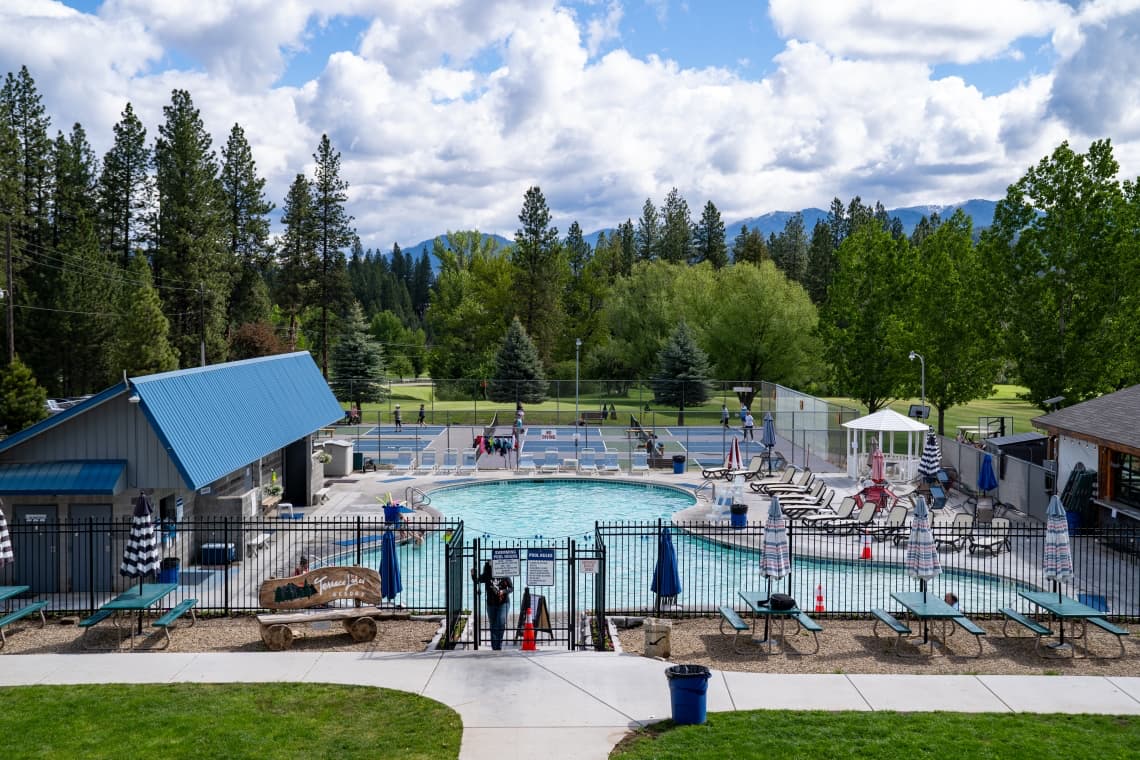
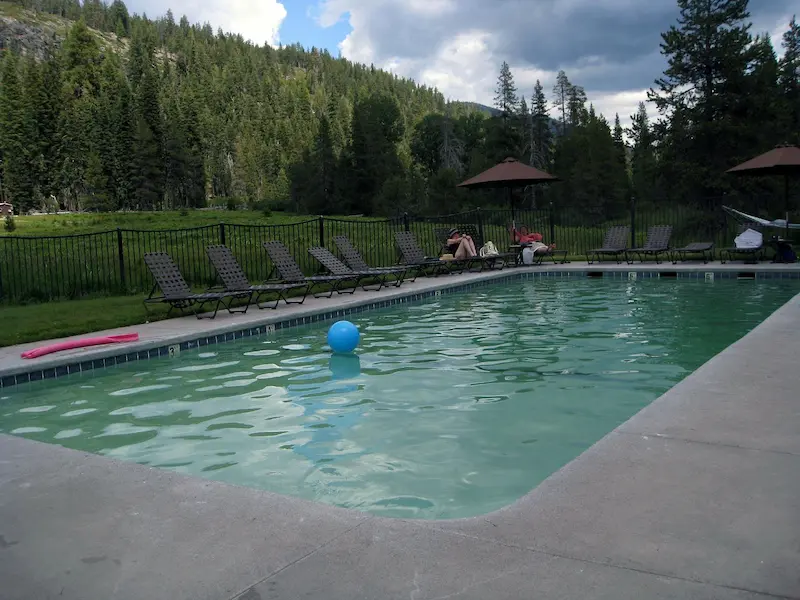
Riggins Hot Springs, Idaho is a private 155-acre geothermal property in Idaho County on the Salmon River, 9 miles east of Riggins along Big Salmon Road. The property is accessed via a single-lane suspension bridge and includes a geothermal swimming pool, hot tub, pool house, a three-story 5,700-square-foot lodge, cabin accommodation, over one mile of Salmon River frontage, a spring-fed pond, greenhouse, and garden. The Nez Perce people historically called this site Win-Ke-Sheh, meaning Healing Waters, and the geothermal source has been used for its mineral properties for generations.
The property changed ownership in late 2024 and is now operated by Mountain Sky Communities as The Community at Riggins Hot Springs. As of 2025, the property is not accepting general overnight reservations outside of hosted events and is in active refurbishment. Visitors should confirm current access and booking options directly at rigginshotsprings.com before visiting, as the operational model continues to evolve.
For those seeking a hot spring near Riggins Idaho with full lodge accommodation and river access, this is historically one of the most distinctive private geothermal estates in north-central Idaho. The suspension bridge approach and the Salmon River canyon setting make it a unique destination when bookings are available.
Location & Access
Getting to Riggins Hot Springs
Riggins Hot Springs is at 1590 Big Salmon Road, 9 miles east of Riggins. From US-95, turn onto Big Salmon Road in Riggins: southbound drivers turn left, northbound drivers turn right. Follow Big Salmon Road east for 9 miles to a single-lane suspension bridge crossing the Salmon River. Cross the bridge at 5 miles per hour or less. The bridge is 8 feet wide and vehicles wider than 8 feet cannot cross. The property office is visible immediately after the bridge.
Wide vehicles including dually trucks should park on the road side of the bridge and contact the property, which will arrange pickup. Any standard map application directed to 1590 Big Salmon Road, Riggins, Idaho will route you correctly to the bridge. Big Salmon Road is paved and any standard vehicle can drive it. The canyon drive takes approximately 20 to 25 minutes from Riggins.
For those seeking hot springs near Riggins Idaho, this is the primary geothermal destination in the area. Cell service is limited or absent on Big Salmon Road and at the property. Confirming all booking and access details in Riggins before making the drive is essential, as arriving without a confirmed reservation will result in being turned away.
Suitability & Accessibility
Who Can Visit Riggins Hot Springs
Riggins Hot Springs suits guests who have made advance reservations and are seeking a lodge-based retreat in a remote Salmon River canyon setting. The property is primarily oriented around multi-night stays, hosted events, and community programming rather than drop-in day use. Families are welcome, but the remote location, private access, and reservation-only model make this a destination that requires deliberate planning rather than a casual visit.
Swimwear is expected at the geothermal pool and hot tub. The property is private and staffed. The 8-foot-wide suspension bridge limits vehicle access for wide trucks and large RVs, which cannot cross and must park roadside while the property arranges transport.
For those seeking family hot springs near Riggins Idaho with full lodge accommodation and river access, this property provides a self-contained retreat experience when bookings are available. The more than one mile of Salmon River frontage supports fishing, and the surrounding area offers access to Hells Canyon National Recreation Area and Salmon River whitewater recreation. The property has Starlink broadband internet available, which is unusual for a remote canyon location of this type.
The property is off-grid with on-site generation. Visitors should expect a different infrastructure experience from a standard hotel. Amenities are present but the off-grid context means some services may vary. Visitors should confirm current amenity availability at the time of booking.
Safety & Etiquette
Safety at Riggins Hot Springs
Riggins Hot Springs is generally safe as a staffed private property with managed access. The geothermal pool temperature should be confirmed with the operators at the time of booking, as geothermal pools at private properties can vary in how actively they are managed. Enter the pool gradually, test the water temperature before settling in, and limit session duration if you are new to geothermal soaking.
The single-lane suspension bridge is the primary access point and has a posted width restriction of 8 feet and a maximum speed of 5 miles per hour while crossing. Observe these limits. The bridge spans the Salmon River, which runs cold and fast through this canyon section. Do not stop on the bridge or attempt to walk it outside of an emergency. Children should be supervised on and around the bridge approach.
Big Salmon Road is paved but runs through a steep, narrow river canyon. Drive at appropriate speeds for canyon road conditions and be prepared for limited passing opportunities. Cell service is absent or very limited on Big Salmon Road and at the property. The property has Starlink internet available, but this does not substitute for mobile emergency services. In a medical emergency, the nearest hospital services are in Grangeville or Salmon, each over an hour away. The property staff are the primary on-site emergency contact.
Because the property is in an active transition and refurbishment phase as of 2025, the state of facilities, fire safety equipment, and medical preparedness may differ from a fully established resort. Confirm any specific safety questions directly with the operators before booking. The remote canyon location means that all visitors should carry basic emergency supplies and communicate their itinerary to someone not on the trip.