Quick FactsOverview
About Rogers Spring
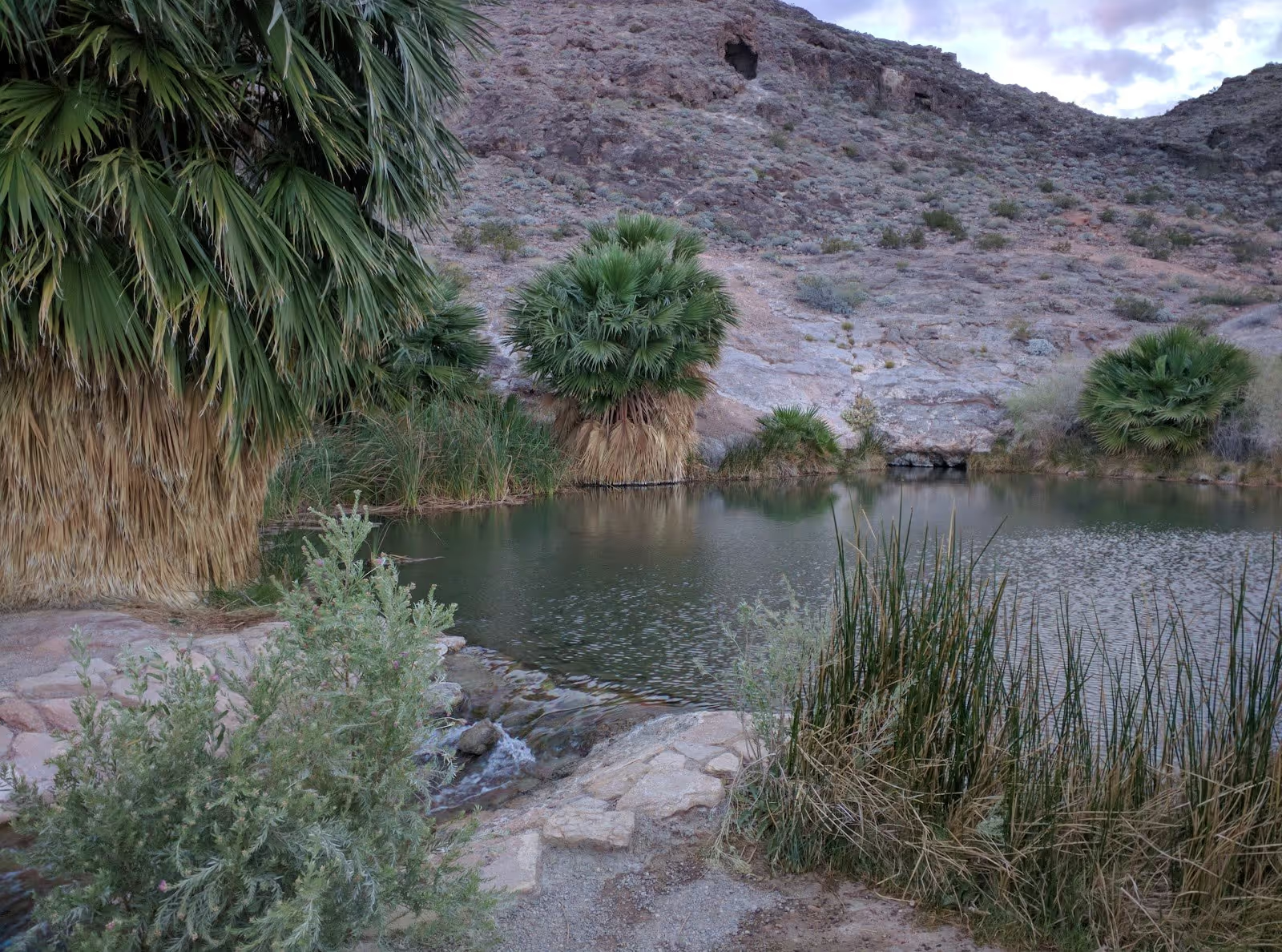
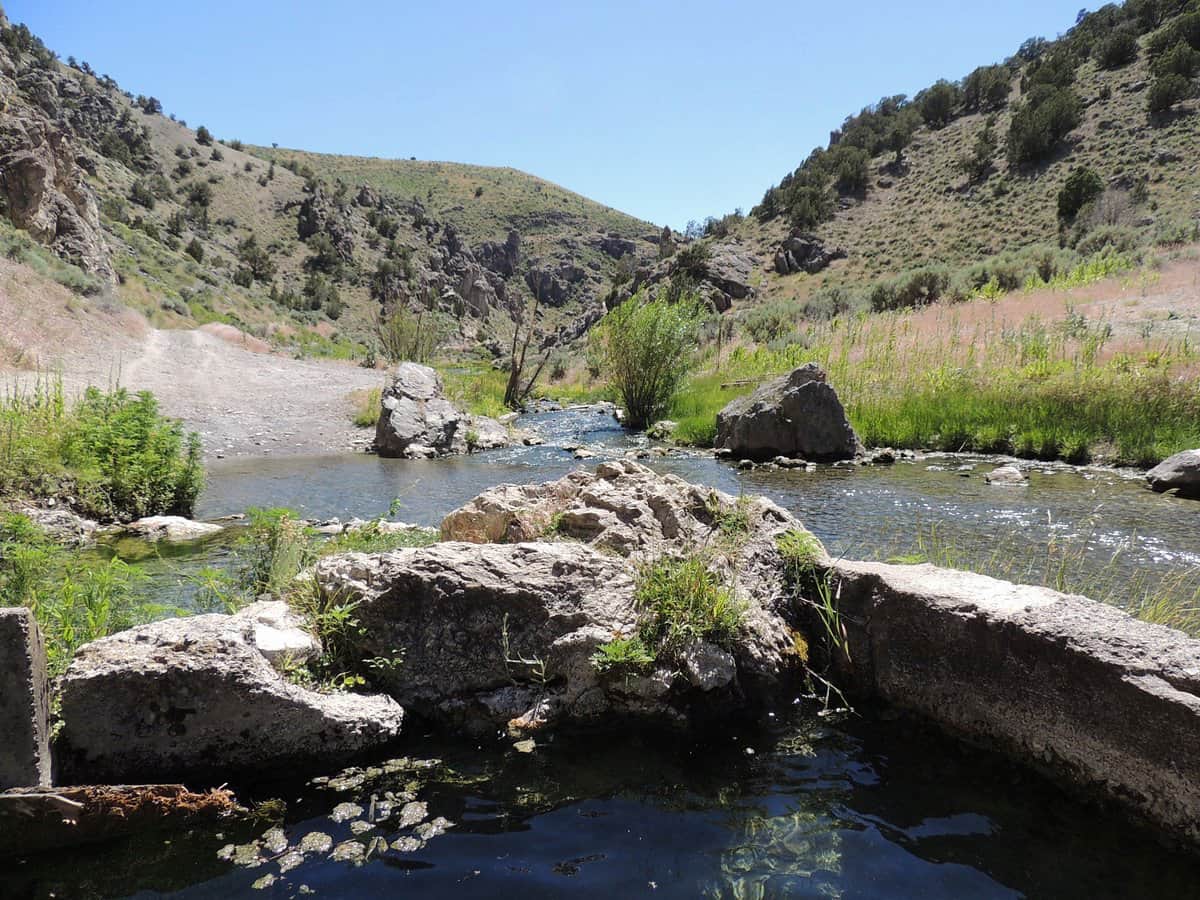
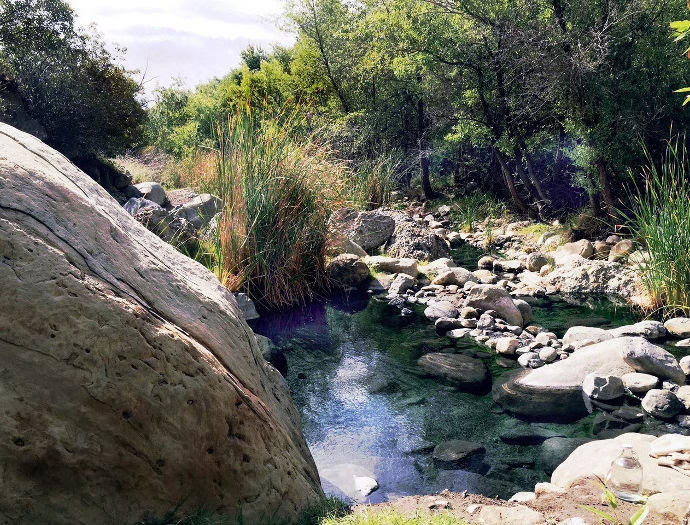
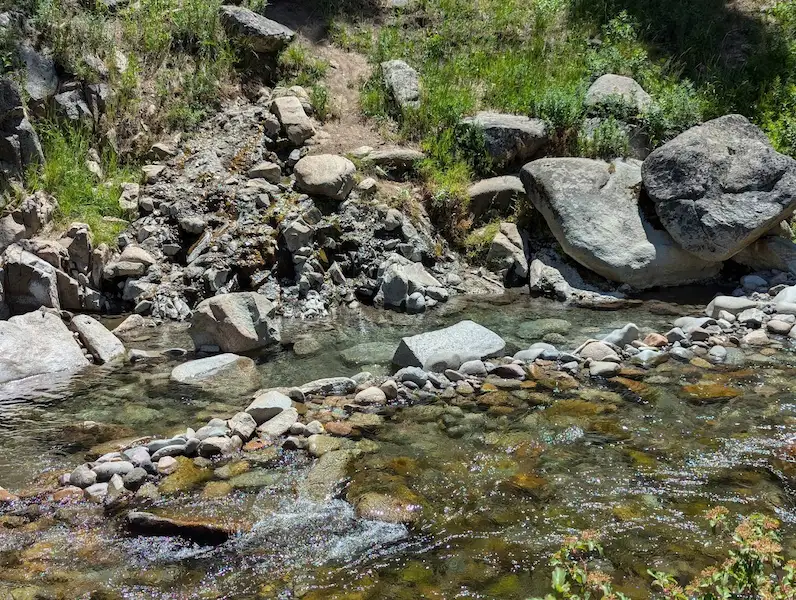
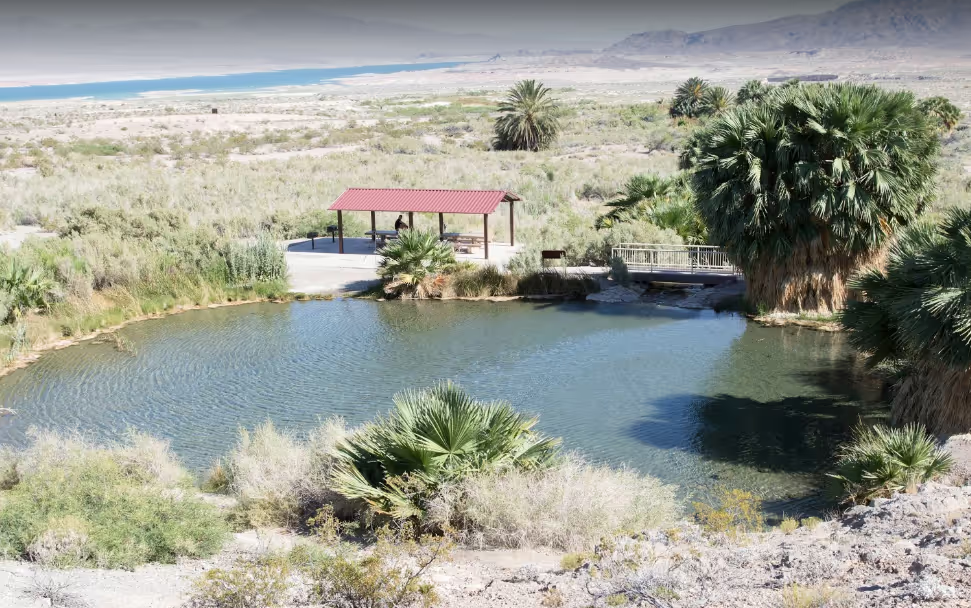
Rogers Spring, Nevada is a natural warm spring in Lake Mead National Recreation Area on the north shore of Lake Mead, off Northshore Road near Overton in Clark County. The spring discharges around 1,000 gallons per minute of clear, carbonate-rich water at 82 degrees Fahrenheit from a bedrock fault at the base of the Muddy Mountains. A low dam creates a shallow collecting pond approximately 75 feet wide and 3 feet deep, shaded by California fan palms. The setting creates a striking contrast to the surrounding desert, with poolside vegetation and palm trees forming an oasis in an otherwise barren landscape.
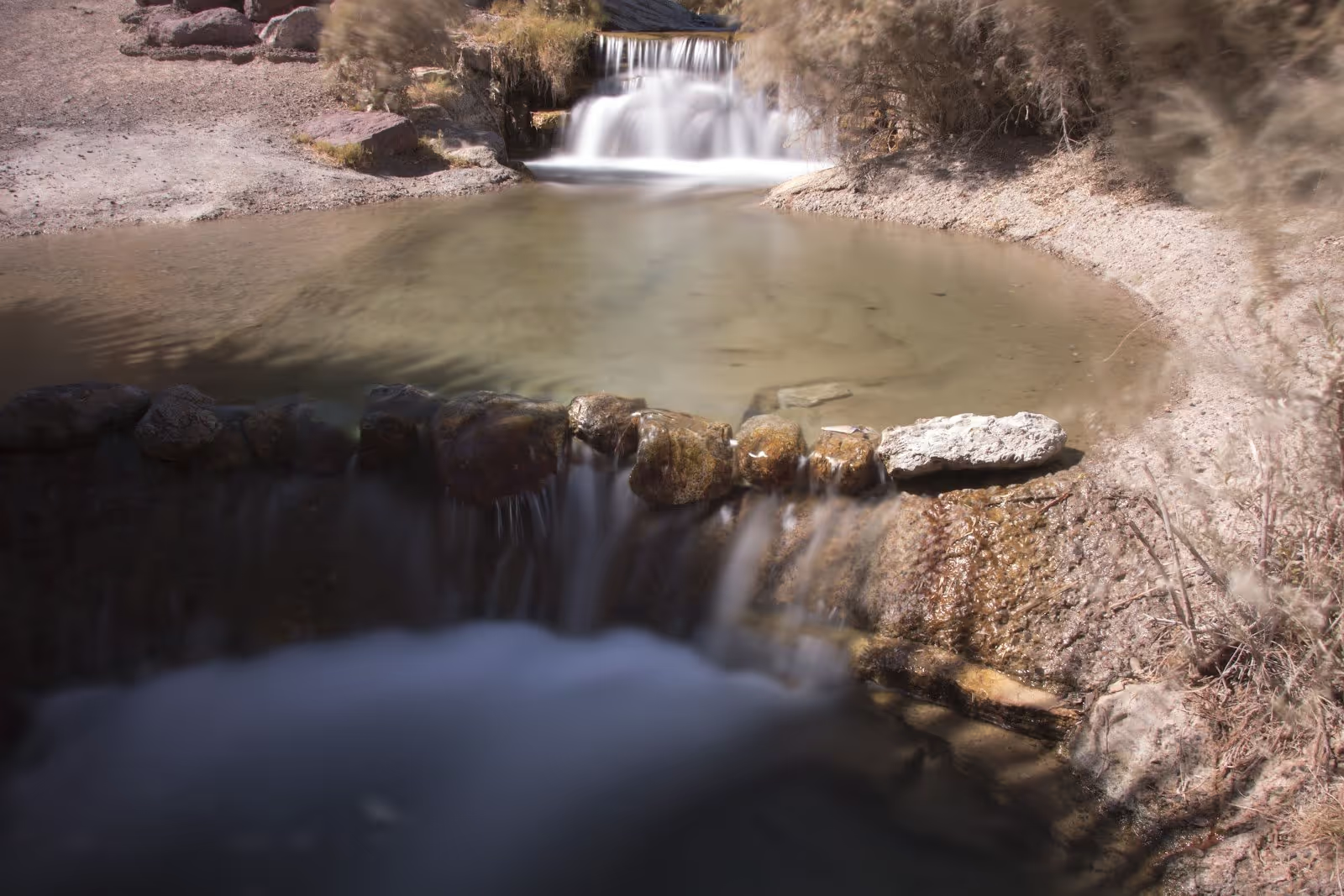
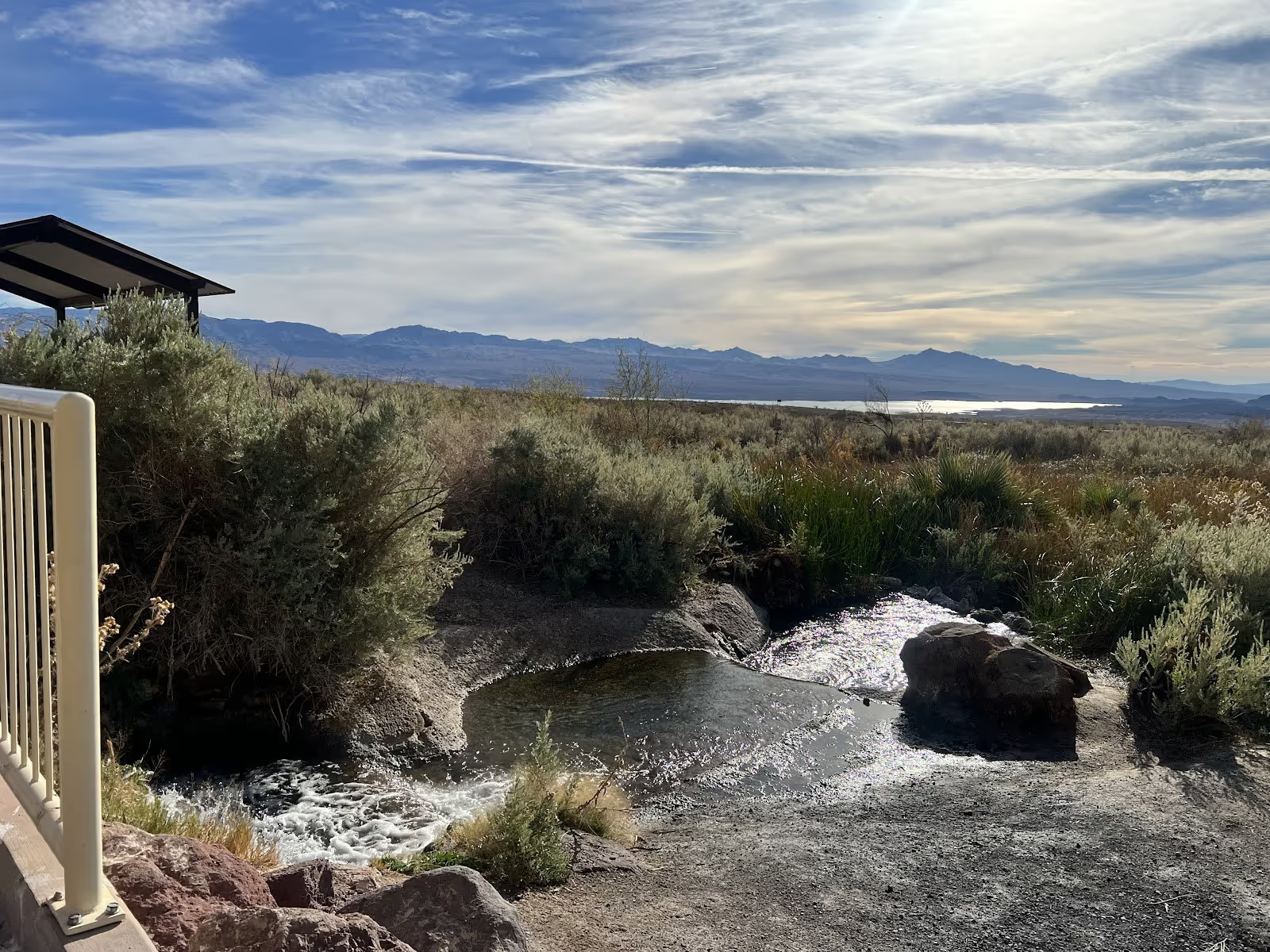
The pool overflow runs through a vegetated channel to Lake Mead about 2.5 miles away, supporting a riparian corridor that attracts birds and wildlife. The pool contains several species of fish, including non-native species, and turtles. A smaller secondary pool with a waterfall sits nearby. The spring has been used as a water source since at least the 1800s, and a 1903 irrigation project attempted to channel its water to nearby farmland.
The site is widely described as the most accessible warm spring in southern Nevada, and for visitors searching for hot springs near Las Vegas Nevada it offers a drive-up option within about one hour of the city with no hiking experience required.
Location & Access
Directions and Access
The spring is off Northshore Road (State Route 167), approximately 51 miles north of the Lake Mead visitor center within Lake Mead National Recreation Area. From Las Vegas, take I-15 north, exit onto Valley of Fire Highway, and follow signs to Northshore Road, then turn south. The total drive from the Las Vegas Strip is approximately 60 to 75 minutes. A small, signed side road off Northshore Road leads directly to a parking area beside the spring. The site is right off the highway with no hiking required.
The walk from the parking area to the pool is a very short, flat path of around 0.1 miles. Three shade ramadas with picnic tables, benches, and BBQ grills are provided, along with pit toilets. An NPS entry fee applies for Lake Mead National Recreation Area. The America the Beautiful annual pass is accepted. Cell service is generally available on Northshore Road. The spring is open year-round and accessible at all times.
The most comfortable visiting conditions are during fall, winter, and spring. Summer visits are possible and popular for wading, though air temperatures in the Lake Mead area regularly exceed 100 degrees Fahrenheit. For visitors searching for hot springs near Las Vegas Nevada on a day trip, this is one of the closest drive-up options in the region. Blue Point Spring, a cooler spring, is a short drive away on the same road.
Suitability & Accessibility
Who Should Visit
The spring suits visitors of all ages and physical abilities who want a warm spring experience without hiking or technical demands. The drive-up access, flat short walk, shade facilities, and calm shallow pool make it one of the most accessible warm springs in the region. Families with young children can use the pool safely, as the 82-degree temperature is gentle and the 3-foot depth is manageable. The pool also attracts birds, turtles, and fish, which adds interest for younger visitors.
The site is popular among Las Vegas day-trippers, picnickers, birders, and anyone on the scenic Northshore Road drive. The NPS maintains the site with shade ramadas and picnic facilities, making it a comfortable half-day destination. Pets are allowed but must remain on a leash at all times and should not enter the pool. Swimwear is required at this NPS-managed site.
For visitors seeking family hot springs near Las Vegas, this is one of the most accessible and manageable options in the region, with facilities, easy parking, and no strenuous activity required. There is no wheelchair ramp into the pool itself, but the parking area, path, and picnic facilities are generally flat. Naegleria fowleri has been flagged at the site by NPS signs; wading and soaking are generally acceptable, but submerging the head should be avoided.
Safety & Etiquette
Rogers Spring Safety Tips
The site is generally safe and family-friendly, but Naegleria fowleri has been identified as a concern by the National Park Service, which has posted warning signs at the pool. This rare but dangerous warm-water organism can cause a serious brain infection if water enters the nose. Do not submerge your head. Do not allow water to enter your nostrils while wading or soaking. The NPS warnings are specifically about head submersion, not a prohibition on entering the water. Children should be supervised to ensure they do not dip their heads into the pool.
The pool temperature is 82 degrees Fahrenheit at the source and can rise slightly in summer when air temperatures are high. This temperature is comfortable for most people and does not carry the overheating risk of hotter springs. Standard hydration precautions apply on hot desert days, as summer air temperatures in the Lake Mead area regularly exceed 100 degrees Fahrenheit. Bring adequate water, use available shade, and monitor children and elderly visitors for heat-related symptoms during summer visits.
Pets must remain on a leash and must not enter the pool. Do not handle or disturb the fish or turtles. All waste must be disposed of in the provided bins or packed out. No glass in the spring area. The Lake Mead NRA entry fee applies to all visitors entering the park. Emergency services are available through the park service; Overton is the nearest town with full services, approximately 10 miles away from this part of Northshore Road.