
Quick FactsOverview
About Roosevelt Hot Springs
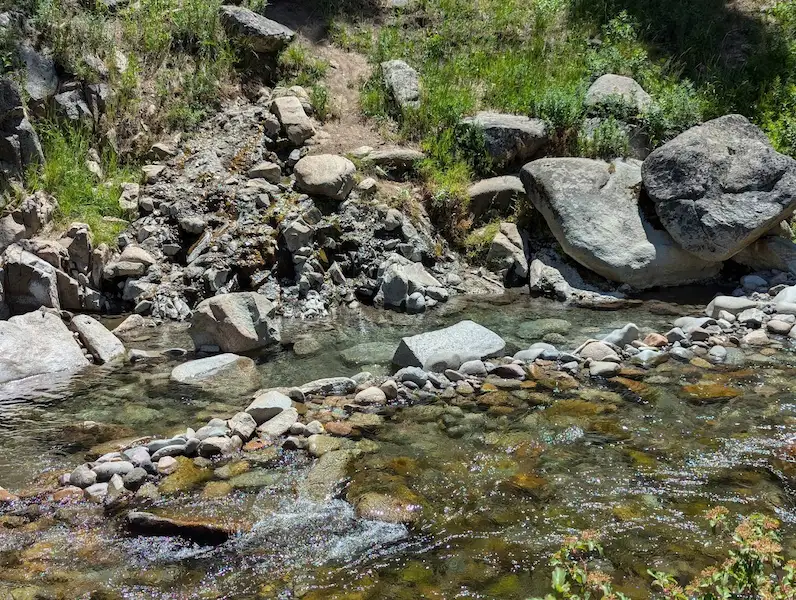
Roosevelt Hot Springs, Utah is a geothermal area in Beaver County approximately 11 miles northeast of Milford, historically a resort with soaking pools that dried up entirely by 1966 as groundwater levels dropped. The site is no longer usable for soaking. Today the area features actively steaming geothermal vents, boiling mud pots, bubbling pools, sulfurous soils in shades of yellow and orange, dead vegetation zones, and the ruins of the Roosevelt Hot Springs Resort. The Blundell Geothermal Power Plant, owned by PacifiCorp and operating since 1984, taps the geothermal resource at depth and generates approximately 34 megawatts of electricity.
The geothermal system is heated by a body of cooling magma associated with the Mineral Mountains to the east, whose youngest volcanic rocks date to approximately 600,000 years old. Production wells at the Blundell plant reach depths of 2,500 to 6,500 feet where temperatures reach 470 to 480 degrees Fahrenheit. The site is designated by the USGS as a Known Geothermal Resource Area. In the late 19th and early 20th centuries, the area supported a resort where men traveled from Milford by rail to soak in the springs. Today only ruins and the active geothermal landscape remain.
Location & Access
Getting to Roosevelt Hot Springs
Roosevelt Hot Springs geothermal area lies approximately 11 miles northeast of Milford in Beaver County, Utah, on BLM and state land accessible via Geothermal Plant Road. From northern Utah, take Interstate 15 to Nephi, then exit 225 onto State Route 132 heading west for approximately 34 miles to US Route 6. Turn left toward Delta and continue on US-6/50 west of Delta for approximately 5.6 miles, then turn left south onto State Route 257. Follow SR-257 for approximately 66 miles before turning left east onto Geothermal Plant Road toward the Blundell Geothermal Plant. The geothermal area is approximately 9 miles from this turn. The drive from Salt Lake City takes approximately three and a half to four hours.
The three main areas of geothermal interest are documented by the Utah Geological Survey. Area 1 contains the ruins of the Roosevelt Hot Springs Resort and nearby boiling mud pots. Area 2 features sulfur-stained ground devoid of vegetation. Area 3, along Negro Mag Wash, has vividly colored bubbling pools and hissing steam vents. The road to the area is on public land and is generally accessible, though it is remote and services are not available. The nearest town is Milford. For those seeking hot springs near Milford Utah with geological interest rather than soaking, Roosevelt Hot Springs is the most geologically significant destination in Beaver County.
Suitability & Accessibility
Suitability and Accessibility of Roosevelt Hot Springs
Roosevelt Hot Springs is not suitable for soaking. The original surface springs dried up by 1966 and the geothermal energy is now fully captured by the Blundell Power Plant operating at the site since 1984. The remaining surface features, including boiling mud pots, steam vents, and bubbling pools, involve temperatures far above any safe soaking range and constitute active geological hazards. This listing documents the site's geological and historical significance for visitors who may search for it as a hot spring destination.
The site suits visitors interested in geology, geothermal energy, or industrial history. The Utah Geological Survey documents three areas of geothermal interest at the site. Area 1 contains the ruins of the original resort, including remnants of buildings and a swimming pool, along with nearby boiling mud pots. Area 2 features sulfur-stained ground devoid of vegetation. Area 3 along Negro Mag Wash has vividly colored bubbling pools and hissing steam vents colored by sulfur crystals and thermophilic bacteria.
There is no developed visitor infrastructure at the geothermal area. The terrain is open remote desert and visitors must be fully self-sufficient. For those seeking hot springs in Utah near Milford with soaking facilities, Baker Hot Springs approximately 25 miles northeast of Delta and Crystal Hot Springs in Honeyville are the nearest alternatives with actual soaking access.
Safety & Etiquette
Roosevelt Hot Springs Safety Tips
Roosevelt Hot Springs contains genuinely dangerous surface features and visitors must exercise serious caution. Boiling mud pots, steam vents, and hot pools at the surface involve temperatures that cause severe burns on contact. These features are not consistently marked or fenced. Do not approach the edges of boiling pools, mud pots, or active steam vents. Ground near active venting may be thin and unstable with very hot water or steam beneath. Stay well back from any feature that appears to be steaming, bubbling, or hissing and do not test features with your hand or foot.
Sulfur dioxide and hydrogen sulfide gases vent from the ground in this area. In elevated concentrations these gases are toxic. Avoid standing in low-lying areas or depressions where gases can accumulate, especially on calm, windless days. If you notice a strong sulfur odor and begin to feel lightheaded or nauseated, move upwind immediately and leave the area.
The area is extremely remote with no cell service and no emergency services nearby. Do not visit alone. Carry sufficient water and food for longer than you plan to stay, and inform someone of your route and expected return time. Check vehicle fuel and condition before leaving Milford, as the nearest services are in Milford. Summer temperatures in this desert are extreme and there is no shade across the exposed landscape. Carry more water than you think you need.
The Blundell Geothermal Power Plant is an active industrial facility and its operations must not be interfered with. Observe all posted signs and barriers around the plant perimeter. The plant, its wells, pipes, and associated infrastructure are not open to the public for access or inspection.

%252C%2520Utah%25202.avif)