
Quick FactsOverview
About Serpentine Hot Springs
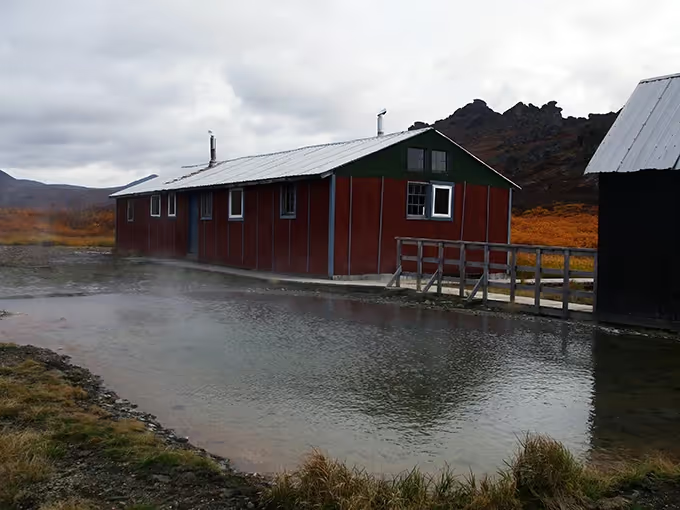
Serpentine Hot Springs, Alaska is a geothermal site inside Bering Land Bridge National Preserve on the Seward Peninsula, approximately 100 miles north of Nome. The springs emerge in a wide, open bowl of tundra ringed by towering granite formations called tors, giving the area a landscape unlike anything found at other Alaska hot springs. The National Park Service maintains a red wooden bathhouse and a first-come, first-served bunkhouse at the site, making it one of the few genuinely remote hot springs in the country with basic shelter available to all visitors at no cost.
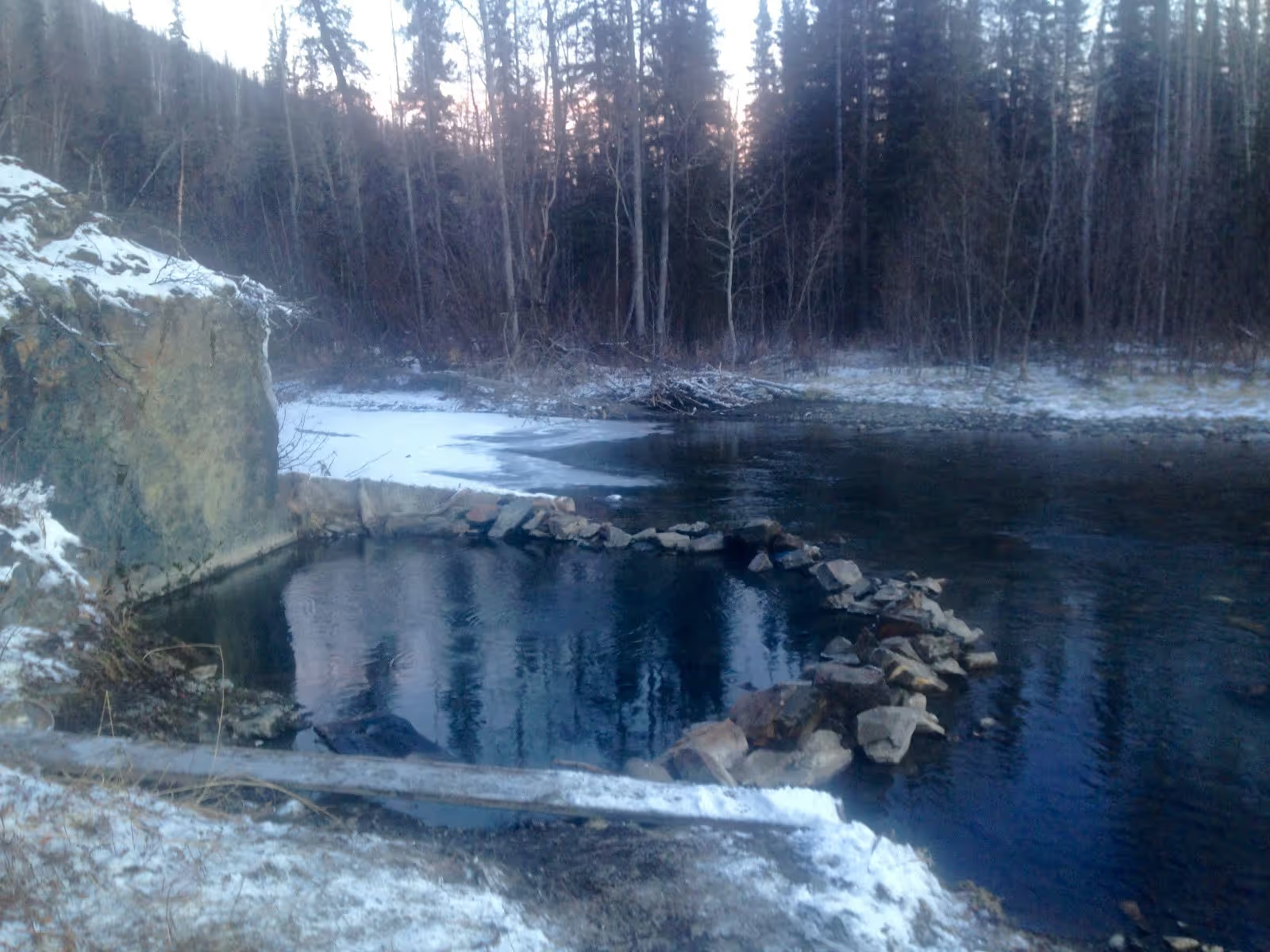
The Inupiaq name for the springs is Iyat, meaning cooking pot, a reference to the water temperatures that reach as high as 170 degrees Fahrenheit at the source. The spring water is piped into the enclosed bathhouse, where visitors can soak in a tub protected from the elements. An outdoor soaking area is also available when conditions allow. The site has been used by Inupiaq people for thousands of years as a place for healing, cooking, and spiritual practice, and it remains culturally significant to communities on the Seward Peninsula today.
The preserve has no roads, and Serpentine is the most visited location within it despite that fact. Visitors arrive almost entirely by small bush plane from Nome or Kotzebue, landing on a short gravel airstrip a few minutes' walk from the facilities. The combination of the warm springs, the extraordinary granite tors, and the surrounding open tundra makes Serpentine one of the more memorable hot springs in Alaska for those willing to make the journey.
Location & Access
Getting to Serpentine Hot Springs
Bering Land Bridge National Preserve has no road access of any kind. Every visitor to Serpentine Hot Springs must arrive by air, on foot, by bicycle, or by snowmobile. The most common approach is by charter air taxi from Nome or Kotzebue. Small aircraft can land on the unmaintained gravel airstrip at the site, which is a short walk from the bathhouse, bunkhouse, and outhouse. Air taxi operators licensed to serve the preserve are listed through the National Park Service. Flight time from Nome is roughly 45 minutes to an hour depending on aircraft.
Winter offers an alternative for those looking for hot springs near Nome Alaska without the cost of a charter flight. Two marked winter snowmobile trails lead to the springs, one starting in Nome and one in Shishmaref. The Nome route covers approximately 100 miles of tundra and river travel and is typically a two-day journey each way. GPS navigation is essential. Visitors should not rely on trail stakes alone, as they may be obscured by snow or damaged. Camping in extreme cold is expected on any overland winter trip to the springs.
Summer hiking and biking from Nome are possible for experienced backcountry travelers. The route covers roughly 30 miles of roadless tundra from the end of the Nome road system. There are no marked trails. Navigation through open tundra requires map and compass or GPS skills, bear awareness, and full self-sufficiency for multiple days. Helicopters, ATVs, and other off-road vehicles are prohibited in the preserve. All visitors should confirm current preserve conditions and bunkhouse status with the National Park Service offices in Nome before departure.
Suitability & Accessibility
Who Serpentine Hot Springs Suits
Serpentine Hot Springs suits travelers who are self-sufficient in remote Alaska conditions and who find the challenge of getting there to be part of the appeal. The facility itself, once reached, is genuinely welcoming. The bunkhouse sleeps up to 12 people in three rooms on bunk beds, with Coleman stoves, a heat drip stove, gravity-fed water filters, basic cookware, and a bear-safe storage locker. No reservations are required. The bathhouse provides a sheltered soak in geothermal water regardless of weather, which in this part of Alaska can be cold, windy, and wet even in summer.
Solo travelers, small groups, and backcountry regulars find the site rewarding across all seasons. Summer offers mild temperatures and good conditions for hiking among the tors and watching wildlife including caribou, muskox, brown bears, red foxes, and a wide range of migratory birds. Fall brings vivid colors across the tundra slopes and reliable berry foraging. Winter visits to the bathhouse are particularly memorable, as soaking in geothermal heat against a backdrop of frozen tundra and potential aurora activity is a combination that very few free hot springs in Alaska can offer. Spring transforms the bowl with wildflowers as the snow retreats from the slopes.
Families with young children, visitors without wilderness travel experience, and anyone who requires predictable access or reliable extraction logistics should approach Serpentine with realistic expectations. Weather can close the airstrip, ground flights, or delay departure for multiple days without warning. Every visitor should carry a satellite communicator, extra food and fuel, and a contingency plan for extended stays. The bunkhouse is first-come, first-served, so groups visiting during summer may encounter other parties. Having a tent as a backup is always sensible at this site.
Safety & Etiquette
Safety at Serpentine Hot Springs
The most critical safety factor at Serpentine Hot Springs is weather and access planning. Fog, low ceilings, and wind are common on the Seward Peninsula and can delay or cancel flights for days at a time. Every visitor should build extra days into their itinerary and carry enough food, fuel, and supplies to wait out an extended weather hold. Do not book a flight back on the day you intend to leave. Plan for the possibility of staying longer than expected from the start.
The geothermal water at Serpentine reaches very high temperatures at the source. The bathhouse pipes hot spring water in alongside cooler water to allow temperature adjustment, but the system can partially freeze in cold conditions, requiring visitors to carry buckets of river water to cool the tub manually. Always test the water temperature before entering the tub. Do not assume the water is at a safe temperature based on appearance. Stay hydrated, limit soak time, and cool down before re-entering.
Brown bears, caribou, muskox, and red foxes are all present in the preserve. Bears in particular are a consistent presence across the Seward Peninsula during summer and fall. Store all food in the bear-safe locker provided at the bunkhouse. Do not leave food, scraps, or scented items in your sleeping area. Carry bear spray at all times when outside the buildings and be alert on the approach from the airstrip and when hiking among the tors.
The granite tors surrounding the springs are a major draw for hikers and scrambers. Tundra slopes and rocky outcrops can be slippery in wet or icy conditions. Wear appropriate footwear for the terrain, watch for loose rock on steeper faces, and do not solo scramble above heights where a fall would be serious. The surrounding tundra also has ankle-turning hummocks and soft wet ground that can cause slips and twisted ankles even on flat terrain.
Drinking water at the site must be treated before consumption. Two gravity-fed Katadyn filters are available inside the bunkhouse. Filter all water collected from the creek. Do not consume unfiltered water from any source at the site. Carry your own fuel, oil, and matches, as the bunkhouse stoves require visitor-supplied fuel. Pack out all trash. Leave the facilities in the condition you found them so the next party arrives to a usable site.