Quick FactsOverview
About Sespe Hot Springs
Sespe Hot Springs, California is a remote geothermal spring system in the Sespe Wilderness of Los Padres National Forest, located approximately 21 miles north of Ojai in the Transverse Ranges of Southern California. Known by its Chumash name S'eqp'e', the springs have been used for centuries and are among the most remote accessible hot springs in the state.
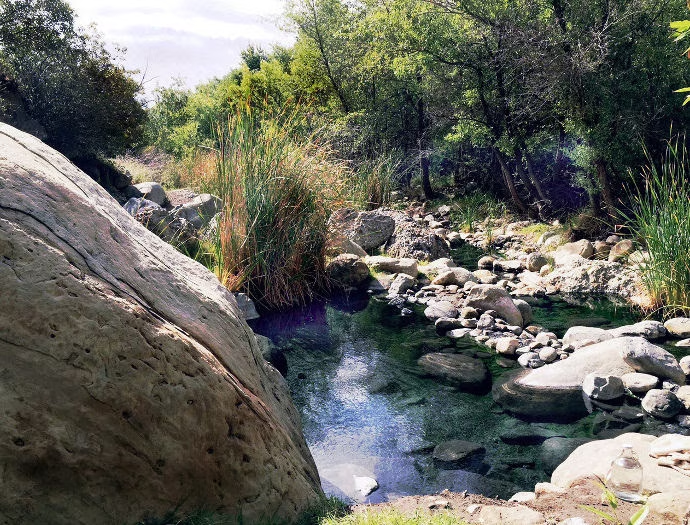
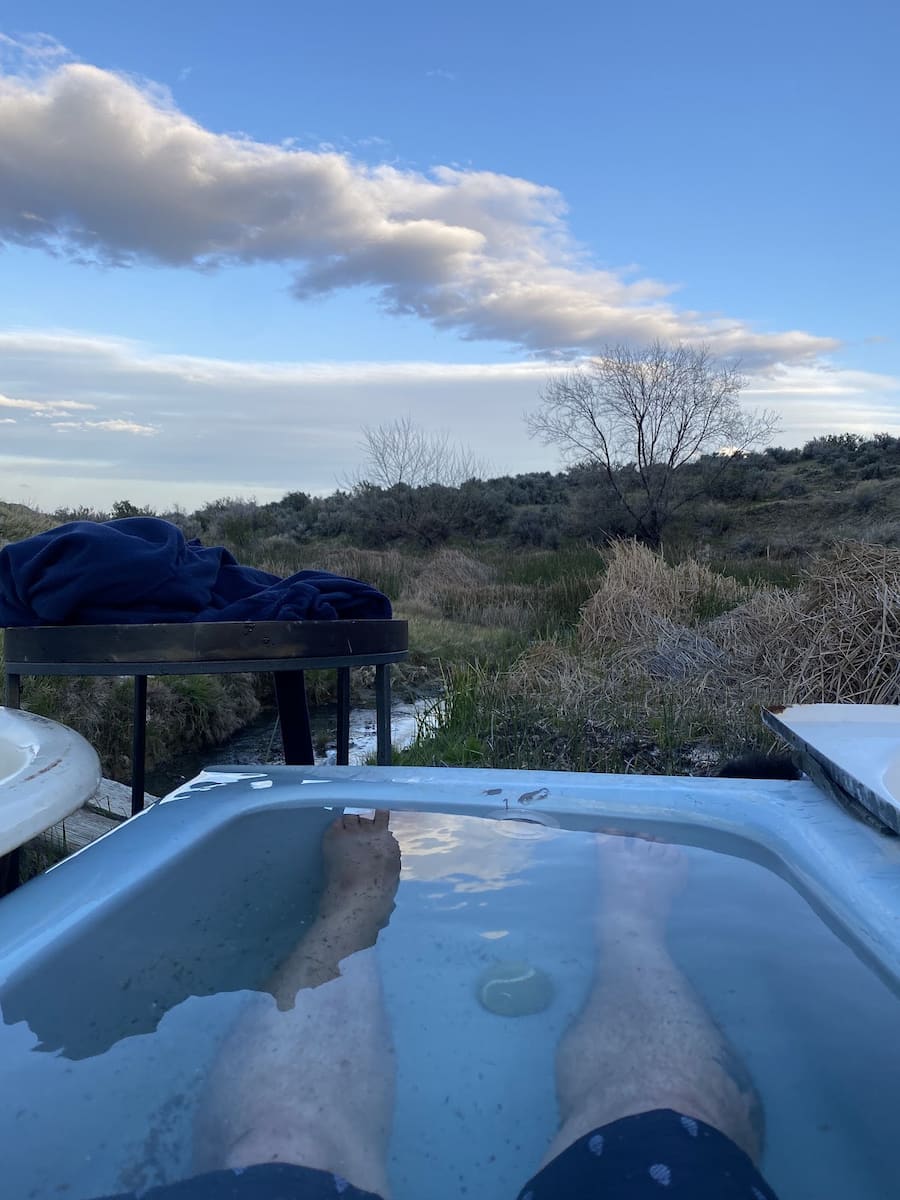
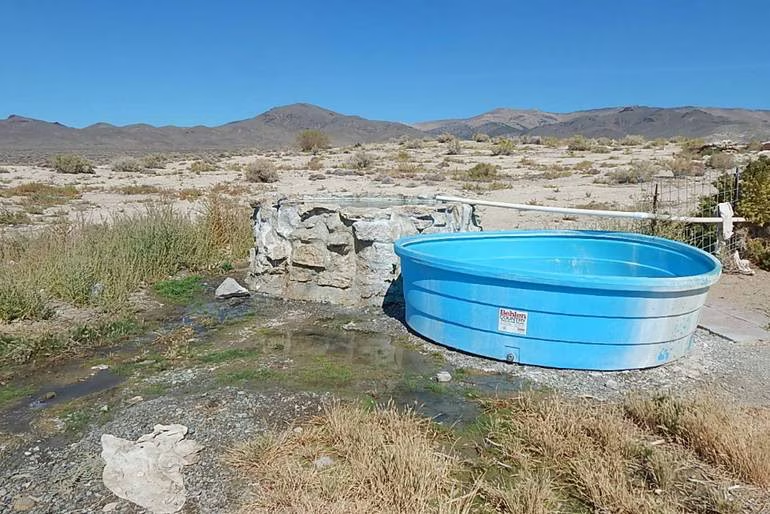
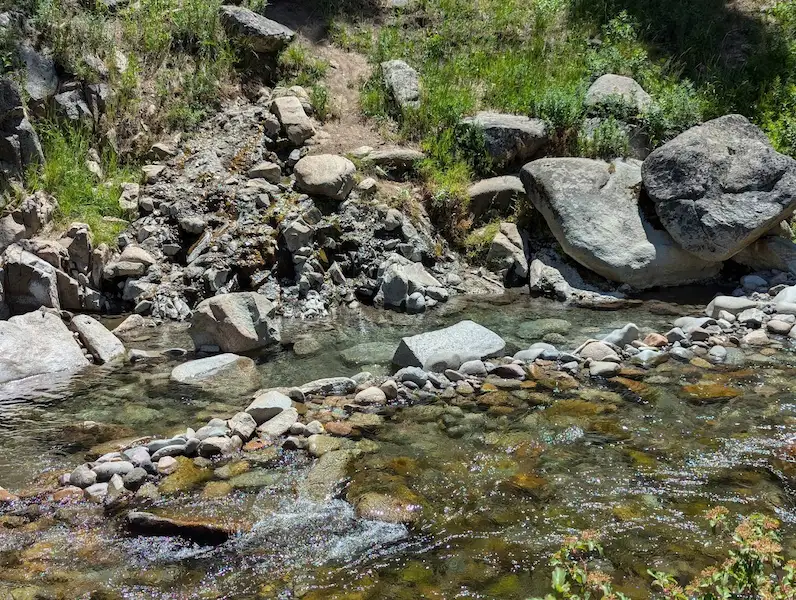
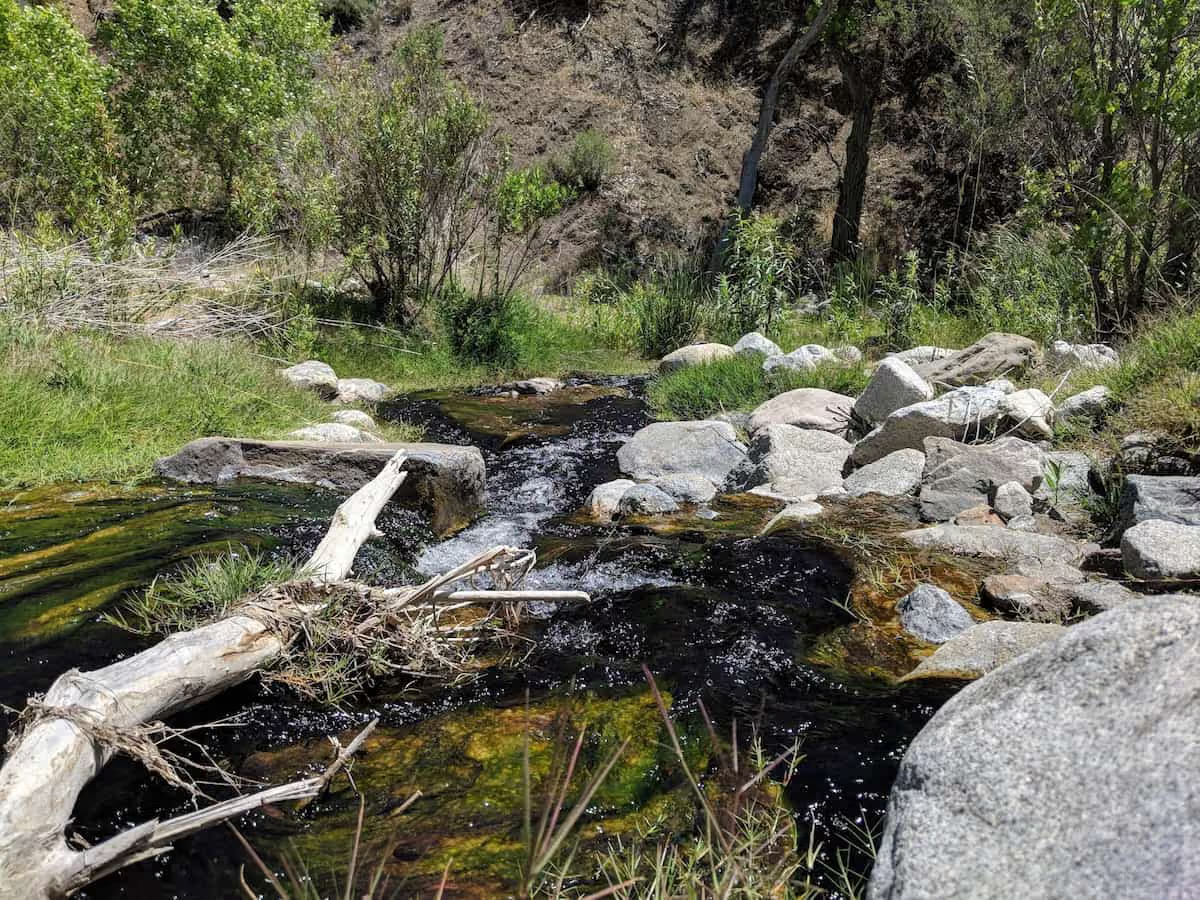
The hot mineral water emerges from multiple spring clusters on a bank above Sespe Creek, reaching temperatures near 194 degrees Fahrenheit at the source. As the water cascades down the hillside and mixes with the cooler creek, it forms several primitive rock and boulder-lined soaking pools at temperatures suitable for bathing, typically around 105 degrees. A rock sauna and a natural hot waterfall are also present at the site. The springs are within the Sespe Condor Sanctuary, a protected area for the California condor.
Access is by foot or horseback only; mountain bikes are prohibited in the wilderness area. For visitors seeking natural hot springs in California at the far end of the backcountry spectrum, Sespe offers an experience that few other springs in the state can match for remoteness and wildness. An Adventure Pass is required to park at the trailheads. The springs themselves are free to visit.
Location & Access
Getting to Sespe Hot Springs
Sespe Hot Springs is accessible via three trails, all demanding. The Sespe River Trail from the Piedra Blanca Trailhead near Ojai is the most popular route at 16.8 miles each way; it follows Sespe Creek and includes multiple creek crossings. The Alder Creek Trail from Dough Flat is the shortest at 7.5 miles each way but is rated moderately difficult on rough terrain. The Johnston Ridge Trail is 9.5 miles each way and is rated difficult, with significant exposed climbing and no water sources along much of the route.
For the Sespe River Trail, take Highway 33 north from Ojai, then follow Rose Valley Road to the Piedra Blanca Trailhead, which requires an Adventure Pass for parking. For the Johnston Ridge Trail, approach via Lockwood Valley Road from Frazier Park on Interstate 5. The Alder Creek Trail starts at Dough Flat off Forest Route 6N31. All routes are multi-day backpacking trips for most visitors; the hot springs are too far for a comfortable day hike on any route.
Cell service is non-existent in the Sespe Wilderness, and maps should be downloaded offline before departure. For those researching hot springs near Ojai deep in the backcountry, Sespe is the defining destination: no other hot spring in the area requires this level of commitment, and no other offers the same depth of wilderness experience in return.
Suitability & Accessibility
Who Sespe Hot Springs Suits
Sespe Hot Springs suits experienced backcountry hikers and backpackers who are self-sufficient in wilderness conditions and comfortable with long, strenuous routes. The shortest approach is 7.5 miles each way over rough terrain, and the most popular trail is nearly 17 miles each way with multiple river crossings. This is not a destination for casual day hikers, families with young children, or visitors without significant trail experience.
The site is not wheelchair accessible. The wilderness trails are rugged and unmaintained in sections, and the springs themselves are on steep terrain above a creek. There is no infrastructure of any kind at the hot springs beyond the natural pools.
Clothing is optional at the springs, a long-established custom consistent with the remote and self-regulating character of the site. Dogs are permitted on leash. Camping is available at several sites along the trails and near the springs. Spring and fall are the best seasons for a visit; summer daytime temperatures on the trail can exceed 100 degrees Fahrenheit, making summer hiking genuinely dangerous. The springs sit within the Sespe Condor Sanctuary, and visitors should respect the protected status of the area. The wilderness setting means all waste must be packed out, and Leave No Trace principles are essential to preserving access to these natural hot springs in California for future visitors.
Safety & Etiquette
Safety at Sespe Hot Springs
Sespe Hot Springs presents serious backcountry safety challenges that visitors must plan for thoroughly. The springs are in a remote wilderness area with no cell service, no emergency infrastructure, and no other people for long stretches of the trail. Self-sufficiency is non-negotiable: carry enough water, food, and emergency supplies for longer than your planned trip in case of injury, weather, or disorientation.
Summer visits are hazardous. Trail temperatures can exceed 100 degrees Fahrenheit on exposed sections, and the risk of heat exhaustion and dehydration is real on any of the long approaches. Spring and fall are the recommended seasons. Winter can bring flash flooding in Sespe Creek, making creek crossings on the Sespe River Trail potentially dangerous after heavy rainfall. Checking weather and creek conditions before departure is essential.
The spring water emerges at temperatures near 194 degrees Fahrenheit at the source. The soaking pools are cooler but still very warm, and testing temperature before entering is important. Upper pools closer to the source are significantly hotter than lower pools, and soaking in an unfamiliar pool without first checking the temperature can cause scalding. Poison oak is present along the Sespe River Trail, particularly in the lower riparian sections. Rattlesnakes and other wildlife are common throughout the wilderness.
A National Forest Adventure Pass is required to park at the Piedra Blanca and Johnston Ridge trailheads; the springs themselves are free to visit. Pack out all waste as there are no facilities at the springs. Leave No Trace principles are especially important in a protected wilderness and condor sanctuary where visitor impact must be minimized.