
Quick FactsOverview
About Shelokum Hot Springs
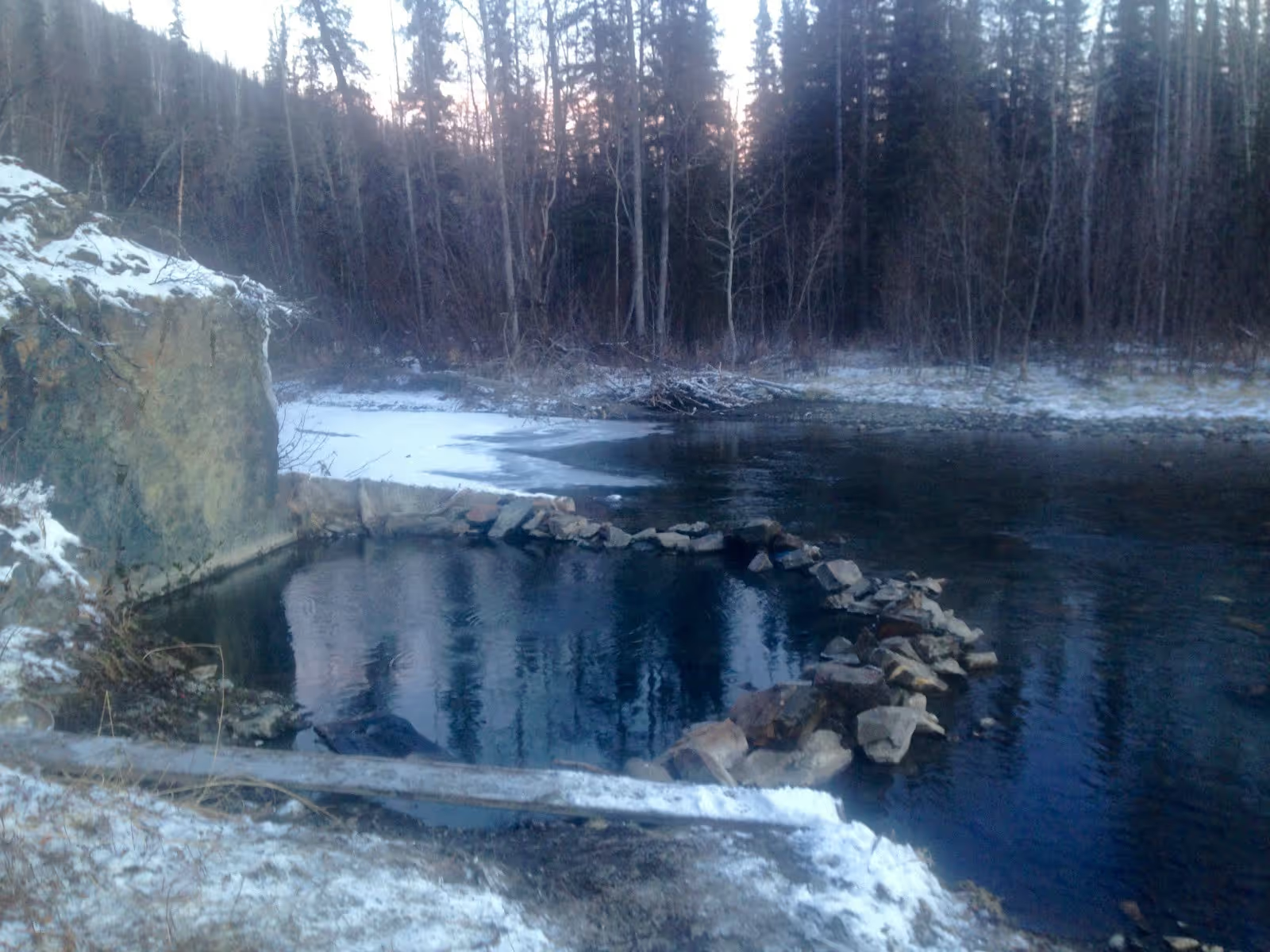
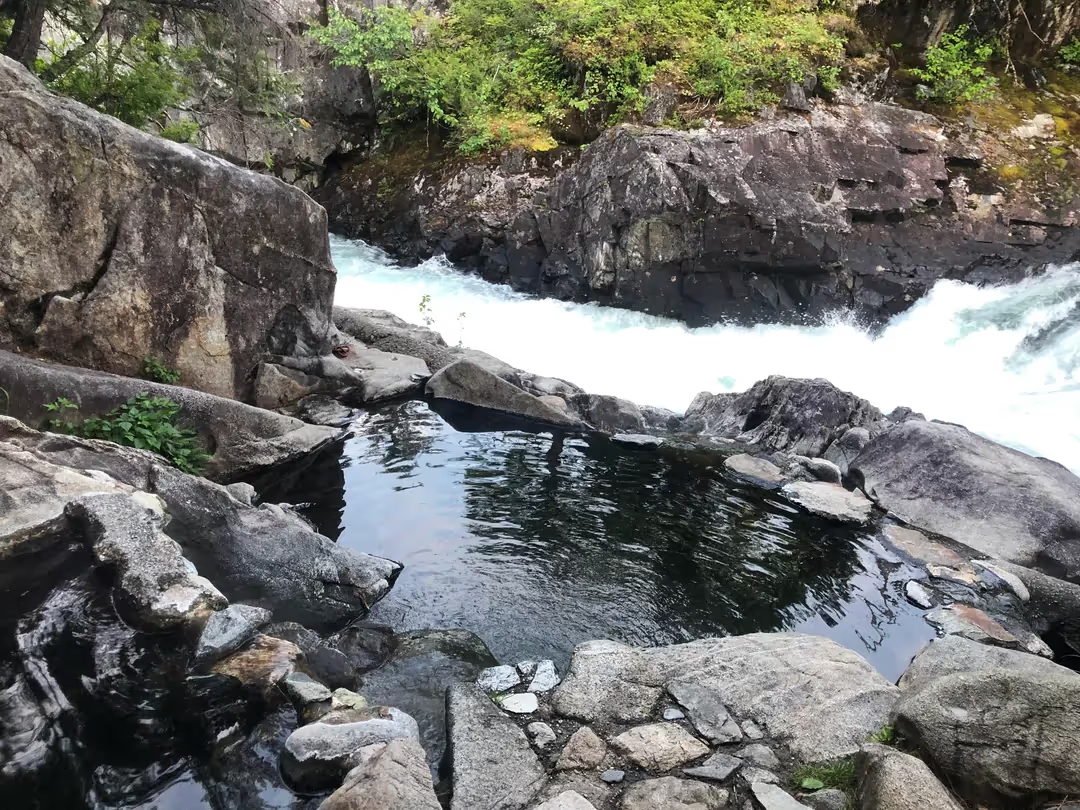
Shelokum Hot Springs, Alaska is a natural geothermal pool located in the Tongass National Forest on the Cleveland Peninsula, roughly 90 miles north of Ketchikan by water. The springs sit near the west inlet of Lake Shelokum at the upper end of the Shelokum Lake Trail, surrounded by the dense temperate rainforest that covers most of Southeast Alaska. The site is managed by the Forest Service and is completely undeveloped beyond a three-sided wooden shelter built by the Civilian Conservation Corps that stands near the pool. There are no resort facilities, no staff, and no entrance fee.
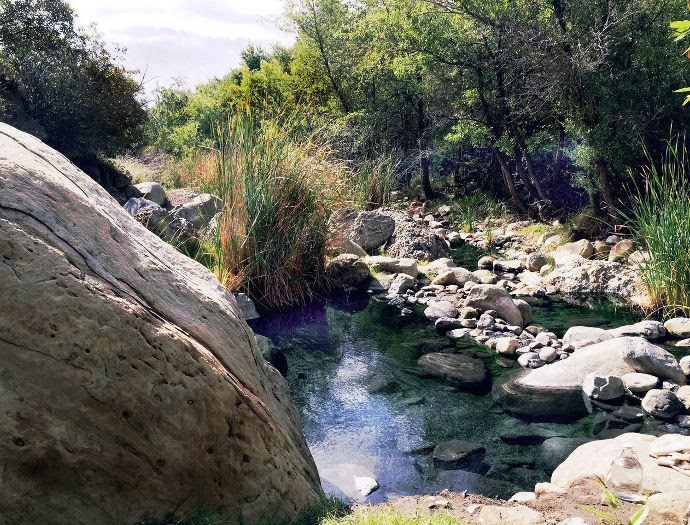
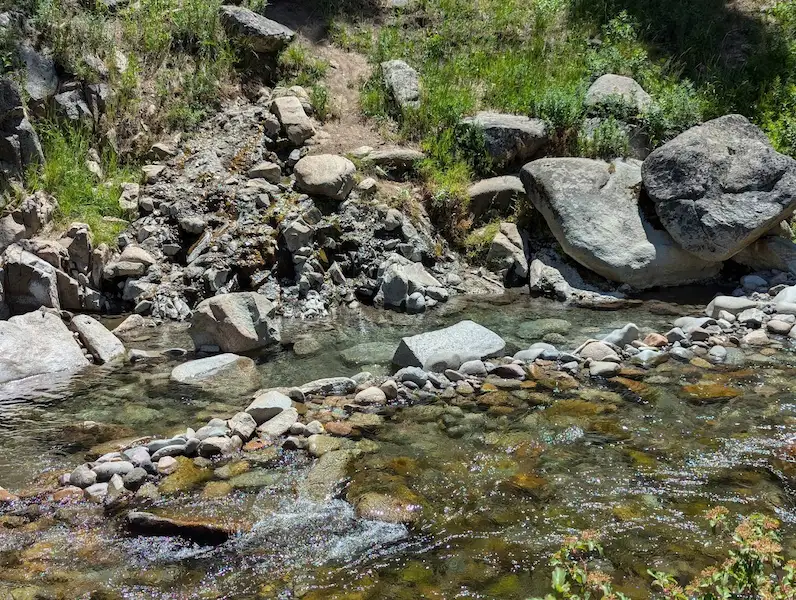
The geothermal water emerges at a very high temperature at the source but feeds into a natural pool that visitors can adjust by controlling the mix of hot and cold water through simple valves. The pool itself supports a distinctive population of algae and heat-tolerant plant life that gives the water a greenish, living quality. The Forest Service notes these natural hot springs in Alaska are considered completely undisturbed, meaning the biological community in and around the water is intact and sensitive to disruption from soap, shampoo, and foot traffic. Visitors are expected to treat the pool and its surroundings with care.
The springs are also referred to as Bailey Bay Hot Springs, after the bay where the trailhead is located. The surrounding forest is classic Tongass rainforest: towering Sitka spruce and western hemlock, dense understory vegetation, mossy ground, and consistent moisture in all seasons. Wildlife including brown bears, black bears, Sitka black-tailed deer, and various raptors and shorebirds is present throughout the area. The site rewards visitors who approach it at a relaxed pace and are comfortable with the physical demands of boat access and a steady trail climb.
Location & Access
Getting to Shelokum Hot Springs
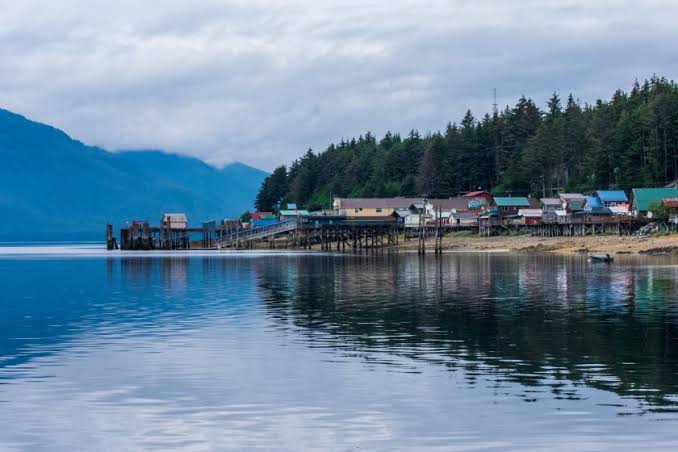
Shelokum Hot Springs has no road access. The trailhead at Bailey Bay is 48 miles from Ketchikan and 37 miles from Knudson Cove, reachable only by boat or floatplane. Bailey Bay sits on the inside passage side of the Cleveland Peninsula, opposite the western tip of Bell Island. Visitors coming from Ketchikan typically charter a water taxi or use a private boat. A floatplane landing on Bailey Bay is also possible. Those looking for hot springs near Ketchikan Alaska should plan the water or air leg as the primary logistics challenge, not the hike.
From the trailhead at Bailey Bay, the Shelokum Lake Trail runs 2.3 miles and climbs steadily to Lake Shelokum. The first section of trail passes through forest on the south side of the drainage. Hikers must ford Maude Creek before reaching the lake. The Forest Service notes that Maude Creek can be impassable during high water, which is a real trip stopper in a region with heavy and unpredictable rainfall. Do not attempt the ford in high or fast-moving water. Check conditions before departing and build in a plan for turning back if the creek is not safely crossable.
The upper section of the trail follows the lake shore to the west inlet at Spring Creek, where the three-sided shelter and hot spring pool are located. Total hiking time from the trailhead to the springs is typically one to two hours depending on pace and conditions. The trail is not heavily marked. A detailed map or GPS track of the route is useful, particularly on the return in poor visibility. There are no facilities at Bailey Bay. Carry everything you will need for the day or overnight, including drinking water, food, rain gear, a warm layer, and bear spray.
Suitability & Accessibility
Who Shelokum Hot Springs Suits
Shelokum Hot Springs suits hikers and boaters who are comfortable operating independently in Southeast Alaska conditions. The trip involves coordinating water or air transport, fording a creek that can become impassable, hiking on wet trail in a temperate rainforest, and managing all logistics without any on-site staff or services. Visitors who find that combination appealing will likely consider Shelokum one of the more rewarding natural hot springs in Alaska that can be reached without a full backcountry expedition.
The site is not suited to families with young children. The creek ford is the deciding factor. During high water it is not safe for anyone regardless of experience, and with young children the safety margin on any ford shrinks significantly. The trail itself is also muddy, rooted, and slick in many conditions, making it harder than the distance suggests. Outdoors-confident adults traveling in pairs or small groups with consistent expectations about pace and comfort will get the most out of a trip to Shelokum.
Overnight stays are possible using the three-sided CCC shelter at the springs on a first-come, first-served basis. The shelter provides basic protection from rain but has no sleeping platforms, running water, electricity, or cooking facilities. Visitors who stay overnight should bring a full camping kit, a sleeping bag rated for wet cold conditions, a stove and fuel, and their own food and water supply. Firewood is not reliably available. As with other free hot springs in Alaska maintained by the Forest Service, the shelter is a genuine but minimal resource. Come prepared to be comfortable without it if another party is already using it.
Safety & Etiquette
Safety at Shelokum Hot Springs
The single most important safety decision on a trip to Shelokum Hot Springs is whether to ford Maude Creek. The Forest Service states clearly that the creek can be impassable during high water. In Southeast Alaska, rain is frequent and can be heavy in all seasons. A creek that is knee-deep and crossable in the morning can be thigh-deep and fast by afternoon after a rain event upstream. Assess the ford carefully before committing. If the water is moving fast, cloudy, or higher than you can safely wade, turn around. Do not try to cross while carrying a heavy pack in fast water.
The hot spring pool at Shelokum is fed by water that reaches the ground at a very high temperature. The cold water valves allow visitors to adjust the pool to a comfortable soaking temperature, but the incoming hot water can be scalding. Always test the temperature carefully before entering and before adjusting the mix. Run the cold water into the pool for a few minutes and check again before getting in. Limit soak time, take breaks, drink water, and cool down before heading back on the trail. Dehydration and overheating after a long soak can make the hike out harder than expected.
Brown bears are present throughout the Cleveland Peninsula and in the Tongass rainforest generally. The dense vegetation along the Shelokum Lake Trail limits sight lines and means you may encounter a bear with little warning. Make noise consistently while hiking, particularly in sections with thick brush or near streams. Carry bear spray and keep it accessible throughout the hike. Do not store food in the shelter overnight and hang or cache food at a distance from your sleeping area.
The Tongass rainforest produces consistently slippery trail conditions. Wet roots, mossy rock, and muddy sections are present on the Shelokum trail in all seasons. Wear waterproof footwear with good grip. Traction sandals are useful around the pool but keep hiking boots on for the approach and descent. Falls on wet root-covered trail are the most common injury risk at this type of site. Move at a controlled pace, particularly on the downhill return when legs are tired from soaking.
Weather in Southeast Alaska changes quickly and significantly. A clear morning can become a low-ceiling afternoon with limited visibility. If you are arriving or departing by floatplane, confirm weather conditions with your pilot before committing to a schedule. If you are on a boat, monitor conditions and allow time for a slow, safe return passage. Do not rush the return in deteriorating weather. Tell someone in Ketchikan your plans and expected return time before you go.