Quick FactsOverview
About Stanley Hot Springs
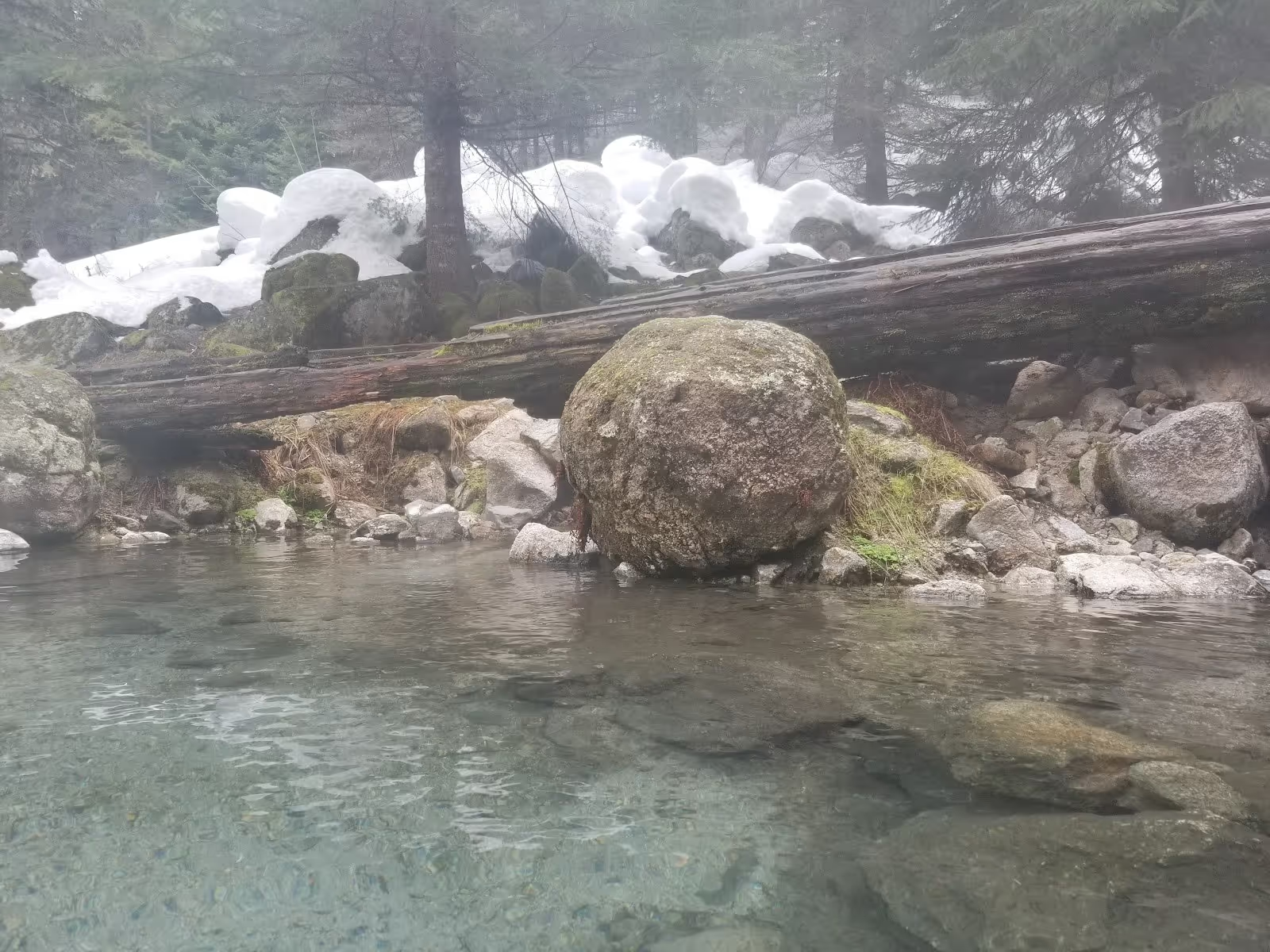
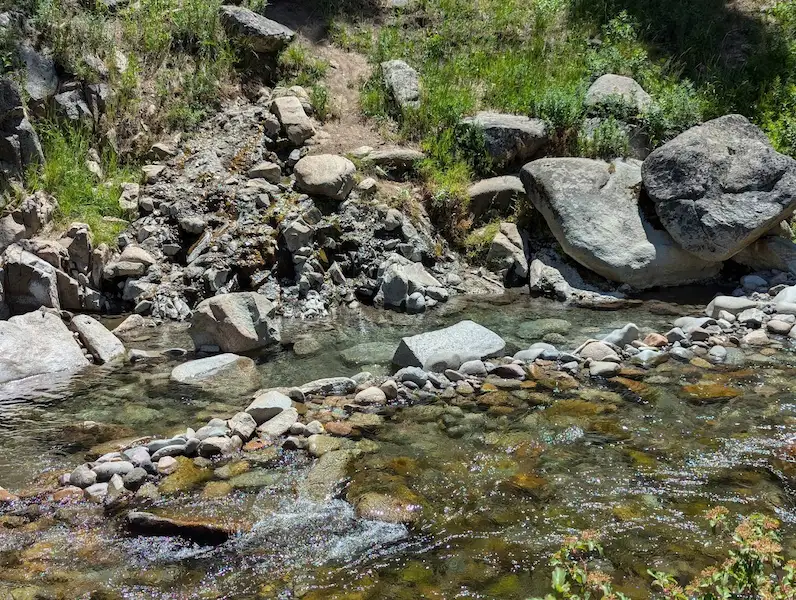
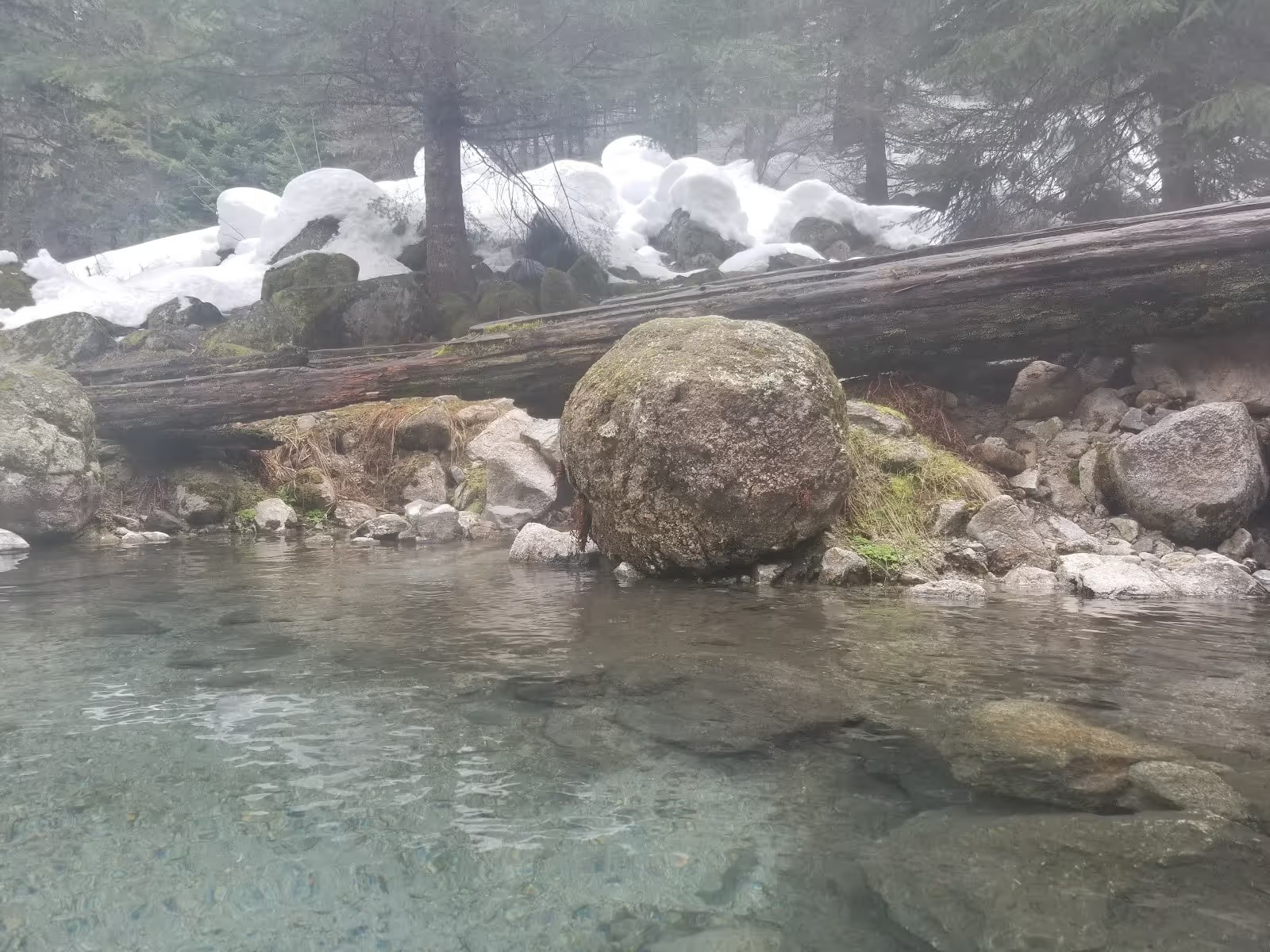
Stanley Hot Springs, Idaho is a series of free, primitive geothermal pools in the Selway-Bitterroot Wilderness, Idaho County, approximately 26 miles east of Lowell along US Highway 12. Despite the name, these springs are not near the town of Stanley in Custer County. The pools form along Huckleberry Creek at approximately 106 degrees Fahrenheit, walled with natural rock and logs. Multiple pools of varying temperatures are scattered in a forested wilderness setting with strong wildlife viewing potential including elk, moose, and bald eagles.
The trail to the springs begins at Wilderness Gateway Campground near milepost 122.5 on US-12, via Trail 211 for approximately 5 miles with a gradual incline. A creek crossing that once had a bridge is now crossed via an improvised log jam and rope structure, requiring careful navigation. No directional signs mark the springs; at both trail forks, hikers continue straight. Primitive camping is permitted around the pools, and Wilderness Gateway Campground at the trailhead provides developed camping at no charge.
For those seeking natural hot springs Idaho offers in a backcountry wilderness setting, Stanley represents one of the more rewarding options accessible from Highway 12, suited to experienced hikers and backpackers.
Location & Access
Getting to Stanley Hot Springs
Stanley Hot Springs is reached from US Highway 12 east of Lewiston. From Lewiston, drive east on US-12 toward Lolo Pass. Past the town of Lowell, continue approximately 26 miles to Wilderness Gateway Campground near milepost 122.5. Trailhead parking is past the A and B loops. There is no parking fee. From Missoula, Montana, drive west on US-12 over Lolo Pass; the campground is approximately 100 miles from Missoula.
From the trailhead, follow Trail 211 (Boulder Creek Trail) for approximately 5 miles with a gradual incline. There are no directional signs pointing to the springs. At both trail forks, continue straight. Approximately half a mile before the springs, a creek crossing is required. The original bridge washed out in 1998-99 and has not been rebuilt. The current crossing uses a log jam with a rope-and-log span for the final section. Do not attempt this crossing during high water.
For those seeking hot springs near Kooskia Idaho along the US-12 Lochsa River corridor, Stanley is one of several wilderness springs accessible from this highway. Cell service is absent along most of US-12 between Kooskia and Lolo Pass. Download offline maps before departing.
The trail is in designated wilderness: no mountain bikes or motorized vehicles. Horses have right-of-way and are common on the trail. Best season is June through October; snowshoe access is possible in winter but the creek crossing is significantly more hazardous.
Suitability & Accessibility
Who Can Visit Stanley Hot Springs
Stanley Hot Springs suits experienced day hikers and backpackers comfortable with a 10-mile round trip on a wilderness trail, an unmaintained creek crossing, and a primitive site with no facilities. The gradual incline makes the hiking portion manageable for fit adults, but the creek crossing and remote location make this unsuitable for young children, visitors with limited mobility, or inexperienced hikers unfamiliar with backcountry conditions.
The site is clothing optional, as is standard for remote backcountry springs. Visitor numbers are moderate from June through October, but the 5-mile hike filters out casual visitors. The wilderness setting requires awareness of wildlife including potential bear and moose encounters.
Primitive camping is permitted in the Selway-Bitterroot Wilderness around the springs, making Stanley a practical destination for backpackers seeking natural hot springs Idaho offers in a protected backcountry area. Wilderness Gateway Campground at the trailhead provides a good base for day hikers who prefer not to camp at the springs.
Dogs are welcome on the trail but should be leashed. The creek crossing is a significant hazard for dogs during high water. No advance permit is required for standard recreational or camping use. Horses have right-of-way on Trail 211; move to the downhill side of the trail and stand quietly when they pass.
Safety & Etiquette
Safety at Stanley Hot Springs
Stanley Hot Springs is a remote backcountry site that presents several real hazards requiring advance preparation. The most significant is the creek crossing approximately half a mile from the springs. The original bridge washed out in 1998-99 and has not been replaced. The current improvised crossing uses a log jam with a rope; during high water from spring runoff through early summer, the crossing can be hazardous or impassable. Do not attempt the crossing if water is running above the logs or if the footing appears unstable. Check conditions with the Clearwater National Forest before departure.
The pool water at around 106 degrees Fahrenheit is comfortable for soaking but always test temperature before entering. Pools vary and some may be hotter than others depending on flow from individual spring sources. Get out of any pool immediately if you feel overheated, dizzy, or lightheaded. The remote location means no medical assistance is available on site.
Wildlife in the Selway-Bitterroot Wilderness includes black bear, elk, moose, deer, and occasional mountain lion. Follow standard bear safety practices throughout the hike and while camping near the springs. Store food properly in a bear canister or hung well away from sleeping areas. The Lochsa River drainage is known for high wildlife activity.
No cell service is available along US-12 between Kooskia and Lolo Pass or at the trailhead and springs. Carry a map, compass, or GPS device that functions without cell service. A personal locator beacon is strongly recommended for overnight trips. Emergency services are based in Kooskia, approximately 50 miles from the trailhead. Inform someone of your itinerary and expected return time before any trip into the Selway-Bitterroot Wilderness.