
Quick FactsOverview
About Sulphur Creek Hot Springs
Sulphur Creek Hot Springs, Washington is a free primitive warm spring in the Glacier Peak Wilderness, Mount Baker-Snoqualmie National Forest, near Darrington in Snohomish County. The spring is currently inaccessible. FSR 26 Suiattle River Road has been closed since December 2025 at mile post 4.5 due to road damage and washout, which requires 22 miles of driving along the road to reach the trailhead. Check fs.usda.gov for current road status before planning any visit.
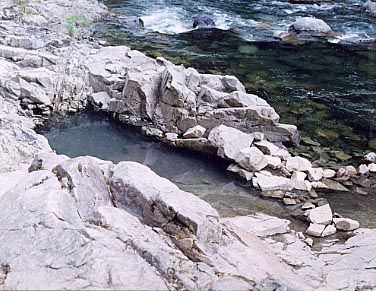
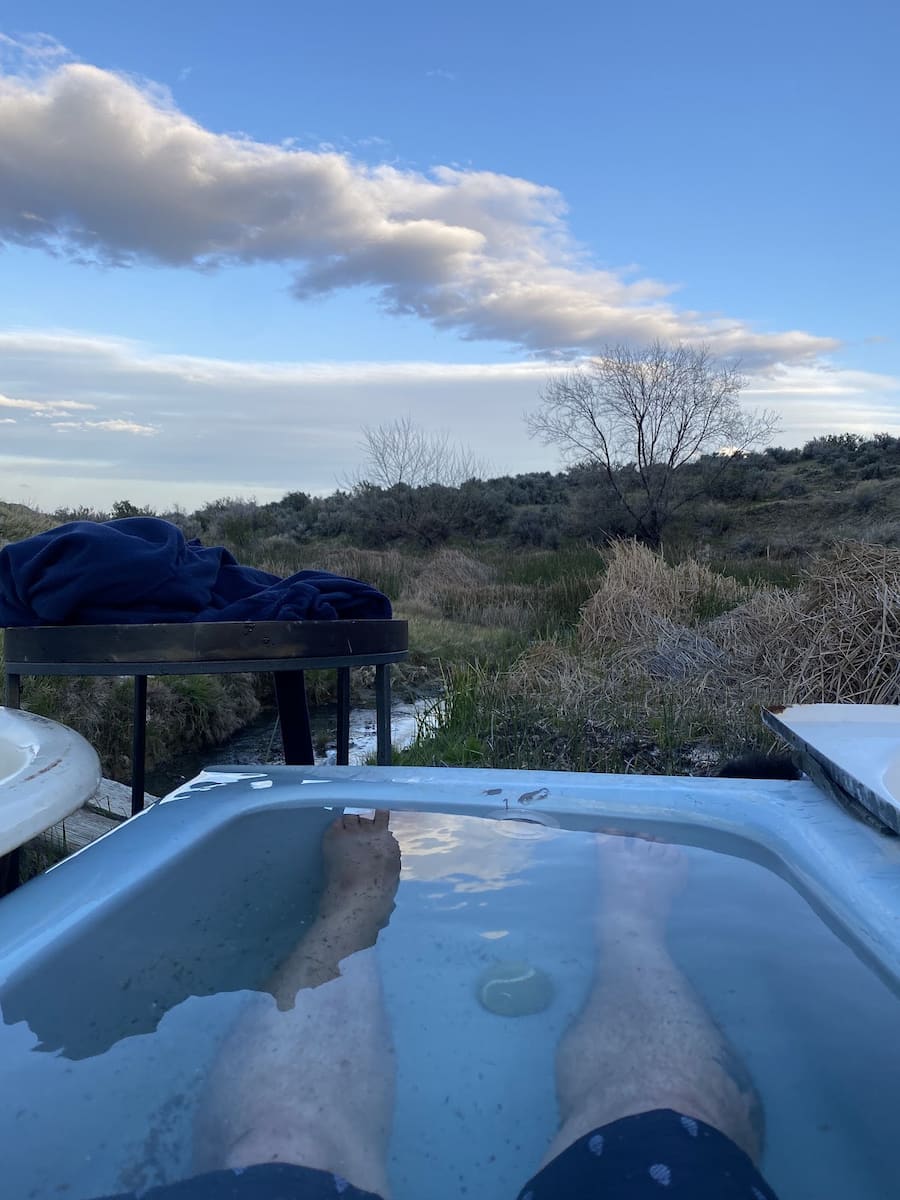
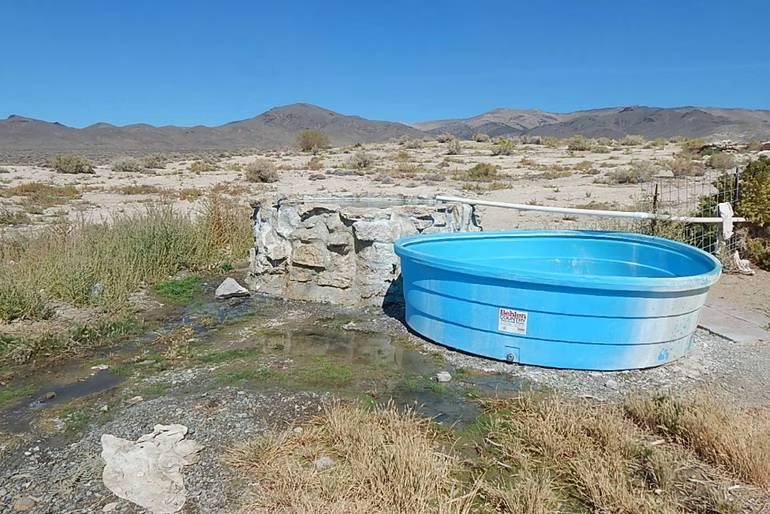
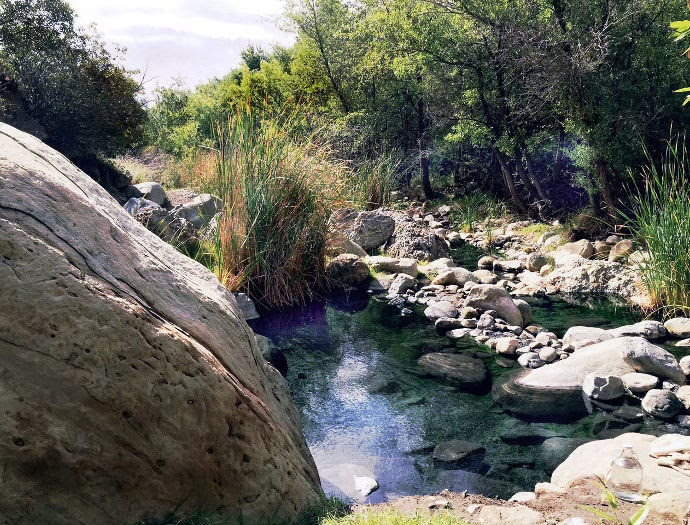
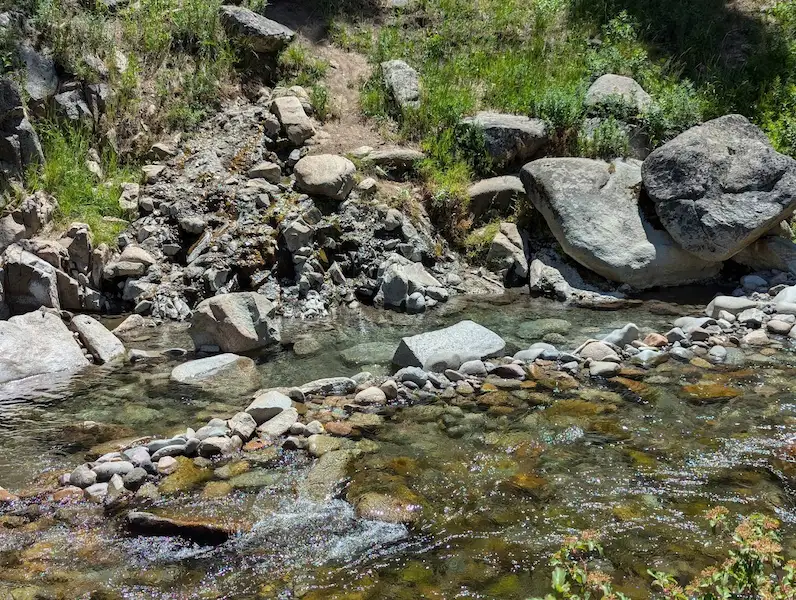
The spring itself is small, fitting two people in approximately 90 degree Fahrenheit water with a mild sulfur smell. It sits in a forested valley along Sulphur Creek within the Glacier Peak Wilderness. The trail to the spring is largely unmaintained and difficult to follow. The 2022 Downey and Suiattle fires caused severe damage to the surrounding forest and trail corridor, leaving extensive deadfall and burn-area hiking conditions. The AllTrails listing for Sulphur Creek Trail 793 is marked closed. A pipe fills the pool and a broom is provided for brushing out the basin before filling. The spring is elusive and difficult to locate even with GPS. Check fs.usda.gov and wta.org for current conditions before visiting once the road reopens.
Location & Access
Getting to Sulphur Creek Hot Springs
Sulphur Creek Hot Springs is currently inaccessible. FSR 26, the Suiattle River Road, has been closed since December 2025 at mile post 4.5 due to road damage and washout. There is no vehicle access to the trailhead until this road is repaired. Check fs.usda.gov and wta.org for current road closure status and projected reopening timelines before planning a visit.
When the road is open, the approach is as follows. From Darrington, drive north approximately 8 miles on State Highway 530 toward Rockport to the junction with Suiattle River Road, Forest Road 26. Turn east and drive approximately 22 to 23 miles along FR 26 to Sulphur Creek Campground. The trailhead for Sulphur Creek Trail 793 is on the north side of the road, directly across from the campground. Park roadside outside the campground without blocking traffic on FR 26. The road is rough and high clearance may be advisable in places. No day use fee is charged at the trailhead. From the trailhead, hike approximately 2 miles one-way with 780 feet of elevation gain to the spring. The trail is largely unmaintained and difficult to follow, particularly after the 2022 fire damage. At approximately 0.7 miles, turn left at a fork. Continue to a log bridge, cross it, and walk upstream approximately 0.1 miles to the pool, watching for stone steps. For those seeking natural hot springs near Darrington Washington, this is the only known warm spring in the area.
Suitability & Accessibility
Suitability and Accessibility of Sulphur Creek Hot Springs
Sulphur Creek Hot Springs is currently inaccessible and cannot be visited. FSR 26 Suiattle River Road has been closed since December 2025 at mile post 4.5. Do not attempt to drive past the closure point. Even when the road is open, this spring is suitable only for experienced hikers comfortable with unmaintained trails, route-finding, and wilderness travel in fire-damaged terrain. The trail involves continuous deadfall from the 2022 fires and is rated as difficult to follow. Multiple visitors have reported turning back within the first half mile due to the density of downed trees.
The spring is not wheelchair accessible and is not family-friendly in its current damaged state. The pool fits two to three people at most. Water temperature is approximately 90 degrees Fahrenheit, cooler than most developed hot springs. The area has no facilities of any kind. Clothing-optional use is the norm. Dogs may be brought on leash but must not be allowed to contaminate the pool. Sulphur Creek Campground is adjacent to the trailhead and provides the nearest camping option when the road is open. A Northwest Forest Pass or Recreation.gov scan-and-pay fee applies at the day-use site beginning June 2025.
This spring is best suited for determined solo hikers or small groups with strong backcountry skills who check current conditions carefully before setting out. For those seeking natural hot springs near Darrington Washington, Baker Hot Springs to the northwest is a more accessible alternative when FSR 26 is closed.
Safety & Etiquette
Sulphur Creek Hot Springs Safety Tips
Sulphur Creek Hot Springs is currently inaccessible. FSR 26 Suiattle River Road has been closed since December 2025 at mile post 4.5 due to road damage. Attempting to drive past the closure is illegal and dangerous. Do not trespass past closure gates. Check fs.usda.gov for current road and trail status and do not visit until the closure is lifted.
When the road and trail reopen, the following hazards apply. The trail passes through the burn zone of the 2022 Downey and Suiattle fires. Burned areas present ongoing hazards including standing dead trees that can fall without warning, unstable root systems, and exposed terrain with no shade. Do not stand beneath dead standing trees. The trail itself involves heavy deadfall requiring repeated over-and-under navigation. Trekking poles and sturdy footwear are essential.
The trail crosses Sulphur Creek and involves a log bridge crossing. Water levels rise significantly during spring snowmelt and after heavy rain, making the crossing difficult or impassable. The spring is difficult to locate even with GPS. Bring a printed map and offline navigation. Cell service is absent along FR 26 and at the trailhead. The spring has a mild sulfur smell. Water temperature is approximately 90 degrees Fahrenheit. Test the water before entering as temperature can vary with conditions.
Bears and other wildlife are present throughout the Glacier Peak Wilderness and the surrounding national forest. Store food in a bear canister or use wildlife-proof containers. Do not leave food unattended at the trailhead. Pack out all waste. The nearest emergency services are in Darrington, approximately 30 miles from the trailhead by road when FR 26 is open.