Quick FactsOverview
About Tenakee Hot Springs
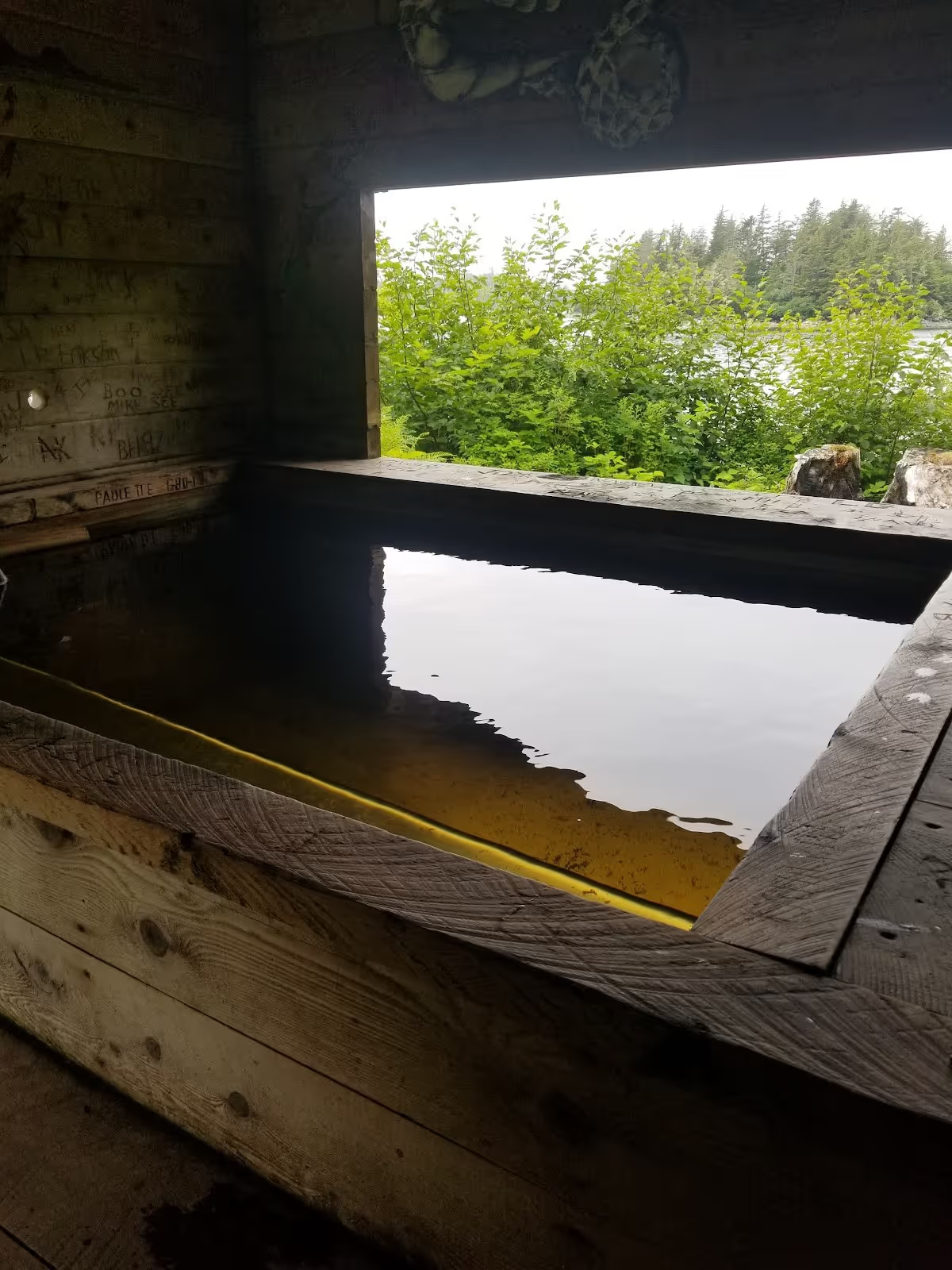
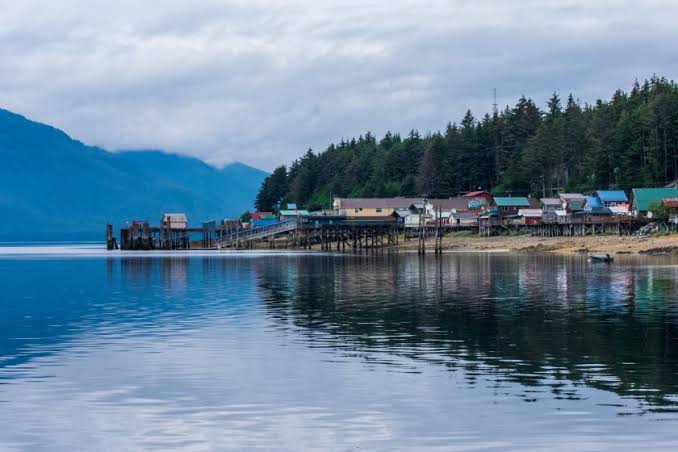
Tenakee Hot Springs, Alaska is a natural mineral spring enclosed in a community bathhouse at the center of the small town of Tenakee Springs on Chichagof Island, in the Inside Passage of Southeast Alaska. The town sits on the north shore of Tenakee Inlet, approximately 45 miles southwest of Juneau. The bathhouse is a public facility maintained by a volunteer committee and is open around the clock to both residents and visitors, with no mandatory entry fee. The spring water flows continuously through the tub at a rate of seven gallons per minute, keeping the water fresh without treatment.
The Tlingit people used the springs at Tenakee for generations before outside settlers arrived, calling the hot spring Daay Axa. Miners and fishermen began wintering here in the 1880s and 1890s, drawn by the therapeutic mineral water. A bathhouse was established by 1895, and the current tub room dates to 1939, built by the Civilian Conservation Corps. The facility was restored and upgraded in 2012, with the changing room now heated by residual geothermal water cycling through the walls. The result is a warm, simply built space that functions as both a community resource and one of the most distinctive free hot springs in Alaska accessible from Juneau.
The bathhouse tub measures roughly six feet by nine feet and five feet deep. Water temperature holds at approximately 105 degrees Fahrenheit, consistent year-round. The water has a high pH and mineral content, with a dissolved solids value consistent with a sodium-type spring. Bathing is nude and clothing is not permitted inside the tub. Separate hours are set for men and women throughout the day and night. The bathhouse is located across from the Tenakee Springs Market on the town's single unpaved main trail, which runs along the shoreline.
Location & Access
Getting to Tenakee Hot Springs
Tenakee Springs has no road connection to the rest of Alaska. All visitors arrive by water or air. The Alaska Marine Highway System operates ferry service to Tenakee Springs from Juneau and Sitka, making it one of the most straightforward ferry-accessible destinations in Southeast Alaska. The ferry crossing from Juneau takes several hours and runs on a regular schedule, though service frequency varies by season. Visitors should book ferry passage in advance, particularly in summer months.
Floatplane service from Juneau operates multiple times daily in summer and once or twice daily in winter. The flight takes approximately 30 minutes. The seaplane base in Tenakee Springs is located adjacent to the town dock. Private boats and charter vessels can also reach the town via Tenakee Inlet from Chatham Strait. For visitors looking for hot springs near Juneau Alaska by floatplane, Tenakee is among the most accessible options in the region, with scheduled air service rather than expensive charter-only access.
Once in Tenakee Springs, the bathhouse is a short walk from the ferry dock and seaplane base. The town has no cars or trucks. A local ordinance prohibits wheeled motor vehicles, so visitors move through the community on foot or by bicycle. The bathhouse is right in the center of town, across from the market. There is no need to navigate or hike. The Tongass National Forest surrounds the community and offers hiking trails that begin at the edges of town for visitors who want to extend their stay beyond the springs.
Suitability & Accessibility
Who Tenakee Hot Springs Suits
Tenakee Hot Springs is well suited to visitors who enjoy small Southeast Alaska communities and do not mind simple, communal facilities. The bathhouse is a working part of daily life in Tenakee, not a resort amenity. Many residents have no showers at home and rely on it entirely. Visitors who approach it with that understanding, as a genuine community resource they are welcome to share, tend to enjoy it far more than those who arrive expecting a conventional spa experience.
The nude bathing policy and gender-separated hours are firm. There are no exceptions. Visitors of all genders are welcome during their respective scheduled hours, and the alternating schedule runs continuously through the day and night. Adults who are comfortable with communal nude bathing will find the experience relaxed, warm, and genuinely restorative. The water is untreated mineral water that flows constantly through the tub, which keeps it clean and fresh. As one of the more accessible free hot springs near Juneau Alaska that requires no backcountry travel, Tenakee is a practical option for visitors traveling the Inside Passage by ferry or floatplane.
Families with young children should be aware that the nude bathing policy applies to all bathers and that the gender-separated hours are the governing framework for the facility. The bathhouse is not a family swimming pool. Visitors who prefer mixed-gender or clothed soaking should choose a different destination. Solo travelers and couples traveling together will need to use the facility during their respective scheduled hours separately. The Tenakee Hot Springs Lodge, nearby cabin rentals, and the Tongass National Forest trails make Tenakee a comfortable multi-day destination for the right visitor.
Safety & Etiquette
Safety at Tenakee Hot Springs
The bathhouse at Tenakee is the safest hot spring environment in this guide in terms of physical risk. The facility is enclosed, maintained by the local committee, and located in the center of a small community. The water temperature holds around 105 degrees Fahrenheit, which is warm enough to require pacing but not high enough to cause rapid overheating in most adults. Limit soak time to 20 to 30 minutes, exit if you feel dizzy or light-headed, and drink water before and after soaking. The changing room is heated by residual spring water cycling through the walls, so you will not emerge into a cold shock.
The bathhouse rules are straightforward: clothing is not permitted in the tub, shoes must be removed before entering, and visitors are expected to rinse off before entering the water. The volunteer committee that maintains the facility depends on donations to cover upkeep and repairs. Contributing to the donation box is not legally required but is strongly encouraged and is the norm among both locals and visitors. The facility is funded entirely by these contributions.
The main safety consideration for a trip to Tenakee Springs is the journey itself. Ferry travel in Southeast Alaska can be delayed by weather, mechanical issues, or schedule changes. Floatplane service is subject to fog and low ceilings, which are common in this part of the Inside Passage, particularly in autumn and winter. Build extra time into any itinerary and do not plan connections that depend on a specific departure time from Tenakee. Cell service is limited or absent in Tenakee Springs.
Brown bears are present in the Tongass National Forest surrounding the town. They are not typically encountered on the main trail through town, but hikers heading into the forest on the trails at the edge of town should carry bear spray and make noise in areas of dense vegetation. The inlet shoreline and nearby streams attract bears during salmon runs. Exercise normal bear awareness if exploring beyond the town core.
The ferry dock and seaplane base can be slippery in wet weather, as is typical throughout Southeast Alaska. The main trail through town is unpaved and can be muddy. Wear appropriate footwear. The community uses the trail for walking, bicycling, and occasional ATV travel, so be attentive to traffic on the narrow path.