Quick FactsOverview
About Terme di Sirmione
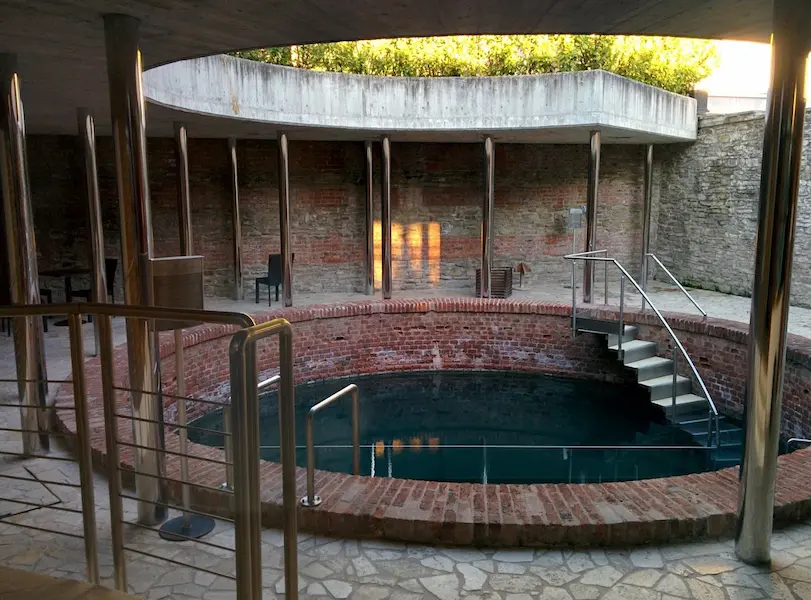
Terme di Sirmione, Italy is a thermal spa complex located at the tip of the Sirmione peninsula on the southern shore of Lake Garda in the province of Brescia, Lombardy. The facility draws its water from the Boiola spring, a natural underwater thermal source that rises from beneath the lake bed at 69 degrees Celsius. The spring water is classified as sulphurous salso-bromo-iodic, meaning it is rich in sulphur, sodium chloride, bromine, and iodine. Terme di Sirmione is one of the most recognized terme in Italy, with a bathing tradition dating to the early 1900s.
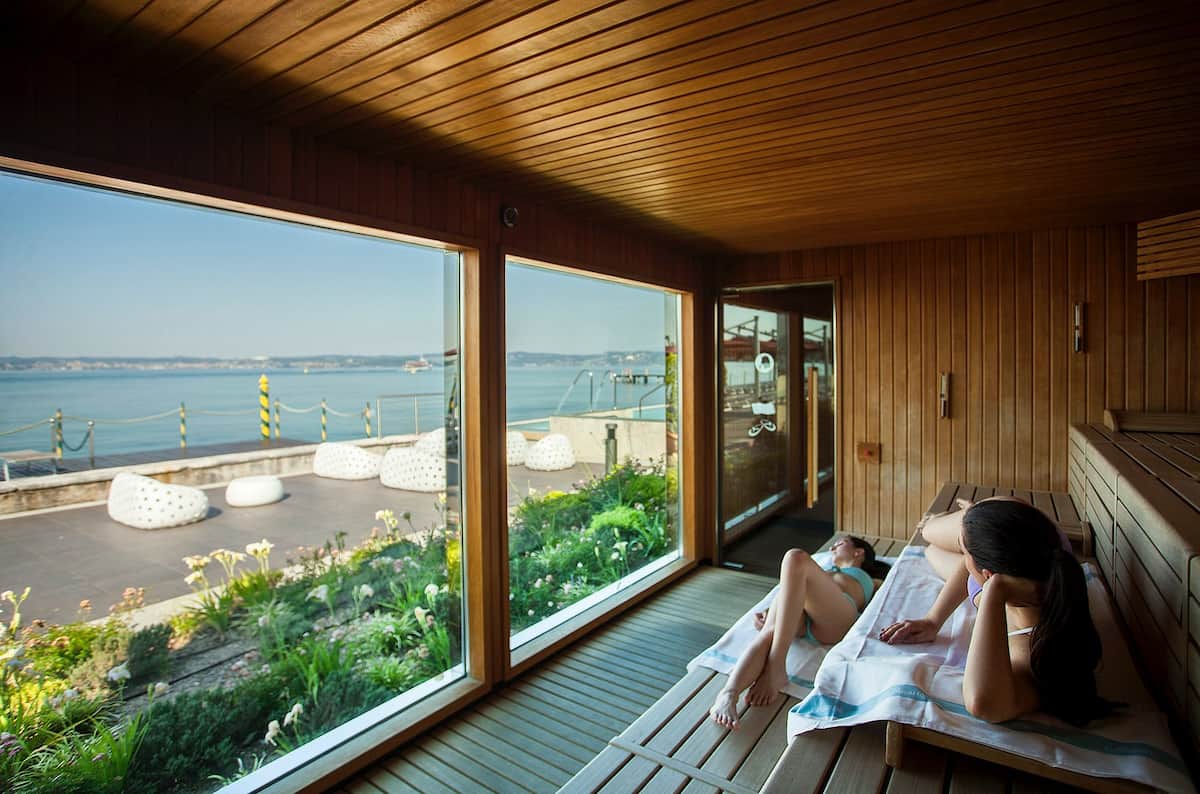
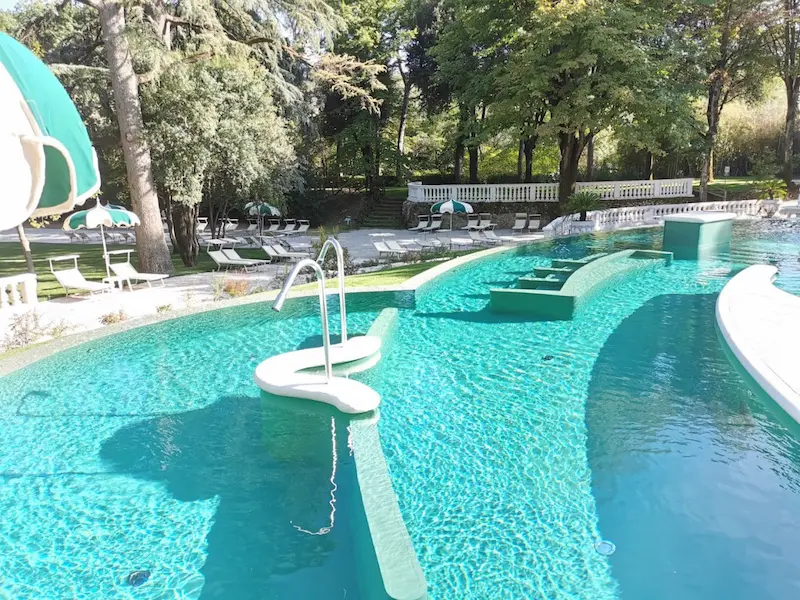
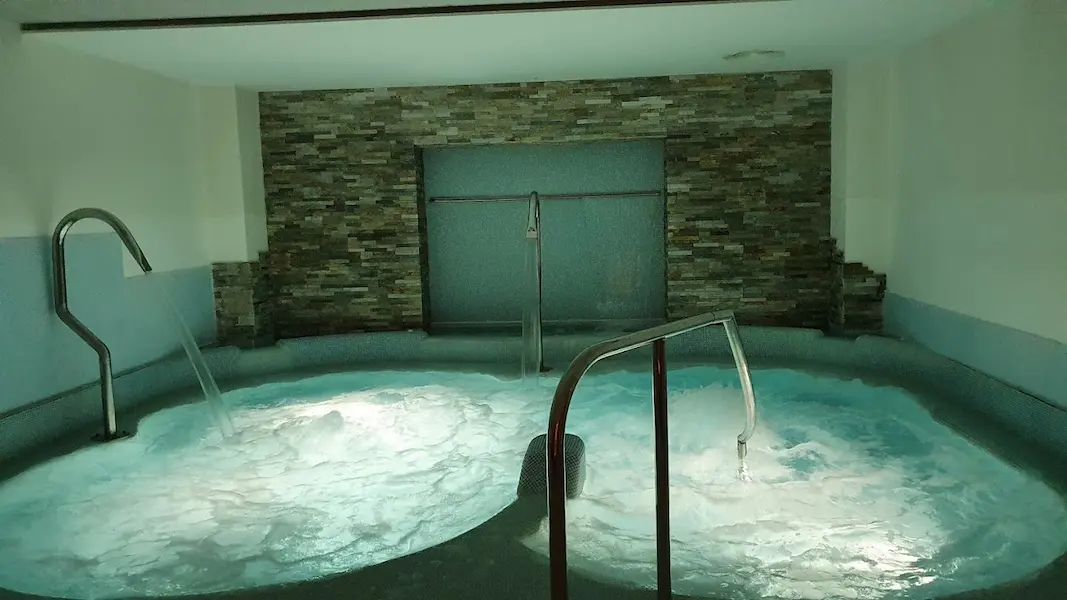
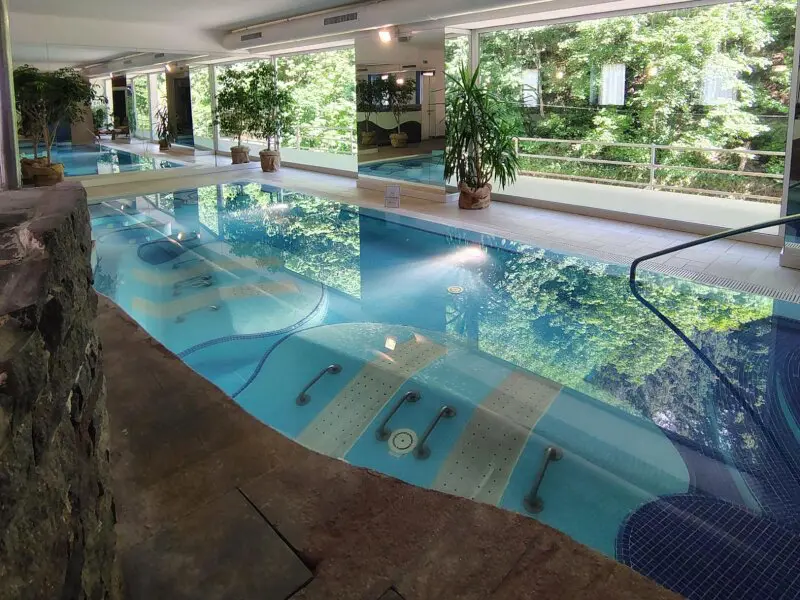
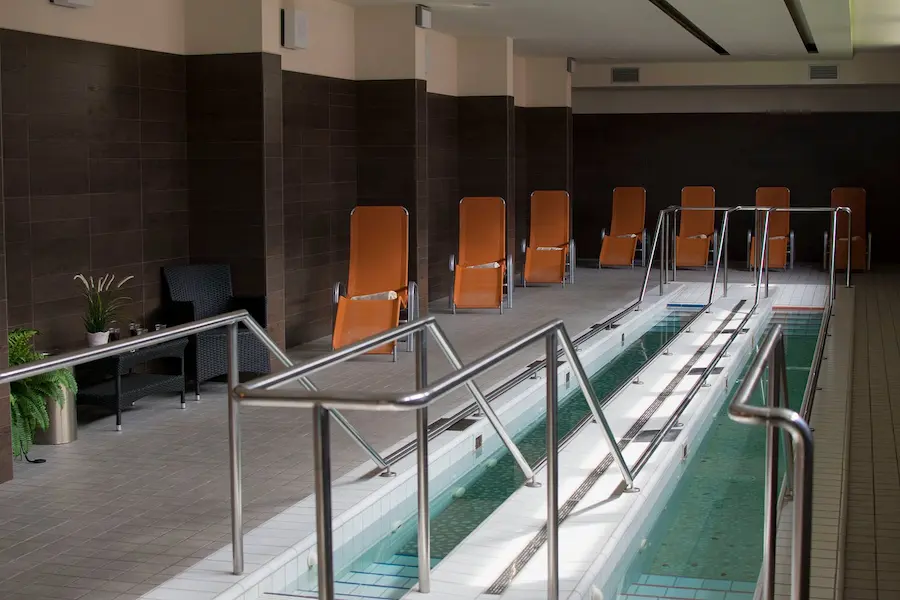
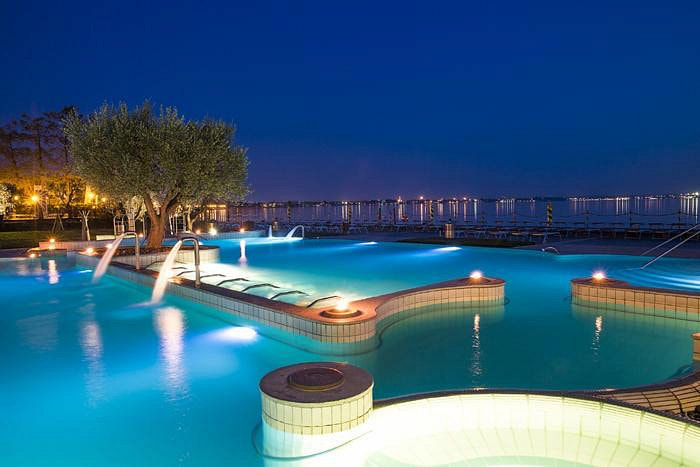
The SPA and Thermal Garden is located in the heart of the Sirmione old town near the Scaligero Castle and covers over 10,000 square meters. It includes heated outdoor and indoor thermal pools, whirlpool baths, Finnish saunas, steam rooms, and relaxation areas with panoramic views of Lake Garda. The thermal water is used in treatments for respiratory conditions, skin disorders, and musculoskeletal pain, and many treatments can be prescribed under Italy's national health service. The Boiola spring was first documented in 1546 and was rediscovered by a Venetian diver in 1889, marking the start of modern thermal tourism in Sirmione. The terme tradition here is deeply rooted in Italian bathing culture and therapeutic practice.
Location & Access
Getting to Terme di Sirmione
Terme di Sirmione is located at Piazza Don A. Piatti 1 in the historic center of Sirmione, on the narrow peninsula that extends into the southern shore of Lake Garda. The spa is a 10 to 15 minute walk through the old town from the mainland entrance, just past the Scaligero Castle. No hiking is required, as the route follows paved pedestrian streets through the village.
Directions to Terme di Sirmione
By car, take the A4 motorway (Milan to Venice) and exit at Sirmione. Follow signs to the old town (centro storico) and park at the Monte Baldo public car park, approximately 700 meters from the village entrance. The walk from the car park through the pedestrian area takes about 15 minutes. By train, the nearest stations are Desenzano del Garda and Peschiera del Garda, both connected to Sirmione by the ARRIVA LN026 bus line. During summer, ferry service operated by Navigazione Laghi connects Sirmione to other Lake Garda towns. The spa is open daily, with extended hours on Friday and Saturday evenings. For visitors looking for hot springs near Sirmione, the SPA and Thermal Garden is the primary public thermal bathing destination on the peninsula. Advance booking is recommended, especially during summer weekends and holiday periods, as the facility can reach capacity. Day passes provide timed access to the thermal pools and sauna areas, with treatments available for additional fees.
Suitability & Accessibility
Who Should Visit Terme di Sirmione
Terme di Sirmione suits visitors seeking an authentic Italian bagno termale experience combined with the scenic setting of Lake Garda. The facility appeals to couples, wellness travelers, and visitors exploring northern Italy who want to incorporate a thermal bathing stop into their itinerary. Families with children are welcome, though the atmosphere is oriented toward relaxation and quiet enjoyment. The thermal water has documented therapeutic properties and is used by both leisure visitors and patients referred by physicians for treatment of respiratory and musculoskeletal conditions.
Accessibility at Terme di Sirmione
The SPA and Thermal Garden is a modern facility within the historic center of Sirmione. Visitors with mobility concerns should note that the walk from the car park to the spa passes through pedestrian streets with some uneven surfaces and occasional steps. Contact the facility in advance to discuss specific access needs within the spa complex. The facility provides robes and towels, and lockers are available for personal belongings. For those seeking family hot springs near Sirmione, the thermal pools offer a controlled, well maintained environment, though families with very young children should confirm age policies when booking. The thermal baths Italy tradition of combining health treatment with leisure bathing is fully represented at Terme di Sirmione, making it a meaningful destination for visitors interested in both wellness and Italian cultural heritage.
Safety & Etiquette
Terme di Sirmione Safety Tips
Terme di Sirmione is generally safe and operates as a professionally managed thermal spa with trained staff present throughout. The thermal pool water is maintained at 34 to 36 degrees Celsius (93 to 97 degrees Fahrenheit), which is warm but not intensely hot, making it comfortable for most visitors. The sulphurous mineral water has a noticeable odor that is normal and expected. Guests should hydrate during their visit, take breaks between sauna sessions, and limit time in the Finnish sauna, where temperatures can reach 60 to 90 degrees Celsius. Visitors with cardiovascular conditions, skin sensitivities, or who are pregnant should consult a physician before using the thermal water or saunas.
Visitor Etiquette at Terme di Sirmione
Swimsuits are required in all pool and sauna areas. The atmosphere is quiet and relaxed, and guests should keep noise to a minimum in the thermal garden and relaxation zones. The facility has recommended dwell times for each pool and treatment area, which are posted on signage and should be followed for comfort and safety. Photography may be restricted in certain areas, so guests should check with staff. The spa operates on a timed admission system, and guests should arrive on time to make the most of their session. The on-site solarium, a lakeside jetty, provides a space for sunbathing and relaxation between pools. Food and beverages are available at the spa bar. Parking in Sirmione is limited during peak season, so arriving early or using public transport is advised. Among the terme in Italy, Terme di Sirmione is distinguished by its lakeside setting, the depth and mineral richness of the Boiola spring, and its long history as a center for thermal therapy recognized within the Italian national health system.