Quick FactsOverview
About Thermopylae Hot Springs, Greece
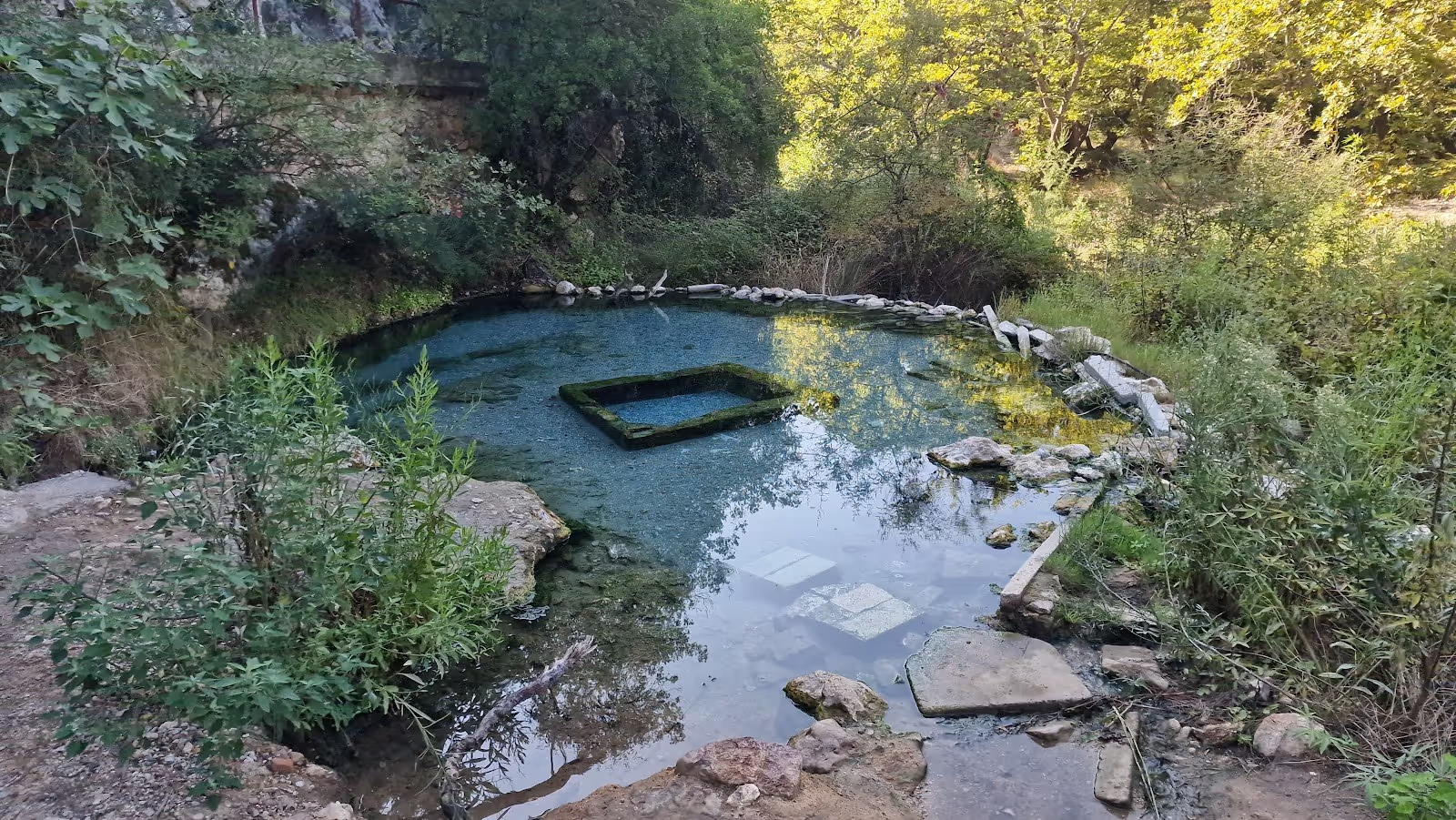
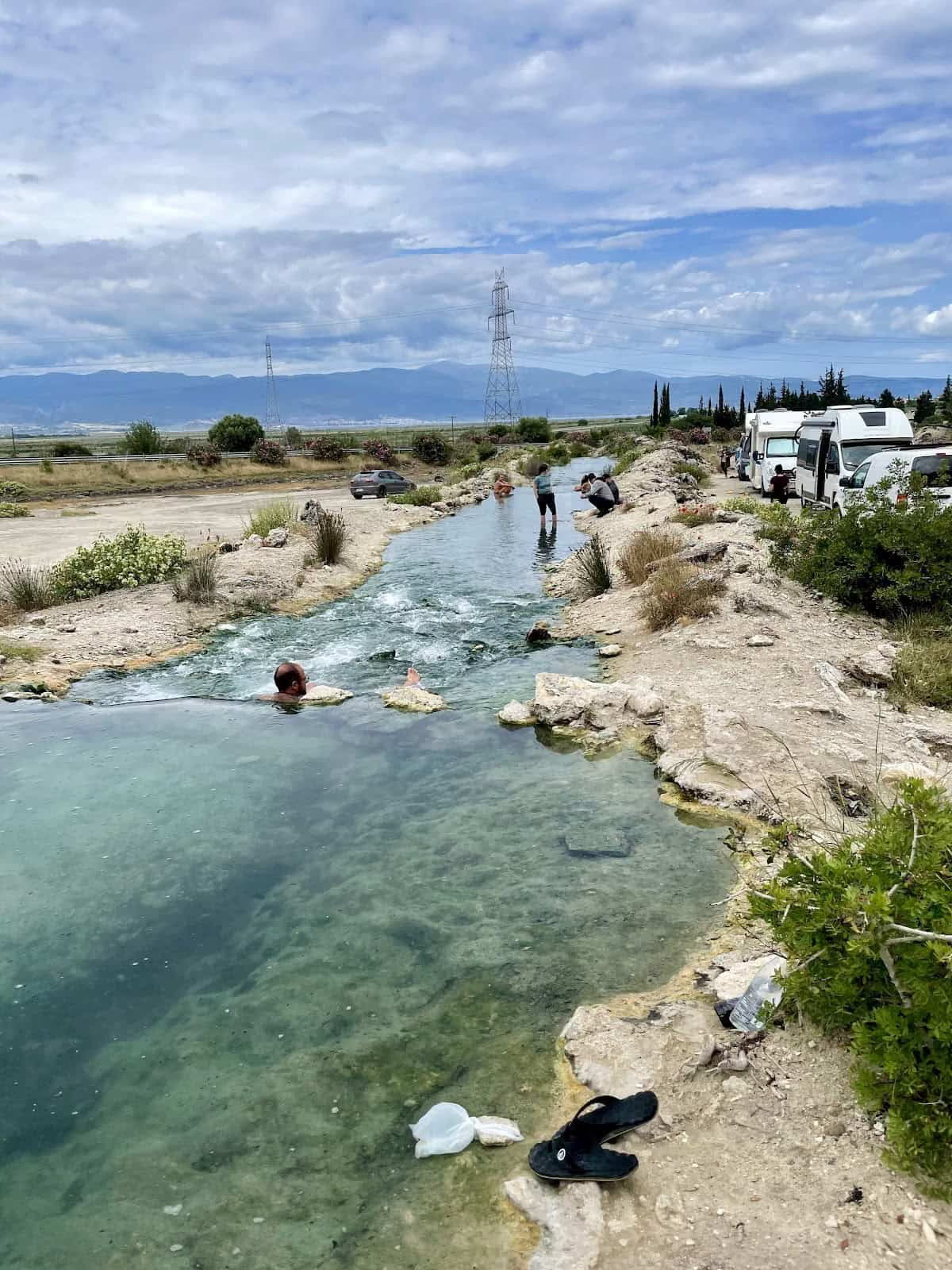
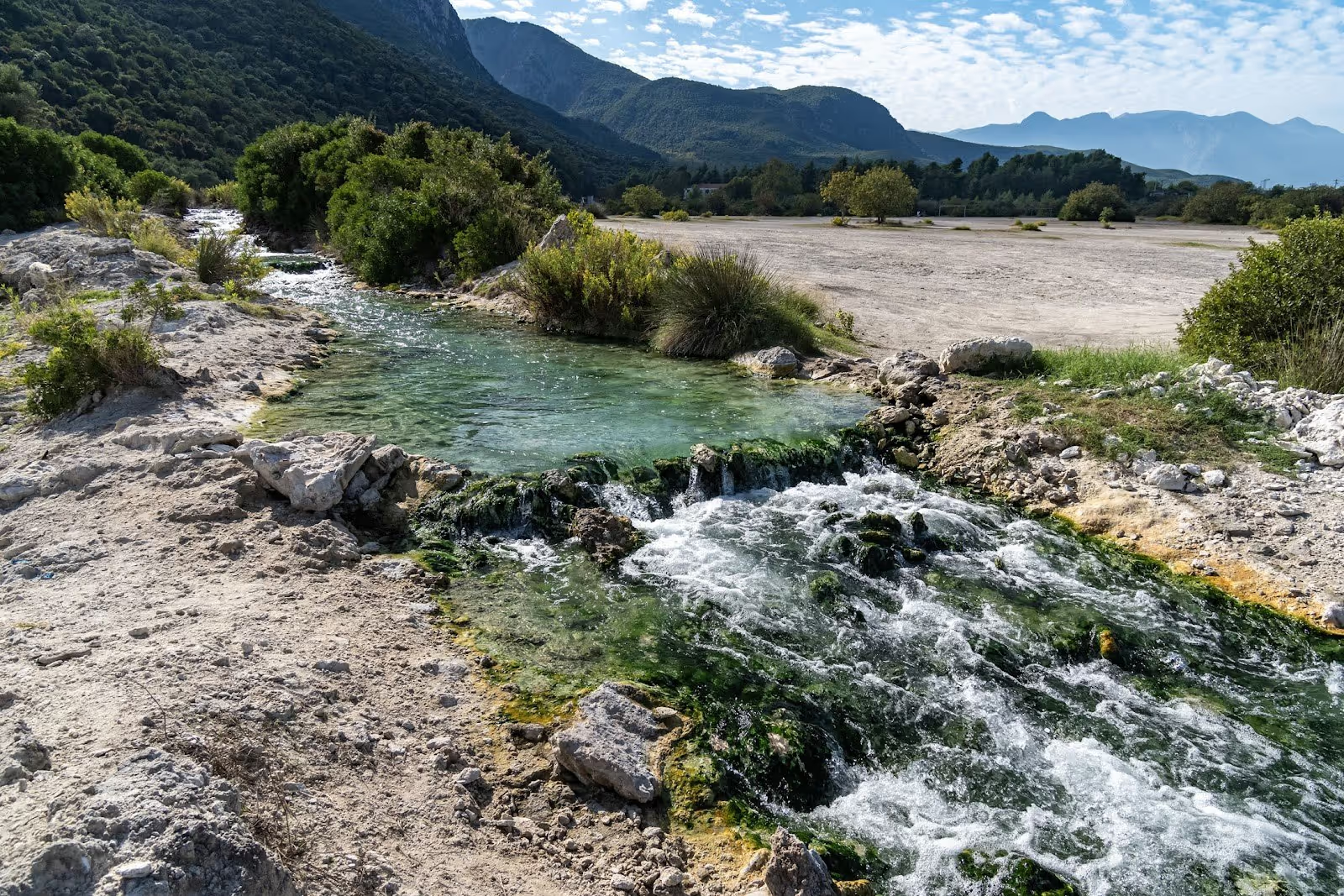
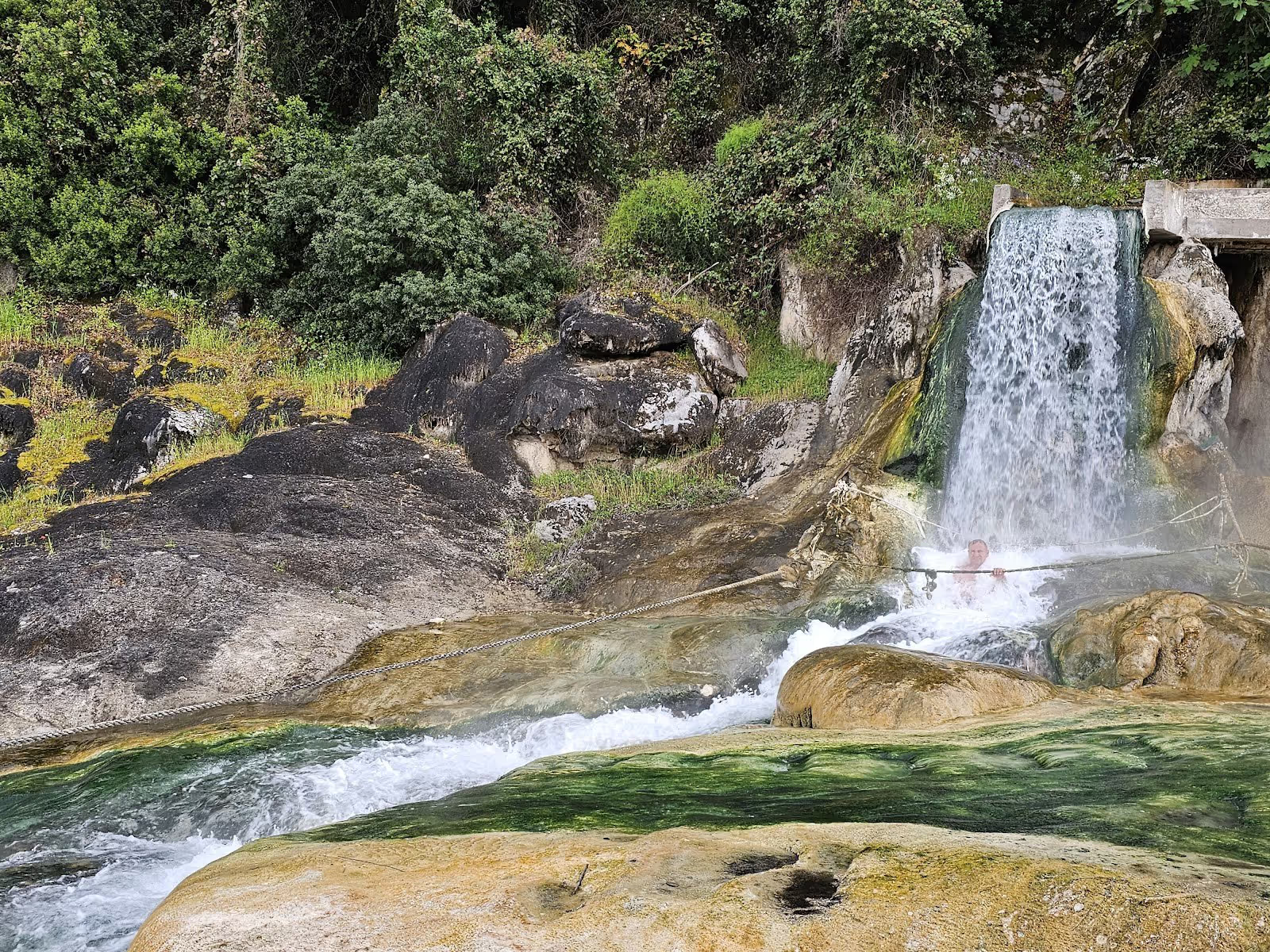
Thermopylae Hot Springs, Greece are free, unmanaged sulfur springs at the foot of Mount Kallidromo in the Phthiotis region of Central Greece, roughly 16 kilometers from Lamia. The name Thermopylae translates as Hot Gates, a direct reference to these springs, which have flowed here since antiquity and gave the famous pass its name. The water rises naturally from the base of the mountain and collects in shallow pools among the rocks, carrying a noticeable sulfur smell and leaving yellow and white mineral deposits on surrounding surfaces.
The springs sit directly opposite the Leonidas monument and the Thermopylae historical information centre. This makes the site one of the most historically layered therma loutra locations in Greece. The terrain has changed substantially over millennia through river sedimentation and mineral buildup, but the water continues to emerge in the same area as during the Battle of Thermopylae in 480 BC. Several bathing spots are scattered along the hillside, with the pools nearest the source tending to be warmest.
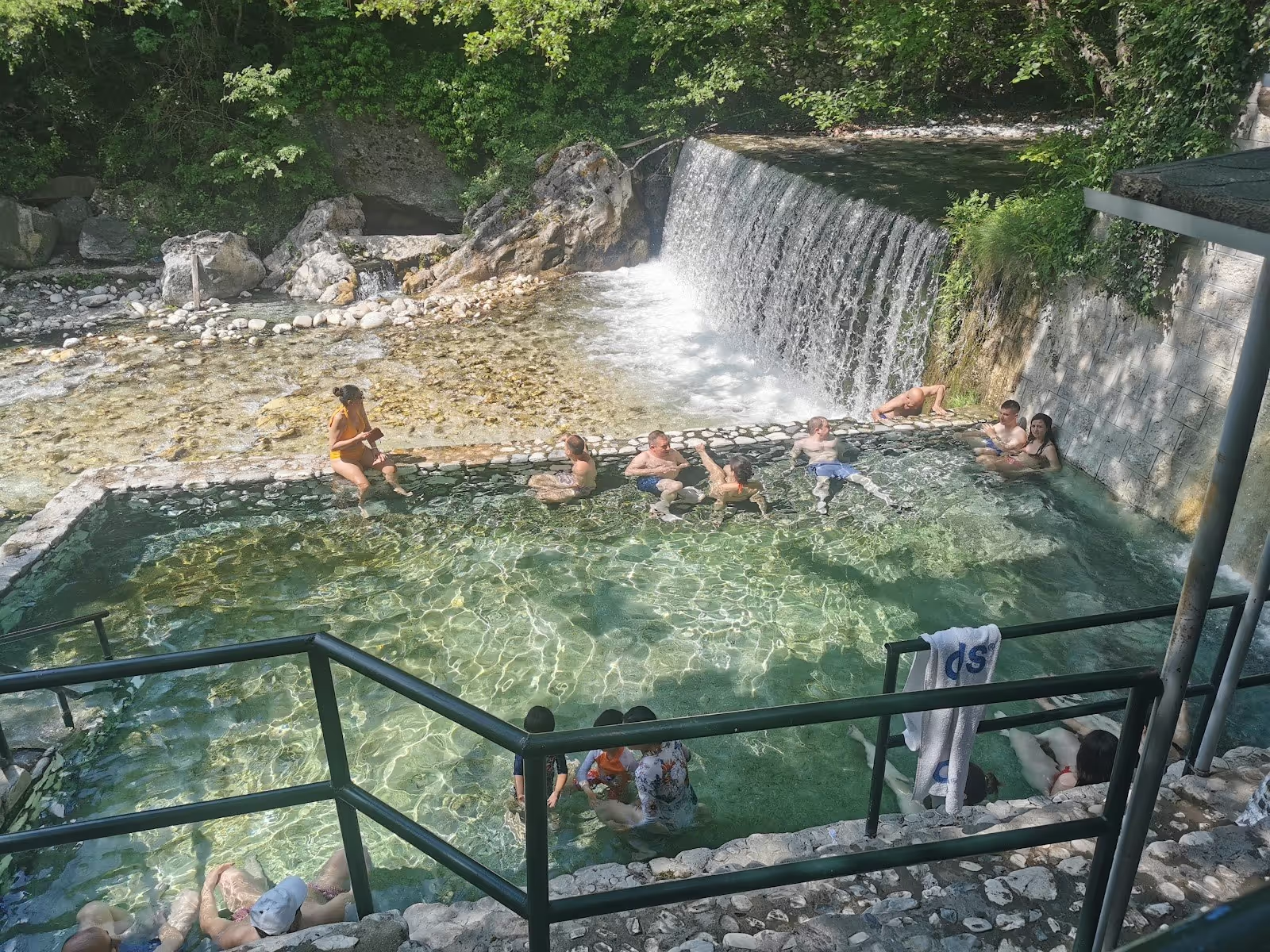
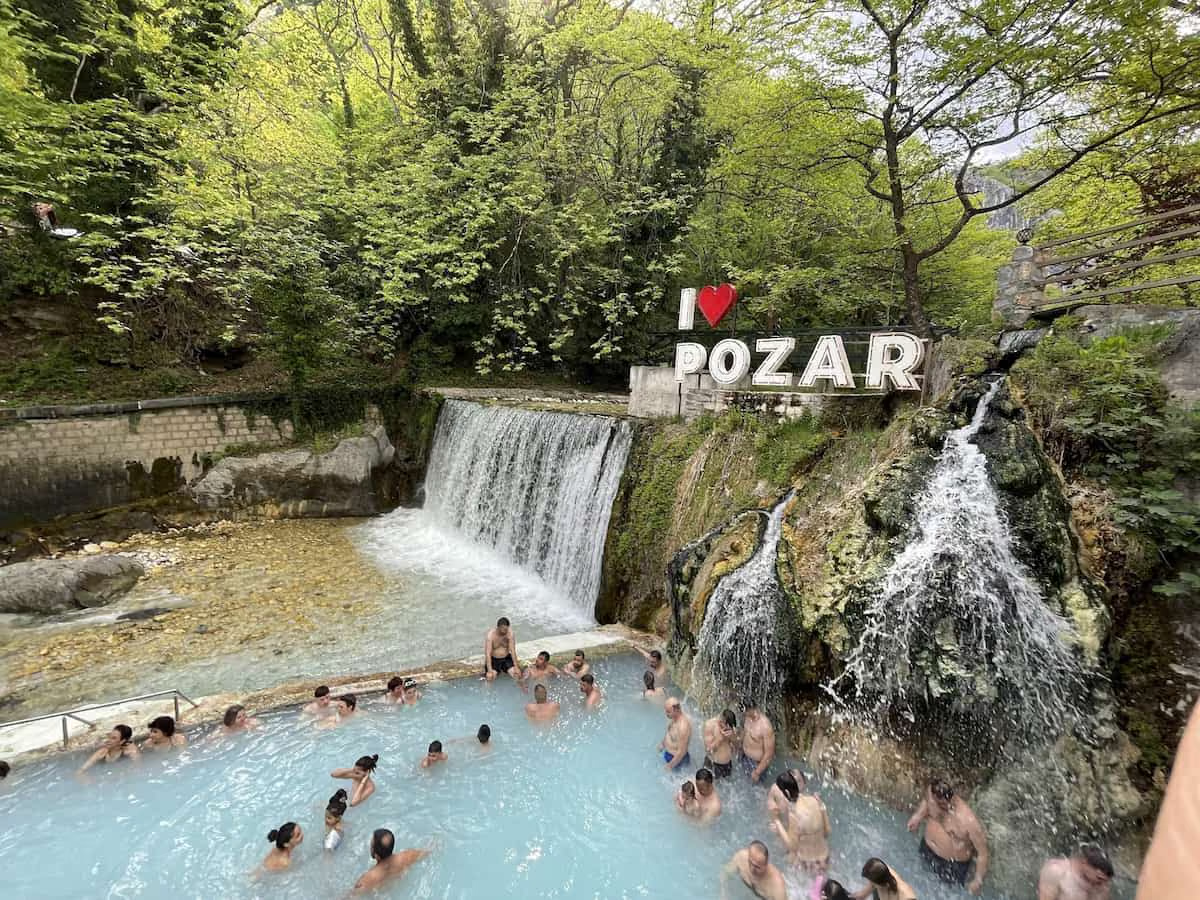
Hot springs near Lamia at this level of road access are rare. The site is entirely unmanaged with no constructed pools, no entry gates, no toilets, no changing rooms, and no staff. Visitors self-select spots along the rocky terrain and soak at their own discretion.
Location & Access
Getting to Thermopylae Hot Springs
Thermopylae Hot Springs are located directly off the A1 motorway (E75) linking Athens and Thessaloniki, approximately 215 kilometers north of Athens and reachable in just over two hours by car. Take the Thermopylae exit and follow the old national road toward the Leonidas monument; the springs are visible from the road and parking is available informally on the roadside. No hiking is required. The walk from the parking area to the pools covers only a few dozen meters of rocky ground.
From Lamia, the nearest city at approximately 16 kilometers, the drive takes around 20 minutes. Public buses connect Lamia to Athens with stops near Thermopylae, but reaching the springs requires a taxi or rental car from Lamia. For visitors traveling the Athens-Thessaloniki corridor, the springs make a practical roadside stop combined with the Leonidas monument and the historical centre. Hot springs near Lamia at this level of direct access are uncommon in Central Greece.
The site is accessible at all hours with no managed entry. Parking is informal and unpaved. The approach to the pools crosses rocky uneven terrain, and water shoes or sandals with grip are useful at the poolside where mineral deposits make surfaces slippery. No signage marks the best bathing spots, but the main pools are usually identifiable by steam rising from the source and by the presence of other visitors.
Suitability & Accessibility
Who Thermopylae Hot Springs Suits
Thermopylae Hot Springs suit independent adult travelers comfortable with unmanaged natural settings, particularly those with an interest in history combining the springs with a visit to the nearby Leonidas monument and Thermopylae battlefield site. The springs are not suitable for wheelchair users or visitors with mobility limitations, as the terrain from the road to the pools is rocky and uneven, and poolside surfaces are slippery with mineral deposits that require careful footing throughout the visit.
The springs are not recommended for families with young children. The site is entirely unmanaged, there is no lifeguard, and the combination of hot water and irregular slippery rock presents genuine risk for small children. Older teenagers with good physical confidence can manage the site, but the environment rewards caution. The therma loutra character of this spring is entirely informal; visitors assess conditions themselves and soak at their own discretion.
For solo travelers and small groups comfortable with undeveloped natural settings, the springs offer a distinctive experience unlike any organized hot spring facility in Greece. Natural hot springs in Greece of this historical significance are rare, and the combination of ancient thermal activity and battlefield heritage makes Thermopylae unlike any other site in the country. A short daylight visit with practical expectations is the best approach: bring a towel, water, water shoes, and a change of clothes, and treat the stop as a brief soak rather than a full day out.
Safety & Etiquette
Safety at Thermopylae Hot Springs, Greece
Thermopylae Hot Springs are manageable for attentive adults but require care, as the site is unmanaged with no safety infrastructure. The rocky surfaces around the pools are coated in mineral deposits that make them slippery when wet. Moving between pools or adjusting position should be done slowly. Water nearest the source can be very warm, and testing before settling into a spot is sensible. Keep soaking sessions to a reasonable length and drink water before and after, as outdoor heat dehydrates more quickly than expected.
The site sits beside the main A1 motorway. While the springs are set slightly back from the road, the traffic context means visitors should be alert when parking and approaching on foot. Arriving and departing in daylight is strongly recommended. At night, uneven terrain, slippery rock, and no lighting make the site genuinely hazardous. If the water looks discolored or the area is heavily littered, skip the soak on that visit.
There is no management and no security at the springs. Apply standard caution regarding personal belongings and trust your read of the crowd before settling in. Respectful behavior is expected: no soap or shampoo in the water, no litter, and no moving rocks to redirect flow. Visit earlier in the day for quieter conditions and safer footing.
There are no changing rooms, toilets, or facilities at the site. Plan accordingly: arrive prepared with a towel, water, water shoes, and a dry set of clothes kept in your vehicle or bag.

%252C%2520Greece%25205.avif)
%2C%20Greece.avif)