Quick FactsOverview
About Tolovana Hot Springs
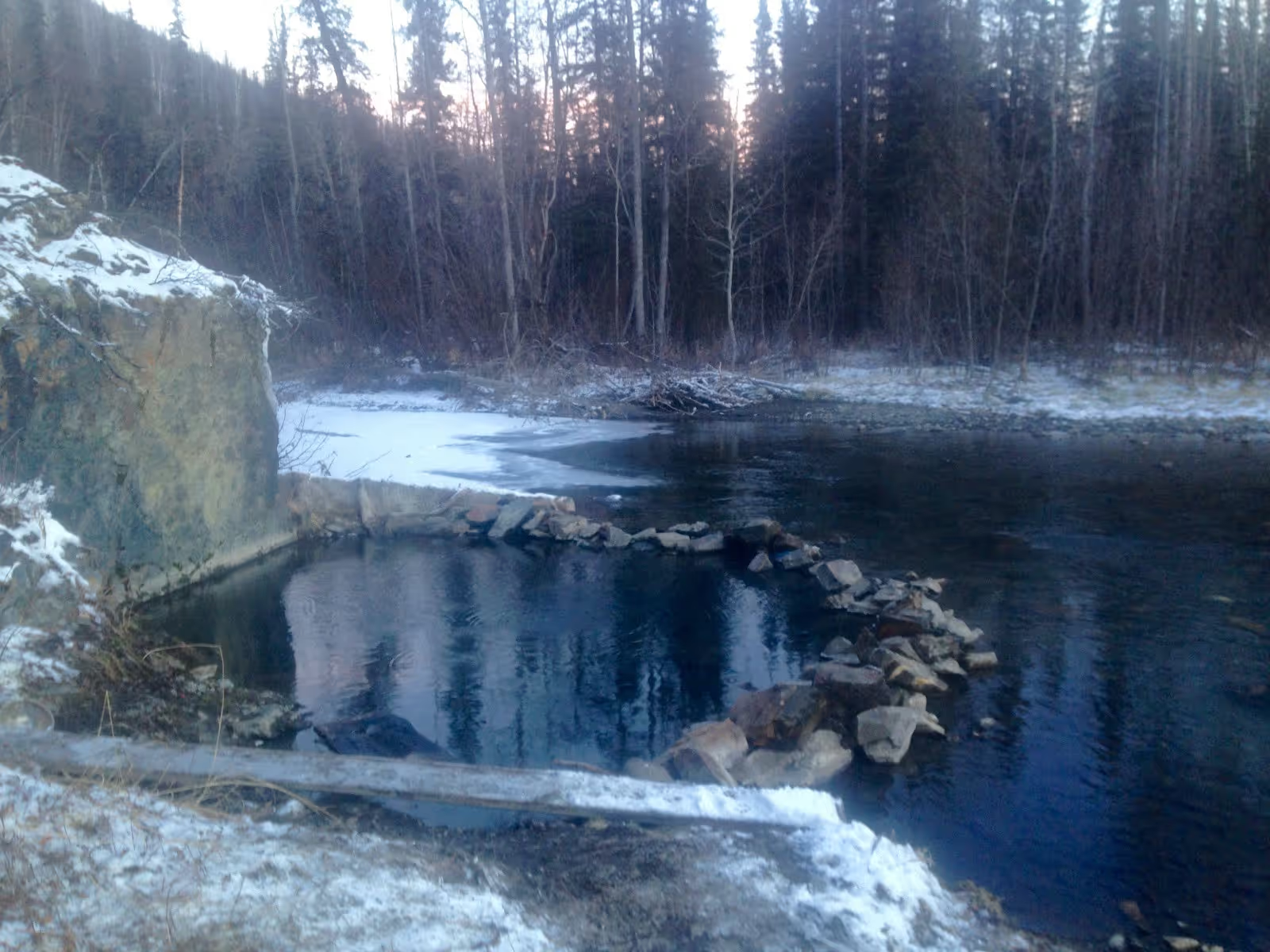
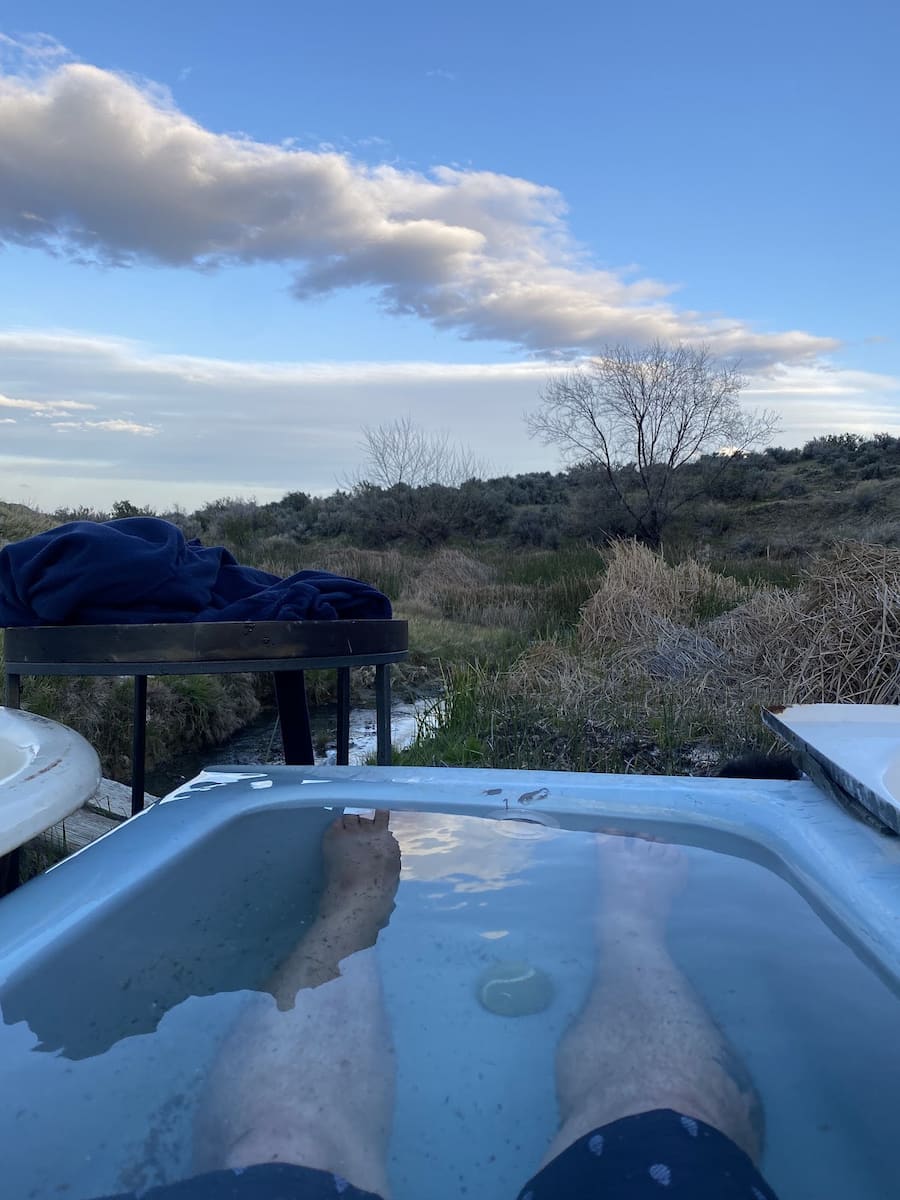
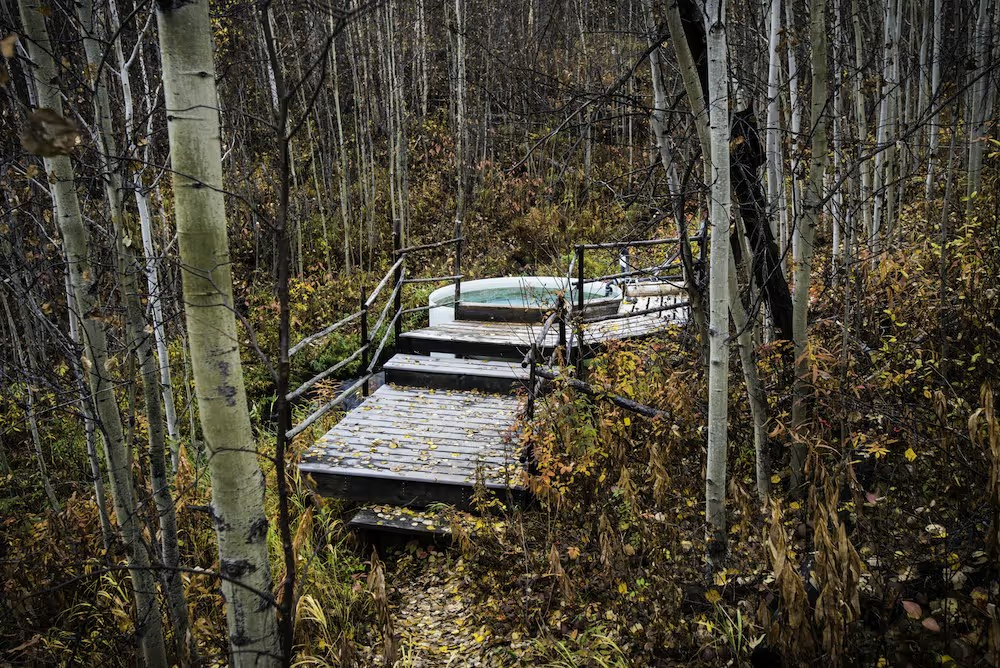
Tolovana Hot Springs, Alaska is a privately operated geothermal site in the Tolovana River valley, approximately 100 road miles northwest of Fairbanks at the end of an 11-mile backcountry trail from milepost 93 of the Elliott Highway. The springs sit at roughly 1,400 feet elevation on the southeast slope of Tolovana Hot Springs Dome, in a clearing of grasses, mint, and low vegetation above the surrounding boreal forest. Three wooden soaking tubs, each set on a small deck and fed by continuously flowing natural spring water, are spaced approximately 200 feet apart along the slope.
The springs have been known to travelers in the interior since at least the early twentieth century and were documented by the U.S. Geological Survey under that name in 1906. Today the site is operated by a private company, Tolovana Hot Springs Ltd., which maintains three rental cabins and charges a day-use fee for visitors who do not rent overnight accommodation. Reservations are required and must be made in advance. The hot spring water flows from natural seeps at temperatures between roughly 125 and 145 degrees Fahrenheit, cooling as it channels into the tubs. The water has a salinity close to that of seawater and a neutral pH, with low sulfur content. The setting produces clear, relatively odorless soaking water in three natural hot springs in Alaska that can be reached without a charter flight.
The trail and site experience are markedly different by season. Winter visitors travel by ski, snowshoe, snowmachine, or dog sled across a packed and well-marked route through open boreal forest and over the dome. Summer visitors face a demanding hike through wet tundra, swampy sections in the lower valley, and a significant summit crossing with substantial elevation gain and loss. The site is one of the more popular backcountry hot spring destinations in the interior, particularly in winter, because it is reachable without expensive air access from Fairbanks.
Location & Access
Getting to Tolovana Hot Springs
The main year-round approach follows the 10.1-mile trail from the parking area at milepost 93 of the Elliott Highway, which is approximately 100 road miles from Fairbanks. The trail crosses the 2,316-foot summit of Tolovana Hot Springs Dome and descends steeply into the river valley on the far side. Elevation gain across the route is substantial and the descent to the springs is steep. In winter the trail is typically well packed from snowmachine traffic and marked with mile markers, making it the most reliable route. In summer, the lower section involves swampy ground and can require waders through wet tundra. Those planning a summer hike should prepare for muddy conditions, high insect activity, and the possibility of slow travel through the marsh sections near the trailhead.
A public airstrip one mile south of the springs connects by a short established trail, making bush plane drop-off a faster alternative for those with access to a charter or private aircraft. Winter-only alternative routes include a 26-mile trail starting near Livengood at milepost 74, following the historic Livengood-Dunbar Sled Road, and a 50-mile route from Murphy Dome Road near Fairbanks. For visitors searching for hot springs near Fairbanks Alaska that require a genuine wilderness journey rather than a simple day outing, Tolovana is the most prominent option accessible from the highway system without a floatplane.
Reservations are required and can be made up to three months in advance through Tolovana Hot Springs Ltd. Day-use visitors and cabin guests both need confirmed bookings before arriving at the trailhead. The Alaska State Troopers occasionally issue travel advisories for extreme cold weather that can result in the Elliott Highway being closed, which would block all trailhead access. Visitors should check current road conditions and weather forecasts before committing to a departure date in winter. No emergency communication or on-site personnel are available at the springs.
Suitability & Accessibility
Who Tolovana Hot Springs Suits
Tolovana Hot Springs suits backcountry travelers with the physical fitness and wilderness skills to complete an 11-mile trail crossing a 2,300-foot mountain dome in boreal Alaska conditions. The winter version of the trip attracts the widest range of visitors because the packed trail is navigable for fit hikers, skiers, snowshoers, and snowmachiners, and the cold air enhances the pleasure of a warm soak. Summer trips are genuinely more demanding due to the swampy approach section, heavy insects, and the need to carry full backcountry gear in the absence of trail maintenance on all sections.
Three cabins of varying size and comfort level are available for overnight rental, and the day-use tubs are available to visitors who hike in without booking a cabin. The site is popular enough that planning ahead matters, particularly for weekends in winter. Groups planning to travel by snowmachine should be aware of trail regulations on the Elliott Highway corridor and confirm current access conditions before departure. The three natural hot springs in Alaska at this site flow continuously, so all three tubs are available to all visitors regardless of cabin reservation, giving day-trippers the same soaking access as overnight guests.
Families with young children are not well suited to Tolovana. The trail is classified as challenging by AllTrails with approximately 4,700 feet of cumulative elevation gain over the round trip. Summer travel involves long, wet, buggy conditions that are difficult for children. Winter travel in extreme cold is not appropriate without extensive experience. Solo travelers should be particularly careful given the absence of emergency communication at the site. All visitors, whether day-use or overnight, should inform someone in Fairbanks of their itinerary and expected return time before heading down the trail.
Safety & Etiquette
Safety at Tolovana Hot Springs
The most significant safety risk at Tolovana Hot Springs is the combination of remoteness and the absence of any emergency communication or on-site help. There is no cell service, no satellite phone at the cabins, and no way to call for assistance from the springs themselves. Every visitor must carry a personal locator beacon or satellite communicator. This is not optional at a site that is 11 miles from the trailhead and 100 road miles from the nearest city. Any injury or medical event must be managed on site until help can reach you, which will take many hours at minimum.
The Elliott Highway can be closed by the Alaska State Troopers under extreme cold weather advisories. In severe winters this can strand visitors at the trailhead or prevent planned access. Monitor the highway conditions daily when planning a winter trip and build significant buffer into your itinerary. If the highway closes after you have set out, you may not be able to drive back to Fairbanks until conditions improve. Plan a contingency and ensure someone in Fairbanks knows to check on you if you do not return as scheduled.
The spring water at Tolovana reaches the surface at temperatures between 125 and 145 degrees Fahrenheit. The water is piped into the wooden tubs where it flows continuously, but the heat at the source can be very high. Do not place hands or feet near the incoming pipe before testing the outflow temperature carefully. Soap is not permitted in the tubs. Soak in rounds of 15 to 20 minutes, take breaks, and drink water consistently. Dehydration in cold weather is easy to overlook because you do not feel as thirsty as you would in summer heat.
Bears are present in the Tolovana River valley. The trail crosses open alpine terrain and dense boreal forest, and the lower valley areas near the springs have documented bear activity. Carry bear spray and keep it accessible at all times during the hike. At the springs, store all food inside the cabins or in a bear-resistant container. Do not leave food or scented items on the deck areas near the tubs.
The two steep descent sections on the trail require careful footing in any season. In summer, wet rock and mud make the descents slippery. In winter, packed snow over steep terrain can be hard to control on the way down. Use trekking poles on the summer route and appropriate traction devices in winter. The summit area of Tolovana Hot Springs Dome is above treeline and exposed to wind and weather. Conditions on the dome can be significantly harsher than conditions at the trailhead, particularly in winter and early spring.