Quick FactsOverview
About Troy Spring
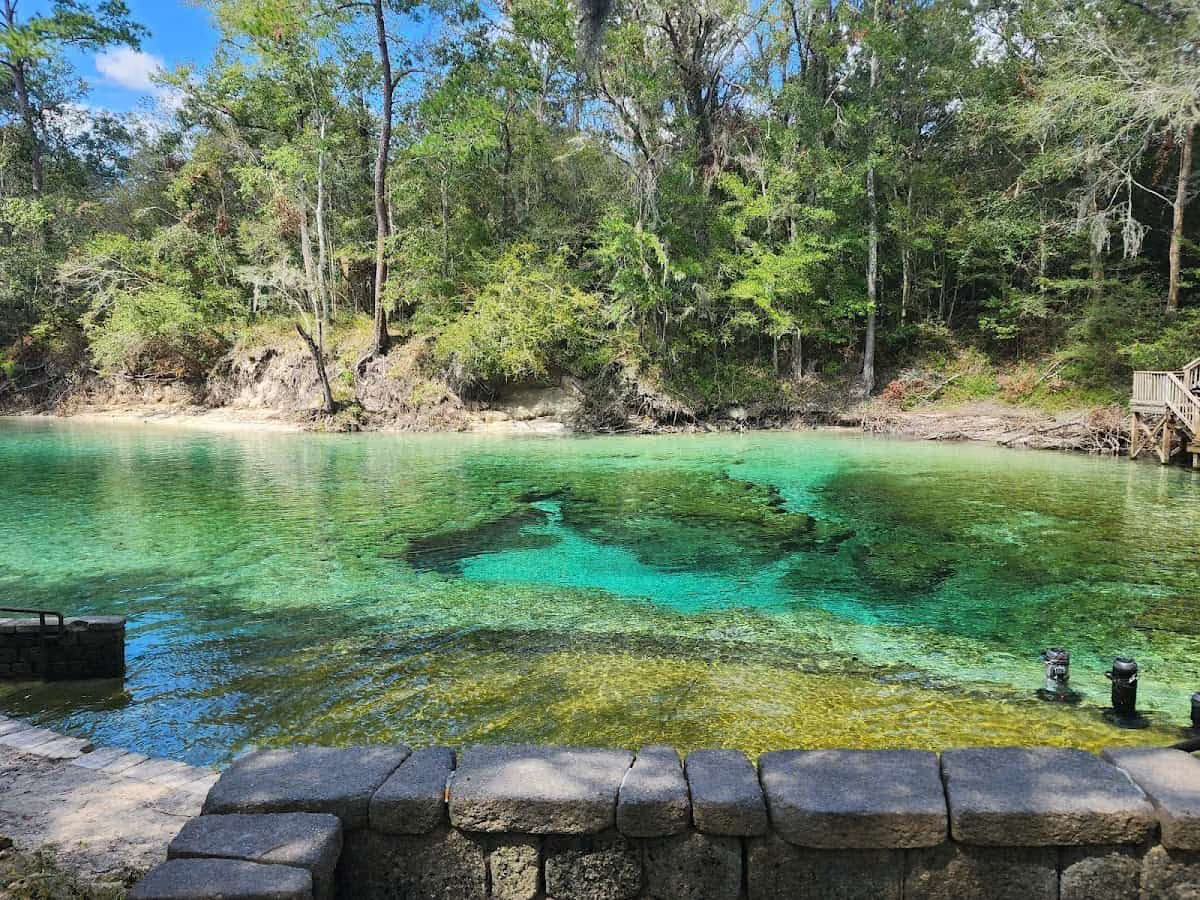
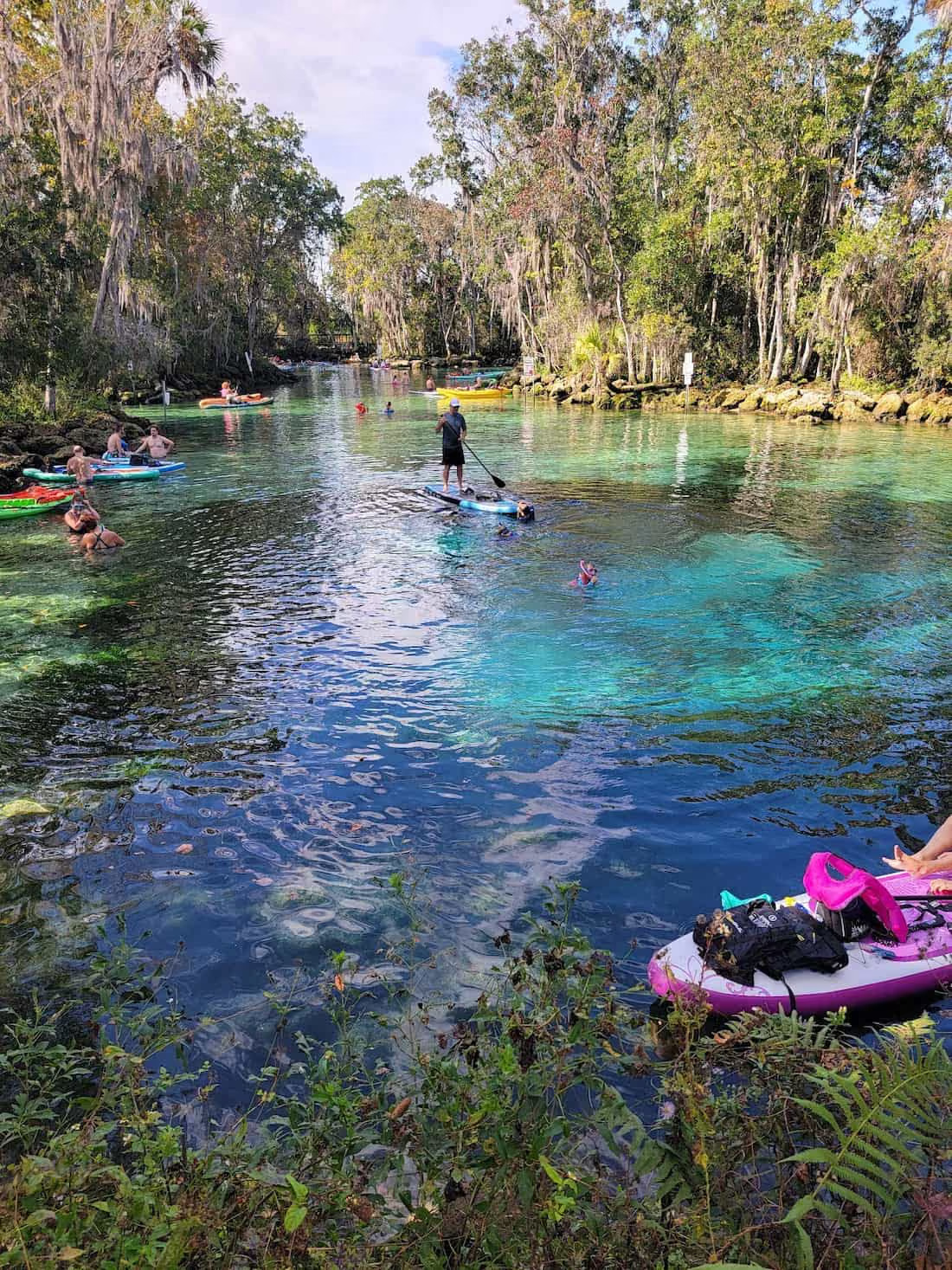
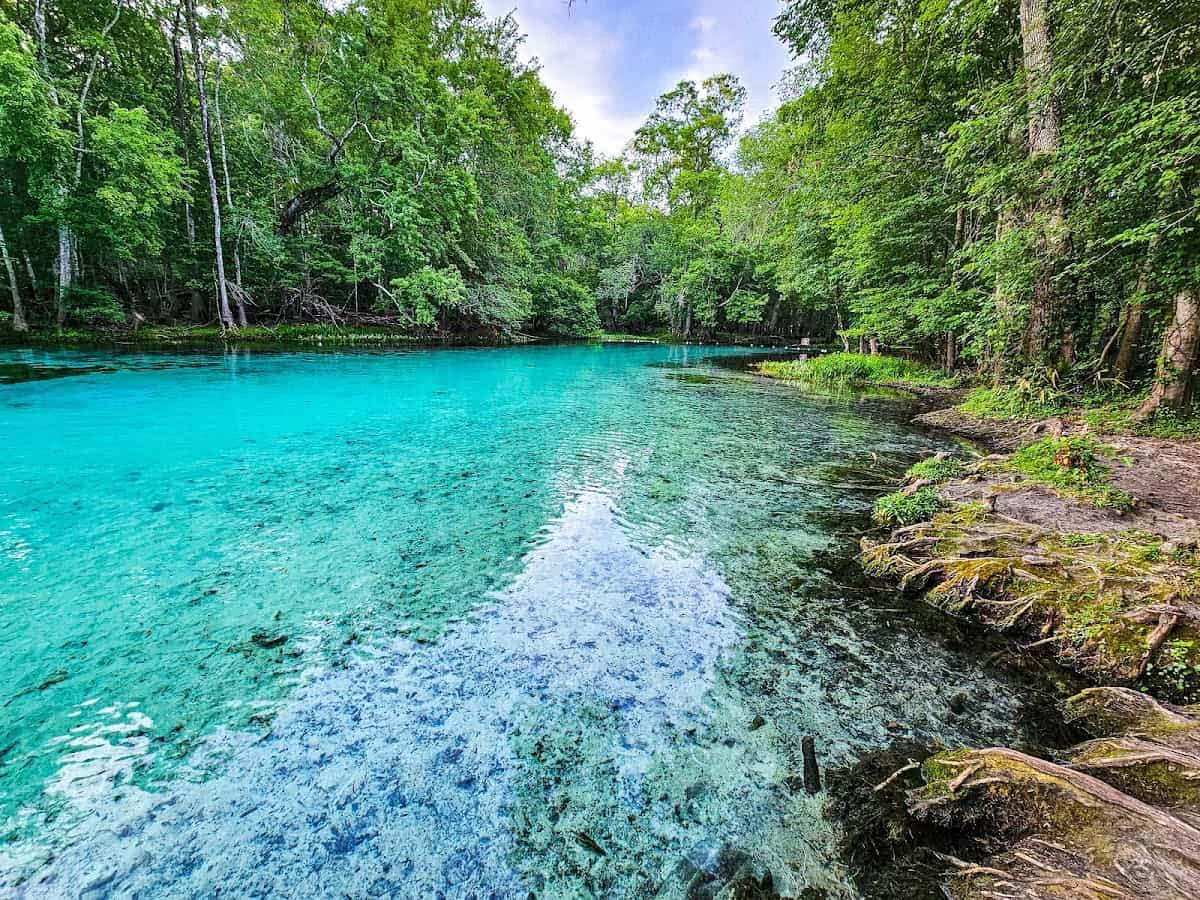
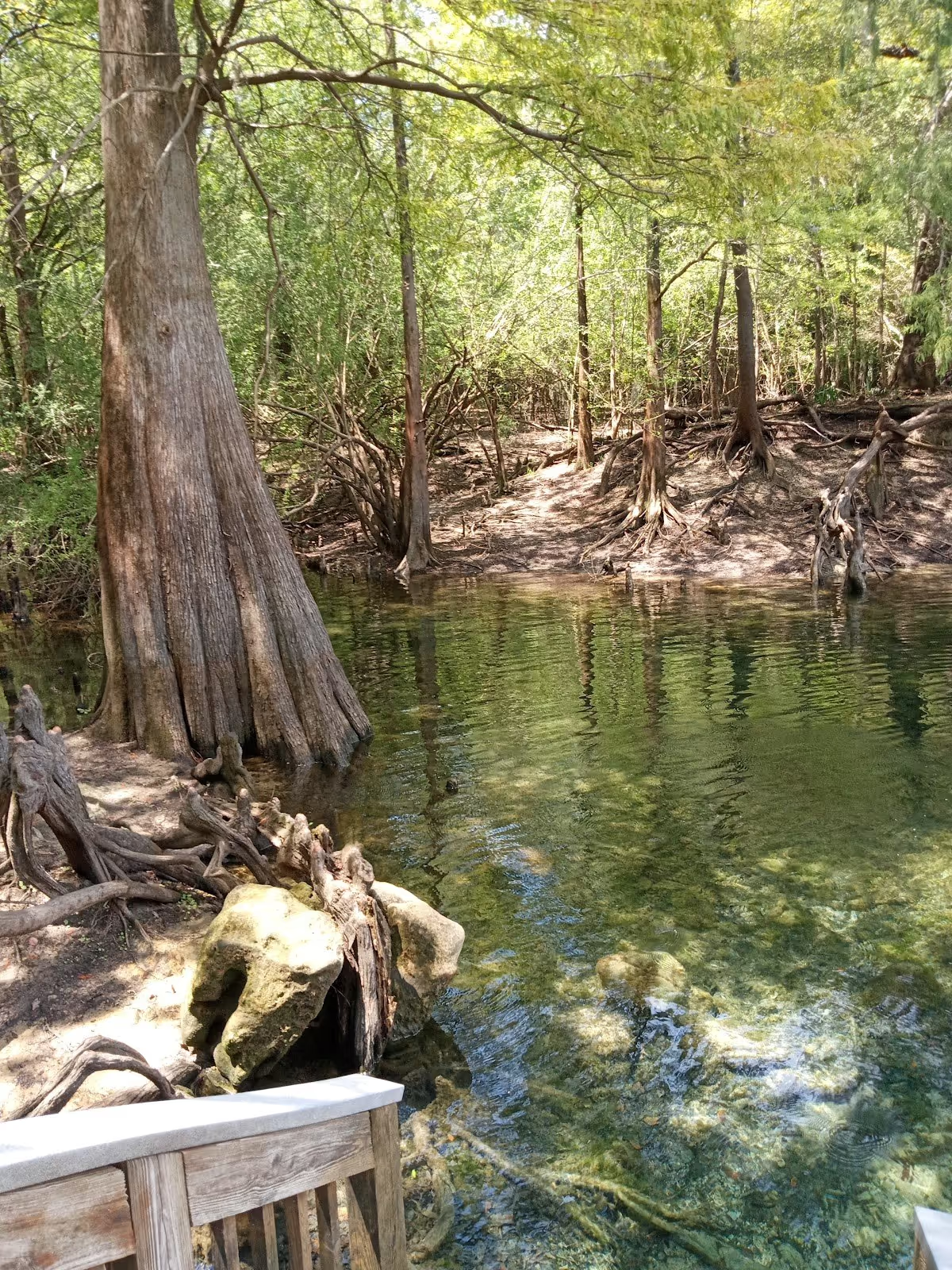
Troy Spring, Florida is a first-magnitude freshwater spring and Florida State Park located approximately 6 miles northwest of Branford on the Suwannee River in Lafayette County. The spring descends to a depth of approximately 70 feet and produces an estimated 65 to 70 million gallons of water per day at a constant temperature of 72 degrees Fahrenheit. The spring and its short run flow into the Suwannee River. Troy Spring has served as a local swimming hole for generations and continues to attract swimmers, snorkelers, and certified open-water divers who come for the spring's unusual depth, clarity, and historical significance.
The defining historical feature of Troy Spring is the submerged wreck of the Confederate sidewheel paddle steamer Madison, which rests on the spring floor. The Madison was built around the mid-1800s for Captain James Felix Tucker and served as a floating mail service and trading post along the Suwannee. In September 1863, with Union troops advancing, Tucker scuttled the Madison in the spring run to prevent her from falling into enemy hands. The wreck remains largely intact on the spring bottom and is visible through the clear water from the surface boardwalk and from below when diving or snorkeling. It represents one of the few accessible Civil War underwater sites in Florida and is listed as a historic site within the park.
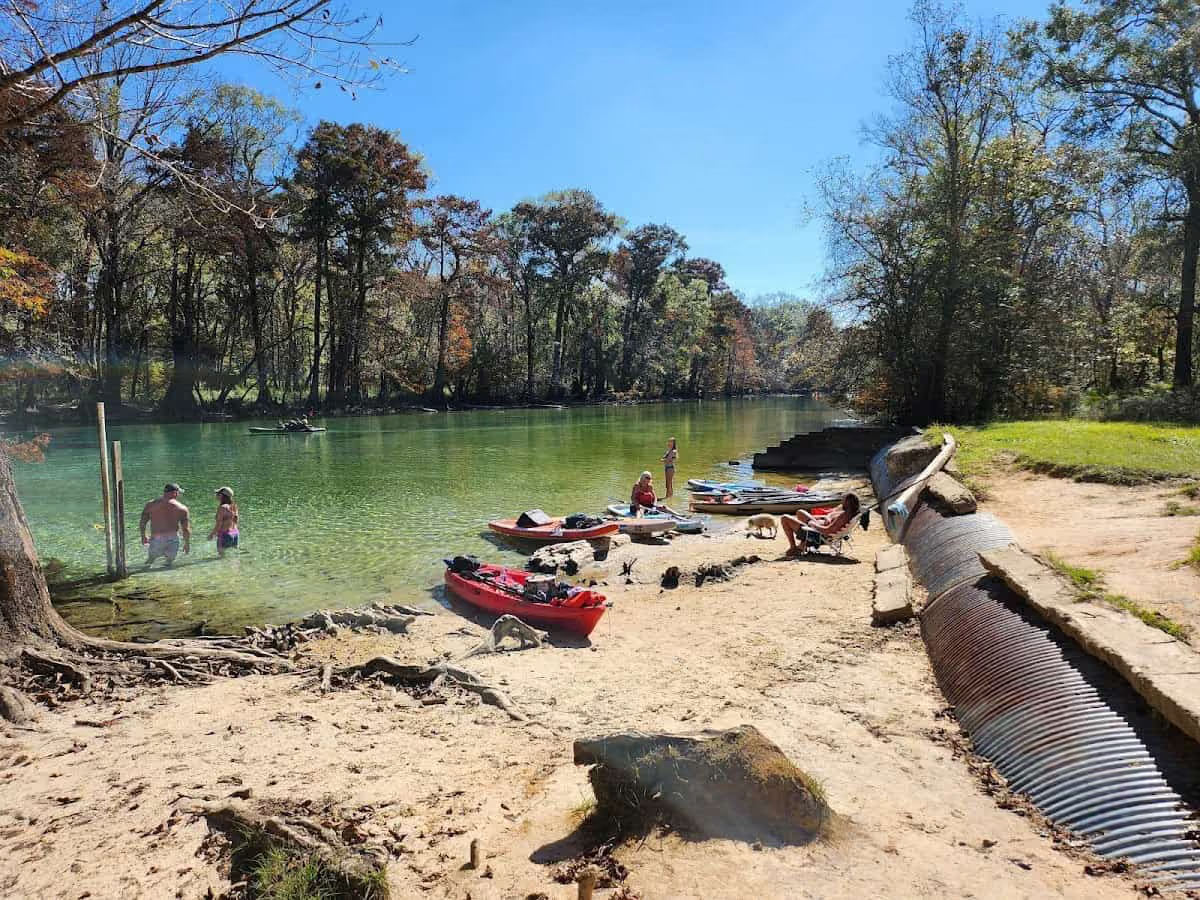
Troy Spring State Park covers approximately 70 acres along the Suwannee River and includes a picnic area, an accessible ramp to the spring platform, a riverfront dock for canoeists and boaters, and a half-mile nature trail. The park is part of the Suwannee River Wilderness Trail paddling route, passing between river mile markers 82 and 83. For visitors looking for natural soaking pools in Florida near Live Oak that combine swimming depth, historical significance, and Suwannee River access, Troy Spring is the most distinctive spring park in the area.
Location & Access
Getting to Troy Spring
Troy Spring State Park is located at 674 NE Troy Springs Road, Branford, FL 32008. The park is approximately 6 miles northwest of Branford and 13 miles southeast of Mayo, off US Highway 27 and County Road 425. From Branford, drive north on US 27 approximately 5 miles, then turn left onto County Road 425 and follow the signs to the park. From Mayo, drive southeast on US 27 approximately 12 miles and turn right onto County Road 425. The GPS coordinates for the park entrance are 29.9982 degrees North, 82.9990 degrees West. The park is open 8am to sunset daily, 365 days a year. The entry fee is $5 per vehicle, paid at the entrance.
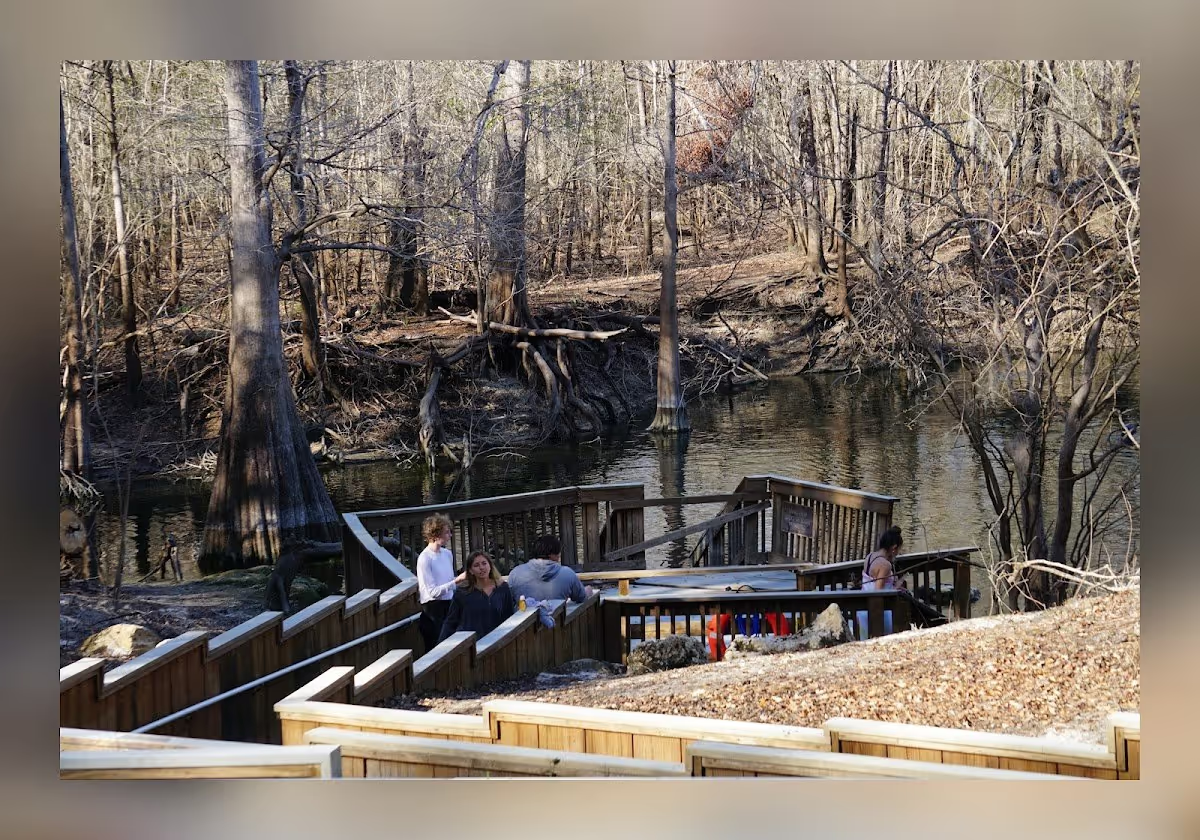
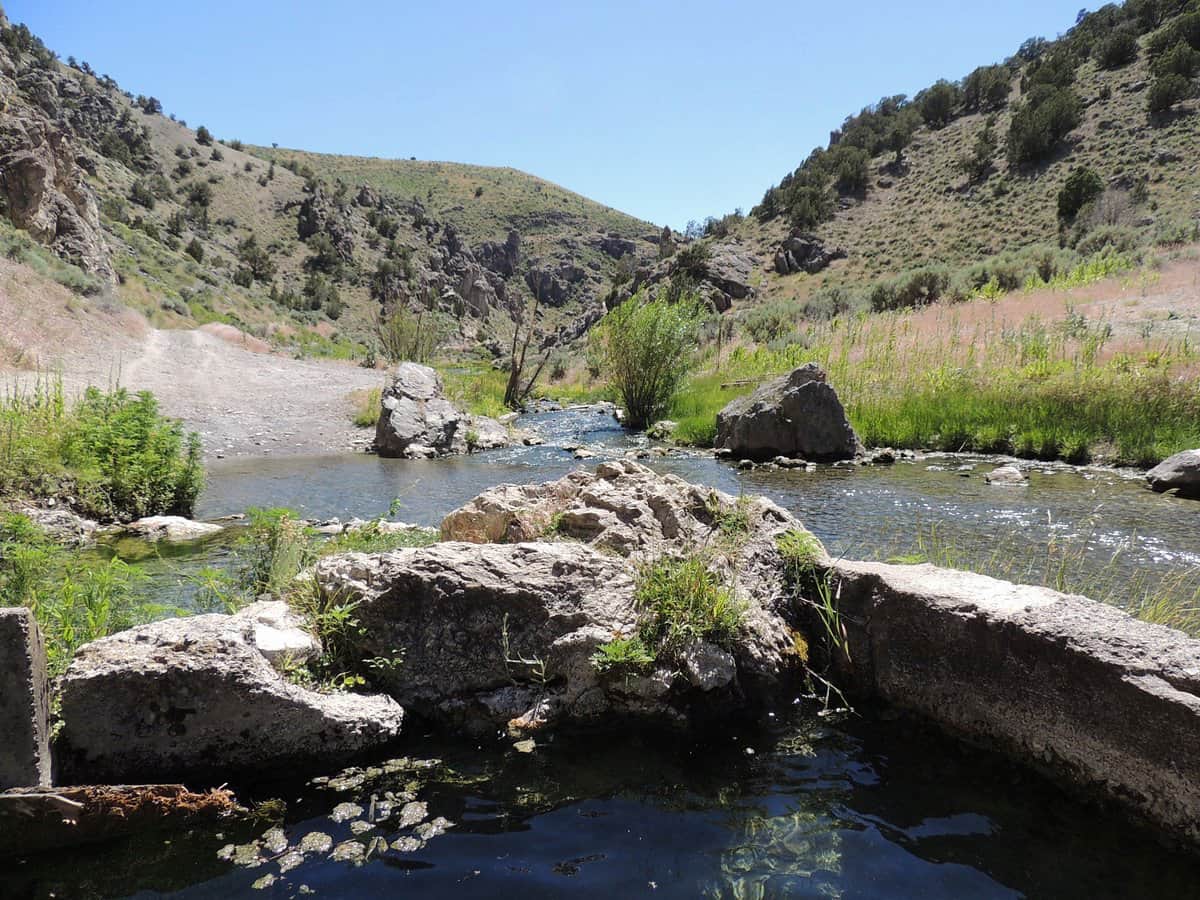
The park road is paved. From the parking area an accessible ramp descends to the spring platform and boardwalk above the water. The ramp provides wheelchair-accessible access as far as the platform; beyond the platform the terrain is natural and involves rocks and roots, which are not accessible for mobility devices. Visitors using wheelchairs or mobility aids can view the spring and observe the wreck of the Madison from the platform level. The Suwannee River dock at the end of the park road provides mooring access for canoeists and boaters paddling the Suwannee River Wilderness Trail. For those looking for hot springs near Live Oak, Troy Spring is approximately 20 miles to the southwest.
No camping is available at Troy Spring State Park. The nearest camping options are at other Suwannee River corridor state parks including Suwannee River State Park and Lafayette Blue Springs State Park. Scuba divers should note that all dives must be completed before 5pm regardless of the park's closing time. Diving requires current open-water certification; certification cards must be available and solo diving is strictly prohibited. No cave diving or penetration of any passages beyond the open spring basin is permitted.
Suitability & Accessibility
Who Can Visit Troy Spring
Troy Spring suits swimmers, snorkelers, certified open-water divers, paddlers, and history visitors. The spring is open to all who can enter the water independently from the platform; there is no lift or assisted water entry. The spring is very deep at 70 feet and the transition from the shallow sandbar area to the deep main basin is abrupt in places; visitors should be comfortable in deep open water before leaving the shallower zones near the platform. Children are welcome as the park is designated family-friendly, but parents should supervise children closely near the deep central section and the spring perimeter.
Wheelchair access extends to the platform at the spring via the accessible ramp from the parking area. The ramp is paved and navigable by wheelchair up to the observation platform and boardwalk area. The water entry itself and the terrain around the spring edge are natural, rocky, and uneven and are not accessible for mobility devices beyond the platform. Visitors who wish to view the spring and the underwater wreck of the Madison can do so from the platform level. Contact the park at (386) 935-4835 for current access details.
Open-water scuba diving is available and popular at Troy Spring due to the unusual depth of 70 feet and the presence of the Civil War steamboat wreck. Certified divers must hold current open-water certification and solo diving is not permitted; all divers must be accompanied by at least one other certified diver. No cave diving or passage exploration is allowed. Dives must be completed before 5pm. Dogs are welcome on a 6-foot leash throughout the park but are not permitted in the spring. Fishing is allowed in the Suwannee River from the dock with a Florida fishing licence but not within the swimming areas of the spring. For accessible soaking pools in Florida near Live Oak combining swimming and Civil War history, Troy Spring is the most historically significant spring park in the Suwannee River corridor.
Safety & Etiquette
Safety and Etiquette at Troy Spring
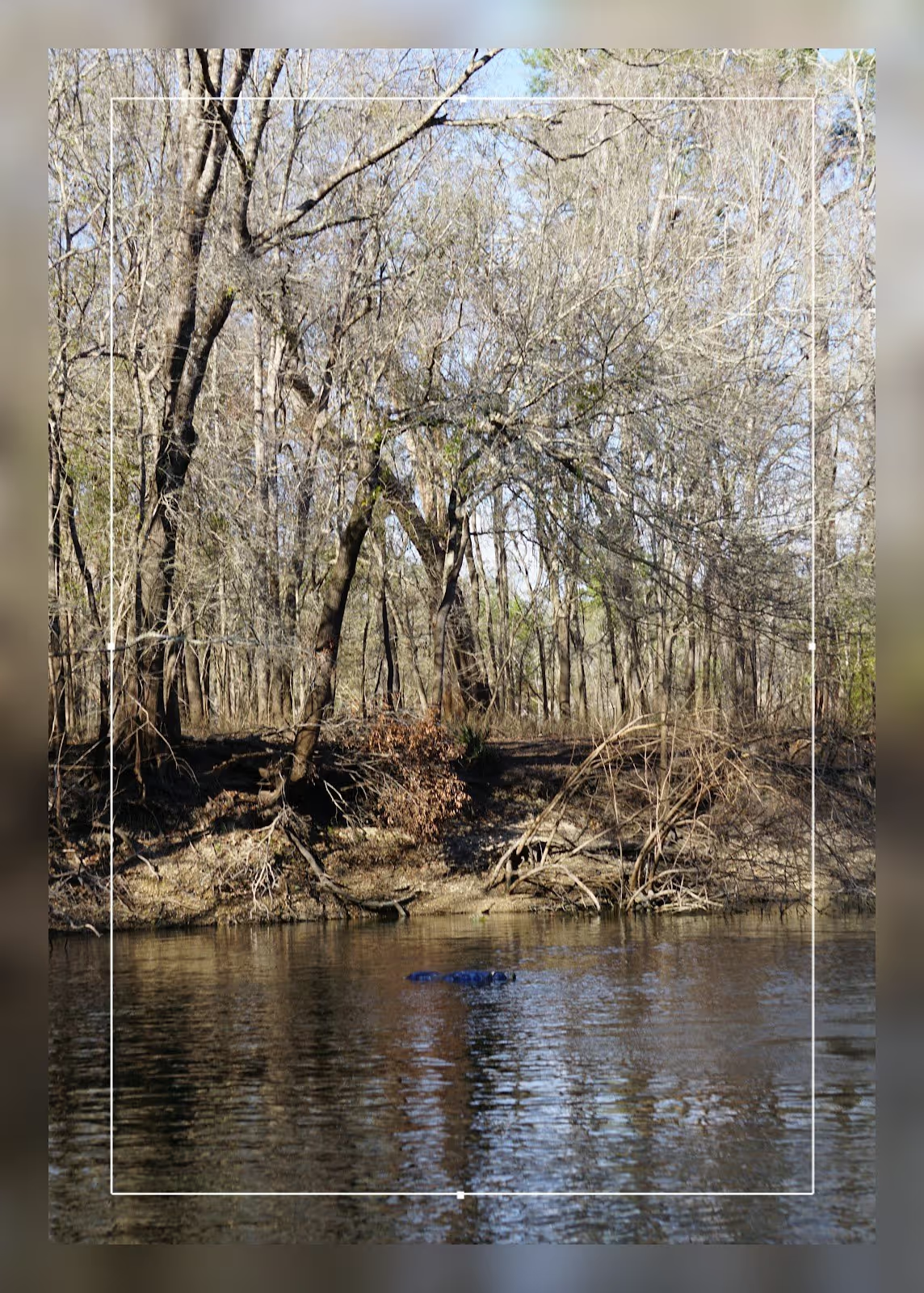
Troy Spring presents two specific safety conditions that visitors should be aware of before arrival. First, the spring is directly adjacent to the Suwannee River, and when the river rises during periods of heavy rainfall or upstream flooding, dark tannin-stained river water flows into the spring basin and can reduce visibility to near zero. At higher flood stages the spring can be completely submerged in river water, eliminating the clear spring environment entirely. Check the Florida State Parks website or call the park at (386) 935-4835 before visiting to confirm current spring conditions, particularly in summer and after heavy rain. Second, alligators are present in the Suwannee River. The spring area has buoys marking the swimming boundary; do not swim beyond the buoys into the river channel.
The spring basin drops quickly to 70 feet. Swimmers should be confident in deep water before entering the main basin beyond the sandbar. Do not attempt to free-dive to the base of the spring without appropriate training and a buddy on the surface. The Madison wreck is clearly visible in good conditions but visitors should be aware of the depth and their own limits. Open-water divers should dive conservatively; the depth of 70 feet is within recreational limits but requires proper buoyancy control and ascent management. All divers must complete dives before 5pm regardless of conditions.
The nature trail can become muddy and wet after rain and may have significant standing water and mosquitoes during wet season. Closed-toe shoes are recommended for trail use. Picnic tables and grills are available on a first-come, first-served basis. Leave no trace principles apply throughout the park. Pack out all rubbish; there are no staffed services to manage waste beyond what visitors take out. Dogs must be on a 6-foot leash and are not permitted in the spring or its immediate water area. Do not disturb, touch, or attempt to remove any part of the Madison wreck; it is a protected historic site and interference is a federal offence.