Quick FactsOverview
About Verde Hot Springs
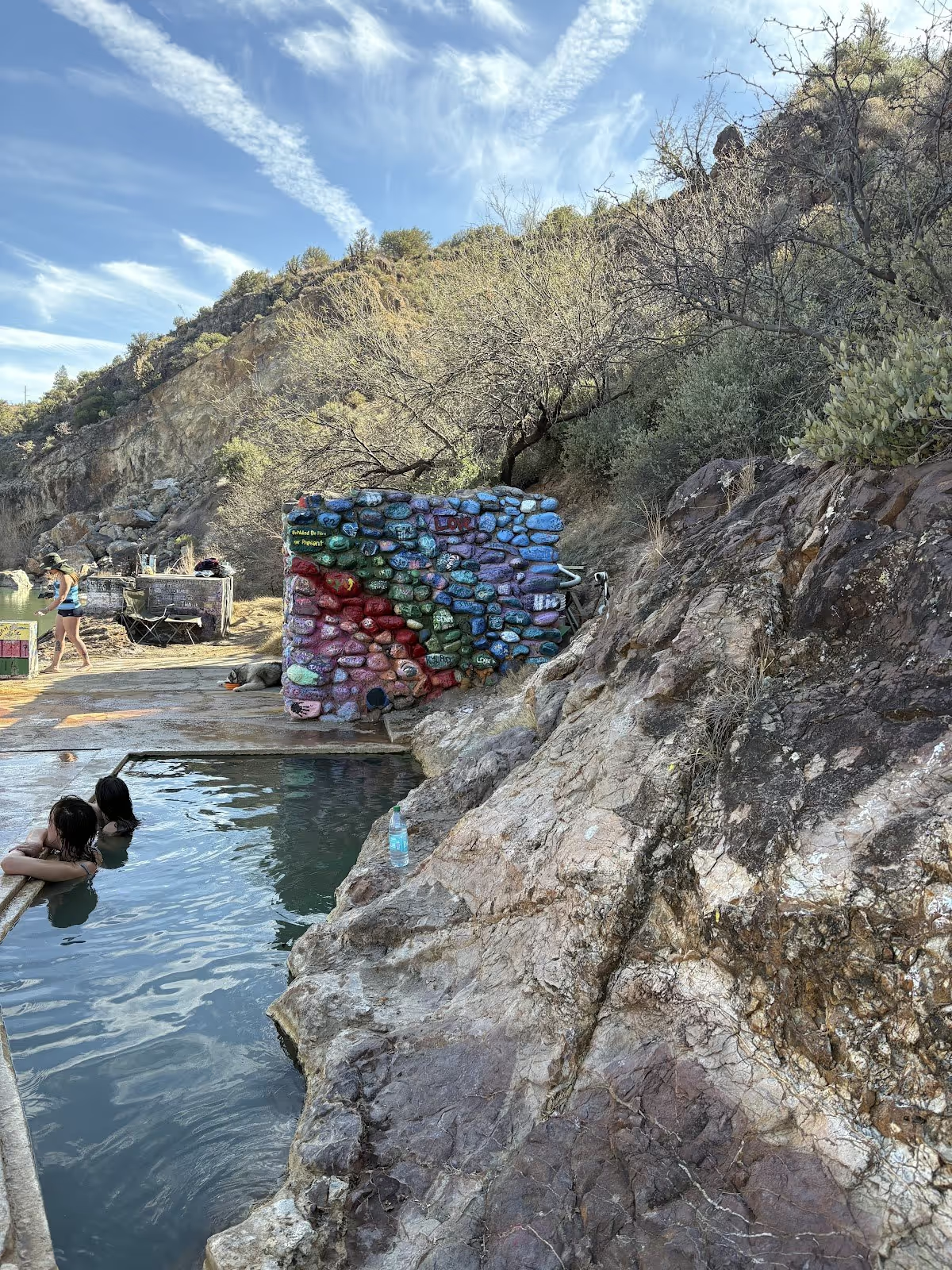
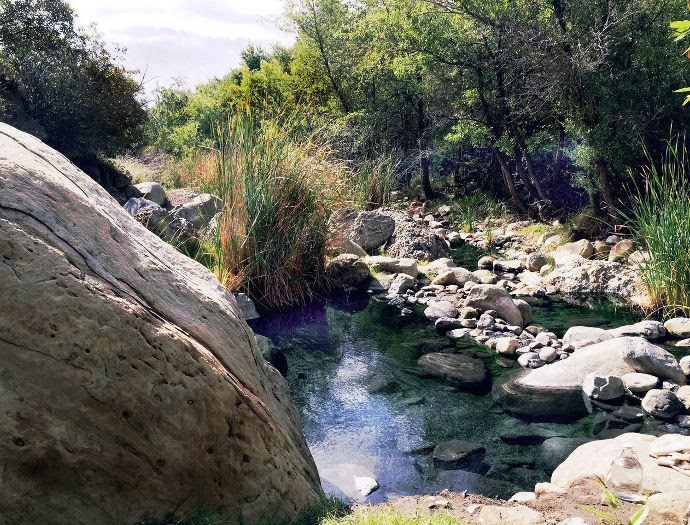
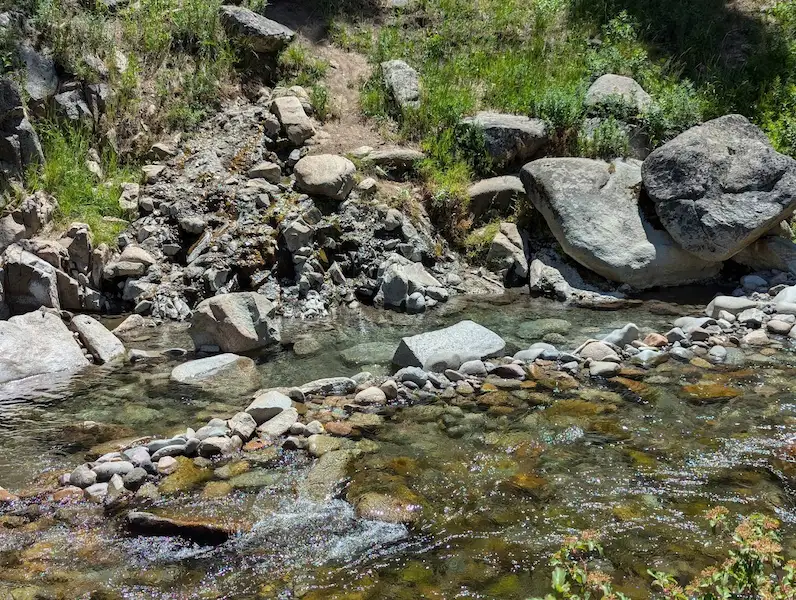
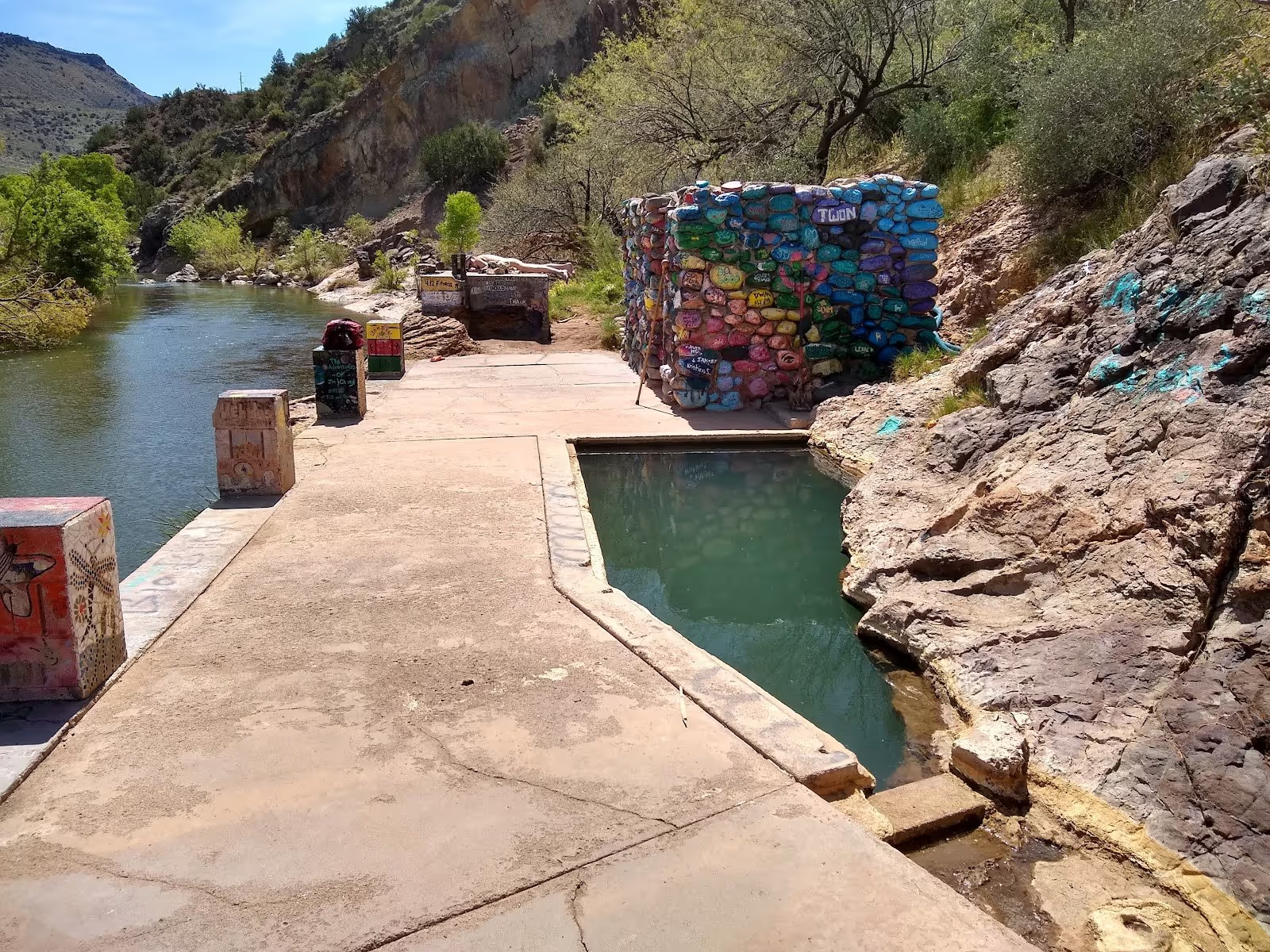
Verde Hot Springs, Arizona is a set of free geothermal soaking pools on the western bank of the Verde River in Prescott National Forest, Yavapai County, built into the concrete foundation of a 1920s resort hotel that burned down in 1962. Two main pools remain: a larger pool enclosed within the crumbling bathhouse walls at around 98 to 102 degrees Fahrenheit, and a smaller pool closer to the river that can reach 104 degrees Fahrenheit, along with several smaller rock pools downstream with a wider range of temperatures. The site is located about 30 road miles southeast of Camp Verde, reached by a long drive on rough forest roads followed by a short trail and a crossing of the Verde River.
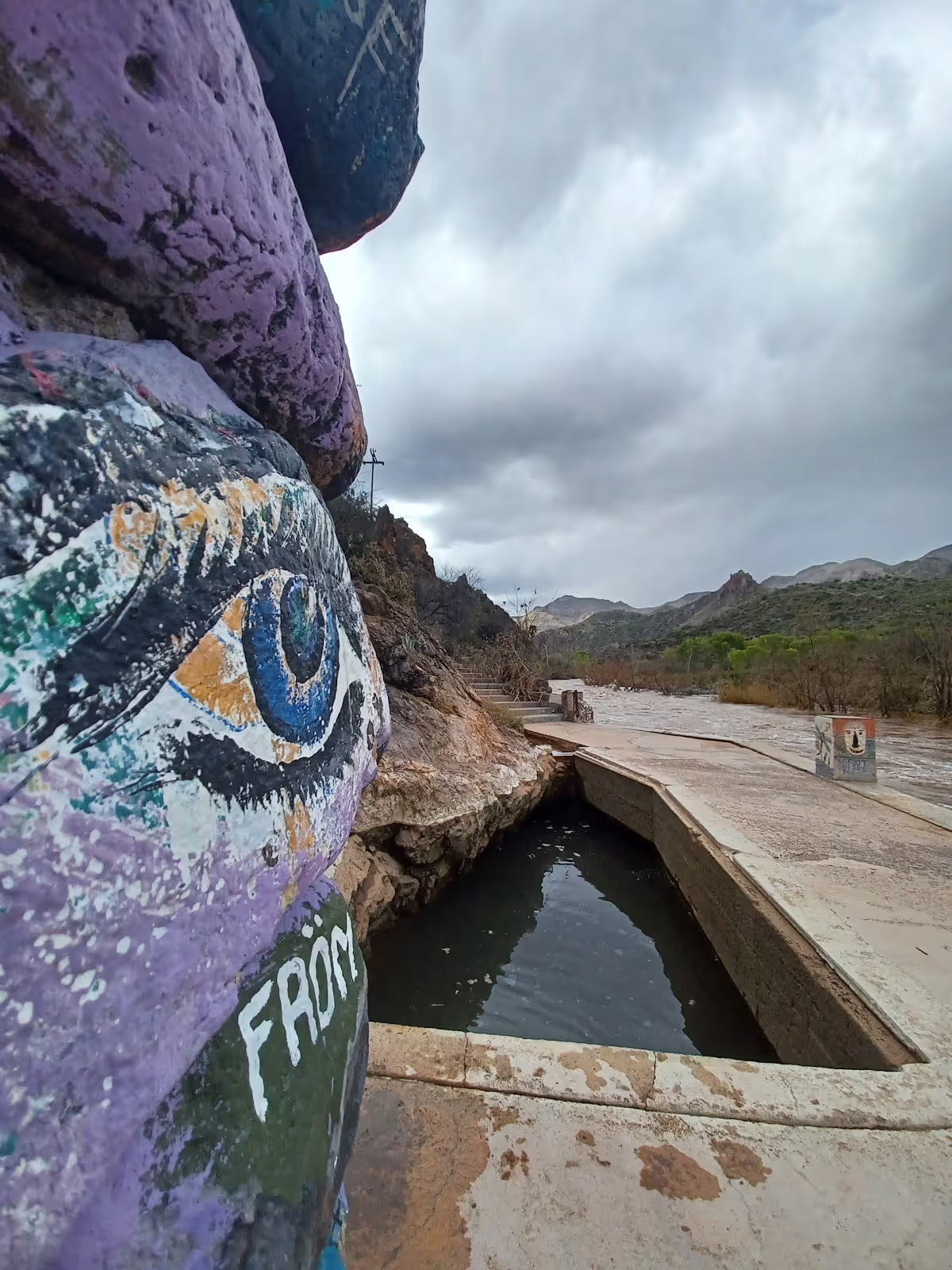
The Verde Hot Springs Hotel was constructed in 1922 and operated as a resort destination through the following decades, drawing visitors to its geothermal pools along the river. The hotel burned to the ground in 1962, leaving behind concrete foundation walls, the original pool basins, and a terrace structure overlooking the river below. These ruins are now the soaking infrastructure: the main pool sits inside the roofless bathhouse walls, and visitors soak in water that has been flowing through the same channel for over a century. The setting is distinctive among natural hot springs in Arizona because of this blend of active geothermal water and visible historical architecture in an otherwise remote desert canyon. The ruins have accumulated a layer of artwork and etched messages from decades of visitors, adding to the sense that the place has its own accumulated character separate from any single visit.
Location & Access
Reaching Verde Hot Springs
Verde Hot Springs is reached from Camp Verde by driving east on Highway 260 for approximately 6.8 to 8 miles and then turning right onto Forest Road 708, also known as Fossil Creek Road. From that turn, drive approximately 13 to 15 miles on Forest Road 708, which is rough, gravelly, and steep in sections, until reaching the junction with Forest Road 502. Turn onto Forest Road 502 and follow it south for approximately 6 miles to the Childs Dispersed Camping Area near the Verde River, parking here. This final section of road is particularly rough and washed out; a high-clearance vehicle is recommended and the last short pitch down to the camping area can be difficult for passenger cars. From the parking area, the hot springs are approximately one mile upstream along the river. The trail is easy and relatively flat, but requires crossing the Verde River, which is typically knee-deep in normal conditions and can be waist-deep after heavy rain or snowmelt. Water shoes or sandals that can get wet are useful for the crossing and for the rocky ground near the pools. For those looking for hot springs near Camp Verde that can be reached without a multi-day expedition, this is one of the few free options within a reasonable driving range, though the condition of the forest roads means planning ahead is essential.
No permit is required to visit the hot springs themselves. Access to Fossil Creek Wild and Scenic River Area, which is a separate area reached earlier along Forest Road 708, does require an advance permit, but the Verde Hot Springs route diverges before reaching that restricted zone. The Childs Dispersed Camping Area is free and managed by the Forest Service, with a vault toilet available. Camping at the dispersed area is limited to 5 consecutive days. The site is accessible year-round, with spring and fall offering the most practical combination of mild temperatures and manageable river levels.
Suitability & Accessibility
Visiting Verde Hot Springs
Verde Hot Springs suits hikers, history enthusiasts, and soaking visitors who are comfortable with rough road access and a short river crossing, and who value a remote, facility-free experience with genuine historical character over any kind of managed amenity. The pools are small; the main pool inside the ruins fits a modest group, and the downstream pools are intimate by nature, so the site works best for small parties willing to share with whoever else arrives on the day. Visitors looking for free hot springs in Arizona as a backcountry destination will find this site one of the more rewarding options in the state, given the combination of soaking, scenery, and the unusually intact ruins. The trail from the parking area to the pools is rated easy by most accounts, with minimal elevation change and a well-worn path, but the river crossing and the approach road place it firmly outside the category of accessible or wheelchair-friendly sites. Clothing is optional at the pools but sources note that nudity in public is officially prohibited in this area; visitors generally wear swimwear and the atmosphere is relaxed. The site is not appropriate for visitors with limited mobility, and the absence of restrooms or developed sanitation means young children require particularly attentive supervision.
Because this is a dispersed natural area with no staffing, the condition of the pools depends entirely on visitor behavior. Bringing soaps, shampoos, or other products into the pools is harmful to the water and to downstream river ecology. Pack out all trash, including food waste. The ruins are a historical site; removing rocks, etching new marks into the original stonework, or damaging the concrete pool structure degrades something that cannot be replaced.
Safety & Etiquette
Safety and Etiquette at Verde Hot Springs
Verde Hot Springs is in a remote area and requires visitors to be self-sufficient, though the pools themselves and the short access trail present manageable conditions for most visitors who come prepared. The main safety considerations are the approach road, the river crossing, and the general isolation of the site from emergency services. The forest roads to the trailhead become hazardous when wet, with steep sections and loose surfaces that can strand vehicles; always check conditions before departing and avoid the route in wet weather or immediately after heavy rain. The Verde River crossing is usually knee-deep and straightforward in dry periods, but can rise to waist height and carry significant current during spring snowmelt or after storm runoff. If the river looks high or fast when you arrive, the safe option is to wait or turn back.
The pools range from around 92 to 104 degrees Fahrenheit. The smaller downstream pools can reach the higher end of that range; test the water temperature before settling in and exit if you feel overheated, dizzy, or short of breath. Staying hydrated is important, especially in warm weather when the combination of heat and hot water can lead to overheating more quickly than expected. Do not soak with open wounds or when unwell, as natural geothermal pools carry a low but real risk of bacterial exposure. Cell coverage is unreliable throughout this area; tell someone where you are going and when you expect to return. The ruins themselves are structurally deteriorated concrete walls; do not climb on them or lean heavily against sections that look unstable. Rattlesnakes and other desert wildlife are active in the riparian vegetation along the river; give them space and watch where hands and feet are placed. The site is popular on weekends in spring and fall; arriving early in the morning gives the best chance of a quieter visit and an easier return drive before afternoon heat peaks in summer months.