
Quick FactsOverview
About White Sulphur Hot Springs
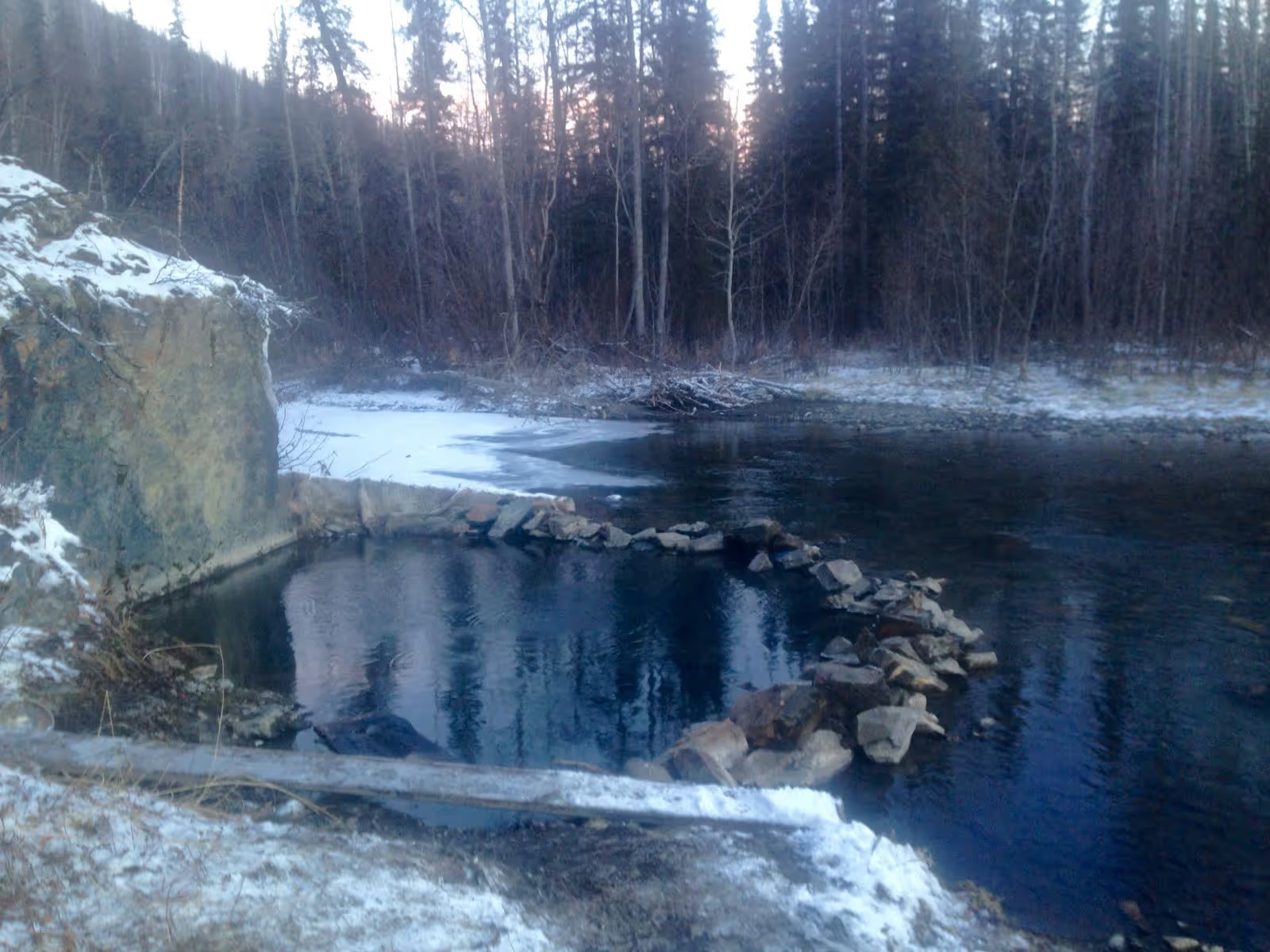
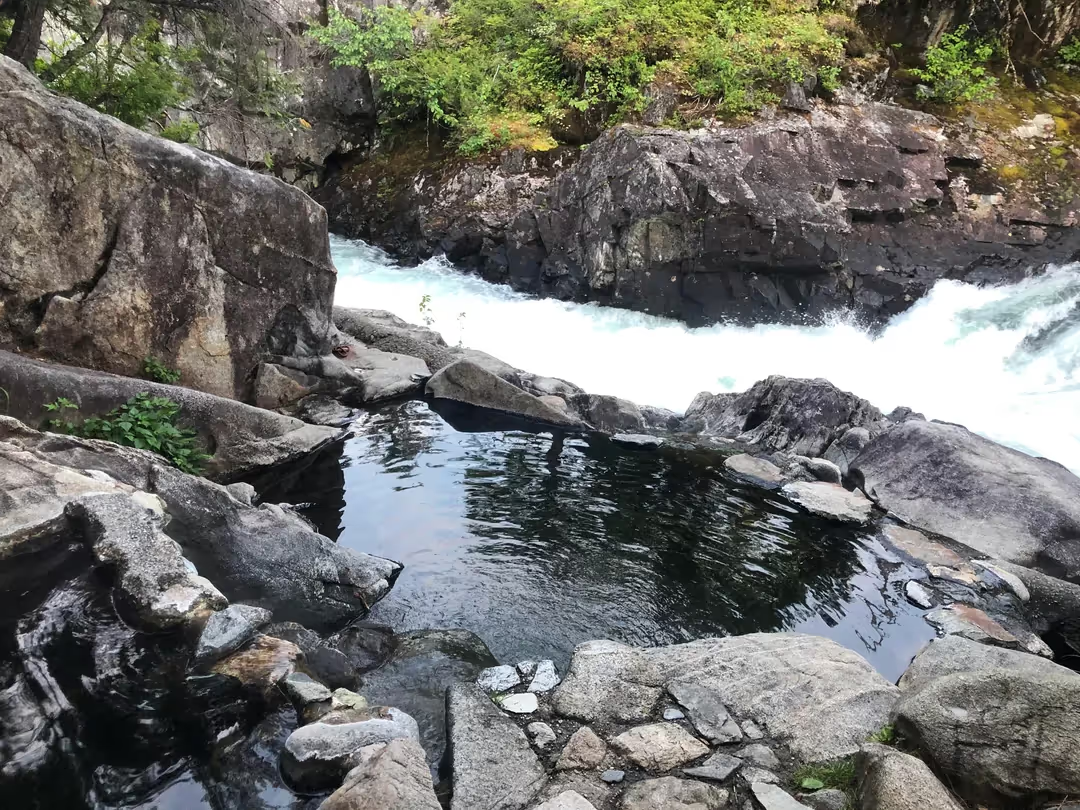
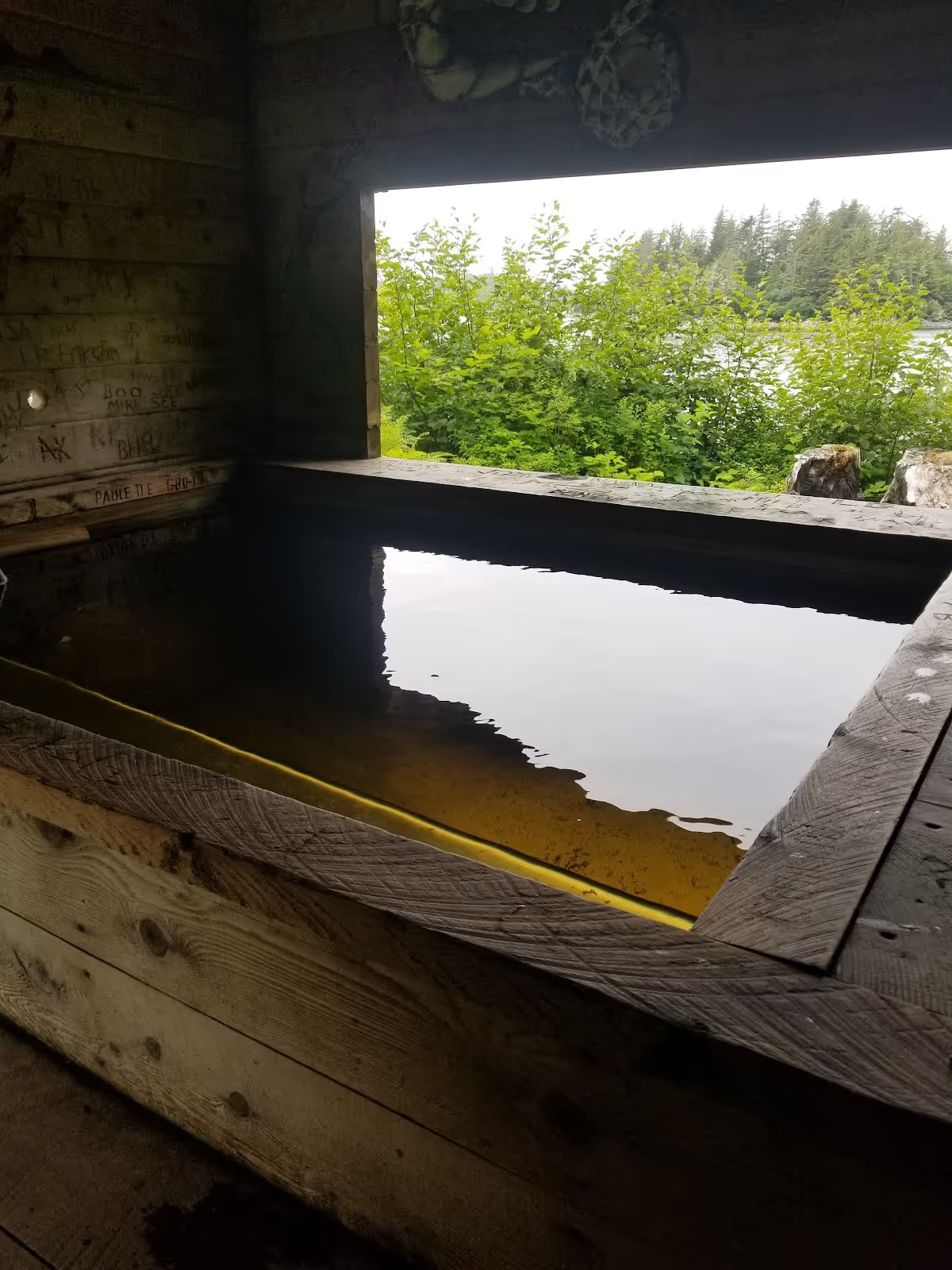
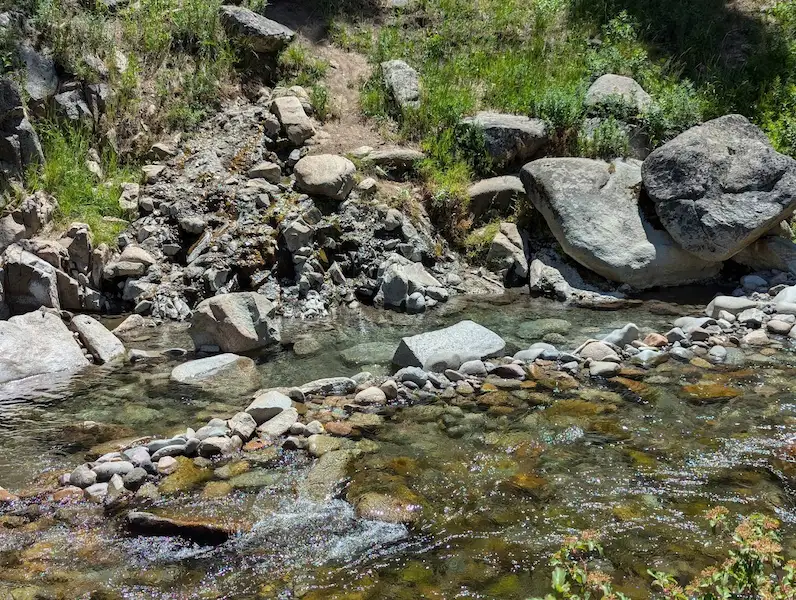
White Sulphur Hot Springs, Alaska is a natural geothermal spring on the north shore of Bertha Bay, on the exposed Pacific coast of Chichagof Island in the West Chichagof-Yakobi Wilderness Area of the Tongass National Forest, approximately 65 miles northwest of Sitka. A small outdoor warm pool and a cedar bathhouse built in 2012 from locally sourced red and yellow cedar sit about 50 feet apart, both fed by spring water that emerges at roughly 135 degrees Fahrenheit before cooling to a comfortable soaking temperature. A Forest Service rental cabin sleeping up to six is located just steps from the springs, bookable through the federal recreation reservation system at a modest nightly rate. The springs themselves have no fee and are open to any visitor regardless of whether they have reserved the cabin.
The site was used by Tlingit hunters and trappers from Sitka before outside contact, who relied on the shallow natural pools in the rock ledges. It was formally named in 1916 by a surveyor from Juneau, who gave it the name based on the white color of the sulphur deposits. The springs were then known as Hooniah Hot Springs in earlier navigation charts, a name that was changed to avoid confusion with Tenakee. A rough cabin and bathhouse were first constructed at the site around 1916 by miners and hunters working the area. The structure was rebuilt in 1966 and reconstructed again in 2012, with the most recent bathhouse built from timber framed locally sourced cedar in harmony with the wilderness setting. These natural hot springs in Alaska sit in one of the more dramatically positioned forest clearings in the region, overlooking the North Pacific with breakers rolling in on rocky cliffs below.
The surrounding wilderness on Chichagof Island is dense Sitka spruce and western hemlock rainforest, with wide muskeg flats and coastal meadows accessible on easy terrain from the cabin. Lake Elfendahl and Lake Morris are a two-hour hike away on marked trails. Brown bears are frequently sighted on the beach and in the river near the site, particularly during salmon runs. The bathhouse is popular enough that cabin reservations do not guarantee private use of the soaking areas.
Location & Access
Getting to White Sulphur Hot Springs
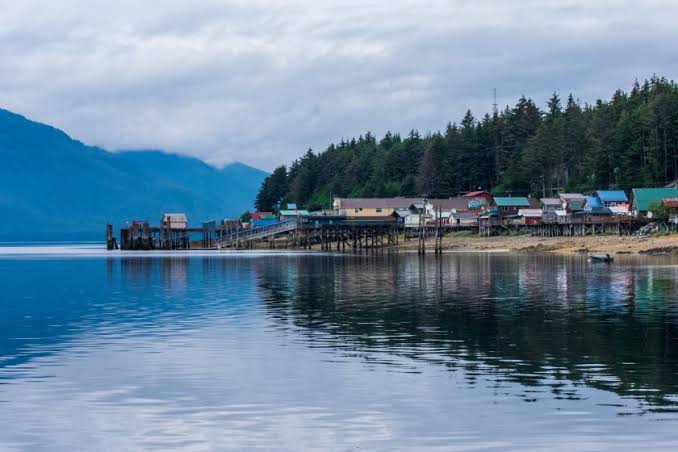
White Sulphur Hot Springs has no road access. The site is on the exposed west coast of Chichagof Island in a designated wilderness area, and the only way to arrive is by boat or floatplane. Most visitors access the springs by chartering a boat from Pelican, Alaska, which is 23 miles to the northeast and the nearest community. Local charter operators in Pelican can arrange transportation to Mirror Harbor, which is the anchorage point for the White Sulphur Springs approach. Local knowledge is recommended before attempting anchorage in Mirror Harbor due to the exposed coastal conditions. Anchorage is also possible in Porcupine Bay, which requires a short skiff ride to reach the trailhead.
From Mirror Harbor, the White Sulphur Springs Trail runs 0.9 miles on level wooded terrain to the cabin and bathhouse. The trail is marked and easy to follow, paralleling Bertha Bay through spruce and hemlock forest. The walk takes about 20 minutes. For visitors looking for hot springs near Pelican Alaska, this is the most direct and well-known destination in the area, though weather and sea conditions are the governing factor for any boat-based access on this part of the coast. Floatplane charter from Sitka is another option, landing on Bertha Bay or Mirror Harbor depending on conditions.
The cabin at White Sulphur Springs must be reserved in advance through the federal recreation reservation system. The reservation covers the cabin but not exclusive use of the springs, which are available to anyone who reaches the site by boat or plane regardless of whether they have a cabin booking. Visitors who arrive for a day soak without a cabin reservation are welcome at the springs. Weather on the exposed Pacific coast can make this a challenging site to reach in winter or during storm periods. Waves, wind, and low winter daylight are noted by the Forest Service as specific access challenges at this location.
Suitability & Accessibility
Who White Sulphur Hot Springs Suits
White Sulphur Hot Springs suits boaters and floatplane travelers who are comfortable operating on the exposed Pacific coast of Southeast Alaska and who want a soaking destination that combines wilderness character with basic but genuine facilities. The combination of an outdoor pool, a cedar bathhouse with ocean views, a Forest Service cabin bookable at a modest rate, and the surrounding wilderness of the West Chichagof-Yakobi Wilderness Area makes it one of the more rewarding overnight soak destinations among the natural hot springs in Alaska accessible from Sitka.
The site is not suited to families with young children. The boat passage from Pelican to Mirror Harbor is on the open Pacific coast, and conditions can be rough without warning. The exposed nature of the anchorage and the distance from any emergency services make it unsuitable for groups that include young children or inexperienced mariners. Adult travelers with sea experience, kayakers on multi-day coastal trips, and boaters familiar with the Inside Passage outer coast are well positioned to enjoy it.
Overnight stays in the cabin are the preferred arrangement for most visitors, since a day trip from Pelican or Sitka by boat involves a meaningful sea passage in each direction. The cabin accommodates up to six people, with two double plywood bunks and two singles, a wood stove for heat, a cooking counter, a table with benches, and an outhouse. The cabin does not include mattresses or cooking utensils, so visitors must bring sleeping bags, pads, a camping stove, pots, pans, and food. The Forest Service notes that firewood and a splitting maul may not be available in some seasons, so bring backup fuel. Visitors should plan as if no amenities are available beyond the structure itself.
Safety & Etiquette
Safety at White Sulphur Hot Springs
The most significant safety factor at White Sulphur Hot Springs is the boat passage to the site. The north shore of Bertha Bay is on the exposed outer coast of Chichagof Island, facing the North Pacific. Waves, wind, and swell can build quickly on this part of the coast, and what looks like a calm morning can turn into difficult conditions for small boats by afternoon. Only experienced mariners with appropriate vessels should attempt the passage to Mirror Harbor or Porcupine Bay. Local knowledge of the anchorage conditions is strongly recommended and is specifically noted by the Forest Service as important before attempting Mirror Harbor.
The spring water at White Sulphur emerges at approximately 135 degrees Fahrenheit. Both the indoor bathhouse and the outdoor pool are fed from this source, with cold water mixing to bring temperatures to a comfortable range. Always test the temperature before entering the water. Do not assume the pool is at a safe temperature based on its appearance or the behavior of other visitors. In cold weather the mixing system can behave differently, so test carefully every session rather than assuming conditions are the same as a previous soak.
Brown bears are common on the beach and in the river near the site. The Forest Service specifically notes that brown bears frequent the area. Bears should be treated as a consistent presence rather than a remote possibility. Store all food inside the cabin, never on the deck near the springs. Carry bear spray during any walk to the beach, along the Dry Pass Trail to Sea Level Slough, or toward the inland lakes. Make noise near dense vegetation and near streams during salmon runs.
The Sea Level Slough crossing on the Dry Pass Trail is passable only at low tide. If you plan to hike to Sea Level Slough, check the tide table before setting out and allow time to return before the tide rises. Arriving at the slough at an impassable tide and waiting for hours in the open is a risk that planning eliminates. The White Sulphur Springs Trail to Mirror Harbor is well marked and straightforward, but the Dry Pass Trail requires more attention to route-finding in places.
The Forest Service notes the site will receive minimal maintenance in some years and that firewood and a splitting maul may be unavailable. Plan as if nothing is provided: bring sleeping pads, a cooking stove and fuel, food, toilet paper, and garbage bags. Pack out all waste. Leave the cabin and bathhouse in the condition you found them for the next party. The site is in a designated wilderness area, and the standard of care is leave-no-trace throughout.