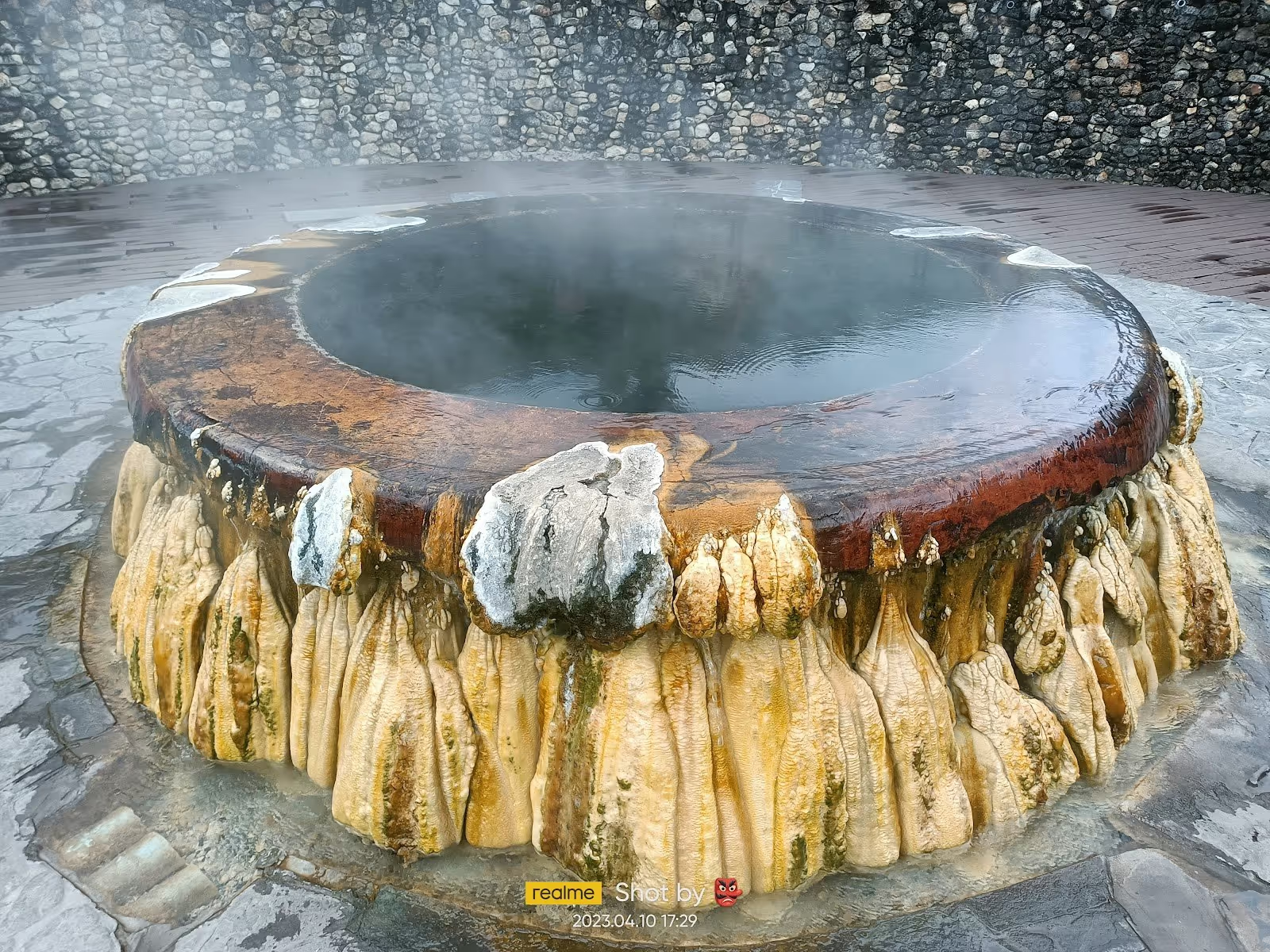
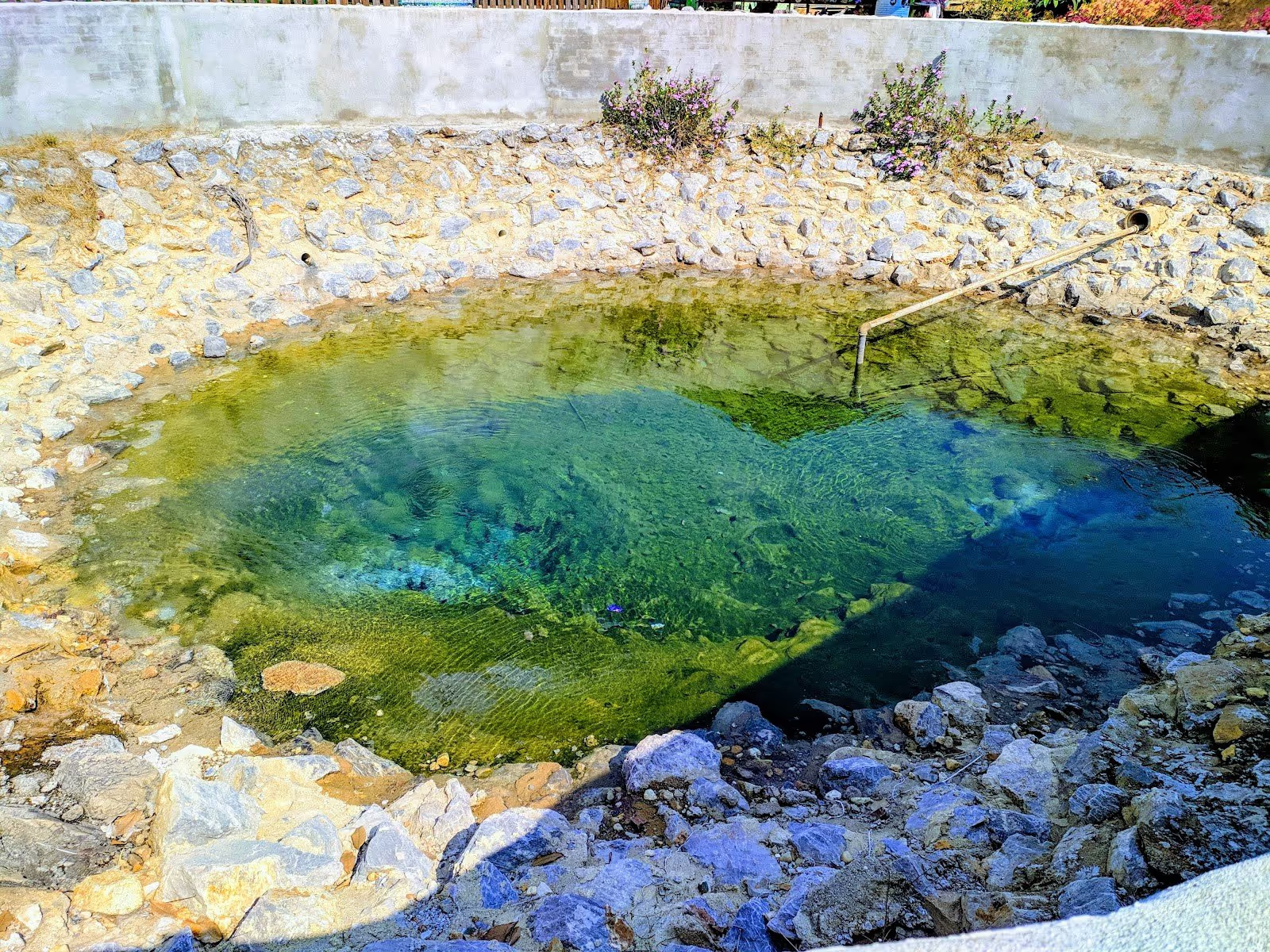
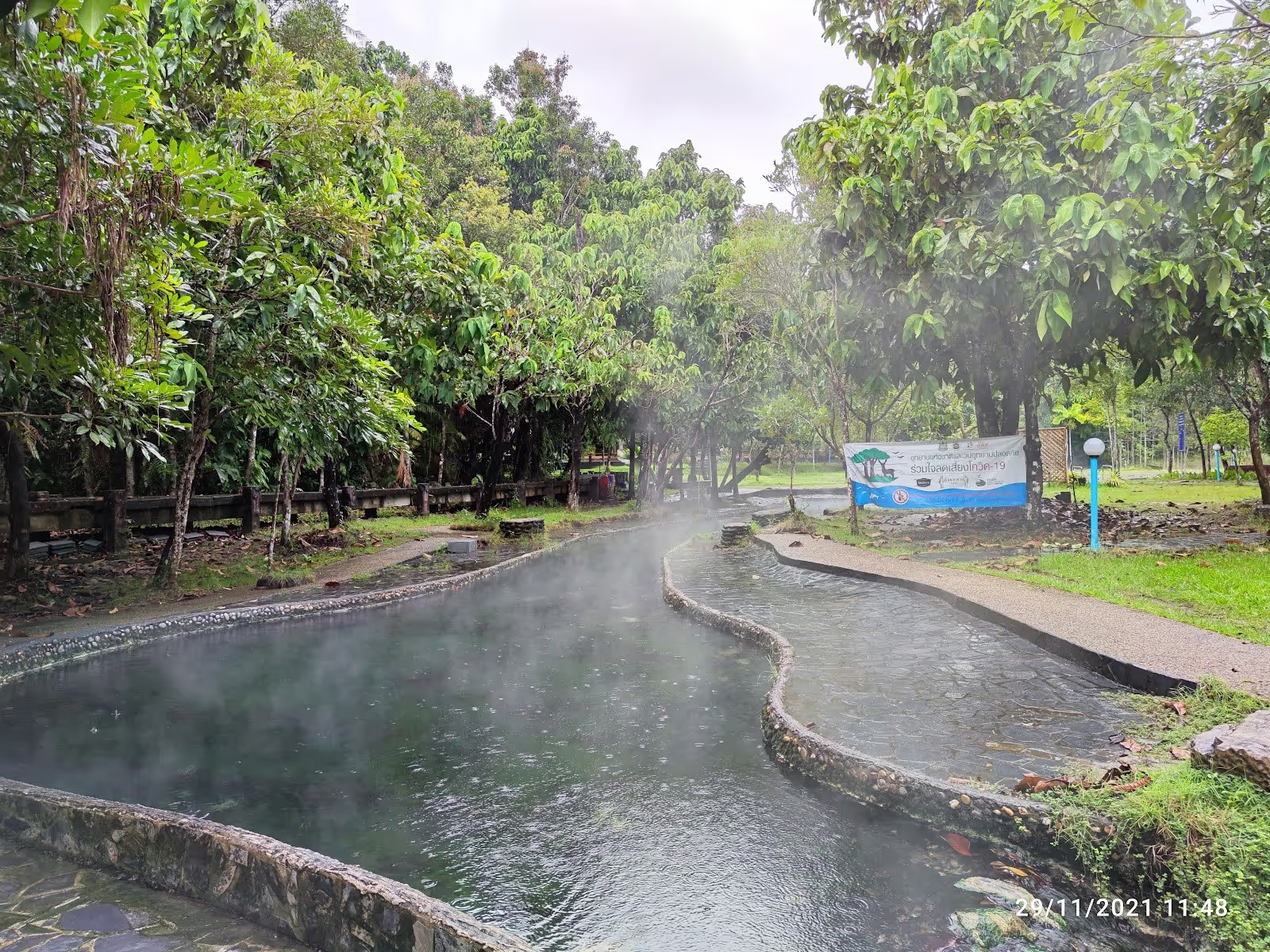
Pong Arng Hot Springs, Thailand
Natural earthen forest pools in Pha Daeng National Park, 40km north of Chiang Dao. Temperatures 40-64°C; 100 THB entry includes waterfall. Daily 8AM-6PM.
Pha Daeng National Park, Road 1178, Mueang Na Subdistrict, Chiang Dao District, Chiang Mai 50170, Thailand
Chiang Dao
TH
19.63
98.92
Public Pools & Parks
Paid
Easy to reach (no hike)
Be mindful
Swimsuit required
true
false
Asia
pong-arng-hot-springs-thailand
Is the entry ticket for Pong Arng Hot Springs shared with Sri Sungwan Waterfall?
Yes. The 100 baht entry fee covers both Pong Arng Hot Springs and Sri Sungwan Waterfall, which is approximately 3 kilometres further north on the same road. A single ticket is valid for both attractions. The waterfall is a three-tiered limestone cascade within Pha Daeng National Park, sometimes compared to the famous Sticky Waterfall. A car park fee of 30 baht applies separately. Visitors who have already paid at one attraction do not need to pay again at the other on the same day.
What kind of hot spring pools are at Pong Arng?
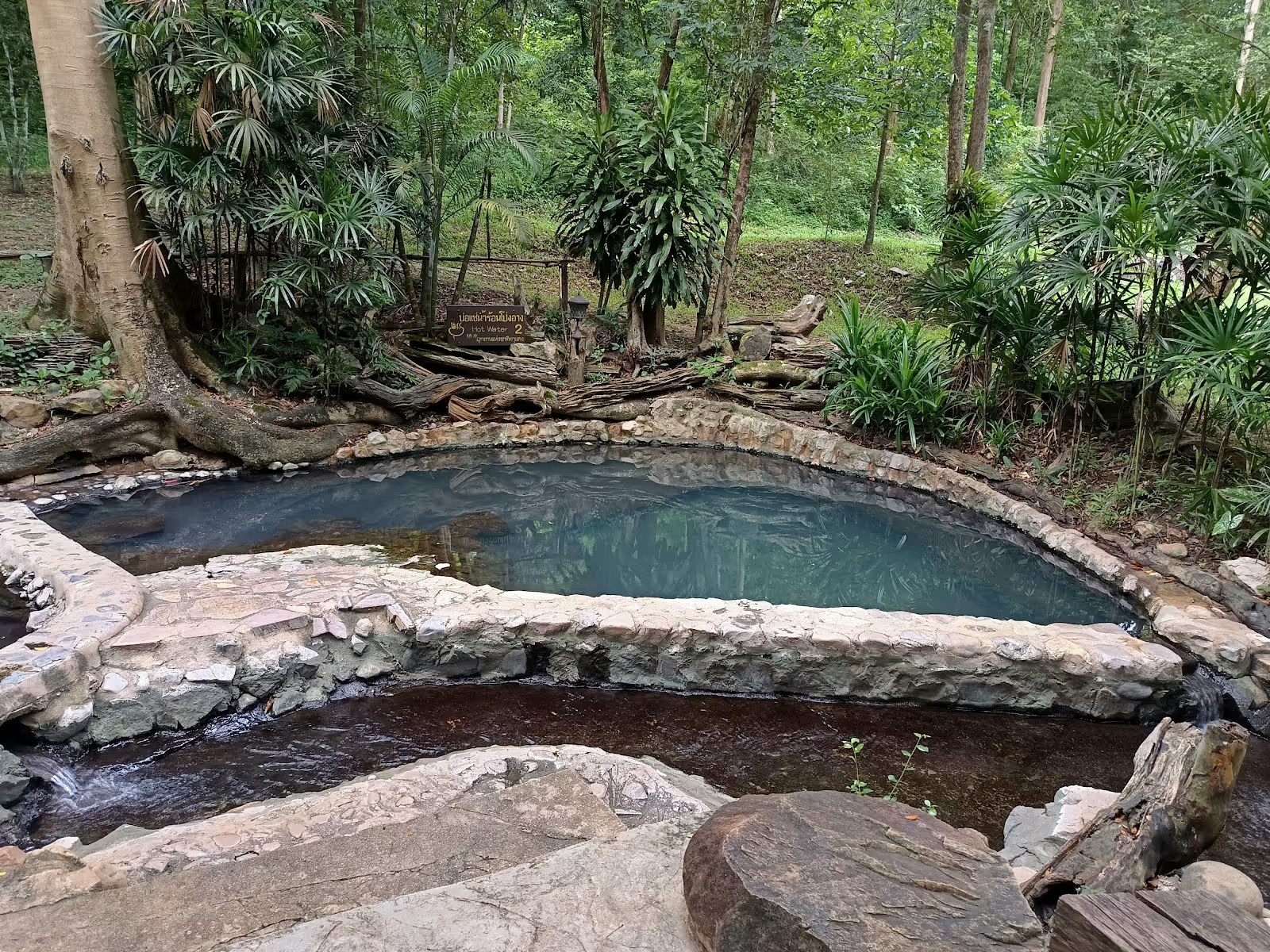
Pong Arng Hot Springs features two natural pools with earthen and stone sides and gravel and rock bases, set directly in the forest alongside a stream. This is notably different from the concrete or tiled pools at most Thai hot spring facilities. The hotter pool is closer to the spring source and reaches approximately 64 degrees Celsius; the second pool is cooler, at around 40 degrees Celsius. The pools are maintained by the national park. A newer tiled pool system has been installed nearby but may not be in full operation.
Can you camp at Pong Arng Hot Springs?
Yes. Camping is permitted at the Pong Arng Hot Springs area within Pha Daeng National Park with your own camping gear; none is provided on site. The park headquarters near Sri Sungwan Waterfall also has a campsite at 30 baht per person, with bungalow accommodation available from 600 to 2,500 baht per night. Camping at the hot spring gives quiet morning access to the pools before day visitors arrive. There is no mobile signal anywhere in the park, and facilities at the hot spring campsite are basic.
What is the best time of year to visit Pong Arng Hot Springs?
The cool season from November to February is considered the best time to visit. Morning temperatures in the mountains of Chiang Dao District can drop to 10 to 15 degrees Celsius, making the hot water significantly more enjoyable. Steam rising from the pools in cool morning air creates a particularly atmospheric scene. Weekday mornings in the cool season offer the fewest visitors. The rainy season from May to October is the least recommended period; the access road becomes muddy and difficult, and leeches are active on the forest floor.
How does Pong Arng Hot Springs compare to the free Chiang Dao Hot Spring in town?
2026-09-21
Updated September 21, 2026
Pong Arng Hot Springs, Thailand
Natural earthen forest pools in Pha Daeng National Park, 40km north of Chiang Dao. Temperatures 40-64°C; 100 THB entry includes waterfall. Daily 8AM-6PM.
Experience
Public Pools & Parks
Access Level
Easy to reach (no hike)
What to Wear
Swimsuit required
Address
Pha Daeng National Park, Road 1178, Mueang Na Subdistrict, Chiang Dao District, Chiang Mai 50170, Thailand
Find a place to stay
Compare prices near this exact spot across Booking.com, Expedia and more.
See nearby stays →
Overview
About Pong Arng Hot Springs
Pong Arng Hot Springs, Thailand is a natural hot spring in Pha Daeng National Park, Mueang Na Subdistrict, Chiang Dao District, Chiang Mai Province, approximately 40 kilometres north of Chiang Dao town via Route 1178. The spring features two natural earthen and stone pools with gravel and rock bases set within dense forest, a distinct contrast to the concrete or tiled pools typical of Thailand's commercial hot spring facilities.
Pool temperatures vary between 40 and 64 degrees Celsius, with the hotter pool closer to the spring source and the second pool at a more accessible temperature. The spring source itself is too hot for soaking. The park is inside Pha Daeng National Park, which flanks the Myanmar border and contains deep cave systems, scenic viewpoints, and the Sri Sungwan Waterfall, a three-tiered limestone cascade sometimes called a mini version of the Sticky Waterfall, located approximately 3 kilometres north along the same route. The 100 baht entry fee covers both the hot springs and the waterfall. Natural hot springs near Chiang Dao in a wilderness national park setting of this character are rare along northern Thailand's Route 1178 corridor.
Location & Access
Getting to Pong Arng Hot Springs
Pong Arng Hot Springs is located in Pha Daeng National Park on Road 1178, Mueang Na Subdistrict, Chiang Dao District, Chiang Mai Province 50170. The hot spring entrance is approximately 4.5 kilometres beyond the main Pha Daeng National Park headquarters, and about 3 kilometres south of Sri Sungwan Waterfall. The total drive from Chiang Dao town is approximately 40 kilometres.
Private transport is essential. No public transport reaches the park. From Chiang Dao town, head north on Route 107, then turn onto Route 1178 following signs for Pha Daeng National Park. The final approach road is a dirt and gravel track; a 4WD vehicle or motorbike is recommended as the road can become difficult in wet conditions. There is no mobile signal in the park. From Chiang Mai city, the journey is approximately 120 kilometres, taking 2.5 to 3 hours.
The park is open daily from 8:00 AM to 6:00 PM. Entry is 100 baht per person and includes access to both Pong Arng Hot Springs and Sri Sungwan Waterfall; a single ticket covers both. A car park fee of 30 baht applies. Basic toilets and changing facilities are available at the hot spring site. Camping is permitted at the hot spring area with your own gear; the main campsite at the park headquarters serves Sri Sungwan Waterfall. Bungalow accommodation is available at the park headquarters from 600 to 2,500 baht per night.
Suitability & Accessibility
Who Should Visit Pong Arng Hot Springs
Pong Arng Hot Springs suits visitors who value a genuinely natural, undeveloped hot spring experience in a national park setting with minimal crowds. The two earthen pools in a forested stream environment are well suited to those who find concrete pool facilities less appealing, and the relative remoteness of the site keeps visitor numbers low, particularly on weekdays during the dry season.
The cool season from November to February is the ideal period to visit. Morning temperatures in this mountainous area can drop to 10 to 15 degrees Celsius, making the hot pools significantly more inviting. Steam rising from the pools at dawn creates a distinctive atmospheric quality that more accessible hot springs cannot replicate. The temperatures of 40 to 64 degrees Celsius require careful management; the cooler pool is well suited to extended soaking, while the hotter pool is best approached gradually with sessions kept short.
The site is entirely outdoors and requires a short walk from the car park to the pools. Waterproof footwear and dry clothing for after the soak are practical; the forest floor and path can be damp. The visit is most rewarding when combined with Sri Sungwan Waterfall, which the same entry ticket covers. The Karen hilltribe village near the hot springs adds cultural context to the natural park experience. A source close to the hot spring area is too hot for soaking; it is the natural origin point. Natural hot springs near Chiang Dao in a wilderness setting like Pong Arng are best enjoyed as an unhurried day trip rather than a quick stop.
Safety & Etiquette
Pong Arng Hot Springs Safety Tips
Pong Arng Hot Springs is generally safe for adults with basic hot spring precautions, but the pools reach 64 degrees Celsius and the spring source is scalding. Do not touch or enter the visible spring source vents. Enter the hotter pool feet-first and gradually, test the temperature carefully before full immersion, and limit sessions to 10 to 15 minutes before cooling down in the stream or shade. The cooler pool is more suitable for extended soaking and for less heat-tolerant visitors.
The pool edges and the path between the car park and the springs can be slippery. The gravel and rock pool bases are uneven; take care when standing or moving in the pools. Wear footwear with grip for walking to and from the pools. Children must be supervised closely near both pools and kept away from the source area entirely.
There is no mobile signal inside Pha Daeng National Park. If camping overnight or spending an extended period, inform someone of your plans before entering the park. Carry a basic first aid kit and sufficient drinking water; no shops or food stalls are directly at the hot spring site. The nearest medical facilities are in Chiang Dao town, approximately 40 kilometres south.
The access road to Pong Arng is a dirt and gravel track that can become impassable in heavy rain. Check weather conditions before travelling, particularly during the rainy season from May to October. If the road is wet, a 4WD vehicle is strongly recommended. When driving after the soak, allow extra time as fatigue from hot spring soaking combined with a challenging mountain road is a genuine safety consideration. Insects are active in the national park; bring repellent.
Frequently Asked Questions
1
Is the entry ticket for Pong Arng Hot Springs shared with Sri Sungwan Waterfall?
Yes. The 100 baht entry fee covers both Pong Arng Hot Springs and Sri Sungwan Waterfall, which is approximately 3 kilometres further north on the same road. A single ticket is valid for both attractions. The waterfall is a three-tiered limestone cascade within Pha Daeng National Park, sometimes compared to the famous Sticky Waterfall. A car park fee of 30 baht applies separately. Visitors who have already paid at one attraction do not need to pay again at the other on the same day.
2
What kind of hot spring pools are at Pong Arng?
Pong Arng Hot Springs features two natural pools with earthen and stone sides and gravel and rock bases, set directly in the forest alongside a stream. This is notably different from the concrete or tiled pools at most Thai hot spring facilities. The hotter pool is closer to the spring source and reaches approximately 64 degrees Celsius; the second pool is cooler, at around 40 degrees Celsius. The pools are maintained by the national park. A newer tiled pool system has been installed nearby but may not be in full operation.
3
Can you camp at Pong Arng Hot Springs?
Yes. Camping is permitted at the Pong Arng Hot Springs area within Pha Daeng National Park with your own camping gear; none is provided on site. The park headquarters near Sri Sungwan Waterfall also has a campsite at 30 baht per person, with bungalow accommodation available from 600 to 2,500 baht per night. Camping at the hot spring gives quiet morning access to the pools before day visitors arrive. There is no mobile signal anywhere in the park, and facilities at the hot spring campsite are basic.
4
What is the best time of year to visit Pong Arng Hot Springs?
The cool season from November to February is considered the best time to visit. Morning temperatures in the mountains of Chiang Dao District can drop to 10 to 15 degrees Celsius, making the hot water significantly more enjoyable. Steam rising from the pools in cool morning air creates a particularly atmospheric scene. Weekday mornings in the cool season offer the fewest visitors. The rainy season from May to October is the least recommended period; the access road becomes muddy and difficult, and leeches are active on the forest floor.
5
How does Pong Arng Hot Springs compare to the free Chiang Dao Hot Spring in town?
Pong Arng and the free Chiang Dao Hot Spring near town serve different preferences. The Chiang Dao Hot Spring is a 10-minute drive from town, free of charge, and a sulfur spring with a distinctive smell. Pong Arng is 40 kilometres north, costs 100 baht, and is sulfur-free with natural earthen pools in a national park forest setting. Pong Arng sees far fewer visitors, offers a wilder atmosphere, and also gives access to Sri Sungwan Waterfall. Those who find sulfur off-putting will prefer Pong Arng.
Gallery
No pictures available for this hot spring.
Location
Address:
Pha Daeng National Park, Road 1178, Mueang Na Subdistrict, Chiang Dao District, Chiang Mai 50170, Thailand
Find a place to stay
Compare prices near this exact spot across Booking.com, Expedia and more.
See nearby stays →
19.63
98.92
Pong Arng Hot Springs, Thailand
Text LinkPha Daeng National Park, Road 1178, Mueang Na Subdistrict, Chiang Dao District, Chiang Mai 50170, Thailand
More hot springs in Thailand
Some accommodation links on this site are affiliate links. If you book through them, we may earn a small commission at no additional cost to you. This helps keep hotspringsguides.com free to use.