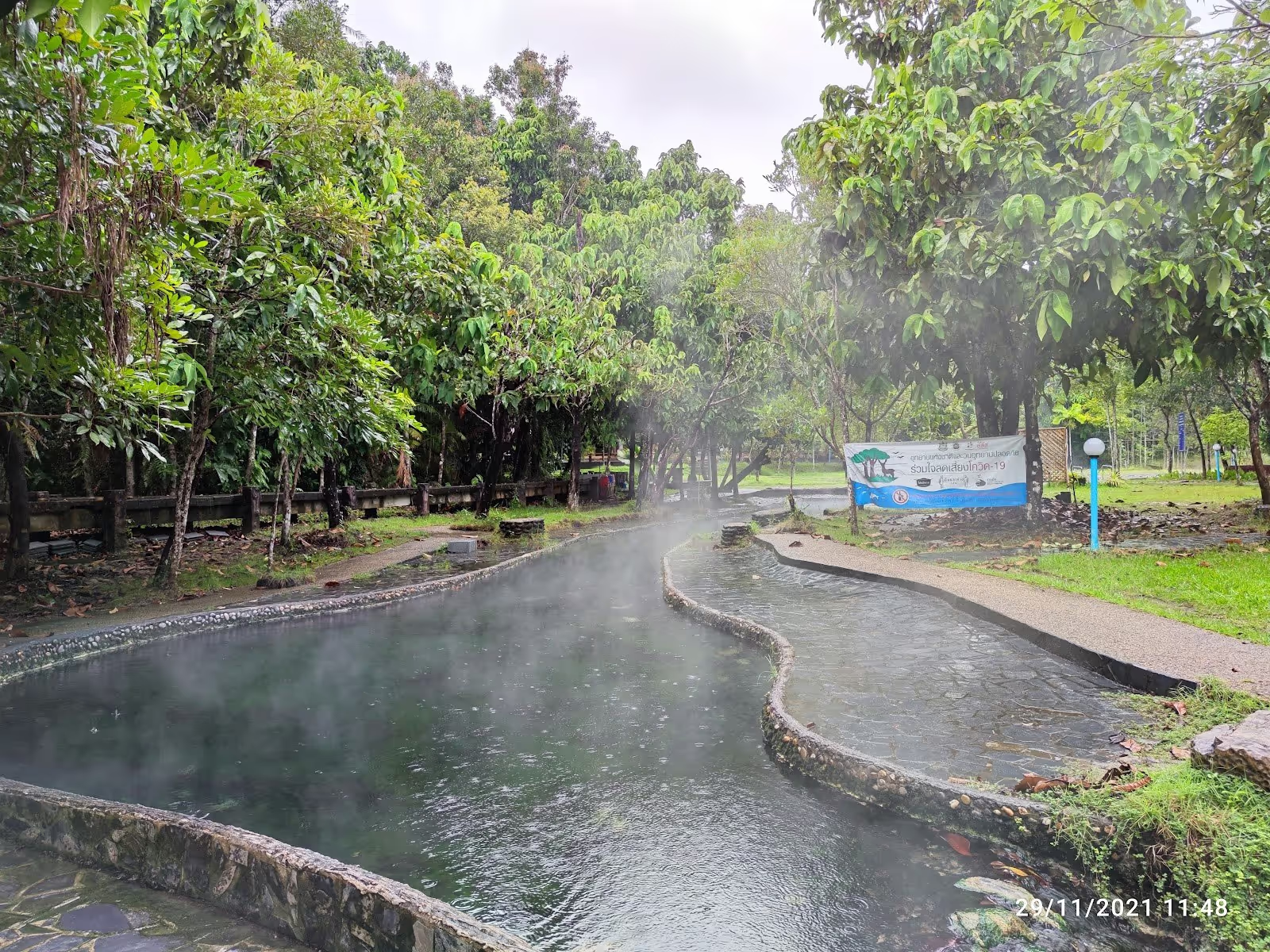
Tha Pai Hot Spring, Thailand
National park spring 8km south of Pai town via Highway 1095, Mae Hong Son. Source ~80°C; pools 34-42°C; egg-boiling; 300 THB entry; daily 7AM-6PM.
Mae Hi Subdistrict, Pai District, Mae Hong Son Province 58130, Thailand
Pai
TH
19.296
98.438
Public Pools & Parks
Paid
Easy to reach (no hike)
Be mindful
Swimsuit required
true
false
Asia
tha-pai-hot-spring-thailand

What is Tha Pai Hot Spring also known as?
Tha Pai Hot Spring is also known as Pong Nam Ron Thapai, which is its Thai name meaning roughly 'hot spring pool at Tha Pai'. Both names refer to the same site inside Huai Nam Dang National Park. The spring is located in the Pai District section of the national park, which spans Mae Hong Son and Chiang Mai Provinces. The park was established on 14 August 1995 as Thailand's 81st national park and covers approximately 1,252 square kilometres.
How does the 300 baht entry fee work at Tha Pai Hot Spring?
The 300 baht entry fee for foreign adults covers access to Huai Nam Dang National Park, within which Tha Pai Hot Spring is located. The same fee may cover multiple park attractions including the park's other hot spring feature, Pong Dueat Pa Pae, which is a geyser-type spring in a separate section of the same park. Thai adult admission is 50 baht. Foreign children pay 150 baht. The fee applies per visit; bring exact cash as card payment is not always available at national park entrance booths.
What is the best time of day and year to visit Tha Pai Hot Spring?
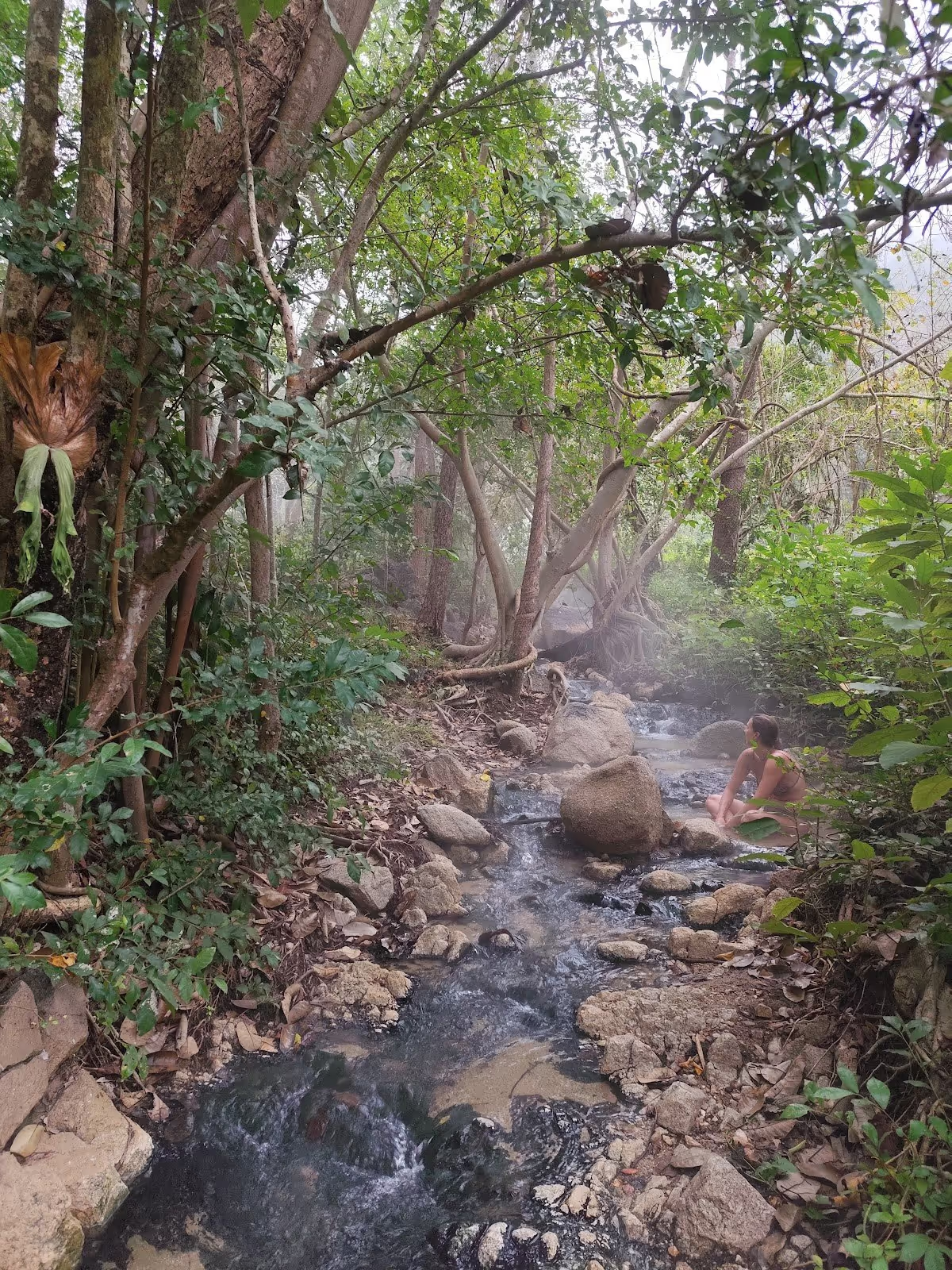
Early morning in the cool season from November to February is the most atmospheric time to visit. At this time, temperatures in the highland areas around Pai can drop significantly overnight, and the combination of cold air and the spring's steaming water at 80 degrees Celsius creates a strong mist effect over the pools and forest canopy. The visual quality of the early morning steam is most striking in cooler months. Visiting on a weekday avoids the higher visitor numbers that peak on weekends, particularly in December and January when Pai town itself is at its busiest.
Can you see the Tha Pai Hot Spring as a day trip from Chiang Mai?
Technically possible but not practical as a solo destination. The drive from Chiang Mai to Pai is approximately 130 kilometres and takes three hours along the winding Highway 1095, which has over 700 curves. The spring is then 8 kilometres south of Pai. Most visitors who make the journey from Chiang Mai stay in Pai for at least one or two nights and visit the hot spring as part of a broader Pai itinerary. As part of the Mae Hong Son Loop, the hot spring is a natural stop for those driving or riding the loop across several days.
What wildlife and forest features surround Tha Pai Hot Spring?
2026-09-21
Updated September 21, 2026
Tha Pai Hot Spring, Thailand
National park spring 8km south of Pai town via Highway 1095, Mae Hong Son. Source ~80°C; pools 34-42°C; egg-boiling; 300 THB entry; daily 7AM-6PM.
Experience
Public Pools & Parks
Access Level
Easy to reach (no hike)
What to Wear
Swimsuit required
Address
Mae Hi Subdistrict, Pai District, Mae Hong Son Province 58130, Thailand
Find a place to stay
Compare prices near this exact spot across Booking.com, Expedia and more.
See nearby stays →
Overview
About Tha Pai Hot Spring
Tha Pai Hot Spring, Thailand is a natural geothermal spring inside Huai Nam Dang National Park in Mae Hi Subdistrict, Pai District, Mae Hong Son Province, located approximately 8 kilometres south of Pai town via Highway 1095. Also known as Pong Nam Ron Thapai, the spring is part of Huai Nam Dang National Park, established in 1995 and covering 1,252 square kilometres across Mae Hong Son and Chiang Mai Provinces.
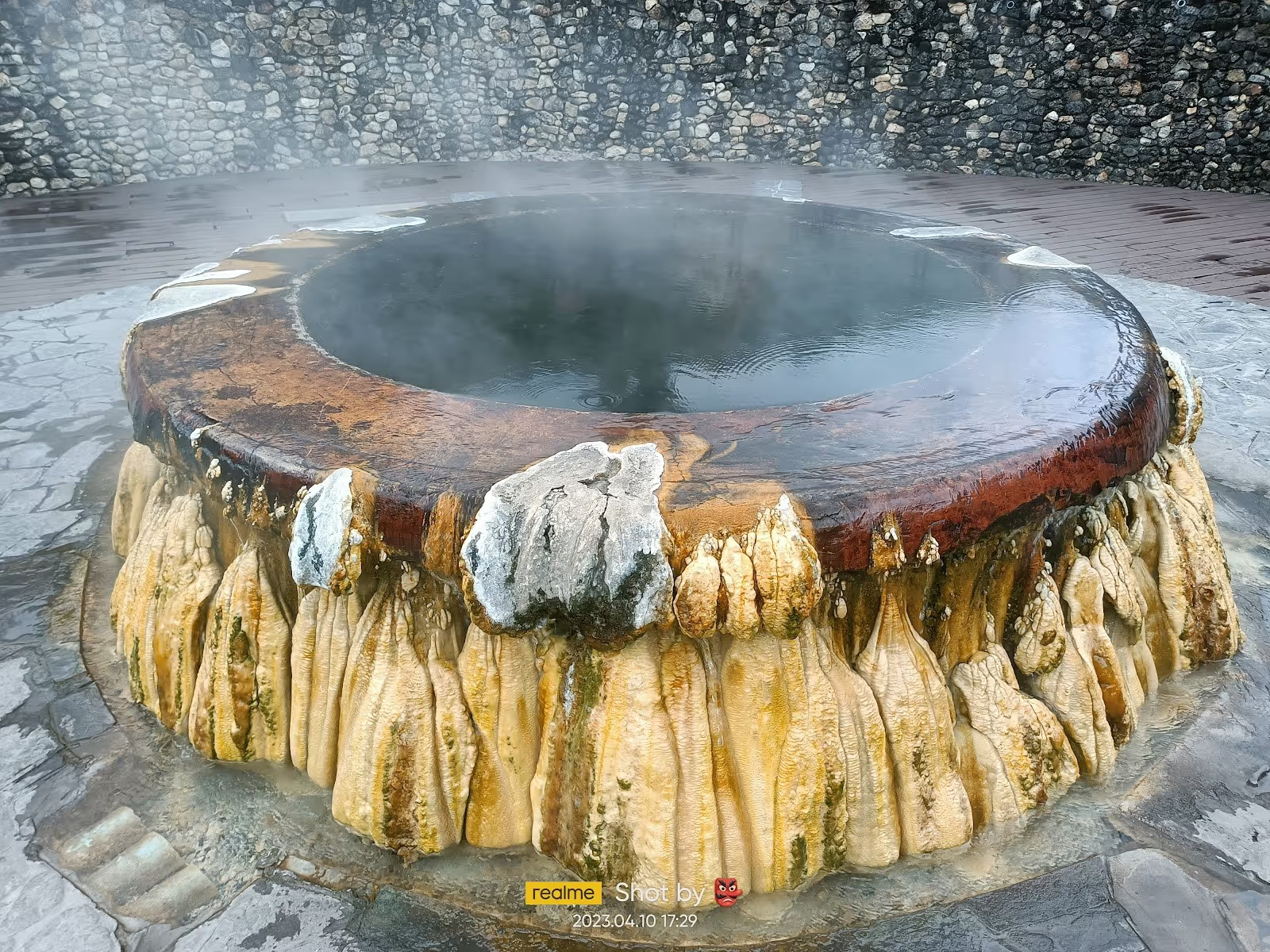
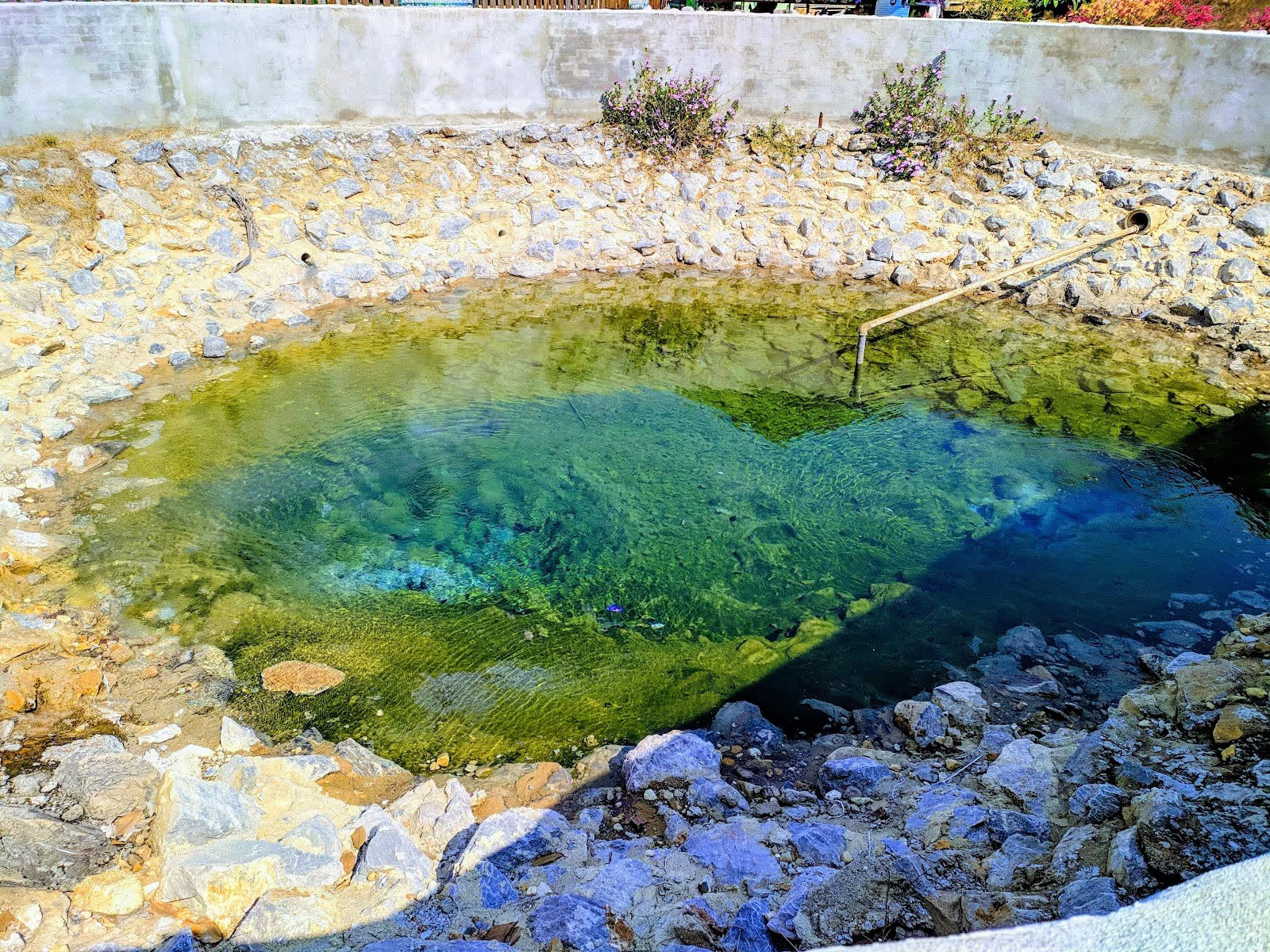
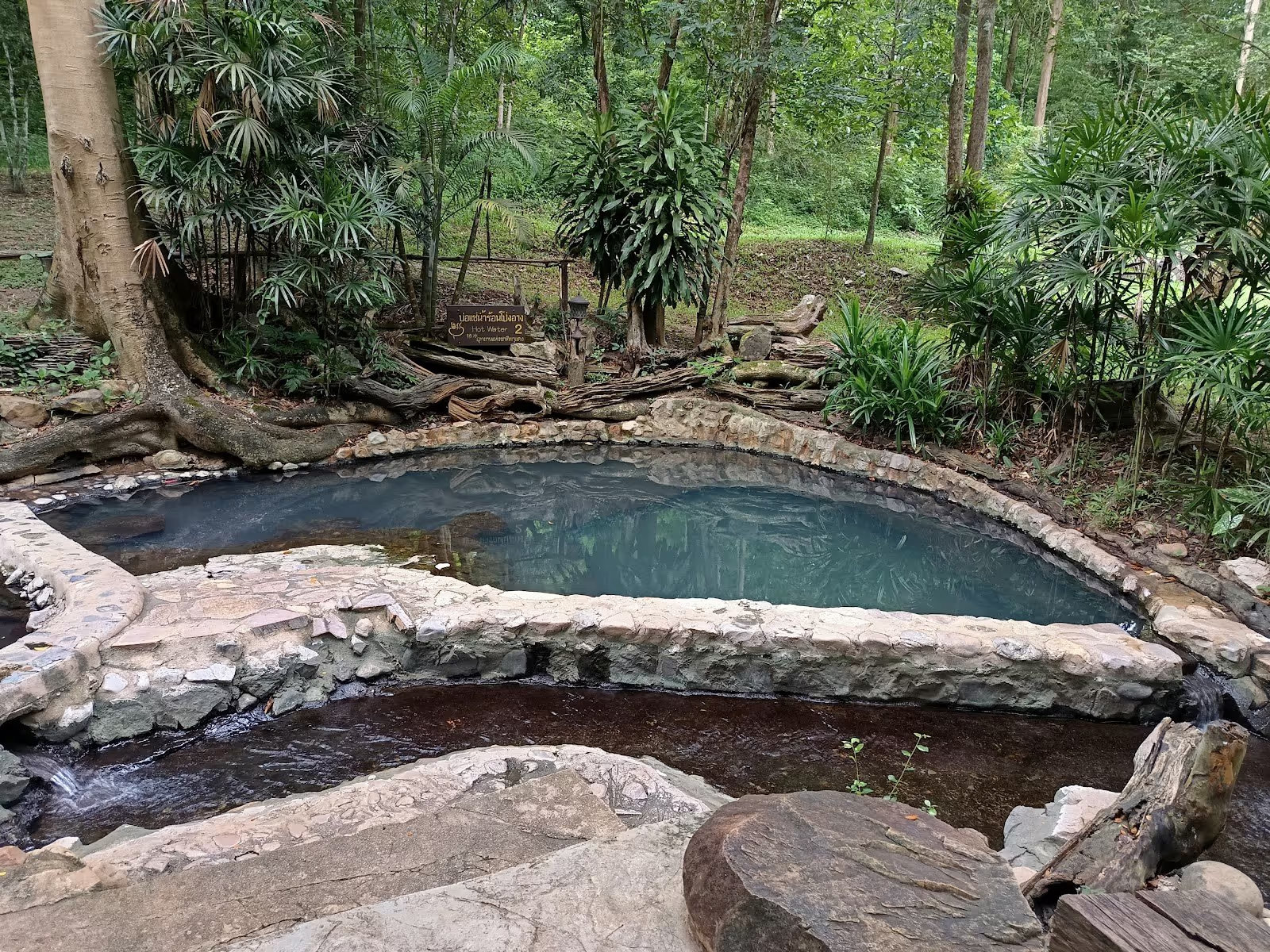
The spring source emerges at approximately 80 degrees Celsius, rising from geothermal faults through teak forest and limestone terrain. Hot water flows through wooden walkways and natural stone formations into a series of managed bathing pools maintained at 34 to 42 degrees Celsius for comfortable soaking. The water contains silica, sulfur, calcium, and magnesium, which deposit visible mineral coatings on the surrounding rocks. An egg-boiling pool, changing rooms, showers, toilets, and small kiosks selling snacks and eggs are available on site. Morning visits in the cool season reward visitors with steam rising through the teak canopy at dawn. Family hot springs near Pai at this elevation and within this national park forest setting are unique to the Huai Nam Dang park section on the south side of town.
Location & Access
Getting to Tha Pai Hot Spring
Tha Pai Hot Spring is located at Mae Hi Subdistrict, Pai District, Mae Hong Son Province 58130, inside Huai Nam Dang National Park. The park entrance for the hot spring is at kilometre markers 87 to 88 on Highway 1095, the main Chiang Mai to Pai to Mae Hong Son road, approximately 8 kilometres south of Pai town.
By scooter or motorbike from Pai, follow Highway 1095 south for approximately 8 kilometres and watch for the national park turnoff sign. The drive takes about 15 to 20 minutes from the centre of Pai. By car, the same route applies. No regular public transport runs directly to the hot spring entrance at kilometre 87-88; most visitors arrange their own transport by renting a scooter in Pai for 200 to 300 baht per day. From Chiang Mai, the drive to Pai itself is approximately 130 kilometres and three hours along Highway 1095, making Tha Pai most conveniently visited as part of a Pai or Mae Hong Son stay rather than a day trip from Chiang Mai.
The spring is open daily from approximately 7:00 AM to 6:00 PM. Entry fees are 300 baht for adult foreigners and 150 baht for foreign children; Thai adults pay 50 baht. This fee covers access to Huai Nam Dang National Park and may apply to multiple park attractions. No advance booking is required for individual visits. The cool season from November to February is the most popular period; weekday mornings offer the quietest experience.
Suitability & Accessibility
Who Should Visit Tha Pai Hot Spring
Tha Pai Hot Spring suits visitors staying in or passing through Pai who want to combine a natural hot spring experience with the surrounding Mae Hong Son landscape. The spring is particularly well suited to travellers on the Mae Hong Son Loop who use Pai as a base, as it is a short scooter ride from town and works well as a morning stop before or after other activities in the area.
The bathing pools at 34 to 42 degrees Celsius accommodate a range of heat preferences. Multiple pools of differing temperatures allow visitors to choose a comfortable level and move between them. The site is family-friendly; the egg-boiling activity is popular with children, and the forest setting around the pools is pleasant for extended visits. However, the source area is extremely hot and requires strict supervision of children near the spring vents and the egg-boiling pool.
The spring is at its most atmospheric in the cool season from November to February, when morning temperatures in the Mae Hong Son highlands can be cold and the steam rising over the pools is most visually striking. The 300 baht entry fee is higher than many Thai public hot springs, but includes national park access. Visitors who want a lower-cost alternative should note that the Pong Dueat geyser site in the same park also uses the same national park entry fee and is covered by the same ticket. Family hot springs near Pai with this combination of forest atmosphere, multiple pools, and egg-boiling within an easily accessible distance of town offer a rewarding combination for most visitor types.
Safety & Etiquette
Tha Pai Hot Spring Safety Tips
Tha Pai Hot Spring is generally safe within the managed pool areas, but the spring source reaches approximately 80 degrees Celsius and the egg-boiling pool area is not suitable for any body contact. Do not approach or touch the source vents. The egg-boiling pool and source areas are visually distinct and signposted; keep to the designated bathing pools and follow on-site guidance. Children must be kept away from the source and egg-boiling areas at all times.
The managed bathing pools range from 34 to 42 degrees Celsius. Enter gradually from the feet, test each pool before immersion, and limit continuous soaking to 15 to 20 minutes. The cool mountain air in the surrounding forest can make the pools feel milder than they are; do not stay in the hotter pools longer than recommended. Drink water regularly throughout the visit. The wooden walkways and natural stone surfaces around the pools can be slippery when wet; wear footwear with grip when walking between pool areas.
The spring is inside Huai Nam Dang National Park in the mountains above the Pai valley. Bring warm clothing for the drive back after soaking, particularly on a scooter, as the temperature contrast after leaving hot water in cool mountain air can feel severe. Highway 1095 has curves and elevation changes; ride and drive carefully, especially in wet weather.
Pregnant visitors and those with cardiovascular conditions should consult a healthcare provider before bathing. Nearest medical facilities are in Pai town, approximately 8 kilometres north. The spring is open year-round but the rainy season from June to October can make the turnoff road wet; take care on the approach. No mobile signal is guaranteed inside the park.
Frequently Asked Questions
1
What is Tha Pai Hot Spring also known as?
Tha Pai Hot Spring is also known as Pong Nam Ron Thapai, which is its Thai name meaning roughly 'hot spring pool at Tha Pai'. Both names refer to the same site inside Huai Nam Dang National Park. The spring is located in the Pai District section of the national park, which spans Mae Hong Son and Chiang Mai Provinces. The park was established on 14 August 1995 as Thailand's 81st national park and covers approximately 1,252 square kilometres.
2
How does the 300 baht entry fee work at Tha Pai Hot Spring?
The 300 baht entry fee for foreign adults covers access to Huai Nam Dang National Park, within which Tha Pai Hot Spring is located. The same fee may cover multiple park attractions including the park's other hot spring feature, Pong Dueat Pa Pae, which is a geyser-type spring in a separate section of the same park. Thai adult admission is 50 baht. Foreign children pay 150 baht. The fee applies per visit; bring exact cash as card payment is not always available at national park entrance booths.
3
What is the best time of day and year to visit Tha Pai Hot Spring?
Early morning in the cool season from November to February is the most atmospheric time to visit. At this time, temperatures in the highland areas around Pai can drop significantly overnight, and the combination of cold air and the spring's steaming water at 80 degrees Celsius creates a strong mist effect over the pools and forest canopy. The visual quality of the early morning steam is most striking in cooler months. Visiting on a weekday avoids the higher visitor numbers that peak on weekends, particularly in December and January when Pai town itself is at its busiest.
4
Can you see the Tha Pai Hot Spring as a day trip from Chiang Mai?
Technically possible but not practical as a solo destination. The drive from Chiang Mai to Pai is approximately 130 kilometres and takes three hours along the winding Highway 1095, which has over 700 curves. The spring is then 8 kilometres south of Pai. Most visitors who make the journey from Chiang Mai stay in Pai for at least one or two nights and visit the hot spring as part of a broader Pai itinerary. As part of the Mae Hong Son Loop, the hot spring is a natural stop for those driving or riding the loop across several days.
5
What wildlife and forest features surround Tha Pai Hot Spring?
Tha Pai Hot Spring is set within the teak forest and limestone terrain of Huai Nam Dang National Park. The park is home to elephants, sambar deer, bears, macaques, wild boar, and diverse birdlife including gibbons, hornbills, thick-billed green pigeons, and vernal hanging parrots. The park also supports evergreen, deciduous, and dipterocarp forest types. The streams draining from the park include the source rivers for the Pai and Taeng rivers. The park's sea of mist viewpoints at Doi Chang and Doi Kiew Lom are accessible from the main park headquarters near km 65 on Highway 1095, before the hot spring turnoff at km 87-88.
Gallery
No pictures available for this hot spring.
Location
Address:
Mae Hi Subdistrict, Pai District, Mae Hong Son Province 58130, Thailand
Find a place to stay
Compare prices near this exact spot across Booking.com, Expedia and more.
See nearby stays →
19.296
98.438
Tha Pai Hot Spring, Thailand
Text LinkMae Hi Subdistrict, Pai District, Mae Hong Son Province 58130, Thailand
More hot springs in Thailand
Some accommodation links on this site are affiliate links. If you book through them, we may earn a small commission at no additional cost to you. This helps keep hotspringsguides.com free to use.