Raksawarin Hot Springs and Public Park, Thailand
Free sulfur-free public hot spring 2km east of Ranong town, southern Thailand. Three spring sources at 65°C; free foot pools, hot floor complex, and gym.
Khao Niwet Subdistrict, Mueang District, Ranong Province 85000, Thailand
Ranong
TH
9.9587
98.649456
Public Pools & Parks
Free
Easy to reach (no hike)
Be mindful
Swimsuit required
true
false
Asia
raksawarin-hot-springs-and-public-park-thailand
Is Raksawarin Hot Springs really sulfur-free?
Yes. Raksawarin Hot Springs is documented as the only major natural hot spring in Thailand that contains no sulfur. This means the water has no smell, which is uncommon for geothermal springs. The purity of the water is considered exceptional; sources note that the water can be drunk directly from the spring source. The mineral composition includes other beneficial minerals without the sulfur contamination typical of volcanic hot springs, and local doctors have historically recommended the water for therapeutic bathing.
Why is the park called Raksawarin?
The name Raksawarin means water that can cure disease. The name was given by Her Royal Highness Princess Srinagarindra during her visit to Ranong in 1967. The springs had already been visited by King Rama V in 1890, who named the access road Chon Ra-u, meaning hot water. The three main spring pools are named the Father Pool, the Mother Pool, and the Child Pool. The water from these pools was used in ceremonies to celebrate the 60th birthday of King Bhumibol Adulyadej.
What is the hot floor complex at Raksawarin?
The hot floor complex is a distinctive feature of Raksawarin not commonly found at other Thai hot springs. The geothermal spring heats the floor of a dedicated area in the park from below, creating a warm surface that visitors can lie, sit, or do yoga on without entering water. Visitors use it for reading, relaxing, and sleeping. The recommended maximum time on the hot floor is 30 minutes per session to avoid excessive sweating and dehydration. The combination of the hot floor and the soaking pools makes Raksawarin a more varied experience than most Thai spring parks.
Is there an entry fee for Raksawarin Hot Springs?
The public area of Raksawarin Hot Springs and Public Park, including the foot pools, the hot floor complex, the park grounds, and the gym, is free of charge with no admission fee. A private bathing area immediately behind the public pools, managed by the Tinidee Hotel, charges 40 baht per person and is open from 7:00 AM to 9:00 PM. A separate commercial spa across the road, Siam Spa, has its own pricing. The songthaew from Ranong Central Market to the park costs approximately 20 baht each way.
What else is there to do near Raksawarin Hot Springs in Ranong?
2026-09-21
Updated September 21, 2026
Raksawarin Hot Springs and Public Park, Thailand
Free sulfur-free public hot spring 2km east of Ranong town, southern Thailand. Three spring sources at 65°C; free foot pools, hot floor complex, and gym.
Experience
Public Pools & Parks
Access Level
Easy to reach (no hike)
What to Wear
Swimsuit required
Address
Khao Niwet Subdistrict, Mueang District, Ranong Province 85000, Thailand
Find a place to stay
Compare prices near this exact spot across Booking.com, Expedia and more.
See nearby stays →
Overview
About Raksawarin Hot Springs and Public Park
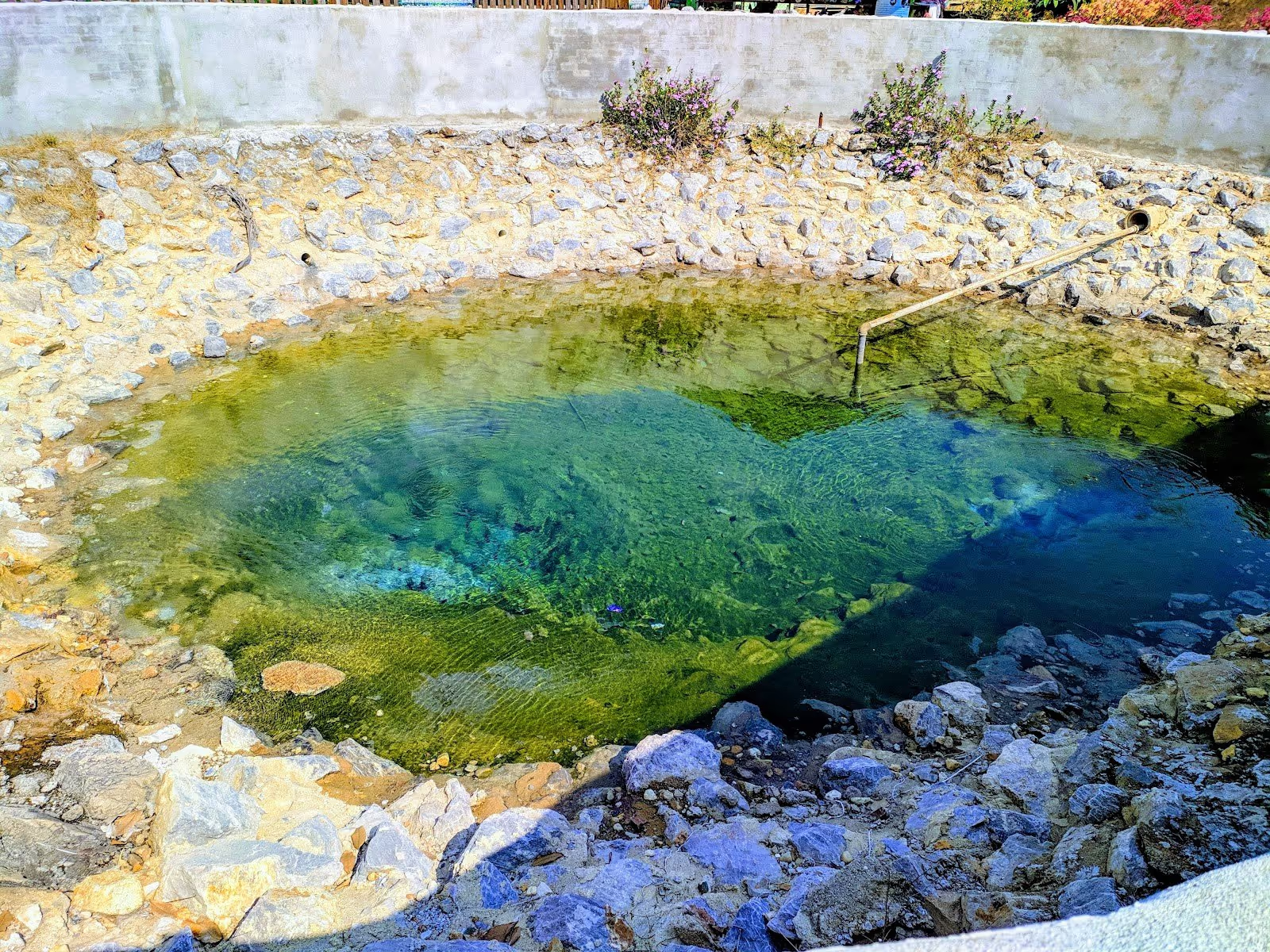
Raksawarin Hot Springs and Public Park, Thailand is a free public hot spring in Mueang District, Ranong Province, located 2 kilometres east of Ranong town along Highway 4005. Three natural spring pools produce water at a constant 65 degrees Celsius year-round. The springs are notably sulfur-free, a characteristic that makes them the purest naturally occurring hot spring water in Thailand, and the water is considered drinkable directly from the source.
The name Raksawarin, meaning water that can cure disease, was given by Her Royal Highness Princess Srinagarindra on her visit to Ranong in 1967. The springs have attracted visitors since King Rama V passed through Ranong in 1890, naming the road to the springs Chon Ra-u, meaning hot water. The three main spring pools are known as the Father Pool, the Mother Pool, and the Child Pool, and the water was used in ceremonies commemorating the 60th birthday of King Bhumibol. Raksawarin Public Park surrounds the springs and includes a gymnasium, a hot floor complex heated from below by the geothermal spring, a hanging wooden bridge, riverside walking areas, restaurants, a coffee shop, souvenir shops, and public parking. Free hot springs near Ranong of this scale and historical significance, accessible by songthaew from the town centre, are unique in southern Thailand.
Location & Access
Getting to Raksawarin Hot Springs
Raksawarin Hot Springs and Public Park is located on Highway 4005, Khao Niwet Subdistrict, Mueang District, Ranong Province 85000, approximately 2 kilometres east of Ranong town and the Ranong provincial office.
By public transport from Ranong town, take a songthaew from Ranong Central Market toward the hot springs for approximately 20 baht. The journey takes about 10 minutes. Buses and minivans also connect the town to the park area. The park is described as walkable from Ranong Bus Station at about 2 kilometres, though the main road has limited shade in midday heat. By car, follow Highway 4005 east from Ranong town and the park entrance is clearly signposted. Parking is available within the park grounds. Ranong is connected by bus and minivan to Chumphon to the north, with onward connections to Bangkok or Surat Thani, and to Kraburi to the south.
The park is open daily from approximately 10:30 AM to 19:30. Admission to the public park and public soaking pools is free. A private bathing area managed by the Tinidee Hotel is located immediately behind the public pools and is available for 40 baht per person; it is open from 7:00 AM to 9:00 PM. A separate spa facility, Siam Spa, is across the road and charges its own admission. There are also restaurants, a coffee shop, and souvenir shops within the park grounds.
Suitability & Accessibility
Who Should Visit Raksawarin Hot Springs
Raksawarin Hot Springs and Public Park suits all types of visitors, from families and budget travellers to those interested in royal history and Thai geothermal heritage. The free admission, songthaew access from the town centre, and broad park facilities make it the most accessible hot spring in southern Thailand, with almost no barrier to entry.
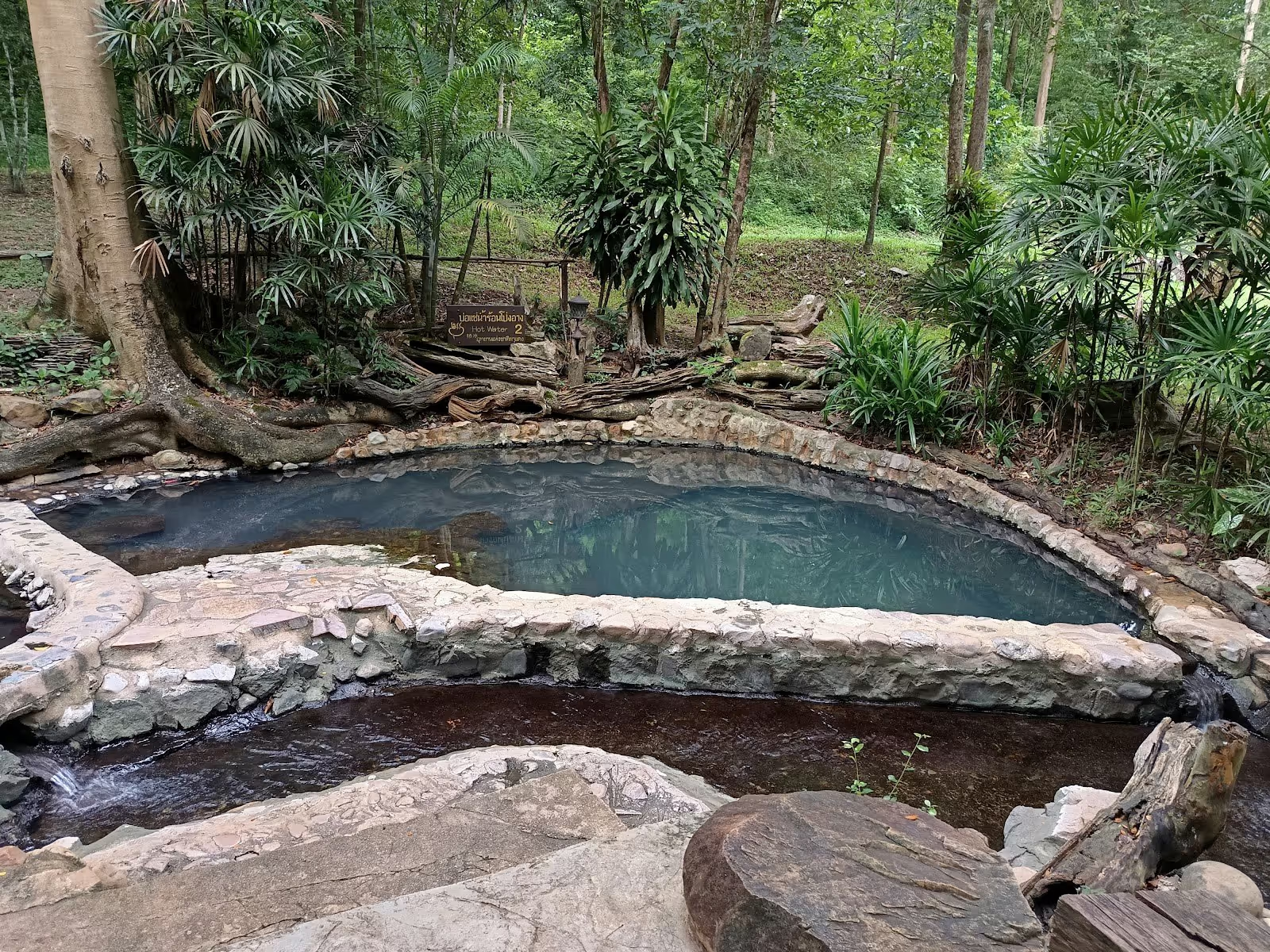
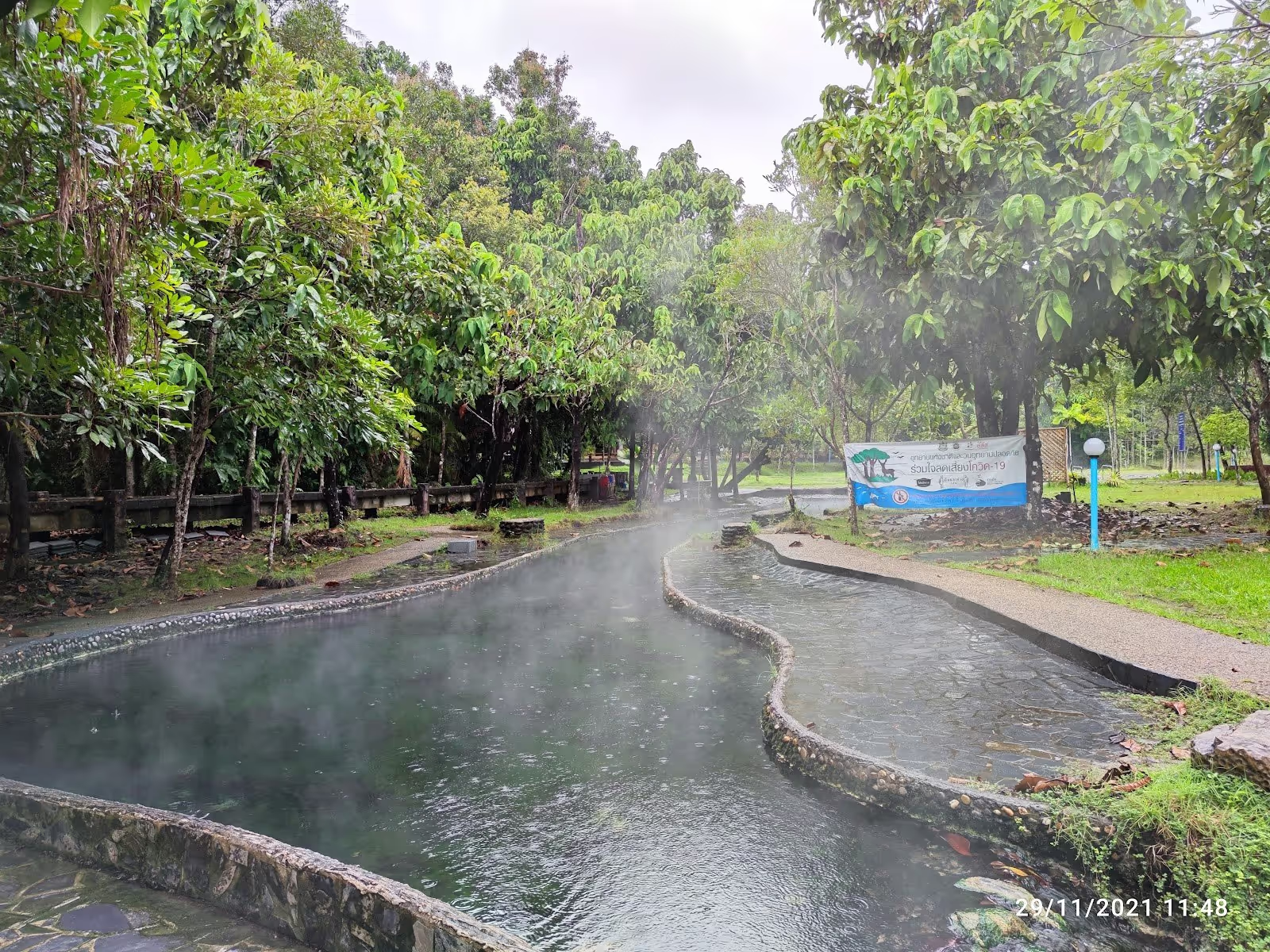
The three spring sources at 65 degrees Celsius are too hot for bathing directly, but the public pools are cooled to a safe soaking temperature of around 40 degrees Celsius. These are suitable for foot soaking, light bathing, and the egg-boiling activity common at Thai hot springs. The hot floor complex is particularly unusual; heated from below by the geothermal spring, it allows visitors to lie or sit on the warm floor without entering the water, and is used for yoga, reading, relaxing, and sleeping. The recommended maximum time on the hot floor is 30 minutes due to sweating and dehydration risk.
The park setting along the Phoemphon River adds a pleasant dimension beyond the springs themselves. The hanging wooden bridge, riverside walkways, gymnasium, and eating options make it a complete park visit rather than just a thermal bathing stop. For visitors staying in Ranong who have limited time, Raksawarin is the standard first stop for understanding the town's geothermal character. Free hot springs near Ranong at this level of development and cultural context do not exist anywhere else in the province.
Safety & Etiquette
Raksawarin Hot Springs Safety Tips
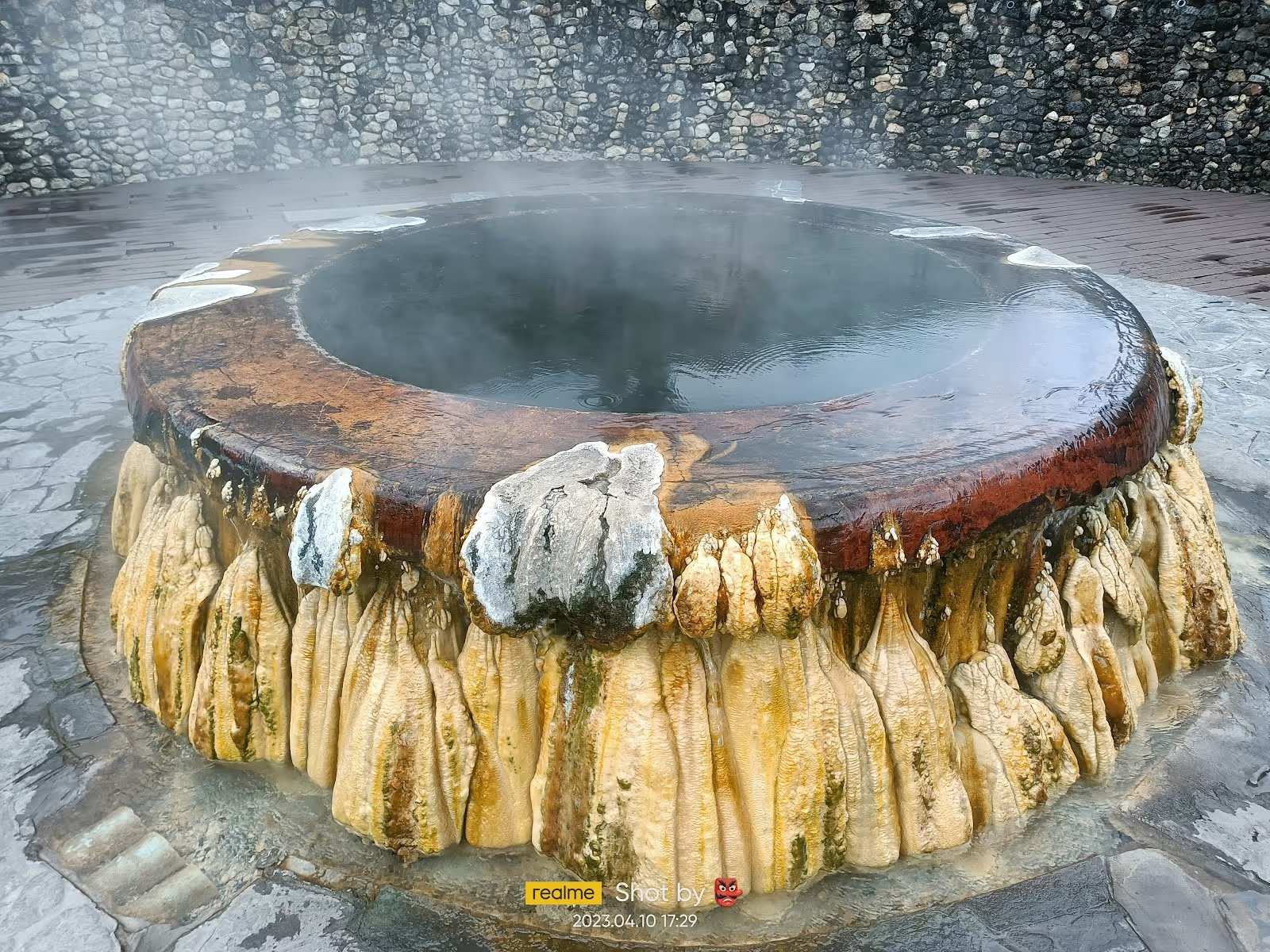
Raksawarin Hot Springs and Public Park is a well-maintained public facility with park staff on site. The three spring sources reach 65 degrees Celsius and are marked clearly; do not attempt to enter or soak in the source pools. The water is hot enough to boil an egg and will cause serious burns on contact. Test the public pools before soaking and enter gradually starting from the feet.
The pool surrounds and paths can be wet and slippery; wear footwear with grip and walk carefully around pool edges. The park is visited by a broad mix of visitors including children, elderly Thai locals, and international tourists; be aware of others in the water when moving between pool sections. Supervise children near all pools including the source areas, foot pools, and the deeper communal pools.
The hot floor complex should not be used for more than 30 minutes at a stretch. Prolonged exposure causes heavy sweating; stay hydrated, take breaks, and avoid spending extended periods on the hot floor in combination with lengthy pool soaking. The ambient temperature in Ranong is warm year-round; total fluid intake at this park should be higher than at a cooler-climate spring.
The park is within 2 kilometres of Ranong town, which has full medical services. Standard personal safety awareness applies in the park grounds and along the riverside areas. The private bathing rooms behind the public pools require confirmation of temperature before use; staff can assist if needed. If you experience unusual skin reaction to the water, exit the pool and rinse; the sulfur-free mineral composition is generally gentle but sensitivities vary.
Frequently Asked Questions
1
Is Raksawarin Hot Springs really sulfur-free?
Yes. Raksawarin Hot Springs is documented as the only major natural hot spring in Thailand that contains no sulfur. This means the water has no smell, which is uncommon for geothermal springs. The purity of the water is considered exceptional; sources note that the water can be drunk directly from the spring source. The mineral composition includes other beneficial minerals without the sulfur contamination typical of volcanic hot springs, and local doctors have historically recommended the water for therapeutic bathing.
2
Why is the park called Raksawarin?
The name Raksawarin means water that can cure disease. The name was given by Her Royal Highness Princess Srinagarindra during her visit to Ranong in 1967. The springs had already been visited by King Rama V in 1890, who named the access road Chon Ra-u, meaning hot water. The three main spring pools are named the Father Pool, the Mother Pool, and the Child Pool. The water from these pools was used in ceremonies to celebrate the 60th birthday of King Bhumibol Adulyadej.
3
What is the hot floor complex at Raksawarin?
The hot floor complex is a distinctive feature of Raksawarin not commonly found at other Thai hot springs. The geothermal spring heats the floor of a dedicated area in the park from below, creating a warm surface that visitors can lie, sit, or do yoga on without entering water. Visitors use it for reading, relaxing, and sleeping. The recommended maximum time on the hot floor is 30 minutes per session to avoid excessive sweating and dehydration. The combination of the hot floor and the soaking pools makes Raksawarin a more varied experience than most Thai spring parks.
4
Is there an entry fee for Raksawarin Hot Springs?
The public area of Raksawarin Hot Springs and Public Park, including the foot pools, the hot floor complex, the park grounds, and the gym, is free of charge with no admission fee. A private bathing area immediately behind the public pools, managed by the Tinidee Hotel, charges 40 baht per person and is open from 7:00 AM to 9:00 PM. A separate commercial spa across the road, Siam Spa, has its own pricing. The songthaew from Ranong Central Market to the park costs approximately 20 baht each way.
5
What else is there to do near Raksawarin Hot Springs in Ranong?
Ranong is a border town with Myanmar and has several notable attractions nearby. Pon Rang Hot Springs, a quieter option within Ngao Waterfall National Park, is approximately 5 kilometres south of town. Ranong Canyon, a dramatic red rock formation, is about 10 kilometres east. Ngao Waterfall National Park is also in the vicinity. From Ranong pier, day trips to the Myanmar island of Ko Song (Kawthaung) are a popular cross-border visit. Ranong also serves as a jumping-off point for Koh Chang (Ranong) and Koh Phayam, quieter island alternatives to the busier southern Thai islands.
Gallery
No pictures available for this hot spring.
Location
Address:
Khao Niwet Subdistrict, Mueang District, Ranong Province 85000, Thailand
Find a place to stay
Compare prices near this exact spot across Booking.com, Expedia and more.
See nearby stays →
9.9587
98.649456
Raksawarin Hot Springs and Public Park, Thailand
Text LinkKhao Niwet Subdistrict, Mueang District, Ranong Province 85000, Thailand
More hot springs in Thailand
Some accommodation links on this site are affiliate links. If you book through them, we may earn a small commission at no additional cost to you. This helps keep hotspringsguides.com free to use.